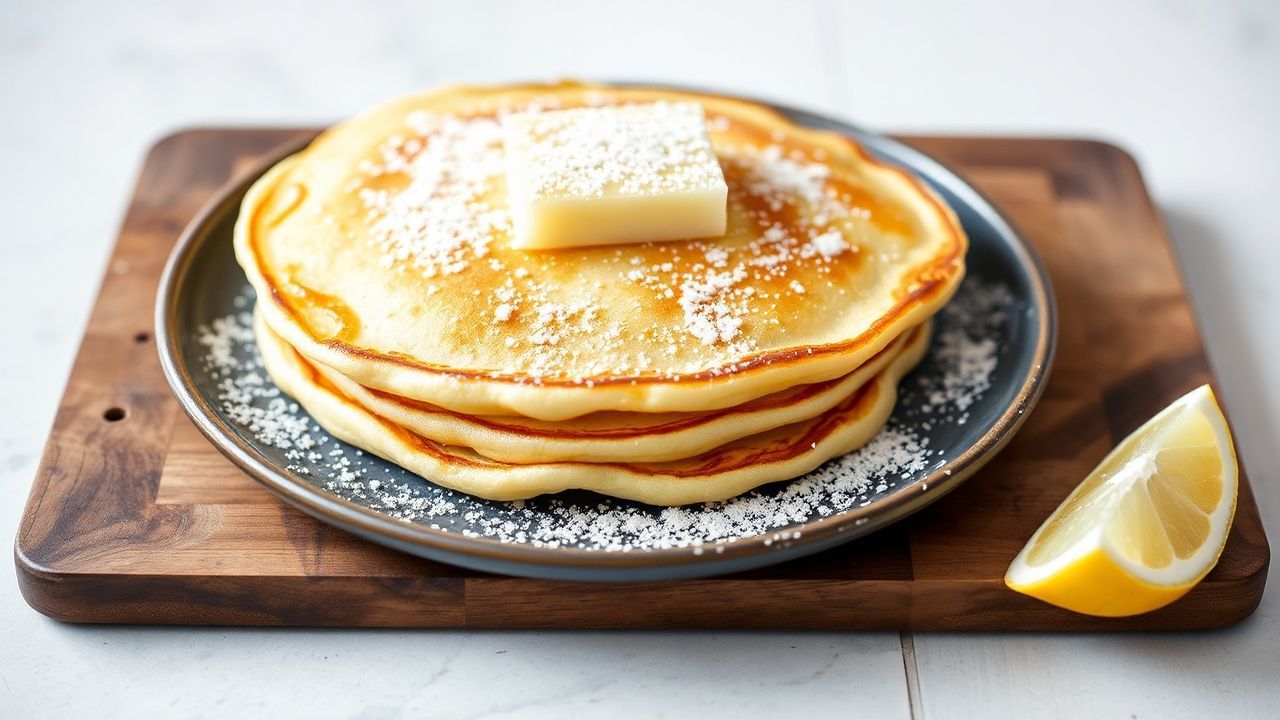
Fluffy Dutch Baby Pancake with zesty lemon and sugar is the kind of breakfast that looks impressive and cooks fast. The batter bakes into a dramatic, puffed pancake with crispy edges and a custard-soft center, then brightens with fresh citrus.
- The Art of Crafting the Perfect Fluffy Dutch Baby Pancake
- Prep and Cook Time
- Yield
- Difficulty Level
- Ingredients
- Instructions
- Tips for Achieving the Ideal Golden Crisp and Tender Interior
- Creative Serving Suggestions to Delight Your Taste Buds
- Nutritional Information
- Q&A
- What exactly is a Fluffy Dutch Baby Pancake?
- Why does the Dutch baby pancake puff so much?
- Why add lemon to a Dutch baby pancake?
- How should I incorporate the lemon?
- Can I prepare the batter ahead of time?
- FAQ
At a Glance
- Hot skillet + hot oven create the signature rise and crisp rim.
- Lemon zest boosts aroma, while lemon juice adds a clean tang.
- Serve immediately for the best puff and texture.
- Simple swaps (like gluten-free flour blend) can work with care.
There’s a certain magic to a breakfast that feels both indulgent and effortlessly elegant. This fluffy Dutch baby pancake rises in the oven like a popover, so it feels “special” even on a busy morning.
Once you add lemon zest and a light dusting of sugar, the flavor shifts from rich and buttery to bright and balanced. You get tang where you expect sweetness, and tenderness where you expect heaviness.
The Art of Crafting the Perfect Fluffy Dutch Baby Pancake
The Fluffy Dutch Baby Pancake starts with a simple base: eggs, flour, milk, salt, and butter. Then the method does the heavy lifting—bake in a preheated skillet and avoid opening the oven so steam can expand the batter.
Think of it as a skillet-baked batter that behaves like a cross between a pancake and a popover. If you understand how heat drives batter expansion, the results improve fast. For background on baked goods and structure, see baking.
Prep and Cook Time
You can put this Fluffy Dutch Baby Pancake together quickly. Prep stays short, and the oven does most of the work while the skillet stays hot.
- Readiness: 10 minutes
- Cooking: 20 minutes
- Total time: 30 minutes
Yield
This recipe makes about 4 generous servings. It also works well for brunch because each slice shows off the golden rim.
If you want more drama, bake in a 10–12 inch skillet so the batter spreads and puffs evenly. Skillet size affects height and browning, so choose one you know heats reliably.
Difficulty Level
This fluffy Dutch baby pancake is easy to medium. Most “failures” come from skillet temperature or batter mix errors, not from complex technique.
Follow the steps closely, and you’ll get a fast rise plus a tender custard center. For general guidance on food science terms like emulsions and mixtures, review emulsion.
Ingredients
Use room-temperature eggs and slightly warm milk for smoother batter. Warm liquids help dissolve flour lumps faster, which supports an even bake.
For citrus brightness, fresh lemon zest matters. It carries aromatic oils that add punch even when juice stays controlled.
- 3 large eggs, at room temperature
- 2/3 cup all-purpose flour, sifted
- 2/3 cup whole milk, warmed slightly
- 1/4 teaspoon fine sea salt
- 1 tablespoon granulated sugar
- 3 tablespoons unsalted butter
- Zest of 1 large lemon (about 1 tablespoon)
- Juice of 1/2 lemon
- Powdered sugar, for dusting
- Optional: fresh berries or mint sprigs for garnish
Instructions
Start by preheating the oven and your skillet together. When the butter hits the hot pan, it sizzles immediately, and that helps create the crisp edges.
Also, mix the batter until smooth. A few lumps reduce rise and create uneven texture in the center.
- Preheat your oven to 425°F (220°C). Place a 10-inch cast-iron skillet or oven-safe frying pan inside to heat as the oven warms. This step helps the butter sizzle on contact for crisp edges.
- Mix batter. In a blender or medium bowl, combine eggs, sifted flour, warm milk, salt, and granulated sugar. Blend or whisk for about 30 seconds until smooth and slightly frothy.
- Melt butter in the hot skillet. Carefully remove the hot skillet. Add butter right away; it should melt fast and bubble.
- Pour and flavor. Pour batter evenly into the skillet. Sprinkle in lemon zest and half the lemon juice. Swirl gently to distribute.
- Bake. Bake for 18–20 minutes. Keep the oven door closed. The pancake should puff and turn golden brown.
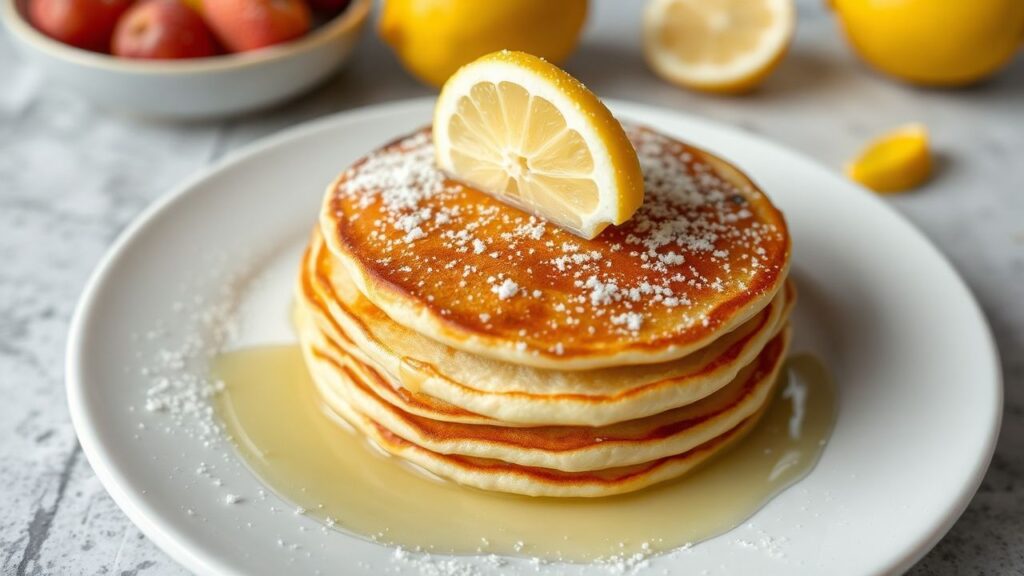
- Finish with lemon. Remove from the oven and drizzle the remaining lemon juice over the top. Dust with powdered sugar.
- Serve immediately. Slice and serve hot with berries or mint if you like.
Tips for Achieving the Ideal Golden Crisp and Tender Interior
Fluffy Dutch Baby Pancake texture depends on heat control and batter smoothness. Even small changes in timing can shift the center from custardy to dry.
If you want the crisp rim and tender center, focus on skillet temperature, bake time, and not opening the oven. Heat-driven expansion explains why steam creates the lift; see steam.
- Use room temperature eggs and warm milk for better batter blending and lift.
- Heat the skillet thoroughly before adding butter to prevent sticking and boost crispness.
- Avoid opening the oven while baking to keep temperature stable.
- Time your bake carefully—over-baking reduces tenderness.
- Use fresh lemon zest instead of dried zest for strongest aroma.
Because this dish relies on rapid rise, you should treat it like a timed bake. Set a timer, watch the color near the end, and plan to serve right away.
Let the skillet preheat fully. If your oven runs cool, add 1–2 minutes of skillet preheating time, then proceed with the recipe timing.
You’ll also get more consistent texture if you mix until smooth and pour quickly. When batter sits too long, bubbles collapse and puff reduces.
For another view of how liquids and proteins affect baked structure, you can explore protein. In eggs, proteins set during baking and help form the custard-like interior.
Creative Serving Suggestions to Delight Your Taste Buds
This lemon-sugar fluffy Dutch baby pancake shines on its own, but toppings make it feel restaurant-level. Add fruit, crunch, or cream to match your mood.
Keep toppings simple and fresh. Warm pancake texture pairs best with cool fruit and light creams rather than heavy sauces.
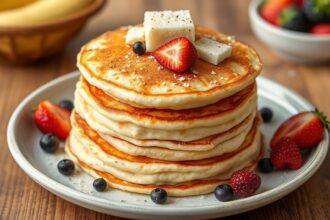
- Berry medley: Raspberries, blueberries, and sliced strawberries boost sweetness and color.
- Nutty crunch: Toasted slivered almonds or pistachios add texture against the soft center.
- Herbal touch: Fresh mint or basil adds a clean herbal note that complements lemon.
- Drizzle ideas: A thin honey or maple drizzle adds floral or caramel notes without overpowering citrus.
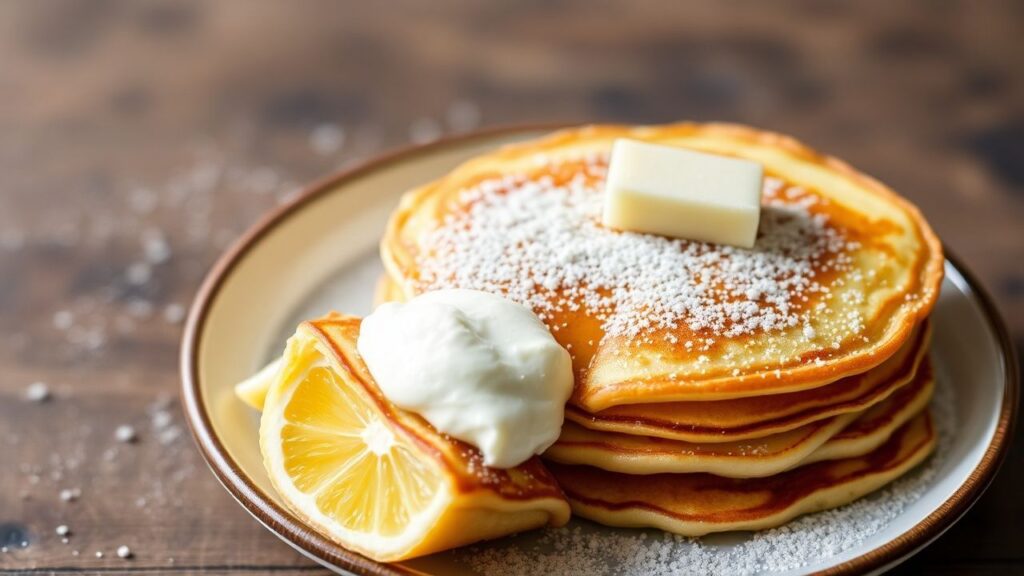
- Whipped cream clouds: A small dollop balances richness and softens the crisp edges.
Serve on a warm plate when possible. Warm plates slow cooling, so the pancake stays puffed a bit longer for better texture at the table.
Nutritional Information
Nutritional needs vary by brand and portion size. This estimate uses standard baking assumptions for the ingredients listed, including whole milk and butter.
Use these numbers as a guide, not a strict medical value. For general macro context, see macronutrients.
| Nutrient | Per Serving (1/4 pancake) |
|---|---|
| Calories | 260 kcal |
| Protein | 8 g |
| Carbohydrates | 26 g |
| Fat | 14 g |
If you want to lighten it, reduce butter slightly and use a lighter milk. The rise can change, so expect texture shifts. For ingredient context on milk types, check milk.
For an expert approach to ingredient substitutions, consider how flour proteins and starch hydration affect baked structure. A helpful general reference is flour.
Q&A
If you’ve never baked a Dutch baby before, the quick questions are usually about puff, pan choice, and timing. Here are clear answers to the most common concerns.
This keeps the process simple and helps you avoid the usual texture problems.
What exactly is a Fluffy Dutch Baby Pancake?
A Fluffy Dutch Baby Pancake is a skillet-baked batter that puffs in the oven. It’s airy like a popover but slices like a pancake, with crisp edges and a tender middle.
Because it bakes in a hot pan, the surface sets fast while steam expands the interior.
Why does the Dutch baby pancake puff so much?
Puffing comes from steam and rapid heating of the batter. Hot oven conditions quickly turn water in the batter to steam, expanding the structure.
That’s also why you should preheat the skillet and avoid opening the oven door.
Why add lemon to a Dutch baby pancake?
Lemon adds bright acidity that cuts through butter richness. Zest provides aromatic oils, while juice delivers tang after baking.
This balance makes the dish feel lively instead of heavy.
How should I incorporate the lemon?
Add lemon zest to the batter before baking so aroma builds during heat exposure. Then drizzle lemon juice right after baking so the citrus stays fresh and punchy.
That layering gives you both fragrant citrus and a tangy finish.
Can I prepare the batter ahead of time?
For best rise, mix and bake fresh. If you prep ahead, combine dry and wet ingredients separately, then mix fully right before baking.
Fresh batter produces more lift because trapped gas stays stronger in the batter before it hits the hot skillet.
FAQ
Use this quick FAQ when you want troubleshooting help for your fluffy Dutch baby pancake with zesty lemon and sugar.
These answers focus on texture, timing, and serving so you can get consistent results.
How do I keep the pancake from collapsing?
Serve immediately after baking. The puff naturally relaxes as steam escapes, so cutting and eating quickly preserves the best texture.
You can also warm your plates beforehand and slice close to serving time.
What pan size works best?
A 10-inch skillet creates strong rise and an ideal balance of crisp edge to custard center. A larger pan spreads batter thinner and may puff less.
If you change skillet size, you may need to adjust bake time slightly.
Can I use a gluten-free flour blend?
Yes, but choose a blend made for baking with structure. Gluten-free flours behave differently, so the center may set with a slightly different texture.
Start with a trusted 1:1 gluten-free blend and expect minor differences in puff height.
How do I reheat leftovers without losing texture?
Reheat in a hot skillet or toaster oven. Warm quickly, because microwaving can make the pancake soggy and reduce crispness.
Reheat just until heated through, then serve right away.
Can this be served as a dessert?
Absolutely. The lemon sugar profile feels light enough for dessert, especially with berries or a small spoon of whipped cream.
Dust with powdered sugar and finish with a final squeeze of lemon for a bright, clean finish.
The Way Forward: Fluffy Dutch Baby Pancake with zesty lemon and sugar gives you a bright, buttery breakfast that looks bakery-level with home-kitchen ease. With the right skillet heat, smooth batter, and quick serving, you’ll get the puff, the crisp rim, and the tangy finish every time.
Make it your weekend ritual, or turn an ordinary weekday into a special moment with this warm, lemon-kissed skillet bake.
See also: Fluffy Dutch Baby Pancake