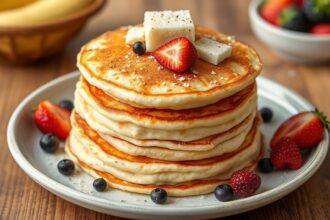
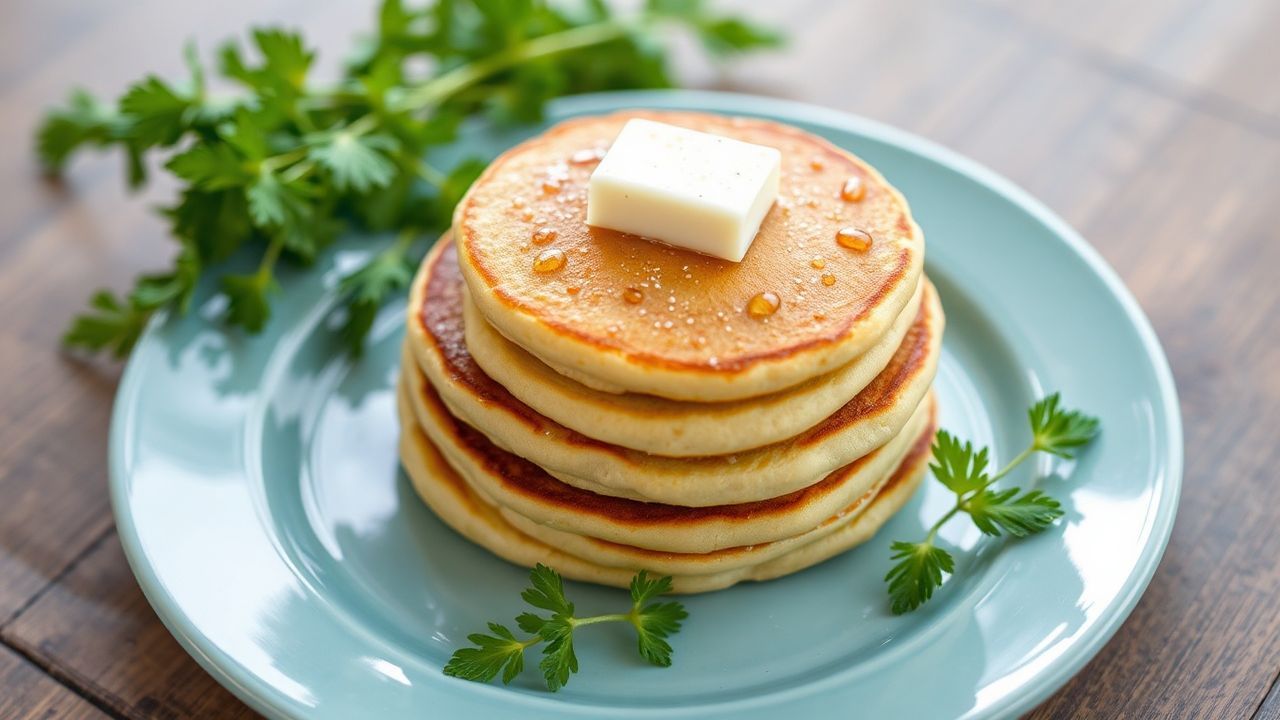
Imagine waking up to the warm aroma of golden pancakes, then biting into a light stack that tastes pleasantly nutty and smells like garden herbs. Fluffy Chickpea Flour Pancakes with Fresh Herbs deliver a tender center, a lightly crisp edge, and a savory-herb finish that feels both comforting and bright.
- Why Chickpea Flour Makes Pancakes Fluffy
- Choose Fresh Herbs for Bright, Savory Flavor
- Ingredients and Timing Overview
- Ingredients List
- Step-by-Step Instructions for Fluffy Pancakes
- Tips for Success with Herb-Infused Pancakes
- Serving Suggestions That Match the Flavor Profile
- Nutrition (Per Serving Estimate)
- Q&A: Fluffy Chickpea Flour Pancakes with Fresh Herbs
- What makes chickpea flour a good choice for pancakes?
- Can I use dried herbs instead of fresh?
- How do I keep the pancakes fluffy instead of dense?
- Are these pancakes naturally gluten-free?
- Can I make the batter ahead of time?
- Future Outlook: A Herb-Forward Pantry Staple
At a Glance
- Gluten-free by design: chickpea flour provides structure without wheat flour.
- Higher protein: chickpea flour adds more protein per serving than many refined flours.
- Herb-forward flavor: parsley, chives, and thyme keep each bite fresh and savory.
- Fast schedule: you can make the batter and cook the pancakes in under 25 minutes.
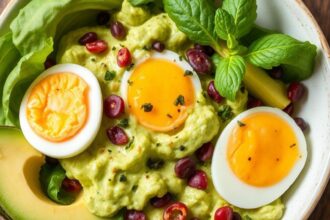
These pancakes suit people who want a gluten-free, protein-packed breakfast with real flavor. They also work well as a savory brunch base for eggs, yogurt, or a simple avocado mash.
Below, you’ll learn how chickpea flour behaves, how to balance fresh herbs, and how to cook pancakes that stay fluffy. You’ll also find timing targets, batter checks, and serving ideas to match your taste.
Why Chickpea Flour Makes Pancakes Fluffy
Chickpea flour comes from dried chickpeas, then ground into a fine powder. It naturally contains protein and fiber, which helps pancakes hold together and keep a tender crumb.
For texture, think of chickpea flour as a “structure builder.” It absorbs liquid as it hydrates, so the batter thickens slightly and sets well on the pan. If you want a useful science anchor, review the role of protein in food structure and texture.
Because this batter does not rely on wheat gluten, your mixing approach matters. Use gentle whisking, then rest briefly to let the flour fully hydrate.
Herbs also change perception of texture. Fresh herbs add aroma and a light bite of flavor without making the batter heavy, so the pancakes still feel airy and clean on the palate.
Choose Fresh Herbs for Bright, Savory Flavor
Parsley, chives, and thyme give a balanced herb profile: leafy brightness, mild onion notes, and a gentle earthy background. Use chopped herbs to distribute flavor across every pancake.
If you’re unsure how herbs differ by type, it helps to remember that fresh herbs act mainly through volatile aroma compounds. Read more about plant-based aromas in herbs and how culinary herbs function.
Keep the herb blend measured. When you add too much, the batter can feel wet and fragile. When you add too little, you lose the “garden” effect that makes these pancakes stand out.
Finish with black pepper for a warm, savory lift. Pepper also supports the herbs’ aroma by adding a sharp, fragrant top note.
Once you keep herbs dry and chopped small, you can fold them in without overmixing.
Ingredients and Timing Overview
This recipe makes about 8 medium pancakes (serves 4). You get fluffy stacks with a simple ingredient list you can find in most kitchens.
Plan your cook time before you start. Pancakes move fast, and you’ll want the pan hot before batter touches the skillet.
Prep and cook time
- Preparation: 10 minutes
- Cooking: 15 minutes
- Total: 25 minutes
Difficulty
This is an easy recipe. If you can whisk and flip, you can cook it successfully.
Your main task is batter control: use a pourable-thick consistency and avoid overmixing.
Ingredients List
Use the exact amounts for reliable results. Chickpea flour brands vary slightly in grind and absorbency, so sticking to the recipe helps keep pancakes fluffy.
For reference on what chickpeas are, see chickpeas. They’re the source of chickpea flour and the reason these pancakes taste naturally nutty.
- 1 cup chickpea flour, sifted
- 1 teaspoon baking powder
- 1/2 teaspoon baking soda
- 1/2 teaspoon sea salt
- 1/2 teaspoon ground cumin (optional)
- 1 cup buttermilk or unsweetened plant-based milk with 1 tsp lemon juice
- 2 large eggs, lightly beaten
- 2 tablespoons olive oil, plus extra for cooking
- 2 tablespoons fresh parsley, finely chopped
- 1 tablespoon fresh chives, finely chopped
- 1 teaspoon fresh thyme leaves, finely chopped
- Freshly cracked black pepper, to taste
Step-by-Step Instructions for Fluffy Pancakes
Follow each step in order. The sequence helps the leavening work and helps chickpea flour hydrate evenly.
If you want an extra clarity check on leavening basics, review baking powder and how it’s designed to release gas during cooking.
- Combine dry ingredients: In a large bowl, whisk chickpea flour, baking powder, baking soda, sea salt, and cumin (if using) until evenly blended.
- Mix wet ingredients: In a second bowl, whisk eggs, buttermilk (or plant milk + lemon), and olive oil. Pour into the dry mix and stir until you get a smooth batter. Avoid overmixing.
- Fold in fresh herbs: Gently fold in parsley, chives, and thyme. Add black pepper. Keep the batter as intact as possible.
- Rest the batter: Rest 5 minutes at room temperature. This step hydrates the flour and improves texture.
- Heat the pan: Preheat a non-stick skillet or griddle over medium heat. Lightly brush with olive oil. A drop of water should sizzle.
- Cook: Pour about 1/4 cup batter per pancake. Cook 3–4 minutes until edges look set and bubbles appear.
- Flip and finish: Flip carefully. Cook 2–3 minutes until golden and cooked through.
- Keep warm: Transfer to a warm plate and cover loosely with foil while you cook the rest.
Use the first pancake as a test. If it spreads too much, your batter likely needs a spoonful more chickpea flour.
Tips for Success with Herb-Infused Pancakes
Small adjustments make a big difference in chickpea flour pancakes. Use these checks to lock in fluffiness and keep the herbs tasting fresh.
Also, remember that skillet heat affects browning. Pancake color tells you more than time alone.
- Balance herb infusions: Parsley and chives bring brightness; thyme adds a gentle earthiness. Chop herbs small so they distribute evenly.
- Batter consistency: Aim for a pourable-but-thick batter. If it’s too stiff, add milk 1 tablespoon at a time. If it’s too thin, add chickpea flour 1 tablespoon at a time.
- Freshness matters: Fresh herbs taste stronger and keep color vibrant. If you use pre-chopped herbs, pat them dry and shorten your rest time to reduce extra moisture.
- Make-ahead option: Mix batter up to 2 hours ahead and refrigerate. Bring to room temperature before cooking for even rising.
- Cooking surface: Non-stick or a well-seasoned cast-iron griddle gives reliable browning and easy flipping.
- Doneness check: Chickpea flour pancakes can feel delicate. Wait for edge setting and visible bubbles before flipping.
Serving Suggestions That Match the Flavor Profile
These pancakes work best with toppings that add either creaminess or a tangy contrast. Yogurt does both, and a squeeze of lemon boosts the herbs’ “fresh” quality.
Try a savory plate with a fried egg and roasted cherry tomatoes. The hot pan and juicy tomatoes create a balanced bite: crisp edge, tender crumb, and savory topping.
For a simple sauce, whisk Greek-style yogurt with salt, black pepper, and lemon juice. You can also stir in extra chopped herbs at the end.
If you enjoy plant-based meals, use an avocado spread instead of dairy. For background on avocado nutrition and culinary uses, see avocado.
For texture, add toasted seeds or pine nuts on top right before serving. Toasting brings a nutty crunch that complements chickpea flour’s flavor.
Nutrition (Per Serving Estimate)
Nutrition values depend on exact brands and portion size. This estimate assumes the ingredient amounts listed and a yield of 4 servings.
Use it as a directional guide rather than a medical measurement.
| Calories | Protein | Carbohydrates | Fat |
|---|---|---|---|
| 220 kcal | 10 g | 25 g | 7 g |
If you want to understand how calories relate to macronutrients, the overview in macronutrient can help you interpret the numbers.
Q&A: Fluffy Chickpea Flour Pancakes with Fresh Herbs
What makes chickpea flour a good choice for pancakes?
Chickpea flour naturally contains protein and fiber, which support structure in a batter without wheat. That helps pancakes set and stay tender while still developing browning on the edges.
It also gives a mildly nutty flavor that pairs well with savory herbs.
Can I use dried herbs instead of fresh?
Yes, but fresh works best for aroma and color. If you use dried herbs, start with about half the amount and add them after mixing so the flavor distributes without thinning the batter further.
Expect a more concentrated, less “garden” taste compared with fresh parsley and chives.
How do I keep the pancakes fluffy instead of dense?
Don’t overmix. Stir just until the batter smooths out, then rest for 5 minutes so chickpea flour hydrates. Overmixing can make pancakes tougher.
Also cook on medium heat and wait for bubbles before flipping. That timing helps the center cook through evenly.
Are these pancakes naturally gluten-free?
They are gluten-free when made with pure, uncontaminated chickpea flour and other gluten-free ingredients. Always check labels on baking powder and any plant-based milk.
For background on gluten-free diets, see gluten-free diet.
Can I make the batter ahead of time?
Yes. Mix up to 2 hours ahead, then refrigerate. Bring the batter to room temperature before cooking to improve consistency and browning.
For the best flavor, fold in fresh herbs right before cooking if possible.
Future Outlook: A Herb-Forward Pantry Staple
Once you learn the batter rhythm—mix gently, rest briefly, cook on medium heat—you can repeat this method with new herb mixes and toppings. That makes chickpea flour pancakes a practical, gluten-free option for everyday breakfasts.
Chickpeas and other legumes keep showing up in modern cooking because they add flavor, protein, and a filling bite. If you want broader context, browse legume to see how legumes connect across cuisines.
Next time you’re planning a savory brunch, treat these pancakes like a base. Add herbs, eggs, yogurt, or roasted vegetables, and you’ll get a plate that tastes fresh, not heavy.
Happy cooking—and enjoy the herb aroma that makes every stack feel special.
See also: Fluffy Chickpea