


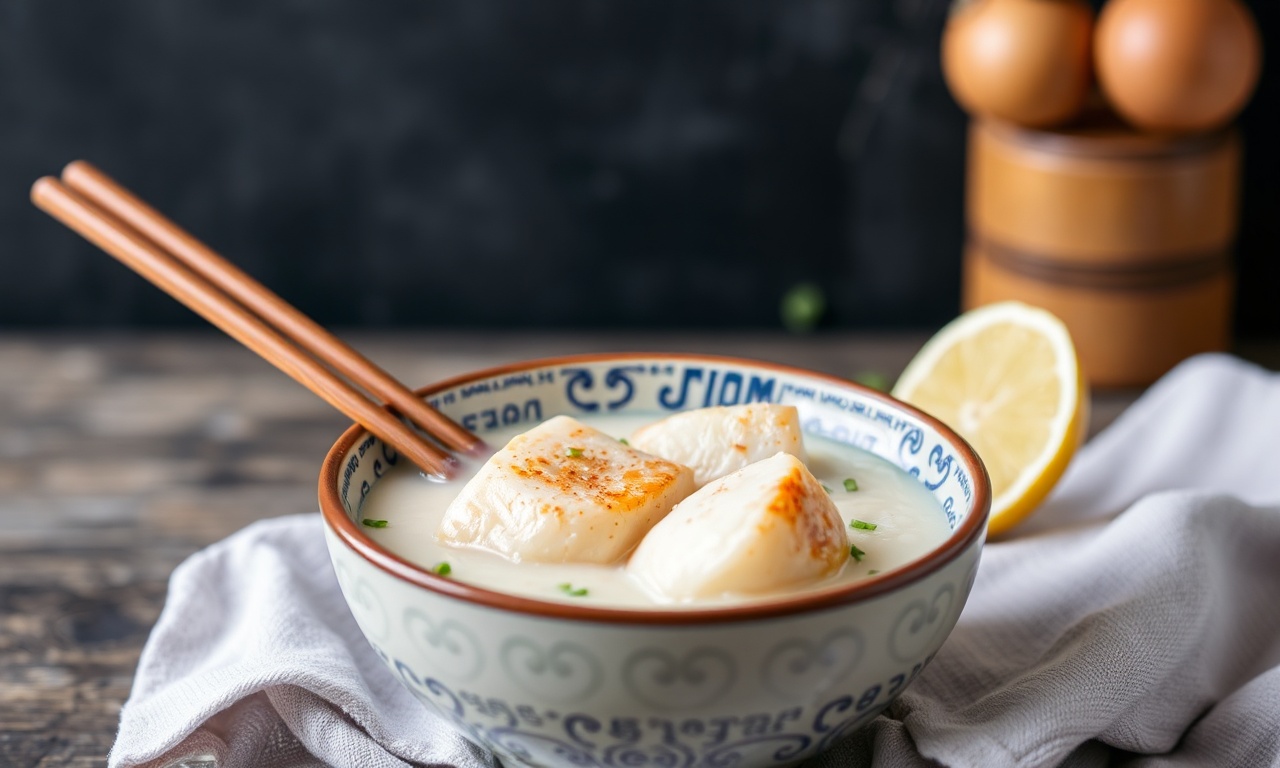
Warm Ginger Fish Congee: Fast Comfort With Tender Fish
Ginger fish congee turns plain rice into a silky porridge that feels warm, soft, and easy to eat. You cook the rice until it breaks down, then add fish gently so it stays tender and flakes clean. This recipe takes about 90 minutes from start to finish and suits weeknights, recovery meals, or cold mornings.
- Warm Ginger Fish Congee: Fast Comfort With Tender Fish
- Ingredients That Build Flavor Without Overcomplicating
- Timing: How to Get a Silky Congee in 90 Minutes
- Step-by-Step Recipe: Ginger Fish Congee With Tender Fish
- What you’ll need (serves 4)
- 1) Rinse and prep
- 2) Bloom aromatics
- 3) Toast the rice for deeper body
- 4) Simmer until the rice breaks down
- 5) Add ginger at the right moment
- 6) Poach fish gently
- 7) Finish with seasoning and sesame aroma
- Common Problems and Quick Fixes
- Make-Ahead, Storage, and Reheating Without Losing Texture
- Variations That Fit Your Taste and Pantry
- Why This Bowl Feels Comforting Yet Light
- FAQ
- Rice starch = silkiness: simmer until grains fully soften.
- Ginger timing matters: add after the base thickens.
- Gentle fish poaching: cook on low heat for flake-ready texture.
- Reheat with liquid: congee thickens fast as it cools.
Congee thickens when rice starch disperses into the hot liquid. When the starch spreads evenly, the pot shifts from loose to velvety. For the science behind that shift, see rice and how grains behave during cooking.
Ingredients That Build Flavor Without Overcomplicating
This congee works because each ingredient has a clear job. Rice builds the base, aromatics bring depth, ginger adds warmth, and fish provides protein. Keep the ingredient list focused, then season at the right moments to stay balanced.
To understand how this dish fits into warm grain comfort food, review porridge. Congee follows the same logic: warm, soft texture plus simple flavors that pair well with broth.
Core ingredients
Use rinsed jasmine rice or another medium-grain rice. Rinsing removes loose surface starch, so the final bowl stays smooth instead of overly gummy. For a broad guide to grain types, see rice.
Choose a mild white fish fillet such as cod, sea bass, tilapia, or sole. Firmer fish holds shape during gentle poaching and flakes nicely. Cut pieces to about 1 inch so they cook evenly in the final stage.
Aromatics and seasonings
Sauté garlic and the white parts of green onions. This step blooms flavor before the pot turns starchy. Then add fresh ginger later, so aroma stays bright instead of cooked and muted.
Season with salt and white pepper. White pepper blends well in light broths, but black pepper works too. If you want quick context on spices and how they change flavor, see spice.
Optional umami boost
For extra depth, add 1–2 teaspoons soy sauce or fish sauce after you poach the fish. Keep the amount light so congee tastes clean and warm, not salty. Soy and fish sauce add savory notes that pair naturally with ginger.
For food-handling basics around fish, you can use fish as a general reference. The key idea stays simple: cook gently, then stop at flake-ready doneness.
Timing: How to Get a Silky Congee in 90 Minutes
Congee needs steady time during the rice breakdown phase. Once the rice turns creamy, the rest moves quickly. Aim for porridge texture first, then finish with ginger and fish.
Work in a clear cooking flow. Stir early to distribute starch, slow down as the base thickens, and keep heat low when fish enters. That order protects both texture and flavor.
Recommended timeline
0–15 minutes: Rinse rice, prep ginger and aromatics, and cut fish. Keep fish chilled until the last stage.
15–55 minutes: Sauté aromatics, lightly toast rice, then simmer until rice breaks down. Stir every 10 minutes, and stir more often near the end to prevent sticking.
55–70 minutes: Stir in ginger, then simmer briefly for a fresh aroma.
70–90 minutes: Add fish and poach gently until it flakes. Season, finish, and serve.
Texture targets you can actually measure
At about 45–60 minutes, the rice should look soft and swollen. The liquid should coat a spoon, and the trail should close slowly.
If the pot feels too thick, add hot water or hot broth a splash at a time. If it feels too thin, simmer longer and stir more often to help starch disperse evenly.
Step-by-Step Recipe: Ginger Fish Congee With Tender Fish
Use a large pot for best results. A wider surface area helps heat move evenly and keeps your simmer stable. Stir early, then use gentler movement once fish goes in.
For best control, keep a ladle nearby. It makes it easier to check thickness without scraping the bottom.
What you’ll need (serves 4)
Rice: 1 cup jasmine rice, rinsed and drained.
Liquid: 6 cups water or low-sodium chicken broth.
Fish: about 300 g firm white fish fillet, skin removed, cut into 1-inch pieces.
Ginger: 2 tablespoons fresh ginger, finely julienned or grated.
Aromatics: 3 cloves garlic, minced; 2 stalks green onion, whites and greens separated.
Fats: 1 tablespoon vegetable or light olive oil; 1 teaspoon sesame oil (finish).
Seasoning: salt and white pepper to taste.
Garnish: green onion greens and fresh coriander or cilantro.
Optional: 1–2 teaspoons soy sauce or fish sauce.
1) Rinse and prep
Rinse the rice under cold water until the water runs clearer. Drain well, then chop garlic and green onion, grate or julienne ginger, and cut fish.
Prep first because the congee phase runs smoothly. When the pot turns hot, you need speed once fish enters.
2) Bloom aromatics
Heat oil in a large pot over medium heat. Add garlic and the white parts of green onion, then cook for 1–2 minutes until fragrant.
Stir so garlic does not brown too much. Dark browning shifts flavor toward bitterness and dulls ginger’s clean warmth.
3) Toast the rice for deeper body
Add rinsed rice and stir for about 60 seconds. This lightly toasts the grains and helps the porridge taste fuller.
Pour in water or broth. Bring to a boil, then reduce to a gentle simmer and partially cover. Stir occasionally so rice does not stick.
4) Simmer until the rice breaks down
Simmer until the texture looks creamy and the grains soften into the liquid. This usually takes 40–55 minutes depending on rice and stove heat.
Stir every 10 minutes, then check consistency near the end. If the pot thickens too fast, add hot liquid to keep a smooth porridge flow.
5) Add ginger at the right moment
When the congee thickens, stir in fresh ginger. Simmer about 5 minutes to keep ginger aromatic.
Ginger flavor depends on volatile aroma compounds. Adding ginger later gives you brighter notes because you avoid long, aggressive boiling. If you want background, see ginger.
6) Poach fish gently
Lower the heat so the simmer stays gentle, not rolling. Add fish pieces in a single layer if you can. Cook about 8–10 minutes until opaque and easy to flake.
Stop cooking as soon as the fish turns opaque. Fish keeps cooking from residual heat, so overcooking can lead to dryness.
7) Finish with seasoning and sesame aroma
Season with salt and white pepper, then stir in sesame oil right before serving. Top each bowl with green onion greens and coriander.
If you use soy sauce or fish sauce, add it right before finishing. That timing keeps the broth balanced instead of overpowering the ginger.
Check the base at minute 55. If it coats a spoon and still looks slightly loose, you can add ginger and then fish. If it looks thin, simmer a bit longer first.
For precise control, stir in hot water one tablespoon at a time. Hot liquid dissolves quickly and prevents temperature drops that slow fish poaching.
Once fish goes in, a rolling boil can break down protein and dry the flesh. Watch for small bubbles, not hard bubbling, and stop when the fish flakes easily.
If the fish looks nearly done, turn off the heat. Carryover cooking finishes it without pushing texture into rubbery territory.
Common Problems and Quick Fixes
Congee gets easier when you spot patterns early. Most issues come from simmer strength, liquid level, or timing. Use these fixes so you do not waste a full pot.
Keep notes for your stove. Small changes in burner power can shift cook time by 5–10 minutes.
Congee turned too thick
Add hot water or hot broth in small amounts, then stir until smooth. Simmer 3–5 minutes to re-integrate starch into the liquid.
Also remember this dish keeps thickening as it cools. If you plan to eat later, aim slightly looser than your final bowl.
Congee turned too thin
Simmer longer and stir more often so starch disperses. A gentle simmer works best; a rolling boil can scorch the bottom while leaving the top watery.
Add 5–10 minutes, then reassess. Thin congee can still thicken, but rushing the fix often leads to uneven texture.
Fish looks dry or rubbery
This usually means you poached it too hard or too long. Lower the heat to small bubbles only, and add fish after the ginger phase.
If fish overcooks, serve immediately. You cannot fully reverse dryness, but hot serving keeps the whole bowl enjoyable.
Ginger tastes flat
If ginger tastes muted, you likely cooked it too long. Add ginger after the base thickens, and keep the simmer gentle so aroma does not fade.
For stronger bite, grate ginger for more surface area. Then stir it in closer to the fish stage.
Make-Ahead, Storage, and Reheating Without Losing Texture
Ginger fish congee works well for meal prep because the rice starch holds and reheats. Still, reheating needs extra liquid since congee thickens in the fridge.
Cool the pot quickly to keep texture stable. Then reheat gently so fish stays tender.
How to store
Cool quickly, then refrigerate in a sealed container. Keep it for up to 2–3 days.
For longer storage, freeze portions. Expect a softer texture after thawing, but flavor stays strong when you reheat well.
How to reheat
Reheat on the stove over low to medium heat. Add a splash of hot water or broth, then stir until the bowl turns creamy again.
Microwaving also works. Stir halfway through to reduce lumps, and avoid high power that can overcook leftover fish.
Also note that fish continues to change texture as it warms. Keep the reheating time short and watch the simmer closely.
Variations That Fit Your Taste and Pantry
You can customize ginger fish congee while keeping the same base technique. Swap the fish, adjust the rice type, or change the garnish style. The process stays consistent: build a creamy base, then finish gently.
When you vary one ingredient, adjust the timing slightly. Fish thickness and rice type drive most changes.
Switch fish types
Cod, sea bass, tilapia, and sole work well because they tolerate gentle poaching. If you use a fattier fish, keep ginger seasoning slightly lighter so it does not get masked.
Avoid very delicate fillets if you want clean flakes. Smaller cuts cook faster, and they can turn dry if you poach too long.
Thicker congee with different rice
Short-grain or congee-specialty rice breaks down more readily. If you want a thicker, spoon-sturdy bowl, reduce total liquid a bit.
If you keep jasmine rice, simmer longer to reach your thickness target. Small timing changes help you dial it in without changing the method.
Extra aromatics (still balanced)
You can add a touch of white pepper earlier or use extra ginger if you like heat. Use restraint so ginger stays fresh rather than cooked.
For herbs, cilantro and scallions keep the dish bright. Pickled vegetables add crunch and acidity, which balances the rice’s mild sweetness.
Why This Bowl Feels Comforting Yet Light
Comfort in congee comes from texture and warmth. The starch makes the broth feel silky, and ginger plus green onion signals rest and recovery to your senses.
Because this recipe uses no cream or butter, it feels lighter than many rich soups. You still get satisfying carbs from rice and protein from fish, while the broth stays clean.
Gentle digestion-friendly structure
Many people find rice porridge easier to eat when appetite dips. Soft grains and warm liquid often feel less heavy than dry meals.
Food preferences vary, but the technique supports a mild eating experience. For general context on warm grain dishes, see porridge.
Ginger warmth with controlled intensity
Ginger adds heat, aroma, and a clean finish. Fresh ginger keeps its character when you add it late instead of simmering for a long time.
If you want botanical context, read ginger. It explains why ginger flavor can stand out even with short cooking windows.
FAQ
Can I use brown rice for ginger fish congee?
Yes, but brown rice takes longer and usually needs more liquid. Simmer until the grains fully soften, then finish with ginger and fish. Expect a nutty taste and a slightly firmer texture than jasmine congee.
Because brown rice releases starch more slowly, check thickness at 60–70 minutes and adjust with hot broth as needed.
What’s the best way to keep fish tender?
Poach fish in the last 8–10 minutes on a gentle simmer. Cut pieces evenly and add fish only after the ginger step.
Watch for opacity and easy flaking. Stop cooking right away so the texture stays soft.
Why does my congee turn gummy instead of silky?
Most times, the rice did not get rinsed well or the simmer ran too hot. Rinse until the water runs clearer, then cook on a gentle simmer.
Stir often enough to keep starch evenly distributed. That prevents thick clumps and creates the smooth spoon-coating texture.
How thick should ginger fish congee be?
A good target is spoon-coating porridge. It should flow slowly but still look fluid in the bowl.
If it thickens after cooling, loosen it with hot broth during reheating. Stir until silky again.
Is this congee suitable for meal prep and reheating?
Yes. Store for 2–3 days and reheat on the stove with added hot liquid. Stir frequently and warm gently to avoid re-boiling fish.
Keep reheating time short so the fish stays tender and the rice stays smooth.
See also: ginger fish congee