
Healthy, Low-Carb Zucchini Stir-Fry in 20 Minutes
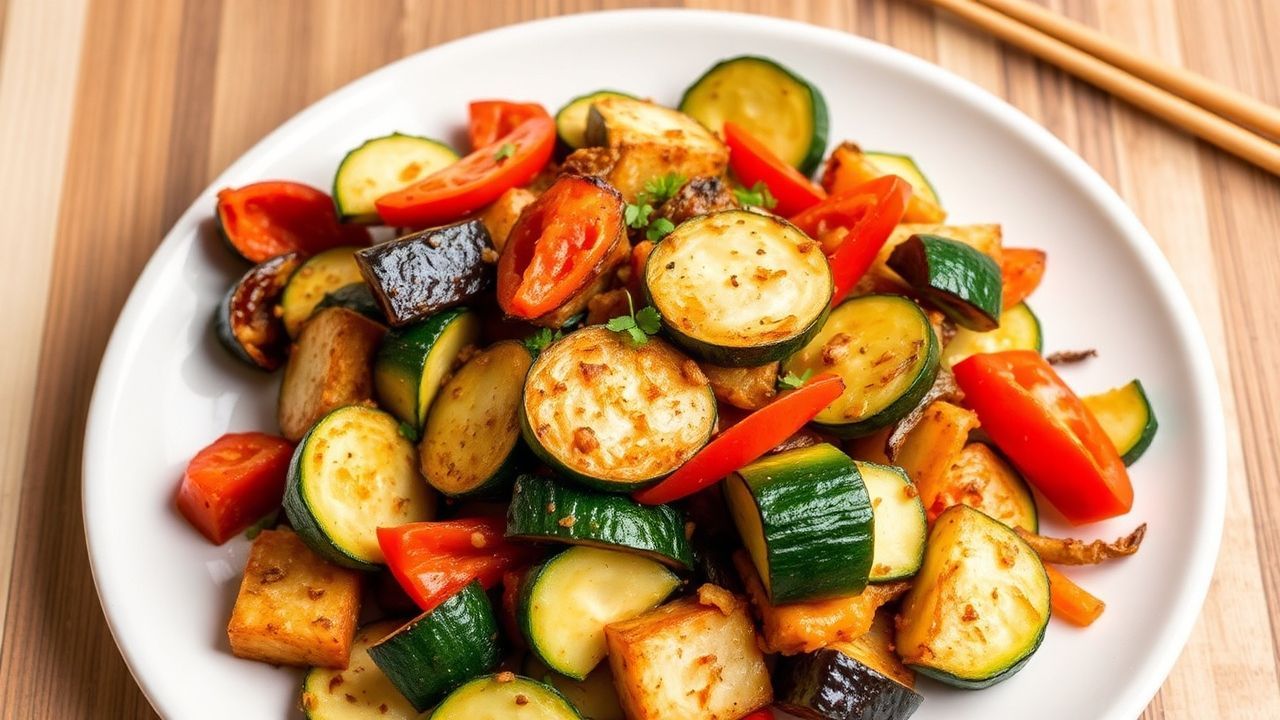
When you want a meal that feels light but still hits hard on flavor, this low-carb zucchini stir-fry delivers. It cooks fast, tastes savory and bright, and keeps zucchini crisp instead of soggy.
- Healthy, Low-Carb Zucchini Stir-Fry in 20 Minutes
- Why Zucchini Works So Well for Low-Carb Stir-Fry
- Flavor Architecture: Build Depth Without Sugar
- Ingredients for the Best 20-Minute Low-Carb Zucchini Stir-Fry
- 20-Minute Step-by-Step: Crisp Zucchini Stir-Fry Method
- Prep and cook timeline
- Step 1: Preheat and set up
- Step 2: Aromatics first (short burst)
- Step 3: Cook bell pepper and snap peas
- Step 4: Add zucchini last
- Step 5: Sauce and finish
- Pro-Caution: Avoid Watery Zucchini (It Happens Fast)
- Expert Tips for Maximum Flavor Per Carb
- Serving Ideas That Stay Light (No Heavy Starches Required)
- Nutritional Snapshot (Typical Values)
- Meal Prep and Leftovers (How to Keep It Crisp)
- FAQ
You also get a practical stir-fry method: hot pan, quick cooking, and a sauce added at the right moment. That timing matters because zucchini releases water quickly when heat stays low or the pan runs crowded.
At a Glance
- Tender-crisp texture by cooking zucchini last and keeping the heat high.
- Bold low-carb flavor from garlic, ginger, soy/tamari, and sesame oil.
- Fast workflow with one pan and simple prep—ideal for weeknight dinners.
- Easy customization for heat level, veggie mix, and protein pairing.
Why Zucchini Works So Well for Low-Carb Stir-Fry
Zucchini fits low-carb eating because it stays low in calories and carbs while bringing plenty of volume. Its mild flavor gives you a blank canvas for strong aromatics like garlic and ginger.
It also cooks quickly because most of what you feel as “bulk” is water. If you understand that, you can control the texture: hot sear first, then brief cooking so you avoid steaming.
For more context on the food itself, you can review zucchini and see why it’s a common low-carb vegetable choice.
The texture rule: sear, don’t steam
Stir-fry works when food hits a hot surface and browns at the edges. Zucchini can still brown, but only if the pan gets hot and you keep pieces spaced.
If you crowd the pan, zucchini steams in its own moisture. Steam blocks browning and turns “crisp-tender” into “soft and watery,” even if your seasonings taste great.
Fiber and plant compounds support a fuller meal
Zucchini also adds dietary fiber, which supports digestion and helps meals feel more satisfying. Fiber won’t replace protein, but it improves the overall “full” feeling of your plate.
If you want a broader nutrition refresher, dietary fiber covers why fiber matters for diet quality and satiety.
Flavor Architecture: Build Depth Without Sugar
Great stir-fry flavor comes from layered seasoning, not a single ingredient. Start with aromatics, then add savory sauce after the vegetables have already warmed and browned.
You’ll notice the difference most when you finish with lime or herbs. Fresh acid lifts sesame and soy flavors and keeps the dish tasting “clean,” even though it’s rich.
The essential flavor set
Garlic and ginger create the backbone. They add sharp, fragrant notes that taste strong even when you avoid added sugar.
Soy sauce or tamari provides salty umami. For a quick grounding in the concept of umami, check umami.
Sesame oil timing (why it tastes better at the end)
Toasted sesame oil adds a nutty aroma that can fade if you cook it too long. Add it at the end or during the final minute so the scent stays vibrant.
Also, keep your sauce amount controlled. With zucchini’s water release, too much liquid makes the pan “boil” and dilutes flavors.
Ingredients for the Best 20-Minute Low-Carb Zucchini Stir-Fry
This version uses quick-cooking vegetables so you can finish in under 20 minutes. Everything slices thin, so the heat can work fast and evenly.
Pick firm zucchini with a relatively smooth skin. Firmer squash holds its texture better during high-heat cooking.
Core ingredients
- Zucchini: 3 medium, sliced into thin half-moons
- Bell pepper: 1 red, julienned
- Snap peas: 1 cup (trimmed)
- Garlic: 3 cloves, minced
- Fresh ginger: 1 tbsp, grated
Savory, low-carb sauce
- Neutral oil: 2 tbsp (avocado oil or similar)
- Low-sodium soy sauce or tamari: 2 tbsp
- Toasted sesame oil: 1 tsp (finish)
- Crushed red pepper: 1/4 tsp (optional)
- Lime juice: 1 tbsp (finish)
Finishing boosts
- Cilantro (or basil): 2 tbsp, chopped
- Sesame seeds: 1 tbsp
20-Minute Step-by-Step: Crisp Zucchini Stir-Fry Method
This workflow protects texture. You cook the quick-crisp vegetables first, then add zucchini at the end so it stays tender-crisp.
Prep everything before you heat the pan. Stir-fry rewards speed, and zucchini needs a short window of heat.
Prep and cook timeline
Prep: ~10 minutes (slice everything)
Cook: ~8 minutes
Total: ~18–20 minutes
Step 1: Preheat and set up
Use a large skillet or wok. Preheat it over medium-high heat until it feels hot when you hover a hand above the surface.
Add oil and let it shimmer. Shimmering signals that the pan is ready to sear instead of steam.
Step 2: Aromatics first (short burst)
Add garlic and ginger. Stir for about 30 seconds—just until fragrant. If garlic browns too fast, lower heat slightly.
This short burst creates aroma quickly without burning. It also prevents bitter flavors from overcooking aromatics.
Step 3: Cook bell pepper and snap peas
Add bell pepper and snap peas. Stir-fry for ~2 minutes so they turn bright and crisp-tender.
Remove them to a plate if your pan runs small. Crowding slows everything down and increases steaming.
Step 4: Add zucchini last
Add zucchini and stir gently. Cook for ~3–4 minutes, stirring often, until it looks glossy and tender-crisp.
When the edges show light browning, you’re in the right zone. That browning comes from high-heat cooking and supports deeper flavor.
If you want the science behind that browning, Maillard reaction explains why quick high heat tastes so good.
Step 5: Sauce and finish
Pour in low-sodium soy sauce (or tamari) and stir for about 1 minute. Add crushed red pepper now if you want heat.
Turn off the heat and stir in toasted sesame oil, lime juice, and herbs. Finish with sesame seeds right before serving.
Pro-Caution: Avoid Watery Zucchini (It Happens Fast)
Zucchini releases water as it heats. If your pan stays crowded or heat remains too low, zucchini steams and the stir-fry turns watery.
Keep pieces thin, use a wide pan, and stir frequently. Once the pan looks dry enough and zucchini turns glossy, you’re close to the finish.
Instead, aim for short cooking cycles: pepper and snap peas first, zucchini last, sauce at the end. This approach matches zucchini’s water behavior and keeps the dish lively.
Expert Tips for Maximum Flavor Per Carb
You don’t need sugar to taste sweet. Stir-fry flavor comes from salt, umami, aromatics, and fresh acid.
Also, control moisture. When the pan reduces slightly before sauce hits, the final dish tastes more concentrated.
[ TIP]Expert Insight: Treat seasoning like a build order. Season aromatics first, add soy/tamari only after vegetables reach crisp-tender, then finish with lime and herbs so the top notes stay bright.[/TIP]
Upgrade options (still low-carb)
Swap snap peas for asparagus tips, broccoli florets (small), or baby bok choy. Keep pieces similar in size so they cook in the same window.
Add protein if you want a full meal. Cook shrimp or thin chicken slices first, then remove and stir-fry vegetables. Finish by combining everything briefly so the pan stays hot.
If you want a technique overview, stir-frying explains why heat, timing, and rapid movement matter.
Serving Ideas That Stay Light (No Heavy Starches Required)
This stir-fry works as a side or a main. Pair it with lean protein for satiety without adding much carbohydrate.
It also pairs well with low-carb bases. Cauliflower rice soaks up sauce, but the zucchini stays bright because you’re not drowning it in starch.
Best low-carb pairings
- Chicken (grilled or pan-seared)
- Shrimp (quick sear, then combine)
- Tofu (pan-browned for crisp texture)
- Egg (soft scramble or sunny-side topping)
For a low-carb veggie base idea, see cauliflower.
Nutritional Snapshot (Typical Values)
Exact nutrition varies by zucchini size and sauce brand. Still, a typical serving stays light and low-carb thanks to zucchini and controlled sauce.
Use this as a planning guide, then adjust if you swap vegetables or increase soy sauce.
- Calories: ~110
- Protein: ~3 g
- Carbohydrates: ~8 g
- Fat: ~7 g
- Fiber: ~2 g
Meal Prep and Leftovers (How to Keep It Crisp)
You can prep vegetables ahead, but cook the stir-fry fresh if possible. Pre-sliced veggies save time and reduce stress during cooking.
Leftovers taste good, but zucchini can soften as it sits. Reheat quickly and don’t overcook in the pan.
Best storage practice
Store in an airtight container in the fridge. Use within 1–2 days for best texture.
Reheat in a hot pan for 1–2 minutes. Add a teaspoon of water only if the sauce has dried out.
FAQ
What makes zucchini ideal for a low-carb stir-fry?
Zucchini brings volume with relatively few carbs. It also cooks quickly, so you get a hot, flavorful dish without long cooking times.
Its mild taste helps sauces like soy/tamari and toasted sesame oil shine.
How do I keep my stir-fry from getting watery?
Use a wide pan, keep heat medium-high to high, and avoid overcrowding. Stir frequently and cook zucchini last so it stays tender-crisp.
Stop cooking when zucchini looks glossy and lightly browned at the edges.
Can I make this keto-friendly and gluten-free?
For keto, use a sauce with no sugar. For gluten-free, choose tamari or a certified gluten-free soy sauce.
Always check labels because brands vary in added ingredients.
What protein goes best with zucchini stir-fry?
Shrimp, chicken breast, tofu, and eggs pair well. Add the protein first (or use pre-cooked), then stir-fry vegetables and finish by combining briefly.
This keeps everything hot and protects the crisp texture.
What’s the best way to add heat without overpowering the flavor?
Use crushed red pepper flakes and start with a small amount. You can also add chili paste in tiny doses, but keep the sauce portion controlled.
Finish with lime and herbs to balance spice with bright acidity.
See also: low-carb zucchini