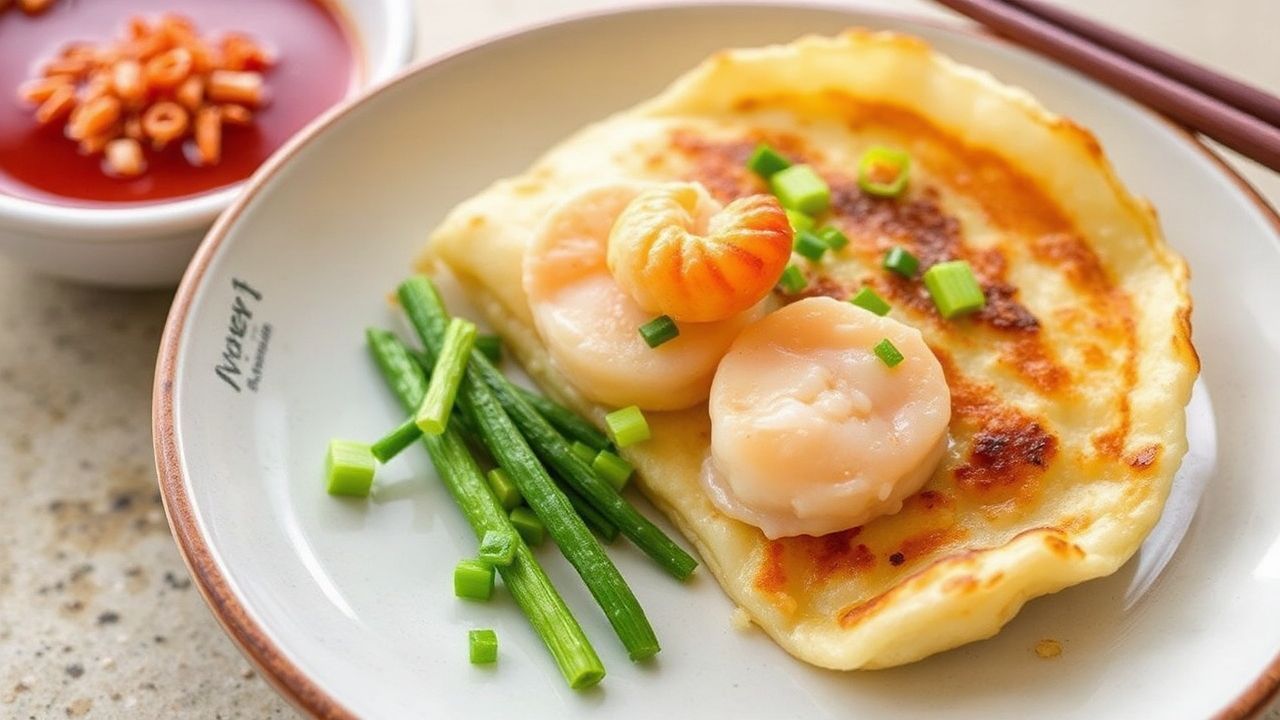
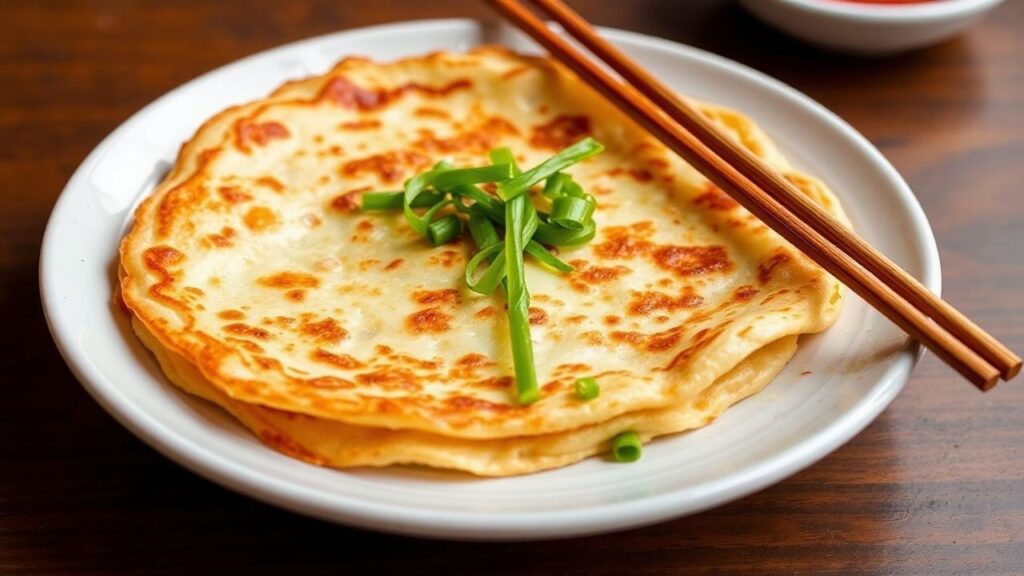
Nothing beats a hot, crisp bite of crispy seafood & scallion pancakes when the edges shatter and the center stays tender. The mix of ocean-fresh seafood and sharp scallion aroma creates a flavor profile that feels both comforting and bright.
- The Key to Crispy Seafood & Scallion Pancakes
- Master the Heat for Golden, Even Browning
- Structure Matters: Batter Thickness and Resting
- Dry Ingredients Prevent Sogginess
- Scallions, Seafood, and Flavor Balance
- Why Scallion Aroma Works So Well
- Season Like an Editor: Small Changes, Big Results
- Choose Seafood That Cooks Fast
- How to Serve Crispy Seafood & Scallion Pancakes
- Prep and Cook Time
- Yield
- Difficulty Level
- Ingredients for Crispy Seafood & Scallion Pancakes
- Instructions
- Tips for Success
- Serving Suggestions
- Nutritional Information (per serving)
- In Summary
- FAQ
At a Glance
- Use a rested, not-too-thin batter for crisp edges.
- Dry seafood and scallions to prevent soggy pancakes.
- Cook on medium heat for even browning and a fully cooked center.
- Serve fast, then keep them crisp with a wire rack.
Rooted in pan-fried comfort, this dish also fits modern tastes. You can keep it simple or add spice, and you can swap seafood types as long as you control moisture.
In this guide, you’ll learn the essential ingredients, cooking method, and practical troubleshooting steps. You’ll also get pairing ideas and a Q&A section to help you nail the crunch every time.
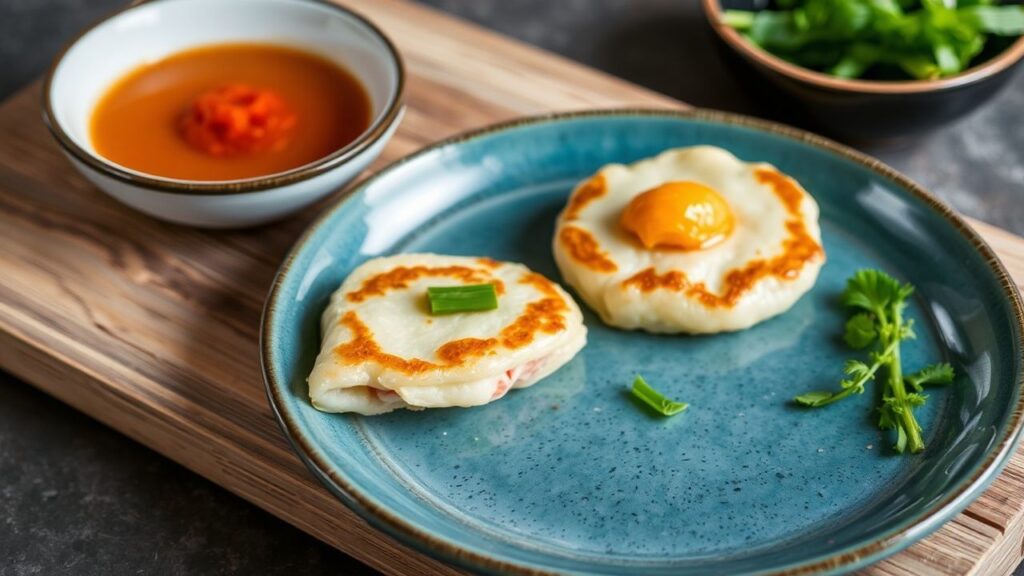
The Key to Crispy Seafood & Scallion Pancakes
Crispiness comes from two working systems: batter structure and frying control. When those two align, you get a golden crust that stays crisp instead of turning rubbery or limp.
First, you need a batter that can hold seafood and scallions without collapsing. Then, you need a skillet hot enough to set the outer layer quickly while the inside cooks through.
Master the Heat for Golden, Even Browning
Use medium heat for steady frying. High heat browns too fast and can leave the center undercooked, while low heat makes the pancakes absorb more oil.
Look for a gentle sizzle and stable bubbles at the surface. If bubbles surge wildly, your oil runs too hot; if they barely appear, your pan runs too cool.
Structure Matters: Batter Thickness and Resting
Whisk until smooth, then let the batter rest briefly. Resting hydrates flour and helps the batter thicken slightly, which supports crunch.
If you want extra insurance, aim for a batter consistency closer to a thick pour than a thin crepe batter. For flour science, see how flour hydration affects texture.
Once the first pancake sets, you can tune your next rounds without wasting time. This approach also helps you learn how your skillet behaves with your chosen oil.
Dry Ingredients Prevent Sogginess
Moisture breaks crisp texture. Pat shrimp dry and use thinly sliced scallions that aren’t watery from heavy washing or excess liquid.
Seafood proteins tighten as they cook, but extra water fights browning. For broader background on protein behavior, you can review protein cooking and denaturation on Wikipedia.
Cook in small batches and keep a wire rack nearby. This setup keeps airflow around each pancake so the exterior stays crisp.
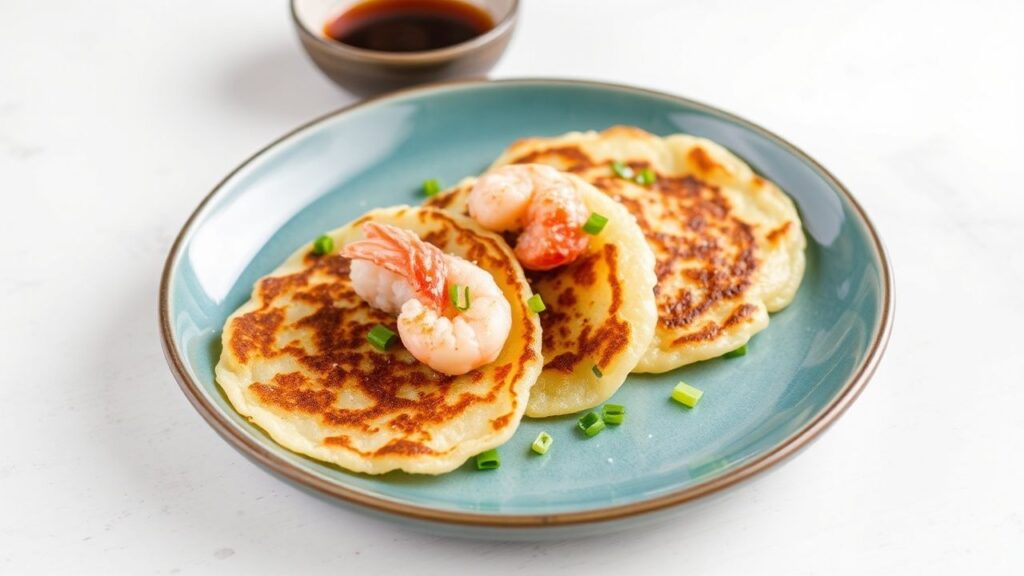
Scallions, Seafood, and Flavor Balance
Flavor balance starts with the right ratio. Scallions should brighten each bite, and seafood should deliver gentle sweetness and briny depth.
The goal is not to hide seafood under heavy seasoning. Instead, use measured salt, white pepper, and mild umami to support the natural taste.
Why Scallion Aroma Works So Well
Scallions add a mild onion character plus a clean green finish. Thin slices increase surface area, so you taste more scallion per bite.
Stir scallions in last so they keep their vivid look and fresh flavor. For culinary context, you can read about Allium plants and their characteristic aromas.
Season Like an Editor: Small Changes, Big Results
Start with kosher salt and white pepper. Then add umami through toasted sesame oil and seafood’s own natural savor.
If you want extra lift, use a tiny pinch of chili flakes. Keep heat low so it doesn’t overpower the delicate seafood profile.
Choose Seafood That Cooks Fast
For best results, use shrimp, scallops, or finely chopped firm white fish. Quick-cooking seafood keeps the center tender without drying out.
Also consider uniform sizing. When every piece cooks at the same rate, the pancake stays tender instead of turning some bites overcooked.
For food safety and fresh handling, use the cooking logic behind safe seafood storage. You can also review seafood handling principles to understand why moisture and temperature control matter.
How to Serve Crispy Seafood & Scallion Pancakes
Serve right after cooking. Crisp edges soften quickly once pancakes cool, especially if they sit on a plate.
Place cooked pancakes on a wire rack and garnish right before serving. That timing keeps the crust crisp and the scallion fragrance vivid.
Best Dipping Sauces for Crunchy Pancakes
A good dip cuts richness and boosts flavor contrast. Try a simple mix of soy sauce, rice vinegar, and a drop of toasted sesame oil.
If you like a sharper profile, add minced ginger. Ginger’s warm note pairs well with both scallions and seafood.
Pair With Fresh Sides
Balance the fried texture with a cool, crisp side. A cucumber salad with sesame oil works well because it adds crunch without adding more fried fat.
Another option is sautéed greens. They add a mild bitterness that helps cut through the pancake’s savory depth.
Prep and Cook Time
Preparation: 20 minutes. This includes chopping scallions and prepping the seafood.
Cooking: 15 minutes. Cooking time varies with batch size and skillet thickness.
- Total Time: 35 minutes
Yield
This recipe makes about serves 4 as an appetizer. For a main meal, it serves around 2.
If you’re hosting, plan to cook in batches. You’ll serve hot pancakes faster when you have a clear cooking rhythm.
Difficulty Level
Medium. The method is straightforward, but crisp results depend on heat control and moisture management.
If you’re new to pan-frying, start with one test pancake. After that, you can repeat the same technique for the rest of the batch.
Ingredients for Crispy Seafood & Scallion Pancakes
- 1 cup all-purpose flour, sifted
- 1/2 cup cold water
- 1 large egg
- 200g fresh shrimp, peeled, deveined, and finely chopped
- 2 large scallions, thinly sliced on the bias
- 1 garlic clove, minced
- 1 tsp kosher salt
- 1/2 tsp white pepper
- 2 tbsp vegetable oil (for frying)
- 1 tsp toasted sesame oil
- Optional: pinch of chili flakes
If you swap seafood, keep the cut size similar. That one choice affects how evenly your pancakes cook.
For broader background on ingredients, you can review shrimp nutrition and characteristics to understand why shrimp cooks quickly.
Instructions
Follow these steps in order. Each step builds toward crisp edges and a tender inside.
Read the flipping and resting notes carefully. Timing and airflow matter as much as seasoning.
- Prepare the batter: Whisk sifted flour, cold water, and egg until smooth. Rest 5 minutes to hydrate.
- Dry the seafood: Pat shrimp dry with kitchen paper to remove surface moisture.
- Mix ingredients: Fold in shrimp, garlic, salt, white pepper, and toasted sesame oil. Add scallions last.
- Heat the skillet: Warm a non-stick or cast-iron skillet over medium heat. Add 1 tablespoon oil and wait until it shimmers.
- Cook pancakes: Pour about 1/4 cup batter per pancake. Spread gently into a 5-inch round. Cook 4–5 minutes until the underside turns deep golden.
- Flip carefully: Flip with a spatula. Cook 3–4 minutes more until cooked through and crisp.
- Rest on a rack: Transfer to a wire rack, not a plate, to prevent steam-softening.
- Serve warm: Garnish with extra scallions and sesame seeds. Serve with a tangy soy-vinegar dip.
Tips for Success
Use these checks to troubleshoot quickly. Most crisp issues come from moisture or temperature, not from seasoning.
Keep your method consistent across batches. Then you can adjust only one variable at a time.
- Choose fresh seafood: Fresh shrimp or fish gives the best texture and flavor.
- Avoid overmixing: Stir gently so the batter stays tender.
- Control moisture: Dry seafood and keep scallions drained.
- Use moderate heat: Medium heat supports even browning and a fully cooked center.
- Make-ahead option: You can mix batter up to 15 minutes ahead, then bring to room temperature before frying.
- Try variations: Substitute shrimp with lump crab or finely chopped calamari.
For additional culinary theory on why pan-frying changes texture, you can review frying methods on Wikipedia.
Serving Suggestions
Serve crispy seafood & scallion pancakes as an appetizer with dipping sauce. They also work as a main when paired with rice and greens.
For a lighter meal, add steamed jasmine rice plus sautéed greens. The contrast of soft rice and crisp pancakes keeps each bite satisfying.
For extra color, top with microgreens. Finish with a light drizzle of chili oil if you want extra aroma and warmth.
To understand why vinegar brightens rich flavors, see vinegar and its common role in balancing savory dishes.
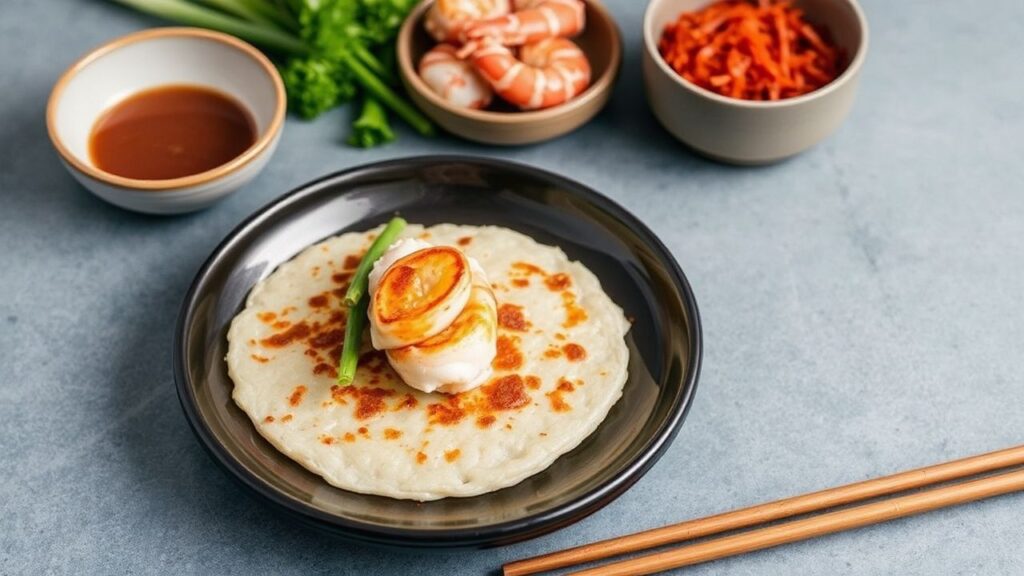
Nutritional Information (per serving)
Estimated nutrition for one serving assumes appetizer portions. Actual values change with seafood choice and oil absorption.
Use this as a planning guide when building your meal.
| Calories | Protein | Carbs | Fat |
|---|---|---|---|
| 280 kcal | 22 g | 25 g | 10 g |
For general dietary context, you can explore nutrition basics on Wikipedia.
In Summary
Crispy seafood & scallion pancakes deliver that rare mix of crunch and tenderness. You get it by balancing batter consistency, frying heat, and moisture control.
Cook in batches, rest pancakes on a wire rack, and serve while hot. When you follow these steps, every round comes out golden and reliably crisp.
FAQ
What makes crispy seafood & scallion pancakes unique?
The dish pairs a crisp pan-fried exterior with a tender, seafood-forward center. Scallions add a fresh, sharp aroma that lifts the savory base.
You also get a mix of textures in one bite: crunchy edges, soft inside, and juicy seafood pieces.
Which seafood works best for these pancakes?
Shrimp, scallops, and finely chopped white fish work especially well. They cook quickly, so the center stays tender while the exterior browns.
Use similar piece sizes for even cooking across every pancake.
How do I prevent soggy pancakes?
Dry the seafood thoroughly and slice scallions so they don’t release excess liquid. Then cook on medium heat so the crust sets before steam builds.
Finally, rest pancakes on a wire rack instead of stacking on a plate.
Can I make them gluten-free?
Yes, you can use a gluten-free blend designed for frying, or a mix of rice flour and tapioca starch. The goal is still structure plus crisp edges.
You may need a slightly thicker batter since gluten-free flours behave differently.
How far ahead can I prep the batter?
Prepare the batter up to about 15 minutes ahead and keep it at room temperature or lightly chilled. Bring it back to room temperature before frying for best texture.
Cook the pancakes right before serving so they stay crisp.
See also: Crispy pancakes