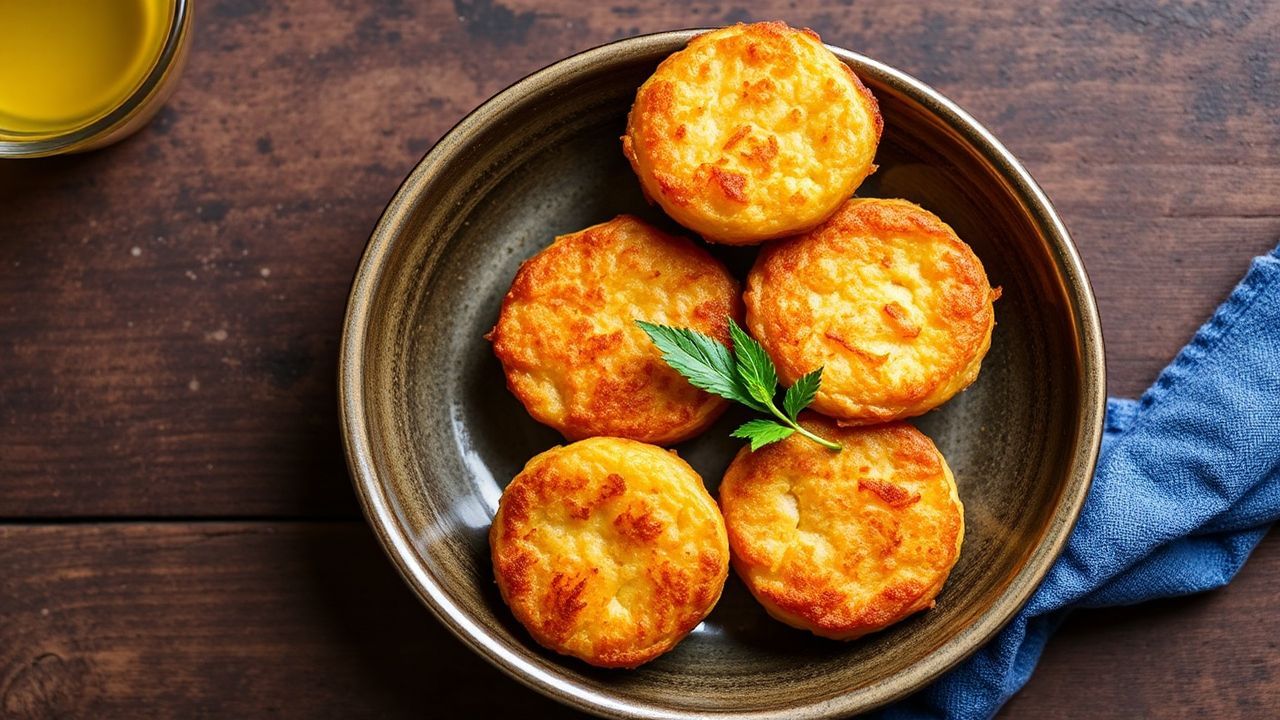
Golden, crispy, and meltingly tender, llapingachos are more than just potato cakes. They’re a savory emblem of Ecuadorian heritage and home cooking.
- Prep and Cook Time
- Yield
- Difficulty Level
- Ingredients
- Instructions
- Chef’s Notes: Tips for Success
- Serving Suggestions
- Origins and Cultural Significance of Crispy Llapingachos in Ecuadorian Cuisine
- Crafting the Perfect Crispy Llapingachos Step by Step
- Flavorful Fillings and Essential Accompaniments to Elevate Your Crispy Llapingachos
- Tips for Achieving the Ideal Crispness and Texture Every Time With Crispy Llapingachos
- FAQ
- Q: What exactly are llapingachos?
- Q: What makes crispy llapingachos different from other potato cakes?
- Q: How are llapingachos typically served in Ecuador?
- Q: What cheese works best for llapingachos?
- Q: Can I make llapingachos ahead of time?
- In Retrospect
These patties, crisped in a skillet and stuffed with melted cheese, pair well with ají sauces, fresh avocado, and tangy sides. They also travel well from busy market stalls to family tables across the Andean highlands.
- Crunch + melt: A crisp crust forms outside while cheese stays creamy inside.
- Moisture control: Dry potatoes help the cakes hold shape and fry evenly.
- Heat management: Medium oil keeps browning steady without soaking.
- Serve hot: Llapingachos taste best right after frying.
Whether you’re a curious foodie or a seasoned traveler, you’ll recognize the signature look fast: golden edges, a soft center, and a cheese pull when sliced. Next, you’ll learn the technique, timing, and flavors that make crispy llapingachos a repeat-order favorite in Ecuador.
From the first sizzle of potatoes to the final rest on paper towels, the method stays simple and practical. You’ll also find variations you can trust, plus pairing ideas that balance richness with fresh, bright flavors.
Crispy llapingachos are a cherished staple of Ecuadorian cuisine with roots in the Andean region. Potatoes became central to Andean food culture over centuries, and this dish reflects that long relationship between tubers and local dairy. For background on the broader history of potatoes, see potato.
Traditional llapingachos use mashed potato as the base, then seal cheese inside before pan-frying. I first tasted them during a market visit in Quito, where cast-iron pans sounded like a drumline and the aroma of toasted potatoes filled the aisle. The crisp crust and melted center made an instant impression.
That contrast—crunchy outside, tender inside—comes from controlled starch and careful sealing. It also relies on simple seasoning that lets cheese and potato taste the loudest. If you want to explore how Andean crops shaped regional meals, Andean cuisine offers useful context.
When done well, llapingachos taste rich but not heavy. They also work as a side or a main, depending on portion size and what you serve alongside.
Prep and Cook Time
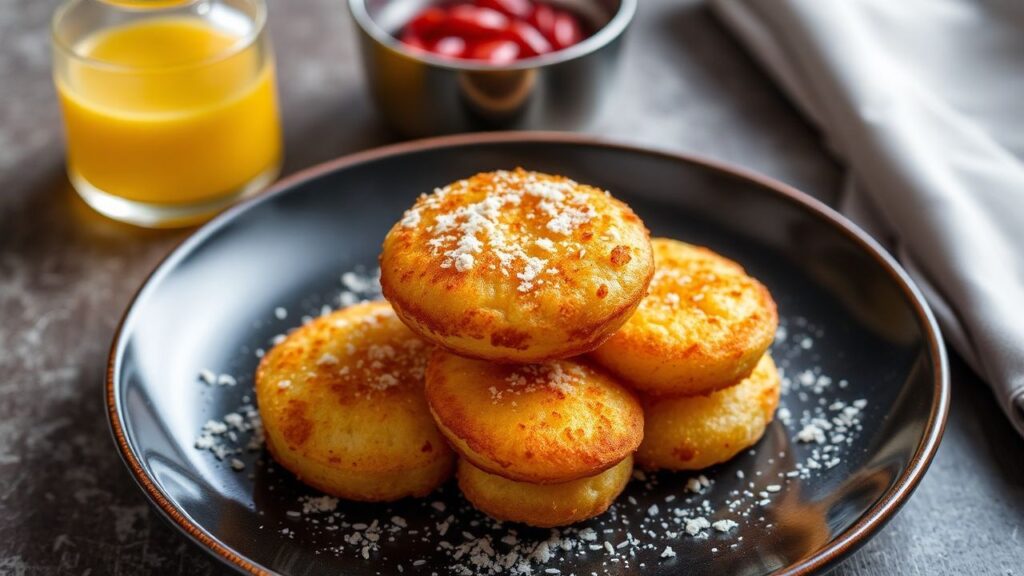
You can make crispy llapingachos in under an hour, even if you’re new to the technique. Plan a little extra time for mashing and shaping so the cakes fry evenly.
Readiness: 25 minutes
Cooking: 20 minutes
Total: 45 minutes
Yield
This recipe makes enough for a family-style meal. Expect about 12 llapingachos, depending on how thick you shape each patty.
Serves: 4–6 people (approx. 12 llapingachos)
Difficulty Level
The steps look long, but they’re mostly repeatable motions. You’ll boil, mash, season, then form sealed discs.
Difficulty: medium — some prep time, then straightforward frying
Ingredients
Use starchy potatoes for the best texture. Also choose cheese that melts smoothly so the center stays creamy after frying.
Ingredients:
- 2 pounds russet potatoes, peeled and chopped
- 1 cup shredded mozzarella or queso fresco
- 1 small red onion, finely chopped
- 2 cloves garlic, minced
- 1 teaspoon ground cumin
- 1 teaspoon achiote powder or paprika (for color)
- Salt and freshly ground black pepper, to taste
- 3 tablespoons vegetable oil, for frying
- Butter (optional, for extra richness)
If you’re curious about cheese in Latin American cooking, cheese gives a helpful overview of what makes certain cheeses melt better.
Instructions
Follow these steps in order. Each one supports texture: dry mash for structure, sealed center for melt, and steady oil for crisp browning.
- Boil the potatoes: Place peeled and chopped potatoes in a large pot and cover with cold salted water. Bring to a boil and simmer until tender, about 20 minutes. Drain thoroughly to remove excess moisture.
- Mash and season: While still warm, mash until smooth. Stir in onion, garlic, cumin, achiote powder, salt, and pepper. Mix until the seasoning looks evenly distributed.
- Form the cakes: Take a small handful of potato mixture and flatten into a thick disc. Place about a tablespoon of cheese in the center, then top with another small disc. Press edges firmly to seal.
- Heat the skillet: Warm oil (and optional butter) over medium heat in a heavy skillet. Butter adds aroma and browning, but oil alone works.
- Fry the llapingachos: Place cakes in the skillet without crowding. Fry about 5 minutes per side, turning carefully, until a deep golden crust forms. Adjust heat if they brown too fast.
- Drain and rest: Transfer to a plate lined with paper towels. Rest briefly so the cheese finishes melting without steaming the crust.
For a better understanding of frying temperature ranges and why oil choice matters, review frying. It explains how heat transfer affects browning and texture.
When you turn the cakes, use patience. Let the first side set until the crust looks firm, then flip in one smooth motion.
Chef’s Notes: Tips for Success
These notes help you dial in crispness and avoid cheese leaks. Use them as a checklist the first time you make llapingachos.
- Potato choice: Russets deliver a starchy, fluffy mash that fries well and holds shape.
- Keeping them sealed: Press edges until they look fused. This reduces cheese escape.
- Make ahead: Shape cakes up to a day ahead. Refrigerate covered, then fry fresh.
- Variation: Mix in finely chopped spinach or sautéed mushrooms for extra savory depth.
- Oil temperature: Aim for steady medium to medium-low heat for even browning.
If you want cultural context on how street markets and regional ingredients shape dishes, market explains why food traditions often spread through informal stalls and community gatherings.
Serving Suggestions
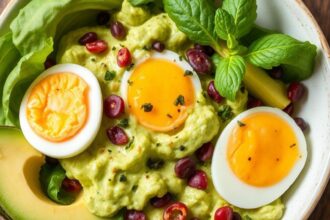
Llapingachos shine with toppings that cut through the richness. Ají sauce adds bright heat, while avocado cools the bite and balances the cheese.
Serve with a dollop of ají sauce, fresh avocado slices, and a simple green salad. For extra tang, add pickled red onions or a spoon of salsa criolla.
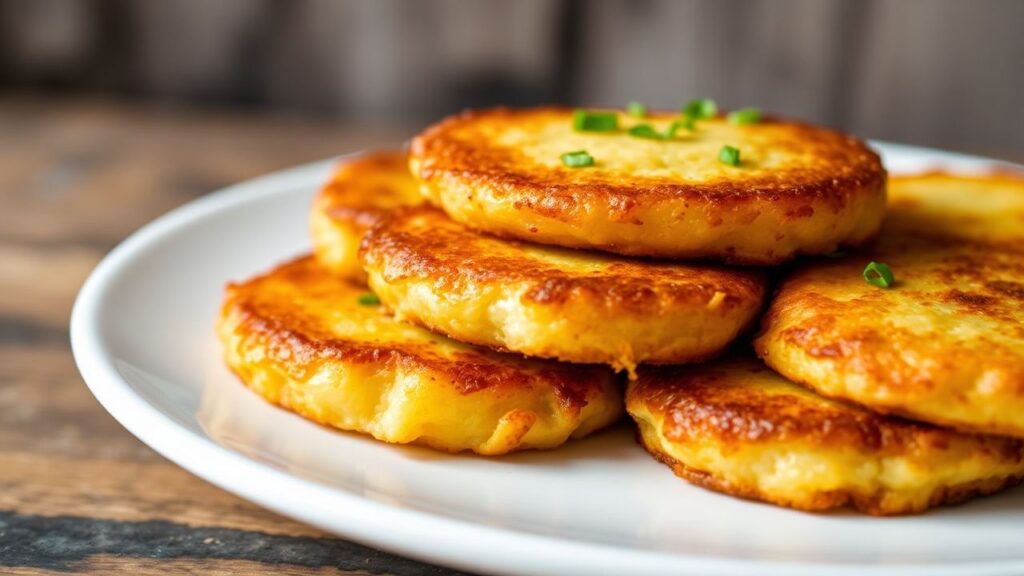
For garnish, use chopped cilantro or scallions. Pair your crispy llapingachos with Ecuadorian lentil soup or grilled vegetables if you want a fuller plate.
Cheese-forward dishes pair especially well with fresh acids. If you want a science-friendly view of why acidity brightens flavor, acid covers the basics of taste perception.
| Nutritional Info (per serving) | Calories | Protein | Carbs | Fat |
|---|---|---|---|---|
| Crispy Llapingachos | 320 kcal | 10 g | 45 g | 8 g |
Origins and Cultural Significance of Crispy Llapingachos in Ecuadorian Cuisine
The story of crispy llapingachos connects directly to Ecuador’s Andean food base: potatoes, local cheeses, and practical cooking methods. The Andes supported potato cultivation for a very long time, and many regional recipes grew around that staple.
Beyond nourishment, llapingachos often show up during market days, family get-togethers, and community celebrations. The dish works for groups because it stays hot in a skillet-to-table flow.
To place the dish within the wider region, you can explore the Andes. It helps explain why hardy tubers and hearty meals carry cultural weight across mountain life.
When Ecuadorians describe llapingachos as “comfort,” they mean more than taste. They link the crisp crust and melted cheese to shared meals and familiar rhythms.
Crafting the Perfect Crispy Llapingachos Step by Step
Perfect llapingachos depend on one skill: texture control. Start with a dry, warm mash that you can shape without cracks, then seal the cheese so it melts inside.
First, drain boiled potatoes well. Next, mash until smooth, then season thoroughly. After that, flatten thick discs so the cheese has room and the cakes don’t thin out in the pan.
When frying, use a heavy skillet so heat stays stable as the cakes hit the oil. For cookware background, cast iron explains why heat retention helps browning consistency.
Finally, rest the cakes after frying. Resting lets molten cheese set slightly, which improves sliceability without killing the crunch.
Flavorful Fillings and Essential Accompaniments to Elevate Your Crispy Llapingachos
Classic llapingachos keep the filling simple: mild cheese in the center. You still get big flavor from seasoning, browning, and the cheese’s melt quality.
If you want variation, add chopped herbs such as oregano, or fold in sautéed mushrooms for earthy notes. For a gentle heat boost, mix in finely chopped green chili with the potato base.
For accompaniments, ají sauce and avocado slices stay the winning combo. Ají delivers heat and tang, while avocado adds creaminess that softens the overall bite.
If you want to understand the broader role of chili peppers in regional cuisines, chili pepper offers helpful context on varieties and flavor profiles.
Tips for Achieving the Ideal Crispness and Texture Every Time With Crispy Llapingachos
Crispness comes from moisture management and stable frying heat. If your mash stays too wet, the cakes steam from the inside and the crust turns soft.
Press cakes firmly when shaping. Then fry at medium to medium-low heat to promote even browning. Flip only when the first side looks set and deep golden.
In many kitchens, 325°F–350°F is a practical target for steady pan-frying. Even if your stove differs, watch the color and adjust heat early rather than late.
For more context on why starch behaves differently when heated, starch explains the foundation of crisping and binding in potato-based foods.
When you drain on paper towels and rest briefly, you keep the crust crisp. Serve right away for the best melt-to-crunch balance.
Want more Ecuadorian inspiration? Visit your own recipe archive and pair llapingachos with a second warm dish like lentil soup. For reference on lentils, you can review lentil.
FAQ
Got questions about crispy llapingachos? These answers cover the most common issues home cooks run into, from cheese leakage to serving style.
Use this section as a quick troubleshooting guide while you cook.
Q: What exactly are llapingachos?
Llapingachos are traditional Ecuadorian potato cakes with a golden, crispy outside and a soft, cheesy interior. The base comes from mashed potatoes seasoned with local spices, then shaped around cheese.
Once sealed, they’re pan-fried until the crust browns deeply.
Q: What makes crispy llapingachos different from other potato cakes?
The key difference is the sealed cheese center. Many potato cakes rely only on potato for structure, but llapingachos build texture contrast by melting cheese inside.
This gives each bite both creaminess and crunch.
Q: How are llapingachos typically served in Ecuador?
Llapingachos are often served with ají sauce, avocado slices, and pickled sides. They work as a hearty breakfast or lunch and can also serve as a main with soup or vegetables.
Pairing matters: fresh or tangy elements keep the meal balanced.
Q: What cheese works best for llapingachos?
Use a mild cheese that melts well, such as mozzarella or queso fresco. The goal is a creamy center that stays inside the potato casing.
Cheese that melts too aggressively can ooze out, so seal the edges tightly.
Q: Can I make llapingachos ahead of time?
Yes. You can form the cakes up to a day ahead and refrigerate them covered. Fry them fresh for the best crispness and melt quality.
If you freeze uncooked patties, thaw fully before frying.
In Retrospect
As the golden crust of a well-fried llapingacho yields to a tender, cheesy center, it becomes clear why this dish lasts through generations. It’s not just a side—it’s a practical, flavorful comfort that fits Ecuadorian table culture.
When you fry with steady heat, seal the filling, and serve quickly, the result feels both homey and special. That balance of crisp and melt turns a simple potato cake into a memorable bite.
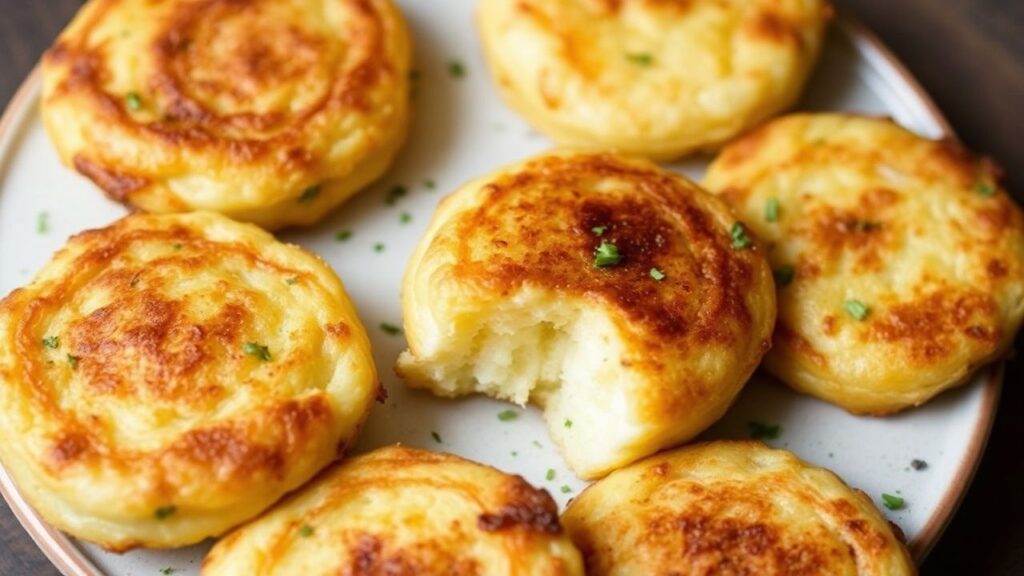
Whether you eat them at a market counter or at a family table, crispy llapingachos invite you to savor texture first, then flavor. If you want a dish that tastes like Ecuador, make a batch and share it warm.
See also: crispy llapingachos