


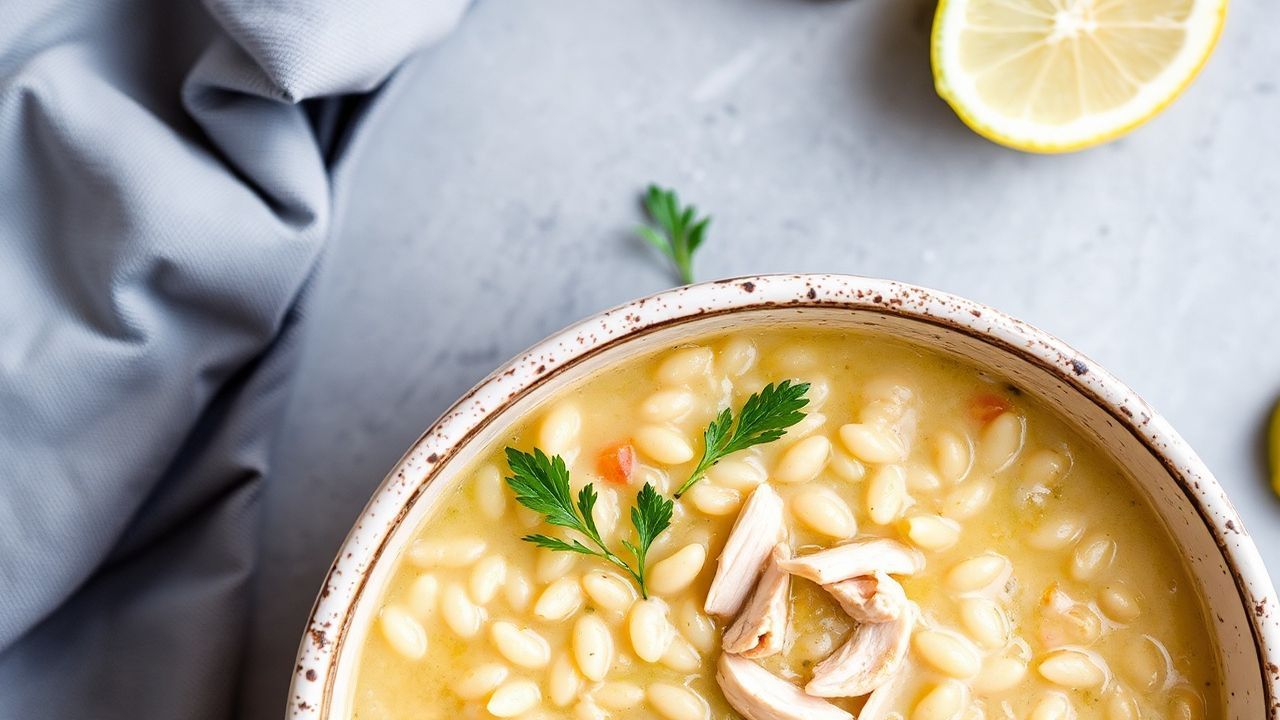
Zesty comfort should feel light, not heavy. This Creamy Lemon Chicken Soup with Orzo brings classic chicken soup comfort, then brightens it with real lemon for a clean, cozy bowl.
- Why This Soup Works: Comfort Meets Bright Lemon
- The flavor system: build savory first, add brightness last
- Orzo brings risotto-like comfort without constant stirring
- Ingredients You’ll Actually Taste (and What Each One Does)
- Core list for 6 hearty bowls
- Best chicken options for tender soup
- Cream vs dairy-free: pick for texture, then protect it
- Step-by-Step: Creamy Lemon Chicken Soup with Orzo (Without Curdling)
- 1) Build the savory base
- 2) Cook orzo until just shy of al dente
- 3) Temper the cream for a silky finish
- 4) Finish with lemon brightness (and let it rest)
- Timing Rules That Guarantee the Right Texture
- Make-Ahead, Storage, and Reheating That Stay Creamy
- Variations: Make It Your Own Without Losing the Zesty Balance
- Herb swaps for different “chicken soup” vibes
- Spice levels that match lemon
- Different proteins with the same method
- Serving Ideas: Make the Bowl Feel Complete
- Nutritional Snapshot (Approximate)
- FAQ
Orzo adds a warm, hearty texture that thickens as it simmers. Tempered cream creates a silky finish without the grainy look you get from boiling dairy.
- Orzo thickens naturally without flour or a roux.
- Lemon goes in late to protect the zesty aroma.
- Temper cream to keep the texture smooth.
- Rest the soup so the starch settles and flavors fuse.
Why This Soup Works: Comfort Meets Bright Lemon
Traditional chicken soup builds flavor with vegetables, herbs, and broth. This version keeps that foundation, then adds lemon as a top note that lifts everything you taste.
Lemon acidity does more than taste sour. It balances the fat in the cream, so the whole bowl reads as bright and complete instead of flat. For the chemistry behind that balance, see citric acid.
The flavor system: build savory first, add brightness last
Start with aromatics like onion, carrot, and celery. Cook them until they soften and sweeten, because browning and softening reduce raw sharpness in the base.
Simmer with broth just long enough to merge flavors. Then add cream and lemon near the end, since high heat can mute delicate citrus notes. For a clear overview of how cooking changes taste, review flavor.
Orzo brings risotto-like comfort without constant stirring
Orzo is small pasta that releases starch into the broth as it cooks. That starch naturally thickens the soup and gives you a spoon-coating texture.
Orzo also keeps absorbing liquid after you turn off the heat. For pasta behavior and cooking dynamics, see pasta. That’s why you aim for “nearly al dente” and then rest the soup briefly.
Ingredients You’ll Actually Taste (and What Each One Does)
You don’t need fancy ingredients, but you do need clear roles. Chicken broth builds depth, chicken adds protein and body, and lemon delivers the bright contrast that keeps the bowl from feeling dull.
Cream makes the texture cohesive, so every bite feels smooth. Choose fresh lemon zest and juice for aroma, good broth for backbone, and full-fat dairy for the creamy finish.
Core list for 6 hearty bowls
Use this set as a reliable baseline. Keep broth to orzo in the same range so the texture lands thick, not stodgy.
Olive oil, onion, carrot, celery, garlic, low-sodium chicken broth, cooked shredded chicken, orzo, lemon zest + lemon juice, heavy cream, dried oregano, salt, black pepper, and fresh parsley for garnish.
Best chicken options for tender soup
Rotisserie chicken saves time and tastes reliably good. If you use leftovers from roast or grilled chicken, shredded breast or thigh both work.
Thigh stays tender after warm-up, so it resists drying during the orzo finish. If you want a broader protein overview, see chicken.
Cream vs dairy-free: pick for texture, then protect it
Heavy cream forms a stable creamy emulsion when you temper it gently. If you prefer dairy-free, full-fat coconut milk can add richness with a softer texture.
Whatever you use, control the temperature. Dairy (and some milk substitutes) can break if heated aggressively after tempering. For the basic concept of mixtures that stay smooth, see emulsion.
Step-by-Step: Creamy Lemon Chicken Soup with Orzo (Without Curdling)
This method follows one clear order: sauté, simmer, cook orzo, then temper cream, and finish with lemon. If you follow the steps, you get smooth cream plus tender pasta.
You’ll also avoid long hard boils after cream enters. That small change keeps the soup glossy instead of grainy. It also helps you keep the lemon aroma lively.
1) Build the savory base
Heat olive oil in a large pot over medium heat. Add chopped onion, diced carrot, and celery, then sauté until softened, about 6–8 minutes.
Stir often so the vegetables cook evenly. Add minced garlic and cook about 1 minute, just until fragrant, then pour in chicken broth and simmer gently for 10 minutes.
2) Cook orzo until just shy of al dente
Stir in the orzo and simmer until nearly al dente, about 8–10 minutes depending on brand. Orzo releases starch, so stir occasionally to prevent sticking.
Taste one piece and aim for “tender but still firm.” Add shredded chicken and warm it through for 3–4 minutes while the soup stays at a gentle simmer.
3) Temper the cream for a silky finish
Whisk lemon juice, lemon zest, dried oregano, and heavy cream in a bowl. This pre-mix helps the dairy blend evenly before it hits the hot pot.
Lower heat to very gentle (or turn it off for a moment). Stir the cream mixture into the pot in a slow stream, then simmer gently for about 2 minutes to integrate.
Once the soup looks cohesive, adjust salt and black pepper to taste. Then cover and rest for 3–5 minutes so the orzo absorbs broth and the soup thickens naturally.
4) Finish with lemon brightness (and let it rest)
During the tempering step, the soup already gets lemon zest and juice. For extra “just zested” brightness, add a small splash of fresh lemon juice right before serving.
That last splash boosts aroma without overcooking citrus. If you want the zest character to stay vivid, keep zest with the cream mixture rather than early in the broth.
Timing Rules That Guarantee the Right Texture
Timing controls texture more than technique. Orzo keeps cooking after heat drops, so undercook slightly, then let the rest period finish the job.
Lemon also benefits from timing. If you simmer lemon too long, you lose aroma and the soup can taste less lively.
Orzo doneness: cook shy of al dente
If your orzo is fully al dente when you add cream, it will soften after simmering and resting. That can shift the soup from spoonable to slightly mushy.
When you reheat leftovers, add a splash of broth or water and warm gently. That rebalances the absorbed liquid and restores the creamy feel.
Cream temperature: gentleness beats speed
Temper cream gradually and keep heat low afterward. Then simmer briefly so the soup integrates without overheating the dairy.
If your pot runs hot, turn the heat lower than you think. This soup rewards calm cooking because it helps you maintain a stable creamy emulsion.
Make-Ahead, Storage, and Reheating That Stay Creamy
This recipe fits busy schedules. You can make it ahead, pack it for lunch, and reheat it without drama if you manage orzo absorption.
Flavors often taste better after resting overnight because aromatics and citrus settle into a balanced profile. Texture still changes as the pasta hydrates, though that’s easy to fix.
Storage guidelines
Store in airtight containers in the refrigerator for up to 3 days. Cool quickly so it stays safe, then divide into smaller portions for faster cooling.
When reheating, stir before serving. If the soup thickened too much, add broth or water a little at a time, and stir until smooth.
Freezing notes for best results
Freezing can work, but dairy soups sometimes change texture after thawing. If you plan to freeze, slightly undercook the orzo during the first cook.
Then temper cream on the day you serve, if possible. If you freeze as-is, reheat slowly and whisk gently to bring the texture back.
Variations: Make It Your Own Without Losing the Zesty Balance
You can customize this soup while keeping the core formula: savory base, tender orzo, creamy emulsion, and late lemon brightness. Change one element at a time so you don’t disrupt texture.
These swaps keep the lemon-forward character while giving you options for taste and dietary needs.
Herb swaps for different “chicken soup” vibes
Oregano brings a warm Mediterranean edge. For a more classic profile, use thyme instead and keep the simmer gentle.
If you want a brighter herbal finish, add dill at the end. Use dried herbs early and fresh herbs near serving to protect aroma.
Spice levels that match lemon
A small pinch of red pepper flakes adds gentle warmth that supports lemon. Keep the amount low if you plan to serve kids or prefer mild soup.
Stir spices into the aromatics early so heat spreads evenly. Then let broth simmer briefly so everything melds.
Different proteins with the same method
Turkey works as a direct swap for chicken. Keep the same cook pattern, and warm the already-cooked protein gently during the orzo finish.
If you use cooked sausage, taste for salt first. Sausage often brings enough seasoning, so you may need less added salt overall.
Serving Ideas: Make the Bowl Feel Complete
Even a great soup benefits from a good pairing. For this recipe, choose sides that handle creamy texture and lemon brightness without overpowering either.
Serve in warm bowls and finish with parsley and a lemon wedge for guests who want extra acidity.
Best pairings for creamy lemon chicken soup
Try crusty bread, garlic toast, or a light green salad. A salad with simple vinaigrette matches the lemon note and helps the meal feel balanced.
If you like wine, pick crisp styles that won’t fight citrus. You can also serve sparkling water with cucumber for a clean, refreshing feel.
Optional finishing drizzle
A small drizzle of olive oil adds aroma and a glossy mouthfeel. Use it lightly so the soup stays creamy, not oily.
If you track fat intake, skip the drizzle. The cream already delivers a rich texture and rounded flavor.
Nutritional Snapshot (Approximate)
Nutrition varies by brand, portion size, and whether you use breast or thigh meat. This estimate assumes a typical serving made with heavy cream and shredded chicken breast.
For most people, the bowl hits a solid protein base, satisfying carbs from orzo, and fat from cream that carries flavor.
| Per Serving | Estimated |
|---|---|
| Calories | ~320 |
| Protein | ~28g |
| Carbohydrates | ~25g |
| Fat | ~11g |
If you track macros, remember that pasta and cream brands vary. Still, the texture method stays the same regardless of exact nutrition.
FAQ
Can I use uncooked orzo and cook it longer?
Yes, but cook it to “nearly al dente,” then finish gently. Orzo keeps absorbing liquid during rest and reheating, so extra time can make it soft.
If you overcook at first, the soup thickens and turns less pleasant. Aim for tender but still firm, then let the rest handle the final texture.
When should I add the lemon so it stays zesty?
Add lemon zest and juice near the end, during the cream-tempering stage or just after. Avoid long simmering with lemon, or the aroma fades.
If you want extra pop, add a small splash of fresh lemon juice right before serving for the brightest finish.
How do I prevent the cream from curdling?
Temper the cream gradually and keep heat low after adding it. Avoid rolling boils, and stir steadily so the mixture integrates smoothly.
If your soup bubbles aggressively, reduce the heat before dairy goes in. Gentle cooking keeps the texture stable.
What if the soup gets too thick after storing?
Stir in broth or water a little at a time when reheating. Orzo absorbs liquid as it sits, so thinning is normal.
Start small, then add more only if needed. This keeps the flavor concentrated without watering down the lemon.
Can this be dairy-free?
Use full-fat coconut milk or another high-fat dairy-free option. Temper it the same way and keep heat gentle to protect texture.
Coconut milk can add a subtle flavor, which often works well with lemon. Taste and adjust salt and lemon to match your preference.
See also: Creamy lemon