

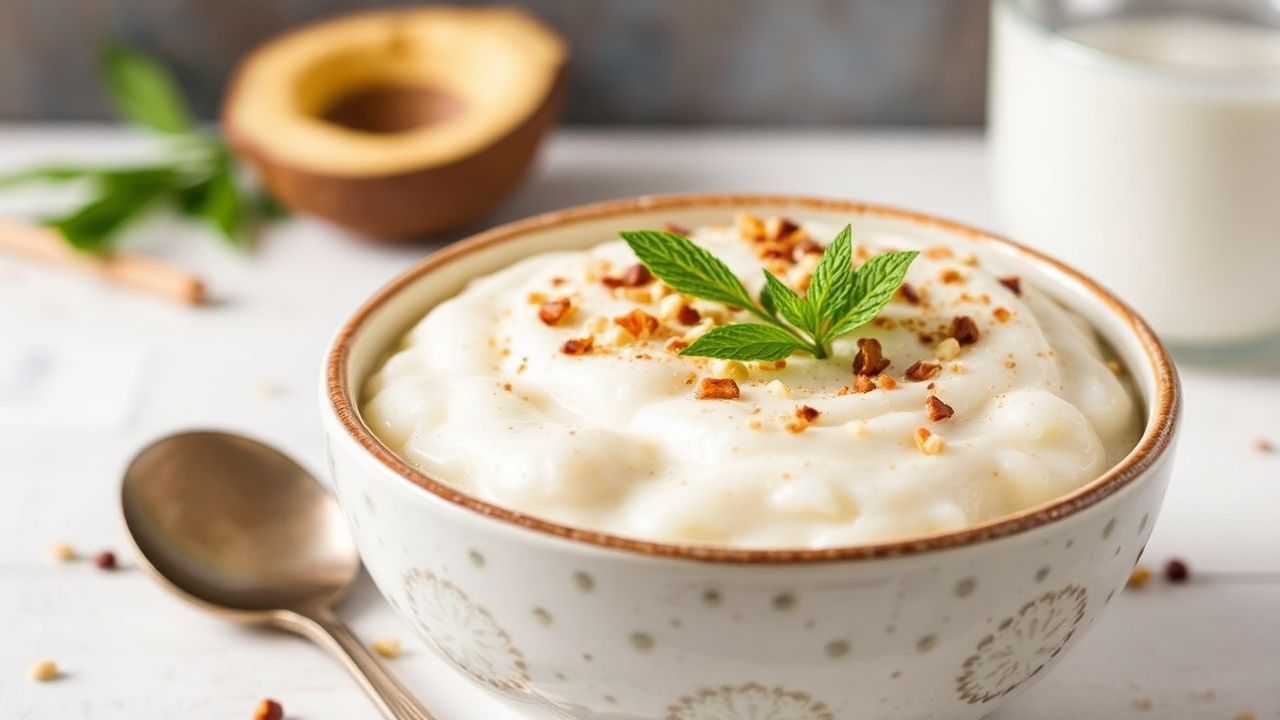
Nothing beats a warm, velvety Creamy Coconut Cardamom Rice Pudding when you crave comfort with a fragrant twist. This dessert blends creamy coconut milk, tender rice, and cardamom’s floral warmth into a spoonable finish that feels both familiar and special.
- What Makes Creamy Coconut Cardamom Rice Pudding So Good?
- Prep & Cook Time
- Yield and Difficulty
- Ingredients
- Instructions
- Tips for Success: Mastering Texture and Flavor
- Creative Serving Ideas to Enhance Your Creamy Coconut Cardamom Rice Pudding
- Tips for Storing and Reheating to Maintain Freshness and Taste
- Q&A
- What makes coconut and cardamom a perfect pairing for rice pudding?
- Can I use any type of rice for this pudding?
- How do I prevent the pudding from becoming too thick or sticky?
- Is it possible to make this recipe vegan and dairy-free?
- What are the best toppings for creamy coconut cardamom rice pudding?
- Wrapping Up
At a Glance
- Texture tip: Short- to medium-grain rice cooks up silkier because it releases more starch.
- Flavor driver: Lightly crushed cardamom pods perfume the whole pan without harsh bitterness.
- Best method: Gentle simmer plus frequent stirring prevents sticking and graininess.
- Serving win: Garnish with toasted coconut and pistachios for crunch and contrast.
This recipe focuses on practical technique—measured liquids, steady heat, and timing—so you can repeat the results. If you’ve ever had rice pudding turn too thick or too thin, this version solves that with a controlled simmer and a final consistency check.
Rice pudding shows up across many cuisines, and its core idea stays simple: cook rice until it softens, then enrich it until it turns creamy. To understand where that texture comes from, it helps to know how rice starch releases during cooking and thickens the liquid.
Cardamom adds an aromatic, slightly sweet spice note that pairs naturally with coconut’s rich fat profile. For spice context, review cardamom’s flavor traits—it’s why small amounts can still taste bold and fragrant.
What Makes Creamy Coconut Cardamom Rice Pudding So Good?
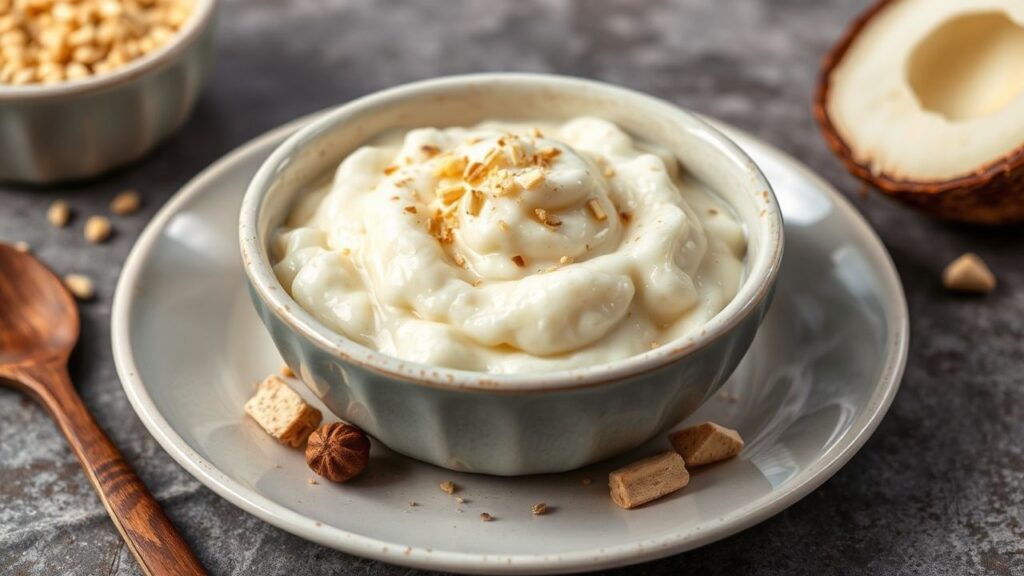
A great bowl starts with balance: creaminess from coconut milk, body from properly cooked rice, and fragrance from cardamom. When those elements align, the dessert feels thick enough to coat a spoon but smooth enough to eat without lumps.
Coconut milk contributes more than flavor; it helps create a richer mouthfeel. If you want the science behind emulsions and texture, see coconut milk basics and how it thickens when heated gently.
Cardamom works best when you bloom it briefly in the pan and then keep simmering at a low, steady pace. Too much heat can mute aromatics, while rushing the simmer can leave rice undercooked.
Finally, sweetness should support—not mask—the spices. That’s why this recipe uses sugar for a classic pudding taste, then you can adjust to preference after the final thickening phase.
Expert Insight:
Prep & Cook Time
You can make this dessert on a weeknight because it doesn’t require baking or specialized equipment. Plan time for simmering and a short cooling window before serving.
- Planning: 10 minutes
- Cooking: 40 minutes
- Total: 50 minutes
Cooling time matters for texture. Serve warm for a thinner, more spoonable bowl, or chill for a thicker, sliceable-feel pudding.
Yield and Difficulty
This recipe makes enough for a small family or a light dinner party. The method stays simple, and the main work comes from monitoring the simmer.
Yield: serves 4 generous portions
Difficulty Level: Easy
Ingredients
Use full-fat coconut milk for the creamiest results. If you prefer dairy-free consistency, the recipe already supports it with the milk choice below.
- 1 cup short-grain white rice, rinsed and drained
- 400 ml (1 can) full-fat coconut milk
- 2 cups whole milk or almond milk for a dairy-free option
- ¾ cup granulated sugar
- 6 green cardamom pods, lightly crushed to release seeds
- 1 tsp vanilla extract
- ¼ tsp fine sea salt
- 1 tbsp unsalted butter or coconut oil
- Toasted shredded coconut and chopped pistachios for garnish
- Fresh mango slices or raspberries for serving (optional)
Tip: If you can, use freshly cracked cardamom pods. Ground cardamom works, but pod-seeds give a brighter, more aromatic cup.
Instructions
Follow these steps in order. Each one builds the base flavor, then thickens the pudding without scorching.
- Toast the rice: In a heavy-bottom saucepan, melt the butter over medium heat. Add the rinsed rice and sauté for 3–4 minutes until slightly fragrant and translucent, stirring often to prevent browning.
- Infuse cardamom: Add the crushed cardamom pods to the rice. Pour in the coconut milk and whole milk, stirring until evenly combined.
- Simmer and stir: Bring to a gentle boil, then reduce to a low simmer. Cook uncovered, stirring occasionally for 30–35 minutes until thickened. Watch closely near the end to prevent sticking.
- Add sweetness and aroma: Stir in the sugar, vanilla extract, and salt. Cook 5 minutes more, then check consistency.
- Remove cardamom pods: Use a slotted spoon to fish out the pods so the spice doesn’t turn sharp.
- Final texture check: If you see lumps, whisk off heat for 20–30 seconds to smooth the mixture.
- Rest and serve: Spoon into bowls. Serve warm, or cool slightly, then chill for about 2 hours for a firmer, classic pudding bite.
To picture what happens during simmering, remember that rice grains soften as starches leach into the liquid. That thickening mechanism is central to how rice pudding achieves its signature body.
Pro-Caution:
Tips for Success: Mastering Texture and Flavor
Small adjustments create big changes in pudding texture. Use the tips below to lock in a silky finish and a balanced sweetness.
- Rice choice matters: Short- or medium-grain rice releases more starch, which supports a creamy, spoon-coating texture.
- Cardamom crush: Crush pods lightly right before cooking. This releases essential oils without turning the spice harsh.
- Stir gently and often: Stir about every 5 minutes during simmering to reduce clumps and uneven thickening.
- Adjust sweetness: Taste near the end. If you prefer, you can use honey or maple syrup as a swap, but adjust gradually.
- Make-ahead magic: Chilled pudding tastes deeper after resting overnight because flavors distribute evenly.
If you’re curious why some puddings feel thicker while others stay loose, look at factors like rice variety, simmer intensity, and total liquid. The same cooking idea applies across many dessert styles: controlling water loss drives texture.
Creative Serving Ideas to Enhance Your Creamy Coconut Cardamom Rice Pudding
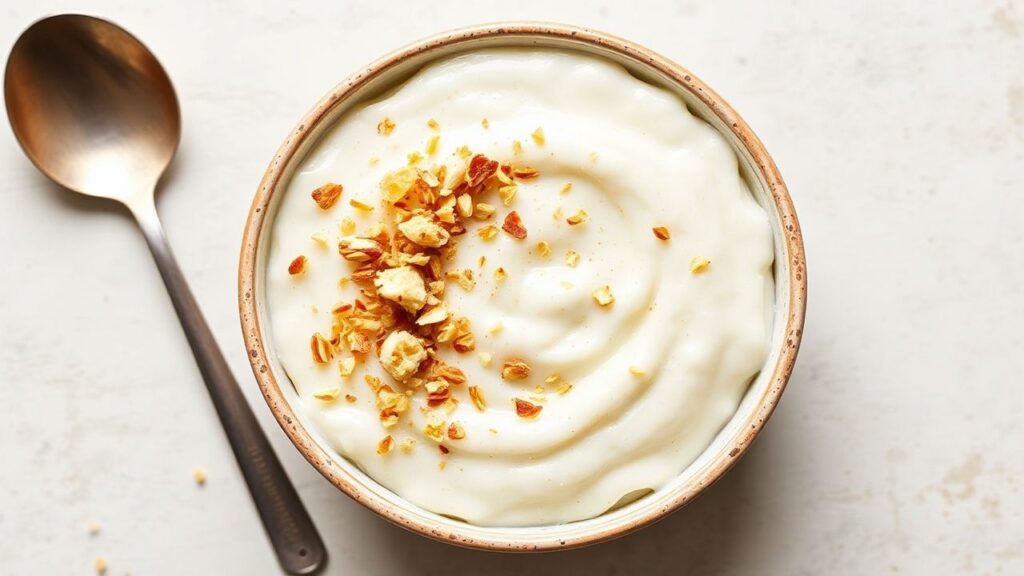
Serve this pudding in clear cups to show the glossy surface and creamy layers. Warm bowls feel luxurious, while chilled bowls feel refreshing and dessert-forward.
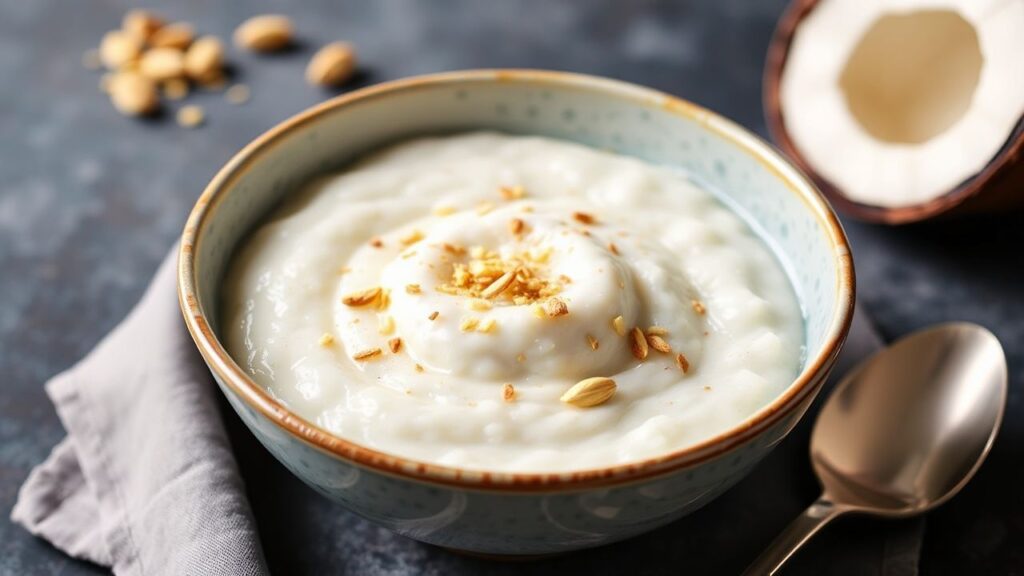
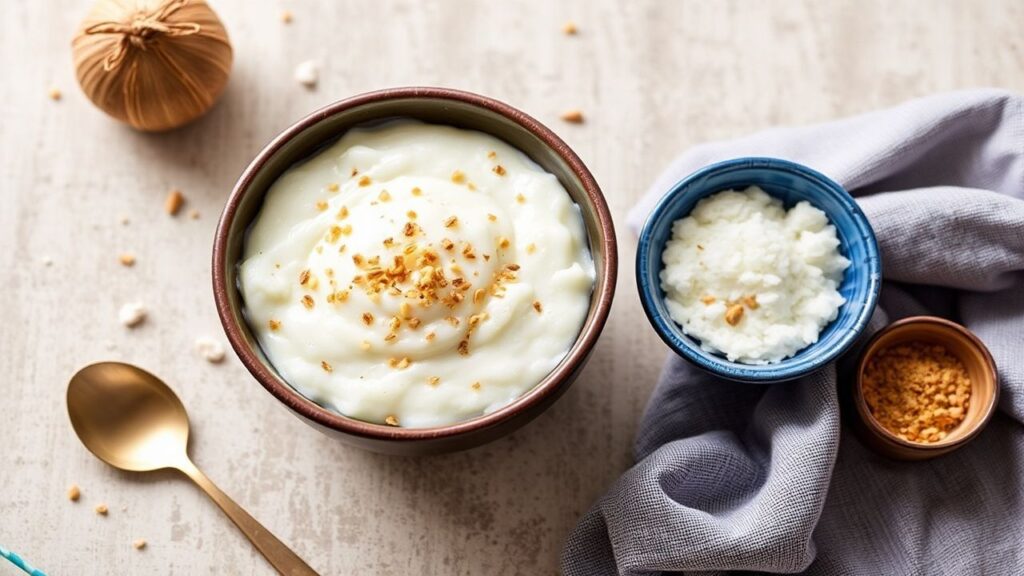
Try a topping combo: toasted shredded coconut plus chopped pistachios. The crunch lifts the creamy base, and it also adds visual contrast.
For fruit brightness, add pomegranate seeds, mango slices, or raspberries. Choose fruit that tastes ripe and juicy because it balances the rich coconut flavor.
If you want a fragrant twist, serve with a light dusting of cinnamon or a drizzle of rosewater syrup. Keep rosewater modest; it perfumes the surface quickly.
Tips for Storing and Reheating to Maintain Freshness and Taste
Store the pudding promptly after cooling. Dairy-based and coconut-based desserts both hold best when you limit time at room temperature.
- Storage: Keep in an airtight container in the refrigerator for up to 3 days.
- Reheating: Warm gently over low heat on the stove. Stir often and add a splash of milk or coconut milk if it thickened too much.
- Freezing: Freezing may change texture. The pudding can turn grainier after thawing.
- Serve chilled: For hot days, chill fully and top with fresh fruit just before serving.
Reheating slowly helps preserve the smooth texture. Rapid heating can break the emulsion, especially if the mixture sits in a hard boil.
| Nutrient | Per Serving |
|---|---|
| Calories | 320 kcal |
| Protein | 5 g |
| Carbohydrates | 50 g |
| Fat | 10 g |
For background reading on how rice-based sweets evolve across regions, you can explore Asian cuisine. It’s a helpful lens for understanding why coconut, cardamom, and rice appear together in so many variations.
To broaden spice pairing knowledge, review spices and how aromatic compounds change during cooking. That simple idea will help you adjust cardamom and vanilla confidently in future recipes.
Q&A
This section answers common questions that affect texture, spice strength, and storage. Use these quick checks when you cook for the first time or when you want to fine-tune results.
What makes coconut and cardamom a perfect pairing for rice pudding?
Coconut milk brings fat and a creamy mouthfeel, which smooths out warm spices. Cardamom’s floral, aromatic note then lifts the dessert so it tastes fragrant instead of heavy.
If you want a deeper sense of cardamom’s flavor profile, see cardamom on Wikipedia.
Can I use any type of rice for this pudding?
For best results, use short- or medium-grain rice. These varieties release enough starch for a naturally thick, creamy texture.
You can experiment, but expect different thickness and graininess depending on the rice type. The texture goal comes from starch release during simmering, which is why rice variety matters.
How do I prevent the pudding from becoming too thick or sticky?
Keep the simmer gentle and stir regularly, especially during the last 10 minutes. If the pudding thickens faster than you like, add a splash of warm coconut milk or water and stir until smooth.
Avoid boiling hard. Strong heat can scorch the bottom and can also change how coconut milk behaves.
Is it possible to make this recipe vegan and dairy-free?
Yes. Use coconut milk plus almond milk (or another plant milk) and confirm your toppings stay dairy-free.
Cardamom and vanilla work well in dairy-free versions because the fragrance comes from spices rather than dairy.
What are the best toppings for creamy coconut cardamom rice pudding?
Toasted shredded coconut and pistachios add crunch and nutty flavor. Fresh fruit like mango or raspberries also provides a bright contrast.
If you like extra aroma, add cinnamon or a small drizzle of rosewater syrup, then taste before serving again.
Wrapping Up
Creamy Coconut Cardamom Rice Pudding turns simple pantry staples into a fragrant, spoon-friendly dessert. With a gentle simmer, properly timed stirring, and cardamom-infused flavor, you get a bowl that stays creamy instead of turning grainy.
Make it once, then tweak your preferences: more cardamom for extra perfume, slightly less sugar for a lighter cup, or richer garnish for a special occasion finish. Each batch gives you clearer control over thickness and aroma.
If you want to understand why this dessert feels so comforting, remember that rice pudding is built on gentle starch thickening and slow flavor infusion. That structure shows up in many cultural versions of rice pudding around the world.
Expert Insight:
Serve your pudding warm or chilled, then enjoy the balance of tropical richness and cardamom warmth in every bite.
See also: Creamy Coconut