
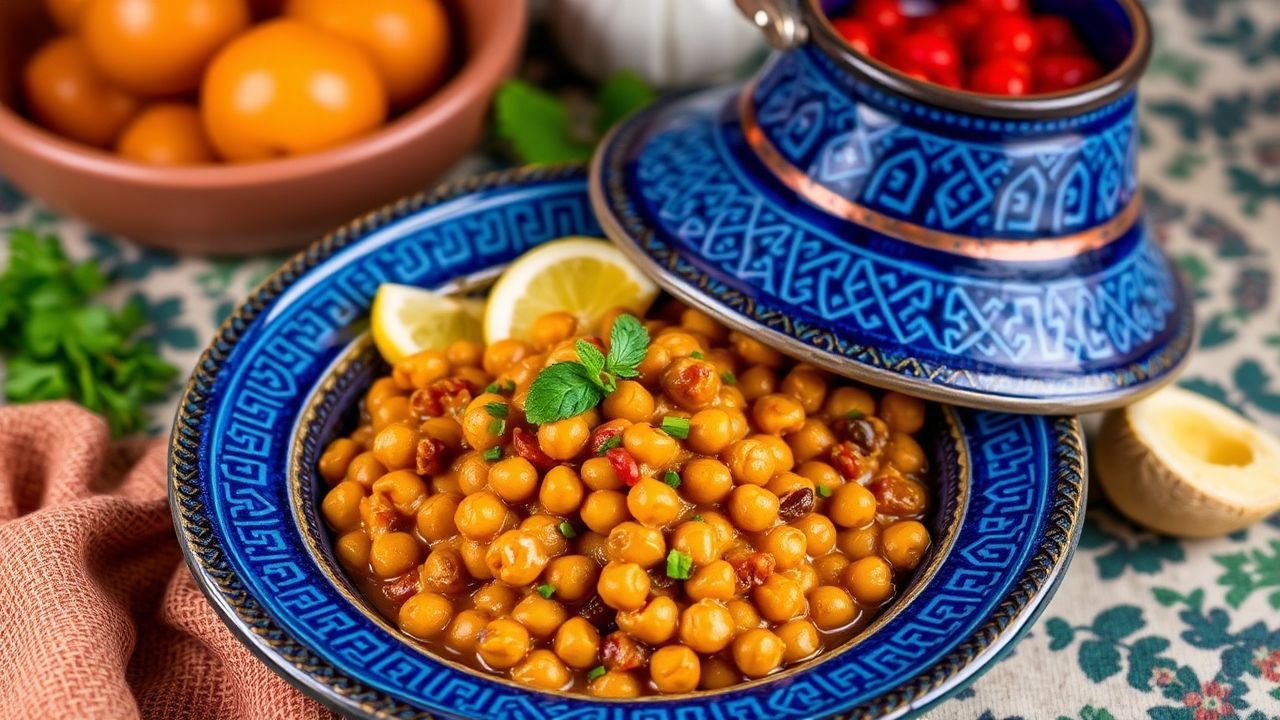
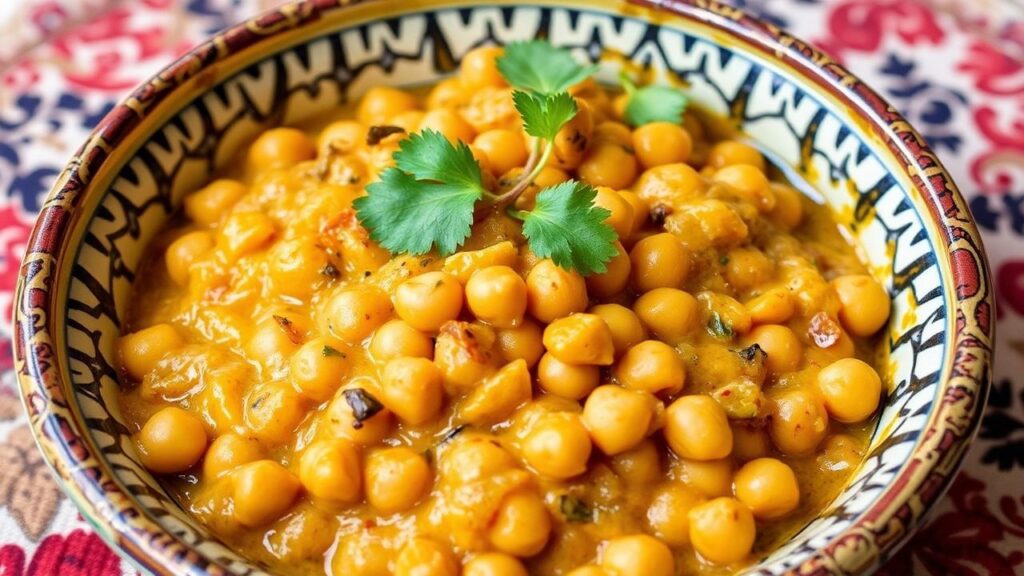
Stepping into Moroccan cuisine feels like entering a warm spice market: you notice cumin, citrus, and slow-cooked comfort right away. At the heart of that experience sits chickpea tagine—a stew that turns simple pantry staples into a deeply fragrant meal. This dish balances soft chickpeas, warm spices, and a glossy tomato-onion sauce cooked until it clings to every spoon.
- Prep and Cook Time
- Yield and Difficulty Level
- Essential Ingredients That Define Authentic Moroccan Flavor
- Step by Step Guide to Preparing the Perfect Chickpea Tagine
- Expert Tips for Serving and Pairing Your Tagine Experience
- Chef’s Notes and Tips for Success
- Nutritional Snapshot
- Q&A: Chickpea Tagine and Moroccan Flavor
- Q1: What is a tagine, and why is it important in Moroccan cuisine?
- Q2: Why chickpeas in a Moroccan tagine?
- Q3: Which spices shape the authentic taste?
- Q4: How does cooking method affect texture?
- Q5: Can you make chickpea tagine outside Morocco?
- The Conclusion
To make the best chickpea tagine at home, you rely on the same fundamentals used across Moroccan kitchens: layered aromatics, gentle simmering, and tagine-style moisture control. The result tastes both bright and cozy, with preserved lemon and herbs bringing lift. You can serve it for weeknight dinners, meal prep, or gatherings, and it still feels special.
At a Glance
- Texture: chickpeas become tender and saucy after a slow cook.
- Flavor: cumin, coriander, cinnamon, and saffron build the base.
- Brightness: preserved lemon adds a clean, tangy finish.
- Serving: couscous or bread soaks up every drop of sauce.
Join the flavorful journey by learning the origins, essential ingredients, and a step-by-step method that works with a tagine pot or a heavy skillet. Along the way, you’ll also get practical tips for seasoning, thickness, and pairings. You’ll end with a chickpea tagine that tastes genuinely Moroccan—without guesswork.
A chickpea tagine brings together North African cooking logic: steam-friendly pot design, spice bloom, and slow reduction. Many Moroccan families cook tagine-style stews so aromas mingle while the sauce thickens naturally. The flavor profile stays complex but balanced, with earthy chickpeas and fragrant additions like saffron and herbs.
Prep and Cook Time
Plan your time for a calm, slow process rather than a fast sauté. Most of the work happens early, during onion sautéing and spice blooming. Then the stew simmers until it becomes rich and cohesive.
Preparation: 20 minutes
Cooking: 1 hour 10 minutes
Total Time: 1 hour 30 minutes
Yield and Difficulty Level
This recipe makes enough for a family meal with leftovers. The stew also reheats well because the spices distribute as the sauce cools and sets.
Serves: 6 hearty portions
Difficulty: Medium—approachable for home cooks who enjoy layered flavor.
Essential Ingredients That Define Authentic Moroccan Flavor
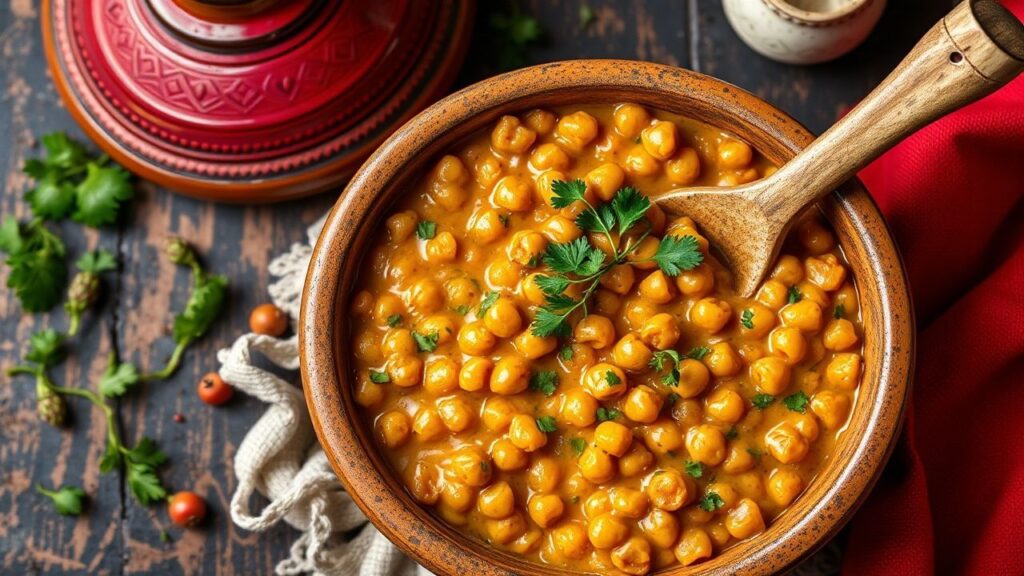
Authentic flavor starts with a spice blend you use in the right order. First, you toast ground spices briefly so they release aroma. Next, you build the base with onion and garlic, then let tomatoes soften and thicken.
For Moroccan-style depth, include preserved lemon, saffron, and fresh herbs. Preserved lemon adds a tangy edge that cuts through richness. Saffron contributes fragrance and color, while cilantro and parsley keep the finish lively.
- 2 cups cooked chickpeas (or 1 can, rinsed and drained)
- 2 tablespoons olive oil
- 1 large onion, finely sliced
- 4 garlic cloves, minced
- 1 teaspoon ground cumin
- 1 teaspoon ground coriander
- 1 teaspoon ground cinnamon
- 1 teaspoon sweet paprika
- ¼ teaspoon cayenne pepper (adjust to taste)
- 1 preserved lemon, pulp removed, rind finely chopped
- 1½ cups diced tomatoes (fresh or canned)
- 2 cups vegetable broth
- ½ cup chopped fresh cilantro
- ½ cup chopped fresh parsley
- 1 tablespoon honey or date syrup (optional, for subtle sweetness)
- salt and black pepper, to taste
- 1 teaspoon saffron threads, soaked in 2 tablespoons warm water
- Harissa paste, to serve (optional)
Spices matter, but so does seasoning timing. Adding delicate aromatics too early can dull them, while simmering too hot can muddy the sauce. If you use preserved lemon, chop it small so it melts into the stew evenly.
If you want extra fragrance, check your saffron freshness and keep it soaked before adding. You can read more about saffron’s culinary role on the saffron overview. This small step often makes the difference between “good” and “memorable.”
Step by Step Guide to Preparing the Perfect Chickpea Tagine
Use a tagine pot if you have one. If not, a heavy-bottomed Dutch oven or skillet works well for gentle simmering. The goal stays the same: soft ingredients, slow flavor meld, and a sauce that reduces to a spoonable thickness.
Start by sautéing onion until sweet and golden. Then toast spices briefly and let them coat the onion so aroma spreads through the whole pot. After that, simmer until the chickpeas absorb flavor and the sauce thickens.
- Warm the olive oil in a heavy-bottomed tagine or large skillet over medium heat. Add the sliced onion and sauté until golden and softened, about 8 minutes.
- Add minced garlic and toast the spices—cumin, coriander, cinnamon, paprika, and cayenne—for about 1 minute. Stir constantly to prevent bitterness.
- Incorporate the diced tomatoes and cook down for 5 minutes. This step helps the sauce lose raw tomato edge.
- Stir in the chickpeas, preserved lemon rind, and saffron-infused water. Toss well so everything gets coated.
- Pour in vegetable broth and bring to a gentle simmer. Reduce heat to low, cover, and cook about 40 minutes.
- Uncover and season with honey (if using), salt, and pepper. Stir in cilantro and parsley near the end.
- Simmer uncovered for 5 minutes if you want a thicker, more spoon-coating sauce. Aim for rich and saucy.
Tagine cooking relies on low heat and steady moisture so ingredients tenderize without drying out. The conical lid pattern supports condensation and even return of steam to the dish. For background on tagine cooking, see the general overview.
Spice bloom tip: keep your heat moderate during the 1-minute toast. Over-toasting makes spices taste harsh, especially cumin and cinnamon. Once the aroma turns warm and fragrant, you’re ready for tomatoes.
Want more control over texture? Mash a small portion of chickpeas with a spoon and stir it back in during the final minutes. This naturally thickens the sauce without adding flour or cornstarch. It also keeps the stew smooth while still leaving whole chickpeas intact.
Expert Tips for Serving and Pairing Your Tagine Experience
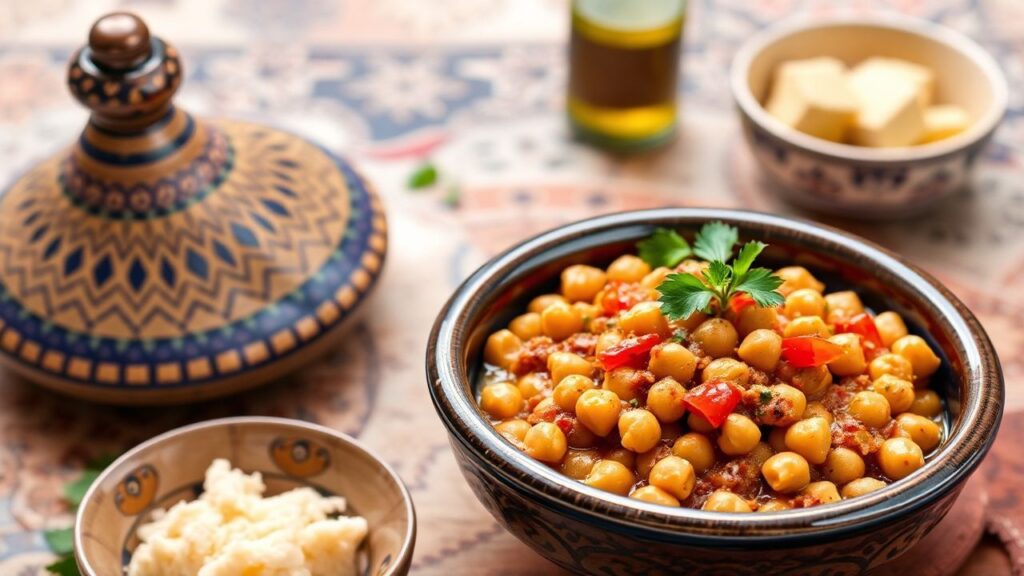
Serve chickpea tagine hot so the sauce tastes glossy and the spices feel fresh. Many people plate it directly from the pot and spoon the stew over couscous or bread. This style keeps the dish communal and lets everyone scoop at their pace.
Traditional Moroccan sides help you capture the full flavor. A bed of couscous absorbs sauce fast, while bread gives you the most direct “scoop and dip” experience. Learn about couscous for helpful background on how it’s made and served.
- Garnish with extra cilantro leaves and toasted almonds for crunch.
- Serve with couscous, crusty bread, or millet to soak up the sauce.
- Add yogurt or labneh for cooling contrast.
- Finish with Moroccan mint tea alongside the meal.
If you want more heat, offer harissa at the table rather than mixing it into the full pot. That approach keeps the main stew balanced for different spice preferences. It also helps guests customize their heat level without changing texture.
Serving thickness check: when you draw a spoon through the sauce, it should briefly show the bottom before flowing back. If it runs thin, simmer uncovered for 3–5 minutes. If it gets too thick, loosen with a splash of broth.
Expert Insight: For the most aromatic finish, stir in chopped herbs right at the end and avoid long boiling. Fresh herbs release brightness when they warm gently, not when they cook for another 20 minutes.
Pairing also shapes taste. Slightly tangy yogurt reduces perceived heat and makes preserved lemon feel brighter. Meanwhile, crunchy almonds add texture that makes the stew feel “restaurant” even on a budget.
Chef’s Notes and Tips for Success
Small changes can raise the final flavor. Preserved lemon brings authentic tang and saltiness, so if it’s not available, replace it with a careful lemon zest approach. Use zest plus a pinch of salt, and start with less than you think—you can always add more.
Chickpeas also affect texture. Canned chickpeas work for convenience, but drained and rinsed chickpeas taste cleaner and absorb spices more evenly. If you soak dried chickpeas, cook them until tender but not collapsing.
- Substitute preserved lemon with fresh lemon zest plus a pinch of salt if needed.
- Use soaked dried chickpeas for the best texture; canned chickpeas are fine for speed.
- Add root vegetables like carrots or sweet potatoes 20 minutes before the end if you want extra bulk.
- For deeper flavor, cook a day ahead and reheat gently.
- Adjust heat: reduce cayenne and rely on black pepper for warmth.
Make sure your broth tastes good on its own. Tagine-style stews concentrate flavors as liquid reduces, so weak broth leads to weak sauce. If you use harissa, treat it like a condiment—add to taste and keep it fresh at serving.
Reheating matters too. Warm the stew slowly over low heat and stir often. Fast boiling can break the sauce and thin it out, especially if it contains honey and tomatoes.
Nutritional Snapshot
This dish fits well in a balanced meal plan because it combines plant protein, fiber, and healthy fats. The exact numbers can vary based on chickpea size, oil amount, and broth brand.
Per serving (estimate): 320 kcal, 12 g protein, 45 g carbohydrates, 8 g fat.
| Nutrient | Per Serving |
|---|---|
| Calories | 320 kcal |
| Protein | 12 g |
| Carbohydrates | 45 g |
| Fat | 8 g |
Q&A: Chickpea Tagine and Moroccan Flavor
People often ask what makes a tagine taste distinct. The answer usually comes down to technique: gentle simmering, aromatic layering, and the way the pot handles steam. Once you follow those steps, chickpeas become rich and fully spiced.
You’ll also see questions about ingredients. Moroccan flavors rely on a spice mix, preserved citrus, and herbs that finish the stew. When you match those elements in the right order, you get a consistent result.
Q1: What is a tagine, and why is it important in Moroccan cuisine?
A tagine is both a conical cooking vessel and the stew cooked inside it. The lid design helps retain steam and return it to the food. That process supports gentle cooking and tender results.
In Moroccan tradition, tagines often serve as a centerpiece for shared meals. The pot-to-table format supports dining together, which matters for how dishes get presented and eaten.
Q2: Why chickpeas in a Moroccan tagine?
Chickpeas bring body and a mild, nutty flavor that works well with bold spices. They also hold their shape while becoming tender during slow cooking.
In a tagine, chickpeas soak up tomato, lemon, and spice notes. That creates a stew that feels hearty enough as a main dish and satisfying alongside sides.
Q3: Which spices shape the authentic taste?
Cumin, coriander, cinnamon, and paprika often form the backbone of Moroccan-style seasoning. Saffron adds a distinct floral note and golden color.
For deeper context on regional spice history, you can reference Moroccan cuisine. Use it as a guide for how flavor profiles connect across dishes, not as a strict rule.
Q4: How does cooking method affect texture?
Slow, covered cooking lets chickpeas soften and vegetables meld. The sauce thickens as water reduces and starches from chickpeas naturally thicken the mixture.
If you rush the simmer, you often end with sharper flavors and thinner sauce. Low heat helps spices bloom without burning and keeps the stew smooth.
Q5: Can you make chickpea tagine outside Morocco?
Yes. The method adapts easily to home kitchens using a Dutch oven or covered pot. The core idea—layer aromatics, simmer gently, then reduce—still works.
Even if you swap ingredients, keep the flavor logic. Use a spice blend you can measure, preserve the bright finish with lemon, and serve with a starch that soaks up sauce.
The Conclusion
A well-made chickpea tagine tastes like comfort with a bright edge. You get warm spices, soft chickpeas, and a glossy sauce that makes every bite feel complete. When you cook it slowly, the stew builds flavor in layers.
If you cook it once, you’ll notice how easy it is to repeat. Follow the ingredient order, keep the simmer gentle, and adjust thickness at the end. After that, you’ll have a Moroccan-style chickpea tagine you can confidently share.
See also: Chickpea tagine