
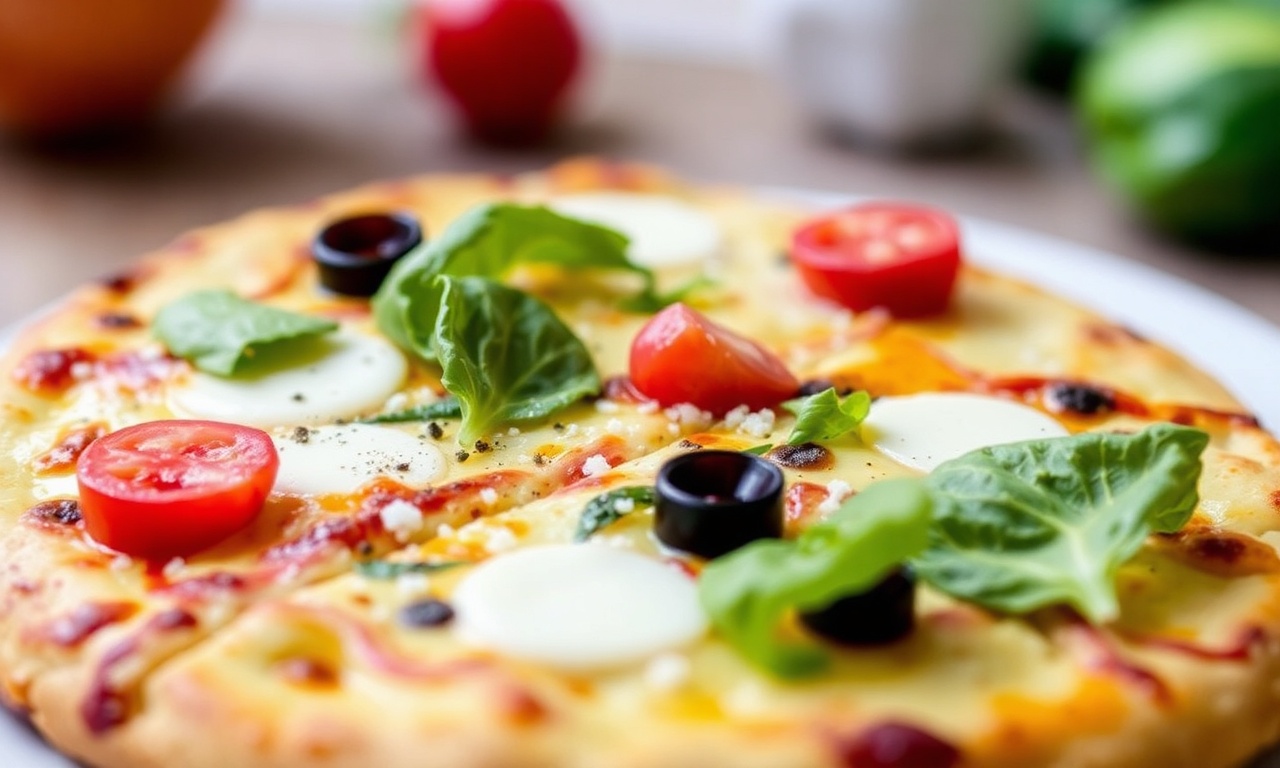
Imagine a pizza crust that stays gluten-free, crisps fast, and tastes nutty and savory. That’s socca: a thin chickpea flour flatbread from Nice, France, often called a Mediterranean “pizza” base. With the right heat and a simple batter, you get crisp edges and a tender center in minutes.
- Delicious Gluten-Free Chickpea Pizza Crust (Socca) Basics
- Prep and Cook Plan for Crispy Results
- Ingredients You Actually Need
- Step-by-Step Instructions for Crispy Socca
- Expert Flavor Add-Ons: Herbs, Spices, and Finish
- Creative Serving Ideas That Keep the Crust Crisp
- Tips for Success (So Your Socca Always Sets)
- Nutrition Snapshot for Chickpea Crust
- Stovetop and Storage Options
- Q&A: Delicious Gluten-Free Chickpea Pizza Crust (Socca)
- What is socca, and why does it work as a pizza crust?
- How do I get that crisp edge without overcooking the center?
- Can I rest the batter longer than 30 minutes?
- Is chickpea flour the only flour that works for socca?
- Can I make socca without an oven?
- How do I store and reheat socca so it stays crisp?
- Final Notes: Make Socca Your Go-To Gluten-Free Base
At a Glance
- Focus ingredient: chickpea flour for the signature nutty flavor.
- Best texture: preheat a cast-iron or oven-safe skillet hard.
- Don’t overbake: aim for bubbly, golden spots, then rest briefly.
- Pairing tip: keep toppings balanced so socca stays crisp.
Delicious gluten-free chickpea pizza crust (socca) works because chickpea flour forms a stable batter that fries against hot metal. The olive oil boosts browning and helps the crust release cleanly. Next, you’ll see a proven method and practical fixes for common problems.
Quick note on “gluten-free”: chickpeas contain no gluten, so socca can fit a gluten-free diet when you use certified gluten-free chickpea flour.
Delicious Gluten-Free Chickpea Pizza Crust (Socca) Basics
Socca is a thin, unleavened flatbread made from chickpea flour, water, olive oil, and salt. Because it uses chickpeas, it naturally avoids wheat-based gluten. For background on the ingredient, see the role of legumes in nutrition at legume.
The tradition links to the Mediterranean coast, especially the Nice region. Chickpea flour also behaves differently than wheat flour, so you must bake or pan-cook at high heat to drive moisture out fast. If you want the science of crisping, review how Maillard browning supports flavor at Maillard reaction.
Prep and Cook Plan for Crispy Results
Start with a clear timeline. When you rest the batter, hydration improves and lumps break down. Then, hot preheating builds the crisp edge you expect from socca.
- Prep Time: 10 minutes
- Rest Time: 30 minutes (optional, but strongly helpful)
- Cook Time: 15 minutes
- Total Time: 55 minutes (with rest)
Yield: 4 servings as an appetizer or light meal. For a “pizza” feel, you can slice into wedges like you would with a thin crust.
Ingredients You Actually Need
This recipe keeps the ingredient list short so you taste chickpea. If you add herbs, add them for aroma, not to hide flavor. For dietary notes on plant-based fats and cooking behavior, you can also check olive oil.
- 1 cup chickpea flour (sifted; use certified gluten-free)
- 1 cup lukewarm water
- 3 tbsp extra virgin olive oil (plus extra for the pan)
- 1/2 tsp fine sea salt
- 1/4 tsp freshly ground black pepper
- 1/2 tsp garlic powder (optional)
- Herbs: rosemary/thyme/oregano (fresh) or 1 tsp dried
If you want a smoother pour, you can blend the batter. If you skip blending, whisk well and rest longer. Either way, you aim for a pourable texture that spreads into a thin layer.
Step-by-Step Instructions for Crispy Socca
Follow each step in order. Socca rewards high heat and minimal delay between pouring and baking. If your pan cools, the edges won’t set as quickly.
- Make the batter: whisk chickpea flour and salt in a bowl. Add lukewarm water slowly, whisking until smooth.
- Rest for texture: cover and let the batter rest 30 minutes. This improves hydration and reduces graininess.
- Season and finish: whisk in olive oil, black pepper, garlic powder (if using), and herbs.
- Preheat the pan: heat the oven to 450°F (230°C). Place a 10–12 inch oven-safe skillet inside to preheat at least 10 minutes.
- Coat and spread: carefully remove the skillet. Drizzle a tablespoon of olive oil and swirl it across the surface.
- Pour the batter: pour the batter and tilt the pan to form a thin layer (about 1/8 inch). Work fast for even thickness.
- Bake for bubbles and color: bake 10–15 minutes until the top shows bubbles and a golden crust forms at the edges.
- Broil briefly (optional): broil 1–2 minutes for extra browning. Watch closely to avoid burning.
- Rest and slice: let it cool 2–3 minutes, then slice into wedges.
Texture check: crisp edges come first. The center should feel set but still tender when you cut it. If it looks pale, bake 1–2 minutes longer.
Expert Flavor Add-Ons: Herbs, Spices, and Finish
Socca tastes best when you season in layers. Add dried or fresh herbs to the batter, then finish with a small salt boost and olive oil. For spice overview and flavor behavior, refer to spices.
Want heat? Add a pinch of cayenne or crushed red pepper flakes. For a smokier profile, use a small amount of smoked paprika. Finish with flaky sea salt after baking; it lifts perceived flavor without adding moisture.
Creative Serving Ideas That Keep the Crust Crisp
Toppings should support the crust, not drown it. Since socca is thin, choose quick-cooking or low-moisture toppings. For example, roasted vegetables hold up better than raw watery slices.
- Tomato-basil mode: top with heirloom tomato slices, fresh basil, and a light drizzle of olive oil.
- Green herb sauce: serve with chimichurri for bright acidity and fresh aroma.
- Mushroom-forward: use sautéed mushrooms and caramelized onions for a richer, savory bite.
- Brunch dip style: cut into wedges and pair with lemon-garlic yogurt and chopped parsley.
- Za’atar sprinkle: add za’atar and a finishing salt after baking for a Middle Eastern twist.
If you serve as “pizza,” keep sauce thin and use shredded low-moisture cheese or a light layer of dairy-free alternative. Too much topping weight can soften the surface, especially if you stack slices.
Tips for Success (So Your Socca Always Sets)
Small changes create big texture wins. Focus on pan temperature, batter hydration, and thickness. If you nail those three, most other issues disappear.
- Preheat the pan hard: a very hot skillet sets the edge fast.
- Rest the batter: 30 minutes boosts smoothness and consistency.
- Adjust batter thickness: pourable but not watery. If it spreads too thin, add 1–2 tbsp chickpea flour.
- Avoid stirring in the pan: let it bake undisturbed for even browning.
- Use oil correctly: coat the pan for release and browning.
For cooking equipment guidance, a well-seasoned skillet helps with release. Also, if you’ve never worked with cast iron, review cast iron to understand why heat retention matters.
Nutrition Snapshot for Chickpea Crust
Socca provides protein and fiber because chickpea flour comes from legumes. Nutrition varies by brand and thickness, but the following estimate works well for a thin, four-slice portion.
| Nutrient | Per Serving |
|---|---|
| Calories | 180 |
| Protein | 8g |
| Carbohydrates | 22g |
| Fat | 6g |
If you track macros, weigh your skillet portion. Thicker socca increases calories and carbs per slice. For broader nutrition context on legumes, see chickpea.
Stovetop and Storage Options
You don’t always need an oven. A stovetop method works if you use medium-high heat and a well-heated cast-iron pan. The goal stays the same: rapid moisture loss and browning at the edges.
For leftovers, cool the socca on a rack, not on a plate. Store it airtight in the refrigerator up to 2 days. Reheat in a skillet over medium heat to bring back crispness.
Freezing also works. Wrap cooled pieces tightly, then thaw in the fridge and reheat in a skillet. Avoid microwaving because it tends to soften the crust.
Q&A: Delicious Gluten-Free Chickpea Pizza Crust (Socca)
What is socca, and why does it work as a pizza crust?
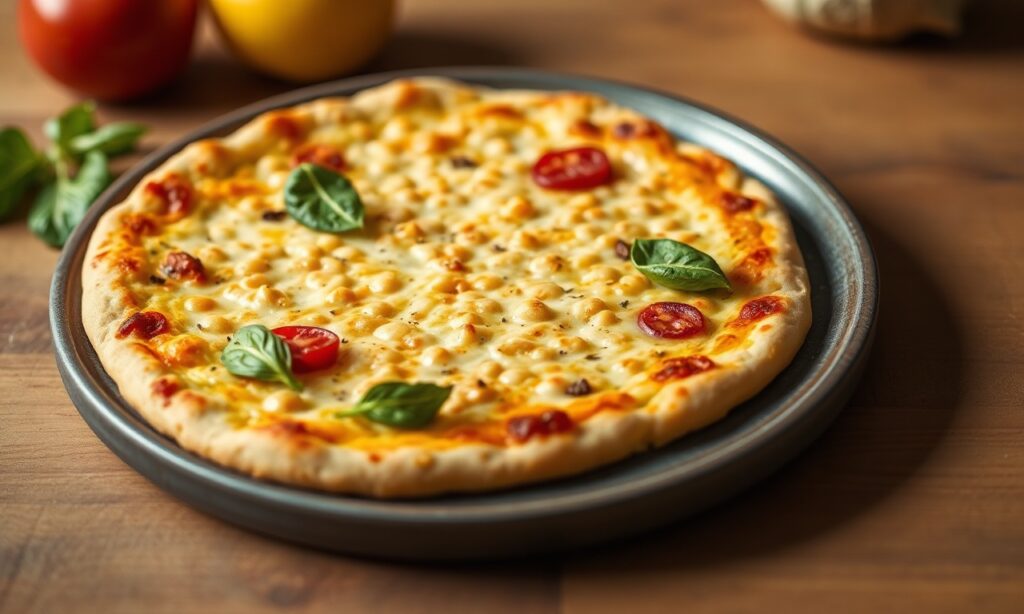
Socca is a thin, unleavened flatbread made from chickpea flour, water, olive oil, and salt. It works as a pizza crust because the batter sets into a sturdy layer at high heat. Its nutty flavor also pairs with both vegetable toppings and light cheese.
Chickpeas are a legume, which helps explain their protein and fiber content. If you want a quick food-category overview, see chickpeas and how they fit into the legume family.
How do I get that crisp edge without overcooking the center?
Preheat your skillet or cast-iron pan until it’s very hot, then pour and bake right away. This high heat sets the edge quickly while the center still finishes with gentle moisture loss. Don’t stir after pouring because you need an even crust surface.
If the center looks pale, bake 1–2 minutes longer. If it looks too dark but feels wet, lower the risk next time by keeping toppings off until after baking.
Can I rest the batter longer than 30 minutes?
Yes. Many cooks rest socca batter 30 minutes to 2 hours for better hydration and smoother texture. If you need more time, refrigerate covered batter and whisk again before baking.
This rest step improves how chickpea flour hydrates, which supports a more cohesive crust. You’ll usually see fewer grainy bits after a longer chill.
Is chickpea flour the only flour that works for socca?
For classic socca texture and flavor, use mostly or entirely chickpea flour. Blends can work in some recipes, but they often shift the nutty profile and can change how the crust browns. If you want true socca, stick with chickpea flour.
Because chickpeas are gluten-free, socca can fit gluten-free diets when you choose certified gluten-free flour. Always check the label for cross-contact if you’re sensitive.
Can I make socca without an oven?
Yes. Cook it on the stovetop in a preheated skillet. Pour the batter into the hot pan, cook until bubbles form and edges crisp, then flip briefly to finish.
Oven baking helps with even color across the whole surface, but stovetop works well for a quick lunch. For best results, keep your burner stable and don’t crowd the pan thickness.
How do I store and reheat socca so it stays crisp?
Store cooled socca in an airtight container in the fridge for up to 2 days. Reheat in a skillet over medium heat for a few minutes to restore crispness. Let it warm fully before you eat.
For longer storage, freeze wrapped portions. Thaw in the refrigerator and reheat in a skillet. Skip the microwave if you want the crust to stay crisp.
Final Notes: Make Socca Your Go-To Gluten-Free Base
Delicious gluten-free chickpea pizza crust (socca) delivers a reliable, crispy base without traditional wheat dough. With high heat, a rested batter, and a thin pour, you get a pizza-like result that’s naturally gluten-free.
Once you master the method, you can swap toppings freely. Keep watery ingredients in check, and add most toppings after baking. Next time you want a fast “pizza night,” socca gives you a golden, savory foundation that holds up.
See also: gluten-free chickpea