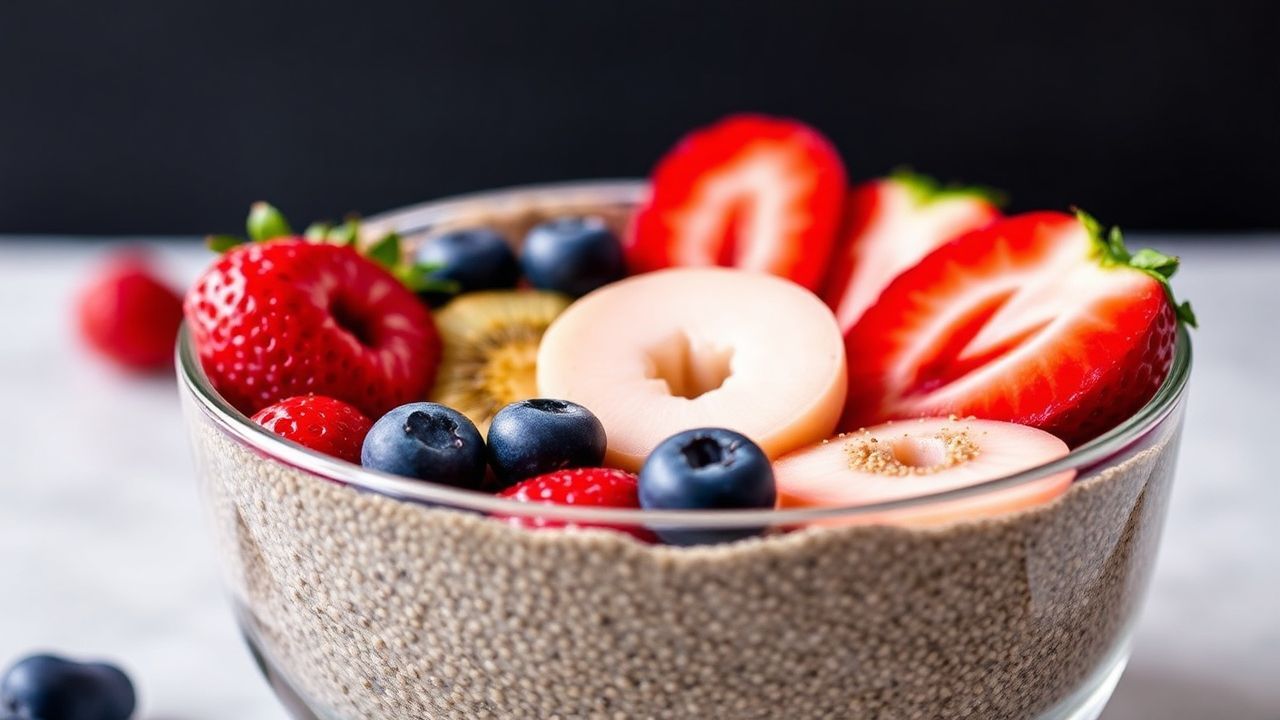
Turn your morning into a steady, satisfying rhythm with a chia seed fruit bowl. This simple meal pairs a creamy chia base with fresh fruit and crunchy toppings, so you get flavor in every spoonful—plus fiber that helps you stay full longer.
- What a Chia Seed Fruit Bowl Really Is (and Why It Works)
- The Key Science: Gel Texture, Hydration, and Thickness
- 7-Minute Assembly Method (When You’re Short on Time)
- Reliable Ratios for a Perfect Chia Base
- Core Recipe: Creamy Chia Seed Fruit Bowl (No Cooking)
- Fruit Pairing Strategy: Build Flavor in Layers
- Toppings That Make the Bowl Feel “Complete”
- Meal Prep Without Texture Loss
- Taste Adjustments: Fix Blandness, Tartness, or Thickness
- Serving Ideas That Make It Feel Special
- FAQ: Chia Seed Fruit Bowl Questions
The best part is control. You decide the thickness, the sweetness level, and the fruit combinations. With a few ratios and timing rules, you can consistently make a bowl that tastes bright, not bland, and feels creamy, not watery.
- Soak time: 2+ hours for set; overnight for the smoothest texture.
- Ratio target: start at ~1:4 (chia:liquid) for a balanced bowl.
- Layering matters: add fruit after the base sets to protect texture.
- Texture balance: combine creamy, juicy, and crunchy in every bowl.
What a Chia Seed Fruit Bowl Really Is (and Why It Works)
A chia seed fruit bowl is chia pudding served cold with fruit and toppings. Chia seeds hydrate in liquid and form a gel matrix, which gives you that thick, spoonable base without cooking.
That gel does more than thicken. It helps “hold” toppings on top and slows how fast juices leak into the base. As a result, you get a cleaner bite—especially when you prep the fruit separately and assemble right before eating.
If you want deeper context on chia and fiber-rich foods, start with chia and how plant fibers behave in the gut.
The Key Science: Gel Texture, Hydration, and Thickness
Chia seeds contain soluble fiber that swells when it absorbs liquid. That swelling creates the pudding-like consistency. More time usually means more hydration, which typically gives you a thicker, smoother bowl.
Hydration also depends on your liquid. Different plant milks vary in water content, viscosity, and how they taste after chilling. For most home kitchens, unsweetened milk gives the cleanest flavor and helps you control sweetness from fruit or a small amount of sweetener.
For a general background on how thickening agents work in foods, see gel. It helps explain why time and temperature matter more than stirring speed.
7-Minute Assembly Method (When You’re Short on Time)
You can’t always control the morning rush, but you can control your prep strategy. The easiest approach: make the chia base ahead, then assemble in minutes.
When the base comes from the fridge already set, you only need to slice fruit, portion toppings, and layer. That’s how you get a bowl that looks intentional and tastes fresh instead of tired.
Best Practice Workflow
Step 1: Mix chia + liquid. Stir hard enough to prevent dry clumps. Then let it sit.
Step 2: Chill at least 2 hours. Overnight works best for a creamy texture.
Step 3: Prepare fruit separately. Pat wet fruit dry.
Step 4: Assemble right before eating and top with crunch.
How to Stir Without Clumping
Clumps usually happen when chia seeds dry-stir poorly at the start. Stir vigorously for 30–60 seconds, then do a second stir after about 10 minutes.
The second stir redistributes seeds before full gel formation, which helps the texture set evenly. This two-stir method often gives a smoother spoonful even when you use thicker plant milks.
If you like understanding ingredients more deeply, check soluble fiber to see why chia behaves well in chilled puddings.
Reliable Ratios for a Perfect Chia Base
Most texture problems come from the ratio. If you go too watery, the bowl stays runny. If you go too thick, it can feel dense and heavy.
A good starting point is 1:4—chia to liquid by volume. From there, you adjust by tiny increments based on your taste and the milk you use.
Ratio Guide
For creamy and balanced: 1 part chia : 4 parts liquid.
For thick “spoon-stable” bowls: 1 part chia : 3.5–3.75 parts liquid.
For looser bowls (more drinkable): 1 part chia : 4.5 parts liquid.
Sweetness Control (Less Is Usually More)
Fruit often provides enough sweetness, especially ripe banana, mango, or sweet berries. If you add sweetener, use a small amount and taste after chilling.
Sweeteners also affect flavor perception. They can mute tartness, which matters with berries and kiwi. Start with a light hand so the fruit still tastes alive.
Core Recipe: Creamy Chia Seed Fruit Bowl (No Cooking)
This recipe makes two generous bowls. You can scale it easily, but keep the ratio consistent so the texture stays reliable.
Use unsweetened milk for the cleanest flavor. Then build sweetness through fruit and spices.
Ingredients
Chia base:
6 tablespoons black chia seeds (or your preferred chia)
1 1/2 cups unsweetened almond milk (or another unsweetened plant milk)
1 teaspoon vanilla extract
Optional: 1–2 teaspoons maple syrup or honey
Fruit and toppings:
1 cup mixed berries (fresh or frozen)
1 kiwi, peeled and sliced
1 small banana, sliced
2 tablespoons toasted coconut flakes
2 tablespoons chopped toasted almonds or walnuts
Optional: goji berries or dried cranberries
Step-by-Step Instructions
1) Add chia seeds and milk to a bowl. Stir vigorously for 30–60 seconds to prevent clumps.
2) Add vanilla and optional sweetener. Stir until the mixture looks even.
3) Rest 10 minutes. Stir again to redistribute seeds.
4) Cover and refrigerate for at least 2 hours, or overnight for the smoothest texture.
5) Slice fruit while the chia sets. If using frozen berries, thaw and pat dry.
6) Give the base one final stir, then portion into bowls.
7) Add fruit and top with coconut and nuts. Finish with dried berries if you like extra chew.
Expert Insight: Use a two-stir schedule—vigorously mix right away, then stir again after 10 minutes. This simple timing step usually reduces clumps without any special tools.[/TIP]
Fruit Pairing Strategy: Build Flavor in Layers
Great chia bowls taste balanced, not random. You want a mix of sweetness, tartness, and aroma—then you finish with a clean crunch.
Think like a flavor editor. Pick one “bright” fruit, one “soft-sweet” fruit, and one optional “juicy pop.” Then match your spices accordingly.
Flavor Types That Work Best
Bright and tart: raspberries, blackberries, pomegranate arils, kiwi.
Soft sweetness: banana, mango, ripe strawberries.
Juicy pops: blueberries, pomegranate, dragon fruit (if you use it), fresh berries.
High-Trust Combinations
Blueberry + vanilla + almonds: classic, comforting, and reliably satisfying.
Raspberry + citrus zest + coconut: sharp and fragrant with a tropical finish.
Kiwi + mint + walnuts: clean, cool, and light-tasting.
Mango + toasted coconut + dried cranberries: sweet-forward with chewy contrast.
Pomegranate + nuts: jewel-like texture with sweet-tart balance.
If you want more science behind fruit nutrition and variety, read about fruit and how different fruits contribute different natural compounds.
Toppings That Make the Bowl Feel “Complete”
Toppings aren’t decoration. They create texture contrast and help the bowl taste more like a meal than a snack.
Aim for one crisp element and one aromatic element in most bowls. If you add dried fruit, keep the portion small so it doesn’t overpower the fresh fruit.
Crunch Options
Toasted nuts: almonds, walnuts, pistachios.
Coconut: toasted flakes for aroma and crisp bite.
Optional seeds: hemp seeds or extra chia for a gentle crunch.
Chew and Pop
Dried berries: goji berries, cranberries, or chopped dried cherries.
Citrus zest: tiny amount, big flavor lift—especially with berries.
For general background on why fats and proteins support satiety, you can review dietary fat. That helps explain why nut toppings often improve how long you stay satisfied.
Meal Prep Without Texture Loss
Meal prep works best when you separate wet and crisp components. The chia base can store well, but fruit and toppings change texture as time passes.
If you assemble everything at once, fruit juices will soften the crunch and slightly thin the top layer over time.
Storage Plan (Best Results)
Keep chia base alone: store up to 4–5 days in the fridge.
Store fruit separately: keep sliced fresh fruit in a covered container.
Store crunch separately: keep toasted coconut and nuts dry so they stay crisp.
Assemble last: add fruit and crunch right before eating.
If you want broader guidance on food safety and refrigeration practices, see refrigeration.
Taste Adjustments: Fix Blandness, Tartness, or Thickness
Even when you follow a recipe, fruit seasons and milk types change outcomes. When that happens, you don’t need to restart—you can adjust.
Use small corrections. Chia bases respond well to tiny changes, especially after a second stir.
If Your Bowl Tastes Bland
Add a pinch of salt. It boosts fruit brightness without making the bowl “salty.”
Also try cinnamon or a small amount of vanilla. Spices amplify aroma, which makes flavor feel stronger.
If It’s Too Tart
Use a ripe fruit like banana or mango to balance acidity. You can also add 1 teaspoon sweetener, then taste again.
Let the bowl chill fully first. Tartness can feel stronger when the base hasn’t fully set.
If It’s Too Thick or Too Thin
If too thick, stir in a splash of milk and let it rest 5–10 minutes.
If too thin, add more chia (in small increments) and chill longer. Next time, shift the ratio closer to 1:4 rather than 1:4.5.
Serving Ideas That Make It Feel Special
Presentation changes how satisfied people feel. Serve in clear cups or glass bowls so layers show through.
Then keep the top intentional: fruit in a pattern, crunch concentrated in the center, and a final aroma like zest or mint.
Easy “Make It Look Good” Tricks
Slice kiwi into thin half-moons for a neat green layer.
Arrange banana slices and berries in clusters, not scattered chaos.
Add toasted coconut last so it stays dry and crisp.
Finish with a small sprinkle of dried berries or zest right before you eat.
FAQ: Chia Seed Fruit Bowl Questions
How long should I soak chia seeds for a fruit bowl?
For a set texture, soak at least 2 hours. Overnight soaking usually gives the smoothest, creamiest result because the seeds fully hydrate.
Can I use frozen fruit?
Yes. Frozen berries work well and often taste as good as fresh. Thaw them briefly and pat off excess moisture so the bowl stays thick and the fruit tastes clean.
What ratio makes the best chia seed fruit bowl?
Start with about 1:4 chia to liquid. If you want thicker pudding, move closer to 1:3.5. If you prefer a lighter texture, move toward 1:4.5.
Why do chia seed bowls sometimes turn out lumpy?
Lumps usually come from under-stirring at the start. Stir vigorously for 30–60 seconds, then stir again after 10 minutes to redistribute seeds.
How long can I store chia base?
Store plain chia pudding in the fridge for up to 4–5 days. Add fresh fruit and crunchy toppings right before eating for the best texture.
See also: chia seed fruit bowl