

Ultra-Fluffy Cheese & Herb Drop Biscuits (12 Count)
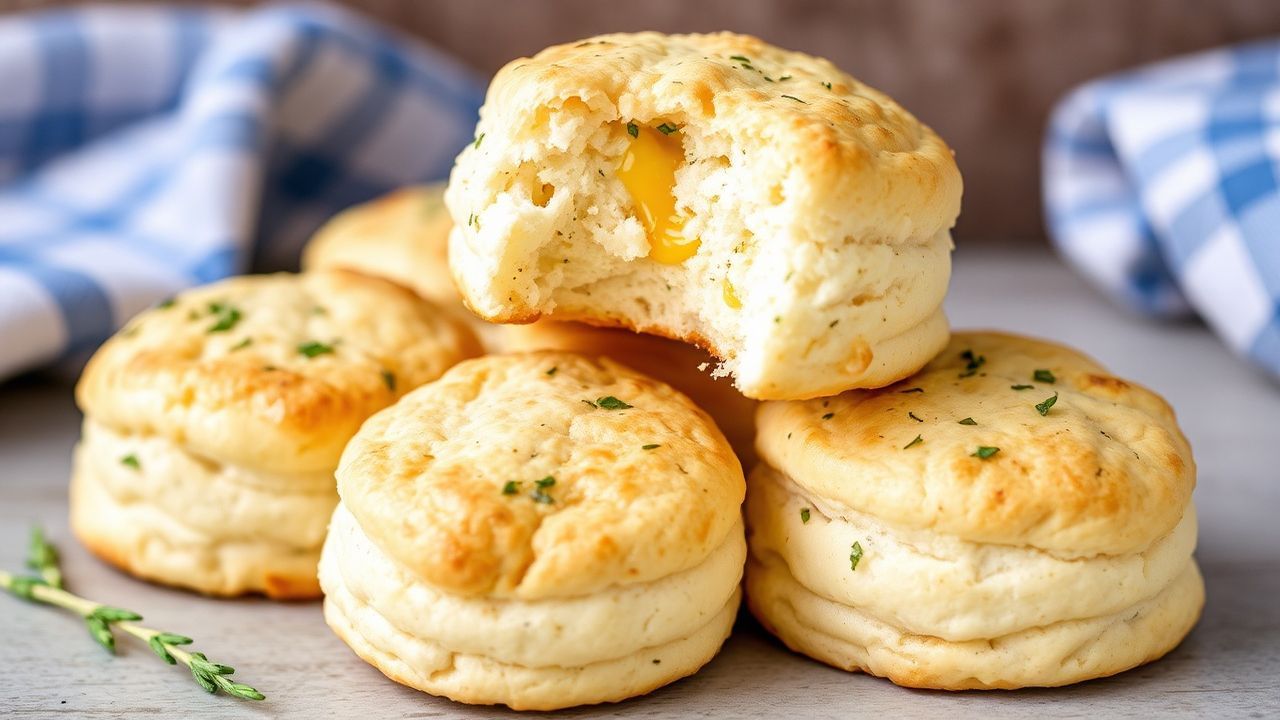
Cheese herb biscuits should feel like bakery comfort: a crisp, browned edge and a tender center that pulls apart easily. This recipe delivers fast rise, strong cheddar flavor, and bright herb aroma in every spoon-dropped biscuit.
- How You Get a Tall, Fluffy Rise
- Cheese and Herbs: Flavor That Doesn’t Fade
- Prep, Cook, and Total Time (12 Biscuits)
- Ingredients for Ultra-Fluffy Cheese & Herb Drop Biscuits
- Step-by-Step Instructions (No Rolling Required)
- Secrets for Golden Tops and Crisp Edges
- Tips for Success (Plus Easy Upgrades)
- Serving Suggestions
- Nutritional Facts (Per Biscuit)
- FAQ: Cheese Herb Biscuits
The secret comes from simple control points: very cold butter, minimal mixing, and hot oven spring. When those pieces line up, the dough lifts quickly and sets before it can lose structure.
At a Glance
- Cold butter melts in the oven and releases steam for lift and tenderness.
- Cheddar + herbs bake into savory pockets with steady melt and even flavor.
- Gentle mixing keeps gluten relaxed so crumb stays soft, not tight.
- Drop method means no rolling—portion and bake right away for best height.
These biscuits fit busy mornings, soup nights, and weekend brunch. Serve them alongside chicken, stew, chili, or a simple salad. They also work as a snack with herb butter, if you want something savory but not heavy.

How You Get a Tall, Fluffy Rise
Fluffiness comes from two engineering steps: how you build the dough’s structure and how you protect air inside it. For drop biscuits, that means keeping fat cold and keeping mixing brief.
When butter stays firm until baking, it forms tiny pockets in the dough. In the oven, those pockets melt and turn part of the water into steam, which expands the dough quickly.
Cold butter creates steam pockets that lift
Start with very cold, cubed butter. Toss it through the flour mixture just long enough to coat it, then stop. If the butter warms, you lose lift because the fat can smear instead of forming distinct pockets.
Heat must happen fast so steam forms before the dough structure collapses. That is why a fully preheated oven matters for these cheese herb biscuits.
For extra background on phase-change behavior in cooking, see boiling.
Gentle mixing keeps gluten from tightening
Once you add liquids, stop mixing as soon as the dough holds together. Overmixing develops gluten and makes the crumb tighter. For drop biscuits, you want a relaxed network that can stretch and then set.
If you want to understand why texture shifts with mixing, review gluten. The goal is not “no gluten,” but controlled hydration and limited development.
Cheese and Herbs: Flavor That Doesn’t Fade
Cheddar brings the classic tang and a reliable melt. As the biscuits bake, cheese softens and releases flavor compounds into the dough, which boosts both aroma and taste.
Fresh herbs add contrast. Chives and thyme taste bright because their volatile oils stay strong when you chop finely and distribute evenly.
Why cheddar works so well in drop biscuits
Sharp cheddar melts smoothly and gives savory depth. The cheese also helps with mouthfeel by creating little pockets that feel rich instead of greasy.
Grate cheese fresh if you can. Pre-shredded cheese often includes anti-caking agents, which can slightly change how the surface behaves during baking.
If you’re curious about how leavening interacts with dough structure, see baking powder.
How to stop cheese from sinking
Cheese can sink if it stays too free when liquid hits. To prevent that, coat grated cheese with a small spoon of flour before you stir in buttermilk. That light coating helps the cheese suspend while the dough sets.
After you mix, portion quickly so the dough stays cold. Cold dough supports consistent oven spring, which keeps the cheese pockets distributed.
Then, fold buttermilk gently. Folding keeps air in the mixture and protects those steam-lead pockets you worked to create with cold butter.
Prep, Cook, and Total Time (12 Biscuits)
You can go from start to finish in about an hour for a 12-count batch. The process stays simple: whisk dry ingredients, cut in cold butter, stir in cheese and herbs, fold in buttermilk, then drop.
You don’t need rolling, cutters, or shaping practice. The drop technique also encourages ridges that brown well on the edges.
Time breakdown
- Preparation: 15 minutes
- Baking: 18 minutes
- Total time: about 33 minutes (plus preheat and brief cooling)
Rely on bake cues, not only timing. Ovens run hot and cool in different ways, so color and spring-back tell you when your cheese herb biscuits are done.
Golden tops and a light, springy feel mean the interior has set. If the tops look pale, give them another minute or two.

Ingredients for Ultra-Fluffy Cheese & Herb Drop Biscuits
Use fresh leavening and keep dairy cold. In biscuit baking, small ingredient changes can shift rise and crumb.
Baking powder performance matters. If it’s old, your oven spring weakens, and the biscuits bake up flatter.
What you’ll need
- 2 cups all-purpose flour (sifted)
- 1 tbsp baking powder (fresh)
- 1 tsp kosher salt
- 1/4 tsp baking soda
- 1/2 cup unsalted butter (very cold, cubed)
- 1 cup sharp cheddar, grated (or cheddar/Asiago blend)
- 2 tbsp fresh chives, finely chopped
- 1 tbsp fresh thyme leaves, minced
- 1 1/4 cups buttermilk (cold)
- Optional: flaky sea salt for tops
For macro-level context on dough structure and baking behavior, see crumb.
If you choose dried herbs, reduce the amount and mix them thoroughly into the flour. Uneven distribution causes some bites to taste flat and others to taste harsh.
Step-by-Step Instructions (No Rolling Required)
Preheat your oven first. Then line a baking sheet with parchment. Starting hot keeps butter cold inside the dough while the oven begins its lift phase.
Also, work efficiently. Warm hands can soften butter quickly, so portion and bake while the dough stays cool.
Method
- Preheat to 425°F (220°C) and line a baking sheet.
- In a bowl, whisk flour, baking powder, baking soda, and kosher salt.
- Cut in cold butter until the mixture looks like coarse crumbs with small pea-sized pieces.
- Stir in grated cheese, chives, and thyme. Toss to coat everything lightly in flour.
- Make a well and add cold buttermilk. Fold gently until the dough just comes together.
- Drop heaping spoonfuls about 2 inches apart.
- Optional: sprinkle flaky sea salt over the tops.
- Bake 16–18 minutes until risen and golden. Rotate once if browning runs uneven.
- Cool 3–5 minutes, then serve warm.
That timing keeps the crumb tender and helps the edges brown without drying. If your oven runs fast, check at 15 minutes and adjust from there.
Secrets for Golden Tops and Crisp Edges
Golden edges come from fast oven heat and the shape of drop dough. When the biscuits land on the tray, ridges form and brown quickly. That browning adds flavor while the steam keeps the center soft.
At the same time, the oven sets structure quickly. The outside crust tightens first, which gives you a crisp rim and a tender interior.
Don’t over-handle the dough
After you portion, leave the mounds alone. Pressing down squeezes air out and makes biscuits bake flatter and denser.
Also avoid adding extra flour mid-mix. Extra flour can dry the dough, reduce moisture available for steam, and limit how high the biscuits rise.
If you enjoy learning how heat changes food structure, you may find molecular gastronomy useful for the bigger idea behind texture formation.
Tips for Success (Plus Easy Upgrades)
Start with cheddar that melts smoothly. Sharp cheddar delivers tang, and it also supports a steady melt that helps the crumb feel cohesive.
For herbs, freshness drives aroma. Chives and thyme give the signature “herby” note, but distribution matters most. Chop finely and mix through the flour before adding buttermilk.
Common upgrades and fixes
- Cheese swap: Gruyère or Asiago adds depth. Choose a cheese that melts well for a cohesive crumb.
- Fresh vs dried herbs: Use about half the dried amount and mix into flour for even flavor.
- Butter temperature: Never soften butter at room temperature. Cubes should stay firm.
- Buttermilk substitute: Mix 1 cup milk with 1 tbsp lemon juice or vinegar; rest 5 minutes, then use cold.
- Make-ahead: Refrigerate portioned dough up to 24 hours. Bake from cold and add 1–2 minutes.
- Troubleshooting: Dense biscuits often come from old baking powder or overmixing.
Let baked biscuits cool on a rack when you can. Steam escapes from the base, and the crust stays crisper.
If you need longer holding time, cover loosely once they cool slightly. Tight wrapping traps steam and softens the edges.
Serving Suggestions
Serve these cheese herb biscuits warm. The cheese stays melty, and the herbs smell bright when the biscuits are fresh from the oven.
They pair well with soup, stew, and chili. The tender crumb soaks up sauce without turning gummy.
For simple spreads, try herb butter or a thin layer of garlic aioli. For sweet-savory balance, a light tomato jam also works.
Pairing ideas
Enjoy them with creamy chicken dishes, mushroom recipes, or a fresh salad. For brunch, split biscuits and add scrambled eggs with roasted tomatoes.
Right before serving, sprinkle extra chopped chives. That finishing touch boosts color and keeps the herb aroma at its best.
Nutritional Facts (Per Biscuit)
Nutrition depends on your exact cheese brand, butter amount, and biscuit size. Use the estimates below for planning, then adjust if you track macros.
If you need the most accurate numbers, weigh your biscuits after baking. Spoon sizes vary, and a small weight change adds up across the batch.
| Calories | Protein | Carbs | Fat |
|---|---|---|---|
| 180 kcal | 5g | 20g | 9g |
For more on nutrient categories, see macronutrients.
FAQ: Cheese Herb Biscuits
What makes these biscuits fluffy?
Cold butter creates steam pockets during baking, which lifts the dough. Gentle mixing keeps gluten from tightening too much, so the crumb stays tender and airy.
Also, bake right after portioning. Early heat sets structure before butter softens fully, which protects oven spring.
Which cheese works best for drop biscuits?
Sharp cheddar works because it melts smoothly and adds a reliable tang. It also helps create a cohesive interior that tastes rich without feeling heavy.
Gruyère or Asiago can work too, as long as they melt evenly and don’t add extra moisture.
Can I use dried herbs instead of fresh?
Yes. Use about half the amount of dried herbs and mix them into the flour before adding liquids. That step spreads flavor across each biscuit.
If your dried herbs are old, aroma drops fast. Fresh or recently purchased dried herbs deliver better “top-note” flavor.
How do I store and reheat cheese herb biscuits?
Cool biscuits fully, then store in an airtight container for up to 2 days. For longer storage, freeze cooled biscuits and reheat when needed.
Reheat in a warm oven to refresh the crust. Microwaving softens the outside because it reheats moisture and steam more quickly.
Can I prepare the dough ahead of time?
Yes. Refrigerate mixed dough (or portioned dough) up to 24 hours. Bake from cold and add 1–2 minutes to reach the same golden set.
Keep dough chilled so butter stays firm until the oven heat arrives. That firmness drives strong oven spring.
See also: Cheese herb biscuits