
The Ultimate Autumnal Alchemy
- Unveiling the Art of Perfect Butternut Hummus
- The Science Behind the Silken Swirl: Mastering Butternut Hummus
- Butternut Hummus: A Timeline of Culinary Excellence
- Yield and Scalability: Tailoring Butternut Hummus to Your Needs
- Navigating the Ease of Butternut Hummus Preparation
- The Symphony of Ingredients: Crafting Flavorful Butternut Hummus
- The Ritual of Creation: Step-by-Step Butternut Hummus Perfection
- The Elevated Experience: Tips for Butternut Hummus Success
- Make-Ahead & Storage: Preserving Butternut Hummus Excellence
- Serving Suggestions: Unleashing the Versatility of Butternut Hummus
- Nutritional Snapshot: The Wholesome Goodness of Butternut Hummus
- Harvesting Flavor: Maximizing Seasonal Produce in Butternut Hummus
- Frequently Asked Questions
Unveiling the Art of Perfect Butternut Hummus
Forget the predictable. This isn’t just another dip; it’s a culinary symphony celebrating the season’s bounty. While many relegate butternut squash to the realm of soups and side dishes, its true potential lies in its ability to transform humble ingredients into something extraordinary. We’re not merely making hummus; we’re crafting an experience, a velvety emulsion that whispers tales of crisp air and golden leaves. This expertly refined butternut hummus recipe transcends the ordinary, offering a depth of flavor and silken texture that will redefine your expectations of this classic spread. Prepare to be captivated by the surprising synergy of sweet, roasted squash, earthy chickpeas, and the rich embrace of tahini.
The true magic of butternut hummus lies not just in its ingredients, but in the thoughtful elevation of simple components through precise technique, transforming a familiar dish into an autumnal revelation.
Key Insights & Takeaways
- Roasting for Depth: Caramelizing butternut squash at high heat is paramount to concentrating its natural sweetness and developing a complex, savory undertone essential for superior butternut hummus.
- Emulsion Mastery: Achieving a stable, creamy texture in butternut hummus hinges on the gradual incorporation of liquids and fats, preventing a watery outcome and ensuring a luxurious mouthfeel.
- Flavor Melding: Allowing butternut hummus to rest allows the diverse flavors to harmonize, significantly enhancing its overall taste profile and texture, making it ideal for advance preparation.
- Seasonal Versatility: This butternut hummus serves as a canvas for creative garnishes and pairings, adapting effortlessly from casual gatherings to elegant small plates, embodying the spirit of fall.
The Science Behind the Silken Swirl: Mastering Butternut Hummus
At its core, creating an exceptional butternut hummus is a study in controlled transformation. It begins with the humble butternut squash, a champion of beta-carotene and natural sweetness. However, raw squash offers little in terms of flavor complexity or texture. The pivotal step, often overlooked in casual preparations, is roasting. By subjecting the cubed squash to a high heat – around 400°F (200°C) – we initiate the Maillard reaction and caramelization. This process not only intensifies the squash’s inherent sugars, transforming them into a deep, resonant sweetness, but also develops savory notes that provide a crucial counterpoint to the richness of tahini.
Studies in food science highlight how these high-temperature reactions create hundreds of new flavor compounds, elevating the squash from merely sweet to profoundly complex.
The subsequent blending stage is equally critical. Unlike a simple puree, hummus requires the creation of a stable emulsion. This means the oil (from tahini and olive oil) and water must be thoroughly integrated with the solids (squash and chickpeas) without separating. The key here is gradual incorporation. Introducing liquids slowly, while the food processor or blender is running, allows the ingredients to emulsify properly. This technique ensures that the final butternut hummus possesses a consistently smooth, creamy, and spreadable texture, rather than a greasy or watery consistency. For instance, the viscous nature of tahini, when combined with the starch from the chickpeas and the moisture from the squash, can create a beautiful, cohesive texture if handled correctly.
Butternut Hummus: A Timeline of Culinary Excellence
Crafting this refined butternut hummus is surprisingly efficient, making it an ideal candidate for both weeknight indulgence and weekend entertaining. The total time commitment hovers around 45 minutes, proof of the inherent simplicity of its core components when approached with the right technique. This timeline is intelligently segmented: approximately 15 minutes dedicated to preparation and 30 minutes for roasting. This allows ample time for the squash to achieve that perfect tender, caramelized state while also providing a brief window for the dip to chill, if desired, for an even more profound flavor integration.
When embarking on the creation of butternut hummus, the preheating of your oven to a robust 400°F (200°C) is non-negotiable. Equally important is cutting the butternut squash into uniform, bite-sized cubes. This seemingly minor detail is crucial for ensuring consistent caramelization. Unevenly sized pieces will roast at different rates, leading to some pieces being perfectly tender and sweet while others might be undercooked or burnt. This uniformity directly impacts the final mouthfeel and the even distribution of sweetness throughout the butternut hummus.
Yield and Scalability: Tailoring Butternut Hummus to Your Needs
This recipe is designed to be both generous and adaptable, yielding approximately 6-8 servings as a substantial appetizer or a delightful snack. Its inherent scalability means that doubling, tripling, or even quadrupling the ingredients is straightforward for larger gatherings, requiring no alteration to the fundamental technique. This makes it a go-to option for holiday potlucks, game days, or any occasion where a crowd-pleasing, elegant dip is desired. The proportional increase in ingredients ensures that the delicate balance of flavors and textures remains consistent, regardless of the batch size.
For those who embrace the efficiency of meal prep, this butternut hummus is a dream. Portioning the finished dip into individual airtight containers or jars is an excellent strategy for maintaining quality and ensuring easy access throughout the week. Storing it in this manner not only preserves its delightful texture and prevents oxidation but also makes healthy snacking readily available. Properly sealed, it can maintain its peak deliciousness for 4-5 days in the refrigerator, proof of its stable formulation.
Navigating the Ease of Butternut Hummus Preparation
Classified squarely in the “easy” difficulty category, this butternut hummus recipe requires only basic culinary skills. The primary techniques involve careful knife work for chopping the squash and controlled operation of a food processor or a high-speed blender. The paramount skills to cultivate are even chopping – as discussed regarding roasting consistency – and controlled blending. Over-processing, or adding liquid too aggressively, can lead to a runny, undesirable consistency, diminishing the luxurious mouthfeel that defines exceptional butternut hummus.
Should a food processor not be readily available, a high-speed blender can serve as a capable alternative. The key here is to employ short, deliberate pulses rather than continuous blending. Utilizing a tamper, if your blender has one, can help guide ingredients towards the blades. Crucially, when adding liquids, do so in very small increments, observing the texture as it develops. This careful, incremental approach is what allows you to maintain control over the emulsion and achieve that desired smooth, stable texture in your butternut hummus, even without specialized equipment.
The Symphony of Ingredients: Crafting Flavorful Butternut Hummus
The soul of this butternut hummus lies in the quality and synergy of its components. Each ingredient plays a distinct and vital role in the final composition:
- Roasted Butternut Squash (2 cups, peeled and cubed): The star, providing natural sweetness, a vibrant color, and a tender base. Roasting concentrates its sugars and introduces a subtle, nutty depth.
- Chickpeas (1 can, 15 oz, drained and rinsed): The foundational element, offering structure, protein, and fiber. Rinsing removes excess sodium and starch, contributing to a cleaner flavor.
- Tahini (1/4 cup, well-stirred): The rich, nutty heart of traditional hummus, it provides essential fats, a creamy texture, and a characteristic depth that perfectly complements the squash. Ensure it’s well-stirred as the oil can separate.
- Fresh Lemon Juice (3 tablespoons): Crucial for brightness and balance, its acidity cuts through the richness of the tahini and the sweetness of the squash, preventing the butternut hummus from becoming cloying.
- Garlic (2 cloves, minced): Adds a pungent, savory kick that is fundamental to hummus. Adjust to your preference for a milder or more pronounced garlic note.
- Ground Cumin (1/2 teaspoon): Introduces an earthy, warm spice that is a classic pairing with chickpeas and squash, adding complexity to the butternut hummus.
- Smoked Paprika (1/4 teaspoon, plus extra for garnish): Provides a subtle smoky undertone and a beautiful hue. Its savory depth enhances the roasted notes of the squash.
- Extra Virgin Olive Oil (1/3 cup, plus more for drizzling): Essential for achieving a smooth, luxurious emulsion and adding a fruity richness. Use a good quality oil for the best flavor.
- Water (1/4 cup, or as needed): Used to achieve the perfect, spreadable consistency. Add gradually to control the texture.
- Salt to taste: A fundamental enhancer that brings out the nuances of all other flavors.
- Freshly Ground Black Pepper to taste: Adds a subtle warmth and sharpness.
- Chopped Toasted Walnuts or Pecans (optional, for garnish): Provides a delightful textural contrast and nutty crunch.
- Fresh Parsley Leaves, finely chopped (optional, for garnish): Adds a burst of freshness and visual appeal.
When selecting your butternut squash, opt for firm specimens with uniformly matte skin and no soft spots. These indicators suggest optimal ripeness and sweetness, contributing to the best possible flavor and shelf life for your butternut hummus. For a deeper understanding of this versatile vegetable, consulting resources on butternut squash varieties and their characteristics can be beneficial.
The Ritual of Creation: Step-by-Step Butternut Hummus Perfection
Follow these precise steps to unlock the full flavor and textural potential of your butternut hummus. The process is a harmonious blend of roasting for depth and careful blending for silken perfection.
- Roast the Butternut Squash: Preheat your oven to 400°F (200°C). Prepare your cubed butternut squash by tossing it gently with 1 tablespoon of olive oil, a generous pinch of salt, and freshly ground black pepper. Spread the seasoned squash in a single layer on a baking sheet. Roast for 25 to 30 minutes, or until the squash is tender and the edges are beautifully caramelized. Allow it to cool slightly before proceeding.
- Prepare the Hummus Base: In the bowl of a food processor or a high-speed blender, combine the cooled roasted butternut squash, drained and rinsed chickpeas, well-stirred tahini, fresh lemon juice, minced garlic, ground cumin, and smoked paprika.
- Blend to Creamy Perfection: Begin by pulsing the ingredients together until they form a coarse paste. Then, with the processor running, slowly drizzle in the extra virgin olive oil. Continue to process, gradually adding water, one tablespoon at a time, until you achieve a silky, luxuriously spreadable texture. Scrape down the sides of the bowl as needed to ensure even blending. The goal is a smooth, stable emulsion that is neither too thick nor too thin.
- Season and Refine: Taste the butternut hummus and adjust seasonings as necessary. This is where you can fine-tune the balance of sweet and savory notes. Add more salt, lemon juice, or even a touch more garlic if desired. The bright acidity of the lemon is crucial for lifting the inherent sweetness of the squash and preventing the dip from tasting heavy or one-dimensional.
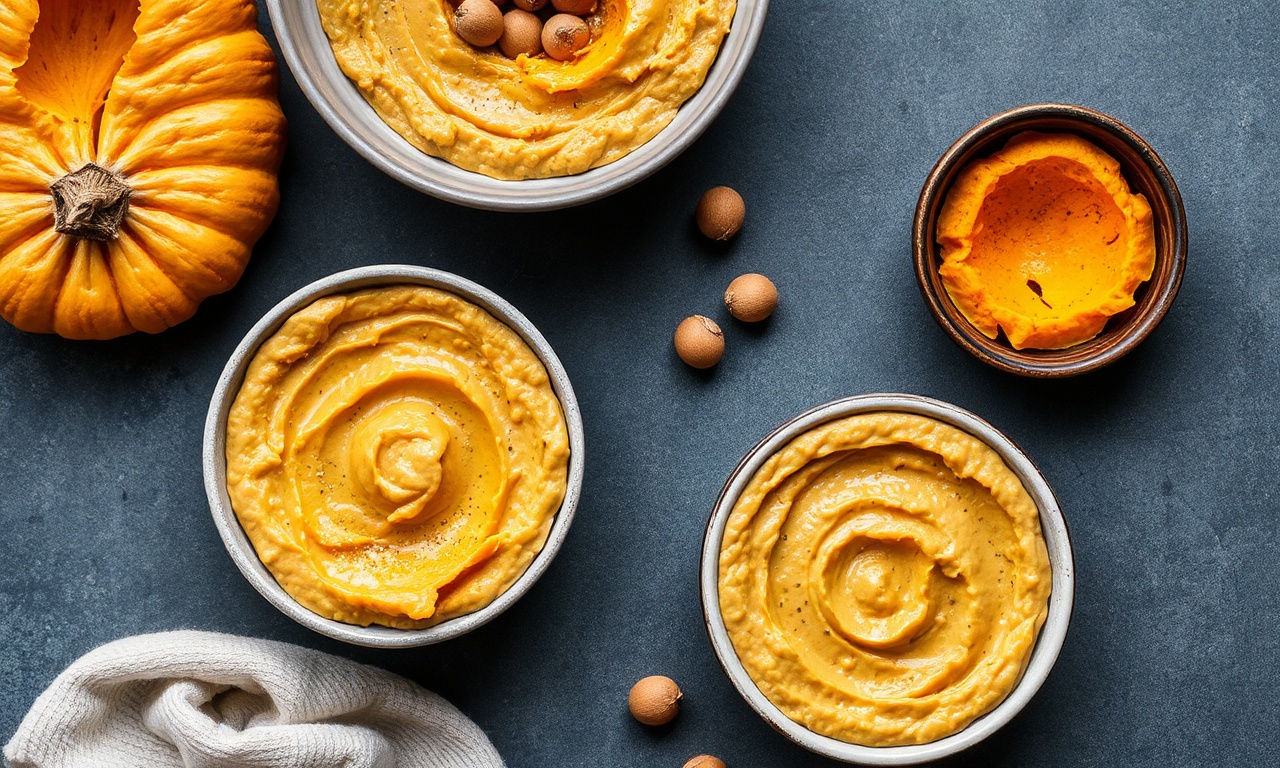
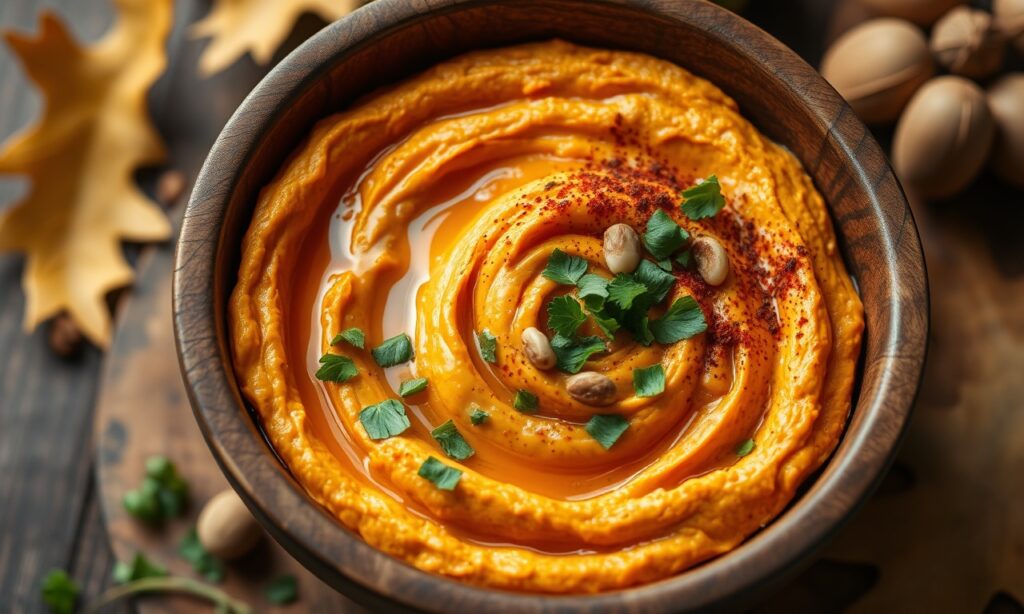
- Serve and Garnish: Transfer the finished butternut hummus to a shallow serving bowl. Create a slight well in the center with the back of a spoon, then generously drizzle with more extra virgin olive oil. For visual appeal and added textural complexity, garnish with a dusting of smoked paprika, a scattering of chopped toasted nuts (if using), and a sprinkle of finely chopped fresh parsley.
The Elevated Experience: Tips for Butternut Hummus Success
Achieving butternut hummus perfection is a nuanced endeavor that rewards attention to detail. The foundational element is focusing on technique. As previously detailed, the uniformity of your squash cubes directly influences roasting predictability, ensuring consistent sweetness and tenderness. Equally vital is the gradual addition of liquids during the blending phase. This controlled incorporation is the secret to stabilizing the emulsion, transforming a potentially watery mixture into a luxuriously thick and creamy dip. These seemingly minor actions are the cornerstones of superior texture and depth of flavor.
Furthermore, tasting as you go is not merely a suggestion; it is an imperative. Small adjustments to the balance of lemon juice and salt can elevate a good butternut hummus to an exceptional one. The acidity of the lemon brightens the earthy notes of the chickpeas and tahini, while the salt amplifies the natural sweetness of the squash. Don’t be afraid to experiment with these elements until the flavors sing in perfect harmony. For those seeking inspiration on other roasted vegetable variations, exploring roasted vegetable hummus recipes can unlock a world of new possibilities.
Make-Ahead & Storage: Preserving Butternut Hummus Excellence
The beauty of this butternut hummus extends to its practicality. For optimal flavor development, it is highly recommended to chill the dip for at least two hours before serving. This resting period allows the diverse aromatic compounds to meld and integrate, creating a more complex and harmonious taste profile. Additionally, the texture often firms slightly during this chilling process, enhancing its spreadability and overall mouthfeel.
When it comes to storage, airtight containers are your best friend. Properly sealed, the butternut hummus can be safely stored in the refrigerator for up to 4 to 5 days. Adhering to food safety guidelines, it’s important to refrigerate the dip within two hours of preparation and to always practice good hygiene during serving to prevent cross-contamination.
Serving Suggestions: Unleashing the Versatility of Butternut Hummus
This butternut hummus is a culinary chameleon, effortlessly transitioning from a casual weeknight snack to a sophisticated party centerpiece. Serve it with an assortment of accompaniments that offer contrasting textures and temperatures: warm pita wedges, crisp apple slices, vibrant carrot sticks, or chewy, warm flatbreads. The interplay of soft hummus with crunchy or chewy dippers is a delight to the palate.
For a truly autumnal spread, consider curating a platter that embraces the season’s flavors. Pair your butternut hummus with roasted spiced nuts, elegantly sliced pears, and hearty whole-grain crackers. Don’t shy away from experimenting with exciting toppings. A sprinkle of za’atar can introduce herbaceous depth, while pomegranate arils offer a bright, tart counterpoint. Toasted sesame seeds or pepitas add a delightful crunch and visual appeal. For further inspiration on seasonal dips, exploring collections focused on pumpkin and squash varieties can yield a wealth of creative ideas, allowing you to mix and match flavors across recipes for a truly unique culinary experience.
Nutritional Snapshot: The Wholesome Goodness of Butternut Hummus
Compared to its traditional chickpea-only counterpart, the inclusion of butternut squash in this hummus introduces a wealth of beneficial nutrients. Primarily, it significantly increases the intake of Vitamin A, a vital nutrient for vision, immune function, and skin health, largely thanks to the squash’s high beta-carotene content. Furthermore, the addition of squash can subtly temper the intensely earthy flavor of chickpeas, making the dip more approachable for a wider audience while still retaining its status as an excellent source of plant-based protein and dietary fiber. This nutritional profile makes butternut hummus a smart choice for both health-conscious individuals and those seeking delicious, satisfying dips.
| Nutrient | Per Serving (approximate) |
|---|---|
| Calories | 140 kcal |
| Protein | 5 g |
| Carbohydrates | 18 g |
| Fat | 6 g |
Understanding the nutritional contributions of core ingredients like chickpeas and tahini can further illuminate the health benefits of this dish.
Harvesting Flavor: Maximizing Seasonal Produce in Butternut Hummus
The true art of creating exceptional butternut hummus lies in leveraging the inherent qualities of seasonal produce. Roasting is not just a cooking method; it’s a flavor-amplification technique. This process concentrates the natural sugars present in the butternut squash, transforming them into rich, caramelized notes that form a robust savory base. These intensified flavors then meld beautifully with the nutty depth of tahini and the bright tang of citrus, creating a complex and satisfying profile. This deliberate approach highlights precisely why roasted squash is an unparalleled foundation for hummus.
The potential for customization is vast. Varying the spice profile can lead to entirely distinct flavor experiences. For instance, a touch of cinnamon can introduce a warm, subtly sweet dimension, perfect for a dessert-adjacent dip. A pinch of cayenne pepper can impart a gentle heat, adding a surprising kick to the savory-sweet profile. These small, strategic tweaks can transform a familiar dip into a memorable culinary creation, distinguishing your butternut hummus from the everyday.
Frequently Asked Questions
What makes butternut squash hummus ideal for fall?
The inherent characteristics of roasted butternut squash align perfectly with the autumn season. Its natural sweetness, vibrant orange hue, and slightly earthy undertones evoke the cozy, comforting flavors associated with fall harvests. When balanced with the savory richness of tahini and the bright acidity of lemon, the resulting butternut hummus captures the essence of the season in a delightful and versatile spread.
Can I substitute canned pumpkin for butternut squash?
While canned pumpkin can be used as a substitute, keep in mind that its water content and sweetness profile often differ from roasted butternut squash. Canned pumpkin tends to be more watery and may have a less concentrated sweetness. To compensate, you might need to adjust the amount of added water in the recipe and potentially increase the seasoning or sweetener to achieve a comparable flavor and texture in your butternut hummus.
How long does homemade butternut hummus keep?
When stored properly in an airtight container in the refrigerator, homemade butternut hummus can be enjoyed for up to 4 to 5 days. For the best quality and flavor, it’s recommended to consume it within this timeframe. Always perform a sensory check – looking for any off smells, unusual separation, or changes in texture – before serving to ensure freshness.
Is this hummus suitable for special diets?
Absolutely. This butternut hummus recipe is naturally vegan and gluten-free, making it an inclusive option for many dietary needs. It also provides valuable plant-based protein and fiber. For individuals avoiding nuts, the optional nut garnish can be omitted or substituted with toasted pumpkin seeds (pepitas) or crunchy roasted chickpeas for a safe and equally delicious alternative.
How can I achieve an ultra-smooth texture in my butternut hummus?
To achieve an exceptionally smooth texture, several factors come into play. Ensure the butternut squash is roasted until very tender. For an even finer result, consider peeling the chickpeas before processing, although this is a time-consuming step. The most critical aspect is the blending process: continue to process in a food processor or high-speed blender while gradually adding the olive oil and water. A short resting period in the refrigerator post-blending also aids in flavor integration and can contribute to a smoother overall mouthfeel.
RELATED TOPICS: Roasted Vegetable Dips, Autumnal Appetizers, Chickpea Recipes, Healthy Spreads, Seasonal Cooking.
See also: butternut hummus