
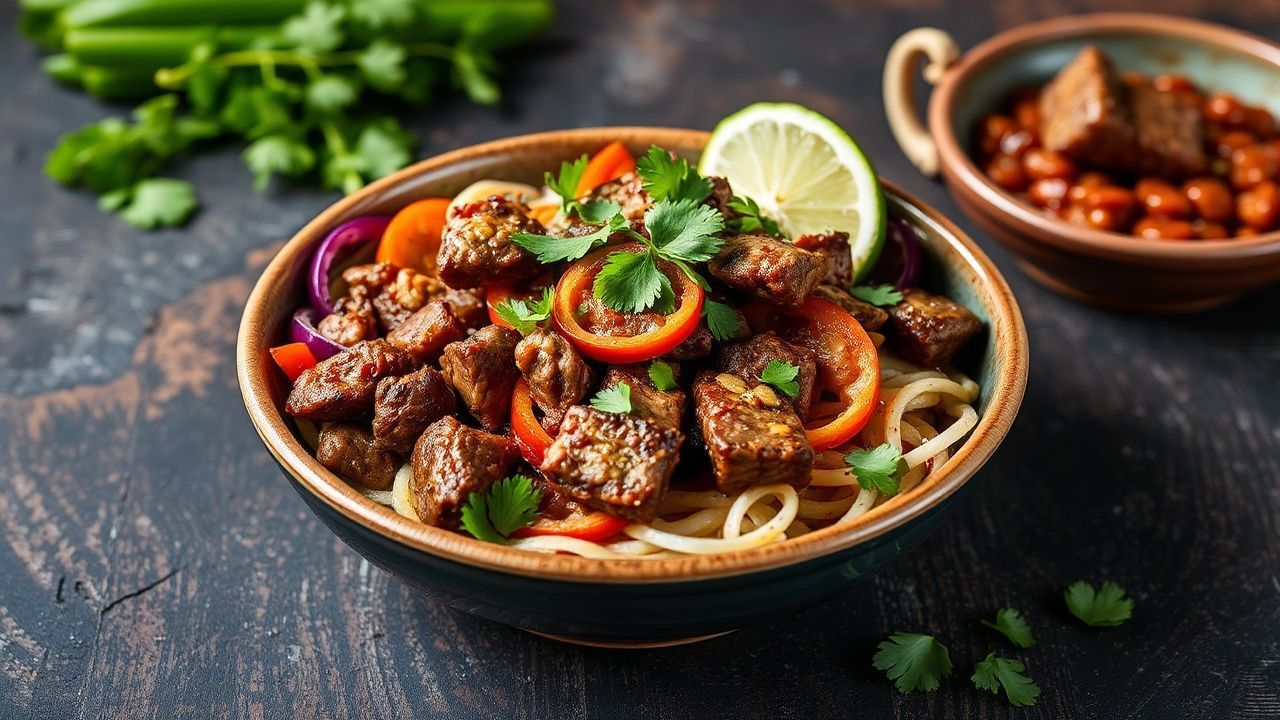
There’s something undeniably irresistible about the smoky sizzle and vibrant colors of a perfectly crafted beef fajita bowl. Bursting with bold spices, tender strips of marinated beef, and crisp, fresh vegetables, this dish turns a classic Tex-Mex favorite into a wholesome, satisfying meal. It also makes meal prep easier because you can mix and match components.
Whether you cook for two on a busy weeknight or feed a crowd on the weekend, a great beef fajita bowl follows a simple method. You start with properly sliced beef, build flavor with a well-balanced marinade, then cook hot and fast for the best char. Finally, you assemble with toppings that add crunch, acidity, and creamy contrast.
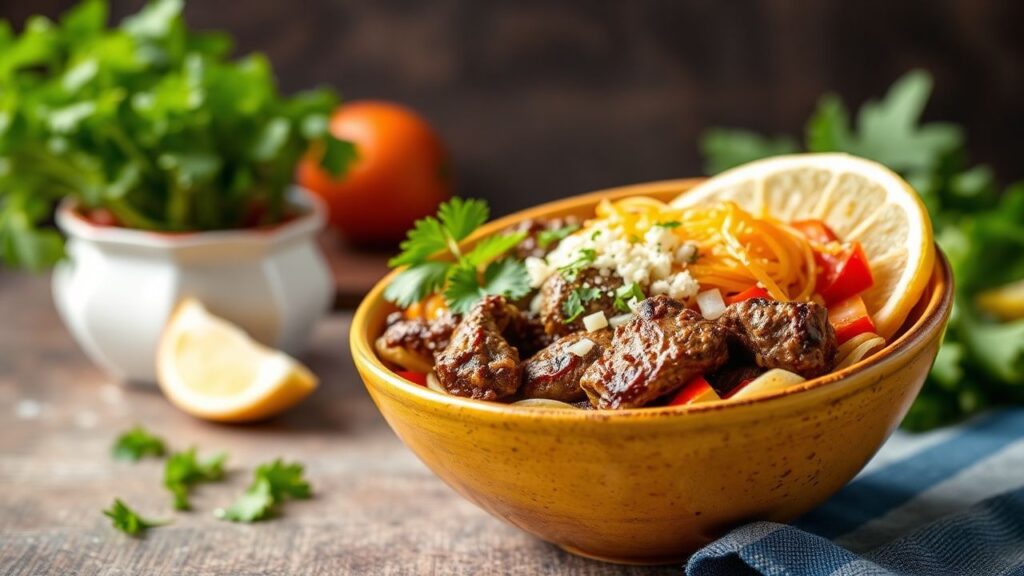
Ultimate Guide to Beef Fajita Bowls: Savor the Irresistible Flavor
First, focus on texture. Thinly sliced beef cooks quickly, so it stays juicy. Next, treat the peppers and onions as a second main component, because they bring sweetness and smoky edges. When those parts come together, the bowl tastes like fajitas—just deconstructed.
At a Glance
- Slice correctly: cut against the grain for tenderness.
- Marinate smart: lime, garlic, and spices boost flavor.
- Cook hot and fast: sear for char without overcooking.
- Build contrast: use creamy toppings and bright salsa.
This guide walks you step by step through prepping, cooking, and assembling a beef fajita bowl. You’ll also learn common mistakes to avoid, plus easy ways to adjust spice and swap ingredients. Keep the method consistent, and the results stay reliable.
Prep and Cook Time
Planning helps you keep everything warm at the same time. Aim to prep vegetables first, then marinate the beef, and finally cook right before assembly.
- Readiness: 20 minutes
- Marinating: 2 hours (or overnight for best results)
- Cooking: 15 minutes
- Total Time: Approximately 2 hours 35 minutes
If you need a quicker option, marinate at least 30 minutes. You’ll still get flavor from the lime juice and spices, though overnight gives deeper seasoning.
Yield and Difficulty Level
This recipe makes enough for four hearty bowls. You can scale it up easily by keeping the same beef-to-pepper ratio.
Yield: Serves 4 generous portions.
Difficulty Level: Medium—great for home cooks who want restaurant-style char.
Ingredients for Beef Fajita Bowls
Use fresh limes and quality spices for the best aroma. Also, choose bell peppers and onions that feel firm and heavy for their size.
- 1 ½ pounds flank steak, thinly sliced against the grain
- 3 tbsp fresh lime juice
- 2 tbsp olive oil, plus extra for cooking
- 4 garlic cloves, minced
- 1 ½ tsp ground cumin
- 1 ½ tsp smoked paprika
- 1 tsp chili powder
- ½ tsp dried oregano
- Salt and freshly ground black pepper, to taste
- 1 large red bell pepper, julienned
- 1 large green bell pepper, julienned
- 1 large yellow onion, thinly sliced
- 2 cups cooked cilantro-lime rice
- 1 cup black beans, rinsed and drained
- 1 avocado, sliced
- Fresh cilantro leaves for garnish
- 1 cup shredded sharp cheddar cheese (optional)
- Greek yogurt or sour cream, for topping
- Pickled jalapeños (optional)
For flavor science, note that cumin and smoked paprika create a warm, smoky profile similar to traditional fajita seasoning blends. If you want a deeper background on spices, see Spice on Wikipedia.
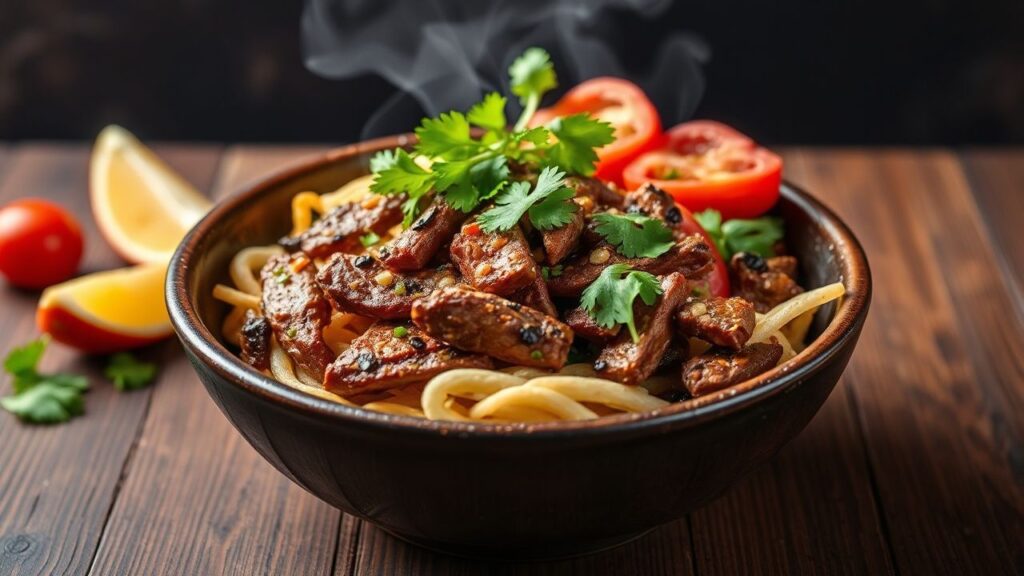
Instructions
Follow the order. Marinate first, sauté vegetables next, then sear the steak last. This keeps texture sharp and prevents the beef from drying out.
- Prepare the marinade: In a medium bowl, whisk lime juice, olive oil, garlic, cumin, smoked paprika, chili powder, oregano, salt, and pepper. Stir until the mixture looks evenly coated.
- Marinate the beef: Add sliced flank steak and toss until every strip gets covered. Cover and refrigerate for at least 2 hours, or overnight for ultra-tender results.
- Sauté the vegetables: Heat a large skillet over medium-high heat. Add a drizzle of olive oil, then cook peppers and onions until softened with slight char, about 7–8 minutes. Stir for even caramelization.
- Cook the steak: Remove beef from the marinade and let excess drip off. Sear in batches over high heat for 2–3 minutes per side, until medium-rare and nicely browned. Avoid overcrowding.
- Rest and assemble: Rest cooked beef for a few minutes. Warm the rice and black beans while the steak rests.
- Build your bowl: Add rice to the base, then black beans. Top with sautéed peppers and onions, and layer steak slices.
- Top with flair: Add avocado, cheese (optional), fresh cilantro, and Greek yogurt or sour cream. Finish with pickled jalapeños if you want extra heat.
- Enjoy instantly: Eat right away for the best contrast between warm beef, hot beans, and cool creamy toppings.
Beef cooks faster than most vegetables, so don’t wait on the stove. Keep components separated until the last moment, then assemble for peak flavor.
Expert marinades for beef fajita bowls
Lime juice adds acidity, and acidity helps flavor spread through the meat’s surface. Keep marinating time reasonable because very long exposure can change texture.
For more science on meat structure, you can reference meat and protein on Wikipedia.
Pro-Caution on searing
When you sear, work in batches and leave space in the pan. Crowding traps steam, which reduces browning and the smoky “fajita” look.
Tips for Success: Beef Fajita Bowls with Flair
You can make this recipe repeatable by focusing on three levers: slicing, heat, and balance. When those are right, the bowl tastes consistent even if you change toppings.
- Choosing the steak: Flank steak is lean and absorbs marinade well. Skirt steak also works with a similar fajita-style sear. Slice against the grain for tenderness.
- Marinating magic: Overnight helps the lime and spices flavor the meat more deeply. For quick cooking, 30–120 minutes still improves taste.
- Veggie variations: Add mushrooms or zucchini for extra volume. You can also use poblano peppers for a different mild-smoky profile.
- Make-ahead: Cook steak and vegetables ahead, then reheat briefly. Keep rice and beans separate so they don’t get soggy.
- Spice adjustment: Increase chili powder or add extra pickled jalapeños for heat. Balance with avocado and yogurt.
If you want to understand why “against the grain” matters, check meat cut on Wikipedia for general context. For general heat methods, searing can also help.
Serving Suggestions
Serve bowls hot with a cold topping contrast. A squeeze of fresh lime adds brightness, and cilantro boosts aroma right before eating.
If you enjoy a hands-on option, put warm tortillas on the side. Then you can eat the bowl with a fork or wrap parts like a mini fajita.
For a fresh topping like pico de gallo, use a mix of chopped tomatoes, onion, cilantro, and lime. For background on that style of fresh salsa, see Salsa on Wikipedia.
Presentation affects appetite. Arrange steak, peppers, and beans in visible layers so each bite includes at least two textures: char + cream + crunch.
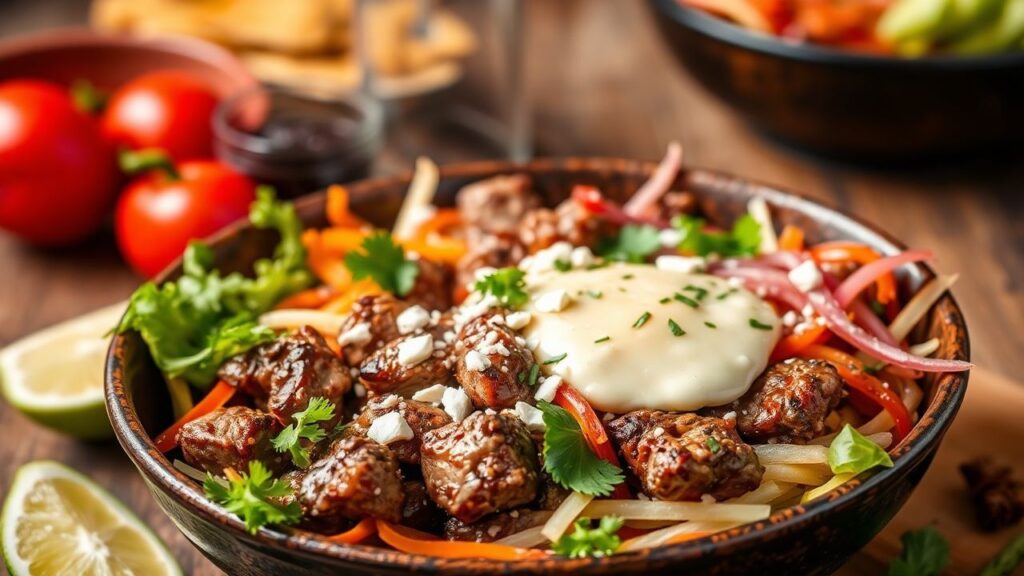
Nutritional Details Per Serving
Nutritional values vary based on portion size and toppings. Use this table as a practical estimate for a balanced bowl with rice, beans, beef, and common toppings.
| Calories | Protein | Carbohydrates | Fat |
|---|---|---|---|
| 480 kcal | 38 g | 34 g | 18 g |
If you change rice type, cheese amount, or yogurt brand, calories and macros will shift. Keep toppings simple if you’re aiming for tighter nutrition goals.
Key Takeaways
A beef fajita bowl tastes best when you treat it like a three-part plate: spiced beef, caramelized vegetables, and balanced toppings. Build each component well, then assemble right before eating.
- Sear for char: high heat and space in the pan.
- Marinate for flavor: lime, garlic, cumin, and paprika.
- Balance the bite: creamy yogurt, avocado, and bright salsa.
- Slice for tenderness: cut against the grain.
Whether you keep it classic or swap ingredients, this method keeps the fajita flavor intact. Use the tips above, and your bowls will feel fresh, bold, and repeatable every time.
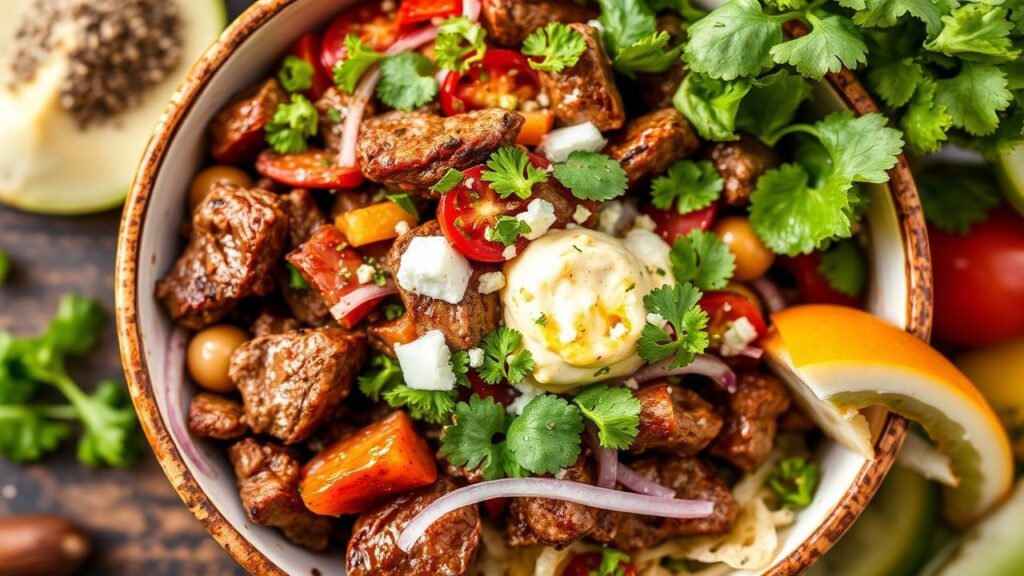
FAQ
What exactly is a beef fajita bowl?
A beef fajita bowl is a deconstructed fajita. You serve sizzling beef, sautéed peppers and onions, rice, beans, and toppings in a bowl instead of wrapping them in a tortilla.
This format makes portion control easy and lets you customize toppings for each bite.
Which cut of beef works best for fajita bowls?
Flank steak and skirt steak are ideal because they sear quickly and take on marinades well. They also slice beautifully when you cut against the grain.
If you prefer a thicker cut, sirloin can work, but it may need more careful cooking to avoid dryness.
How long should I marinate beef for fajita bowls?
Plan for at least 2 hours for noticeable flavor. Overnight marinating gives the strongest seasoning impact.
For a faster option, marinate 30–60 minutes and still follow high-heat searing to protect texture.
What toppings make the bowl taste most like restaurant fajitas?
Use a creamy element (Greek yogurt or sour cream) plus fresh brightness (lime and cilantro). Avocado adds richness, and pickled jalapeños add tangy heat.
For added texture, you can finish with extra charred peppers or a sprinkle of cheese.
Can I meal prep beef fajita bowls?
Yes. Cook beef and vegetables ahead, store components separately, and reheat briefly. Keep rice and beans fresh in separate containers so your bowls stay crisp and well-textured.
Then assemble at serving time and add fresh toppings last.
See also: beef fajita