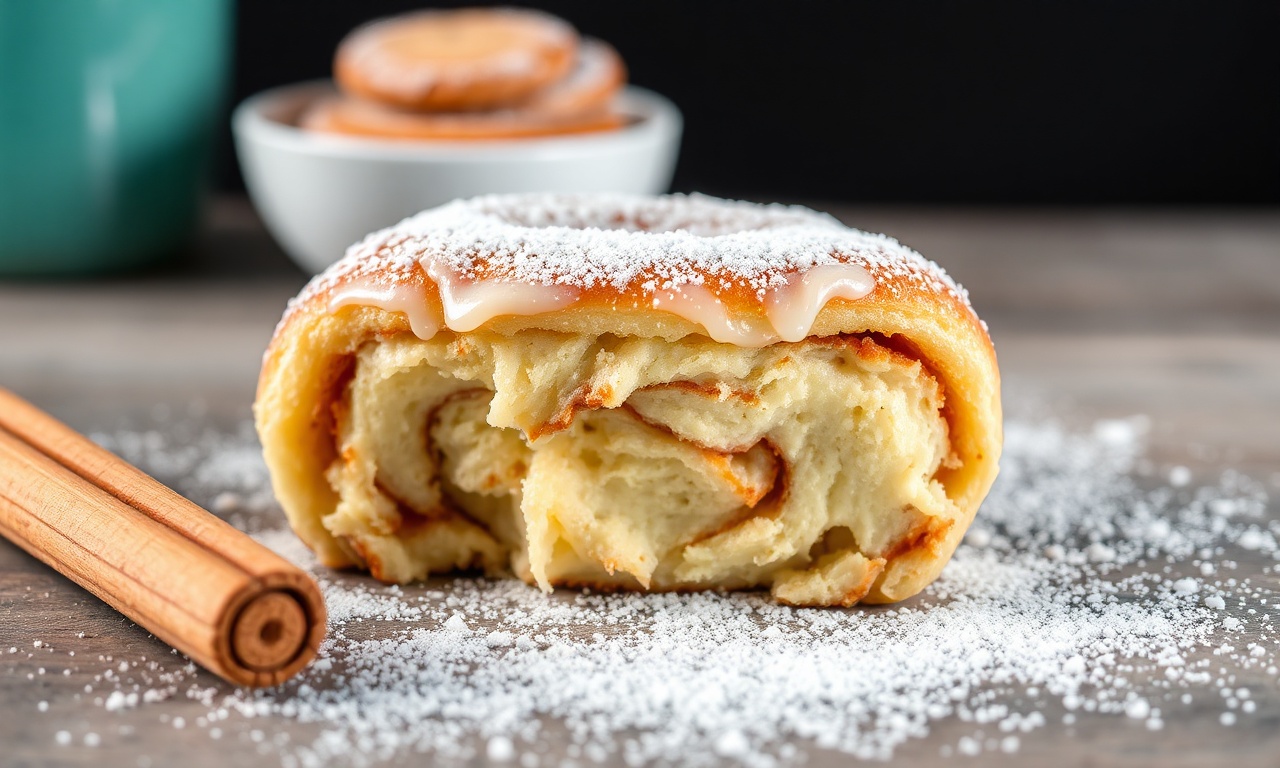
The Unfulfilled Promise of Low-Carb Baking: Why So Many Keto Rolls Fail
Let’s be brutally honest: for years, the promise of a truly satisfying, warm, and gooey cinnamon roll on a ketogenic diet felt like a distant dream. Too often, the reality was a dense, dry, crumbly puck that bore little resemblance to its carby counterpart. The culinary landscape of low-carb baking has been littered with these disappointing attempts, leaving many to believe that achieving that perfect, yielding texture is simply impossible without wheat flour and sugar. This skepticism is understandable, born from countless failed batches. But what if I told you that the secret to transcendent keto rolls isn’t just a matter of swapping ingredients, but a nuanced understanding of *how* those ingredients interact, and a precise mastery of technique?
- The Unfulfilled Promise of Low-Carb Baking: Why So Many Keto Rolls Fail
- Deconstructing the Keto Roll: Ingredients That Build Structure and Tenderness
- Mastering the Dough: Hydration, Chilling, and the Art of Rolling
- The Flavorful Heart: Crafting the Perfect Cinnamon-Spiced Swirl
- The Critical Bake: Achieving that Irresistible Gooeyness
- The Finishing Touch: The Power of a Warm, Melting Glaze
- Troubleshooting Common Keto Roll Calamities
- Serving and Storing Your Masterpiece
- Frequently Asked Questions About Keto Rolls
- How do keto rolls fundamentally differ from traditional cinnamon rolls?
- What causes keto rolls to become dry and how can I prevent it?
- Can I make keto rolls dairy-free or vegan?
- What is the role of psyllium husk powder in keto rolls, and why is precise measurement so important?
- How should I store and reheat leftover keto rolls to maintain their gooeyness?
- Final Recommendations: Elevating Your Keto Baking Game
Ketogenic diet, often referred to as keto, focuses on reducing carbohydrate intake significantly. When it comes to achieving perfect keto rolls, the pursuit of the perfect gooey keto roll is not a futile quest; it’s a science and an art, demanding a deeper appreciation for the fundamental principles of baking and the unique challenges of carbohydrate restriction.
In the context of keto rolls, The pursuit of the perfect gooey keto roll is not a futile quest; it’s a science and an art, demanding a deeper appreciation for the fundamental principles of baking and the unique challenges of carbohydrate restriction.
Key Takeaways
- Psyllium Husk is Paramount: This fiber powerhouse is the unsung hero, providing the essential elasticity and moisture-retention that mimics gluten’s structure. Precision in measurement is non-negotiable.
- The Fat-Moisture Equilibrium: Achieving the ideal texture hinges on a delicate balance between healthy fats (from butter, cream cheese, and almond flour) and the right amount of liquid. Too much or too little, and you’re destined for dryness or gumminess.
- Temperature Control is Crucial: From room-temperature eggs to the final bake time, managing temperature directly impacts dough consistency, ingredient integration, and the final gooeyness of your keto rolls.
- The Glaze is Not an Afterthought: A hot, luscious glaze applied to warm rolls is the final step that seals in moisture and elevates the entire experience, creating that sought-after molten center.
Deconstructing the Keto Roll: Ingredients That Build Structure and Tenderness
Unlike traditional baking, where gluten provides the inherent structure and elasticity, low-carb baking requires us to build this framework from scratch. The foundation of exceptional keto rolls lies in a strategic blend of flours and binders. Almond flour, particularly finely ground and sifted, offers a tender, buttery crumb, forming the bulk of our dough. However, relying solely on almond flour can lead to a fragile outcome. This is where coconut flour steps in, not just as a flavor enhancer, but as a critical absorbent agent that helps control the dough’s hydration and prevent it from becoming too greasy.
The true magic, however, resides in the dynamic duo of psyllium husk powder and xanthan gum. Psyllium husk powder is, without question, the most pivotal ingredient for achieving that coveted “gooey” texture in keto rolls. When hydrated, it forms a gel-like matrix that mimics the viscoelastic properties of gluten, providing stretch and preventing the rolls from crumbling. Its ability to absorb and retain moisture is unparalleled in low-carb baking. Research published in the Journal of Agricultural and Food Chemistry highlights the significant role of dietary fibers, like those found in psyllium, in modifying dough rheology and improving textural properties in gluten-free baked goods. Without adequate psyllium, your keto rolls will remain stubbornly dry and crumbly.
Around keto rolls, Xanthan gum, a powerful polysaccharide, complements psyllium by further enhancing chewiness and aiding in the emulsification of fats and liquids. It acts as a stabilizer, preventing separation and contributing to a smoother, more cohesive dough. The precise ratio of almond flour to coconut flour, and the exact measurement of psyllium husk powder, are not mere suggestions; they are the cornerstones of success. Deviating from these carefully calibrated proportions is the most common pitfall, leading to either a dough that is too wet and sticky, or one that is too dry and unmanageable.
The Flour Foundation:
- Almond Flour: Opt for finely ground, blanched almond flour. The finer the grind, the more tender the crumb. Sifting is essential to remove any clumps and ensure uniform distribution.
- Coconut Flour: Use sparingly. Coconut flour is highly absorbent and can quickly turn a dough dry if overused. It contributes to structure and a slightly firmer texture, balancing the richness of almond flour.
The Binding and Elasticity Agents:
- Psyllium Husk Powder: This is your gluten substitute for keto rolls. It’s crucial to use the *powder* form, not whole husks, for optimal integration. Accurate weighing is non-negotiable; too much leads to a gummy texture, too little results in fragility.
- Xanthan Gum: A small amount goes a long way. It provides that essential chewiness and helps bind everything together, preventing a crumbly texture.
Mastering the Dough: Hydration, Chilling, and the Art of Rolling
Regarding keto rolls, The creation of a pliable, workable dough is where many low-carb bakers falter. Unlike wheat-based doughs that develop gluten with kneading, keto doughs are more delicate and require a gentler touch. The interaction between the dry ingredients and the wet components is critical. Eggs, at room temperature, provide essential binding and richness. Softened cream cheese and melted butter not only add moisture and fat but also contribute to a tender crumb and a slightly tangy undertone that complements the sweetness.
When it comes to keto rolls, The key to a dough that rolls cleanly, rather than tears or sticks, is proper hydration and a crucial chilling period. When you first combine the wet and dry ingredients, the dough might seem a bit too soft or sticky. This is where patience and understanding come into play. The psyllium husk powder will begin to absorb moisture and thicken the dough over time. Resist the urge to add more flour immediately. Instead, allow the dough to rest for a brief period, letting the psyllium work its magic.
In the context of keto rolls, 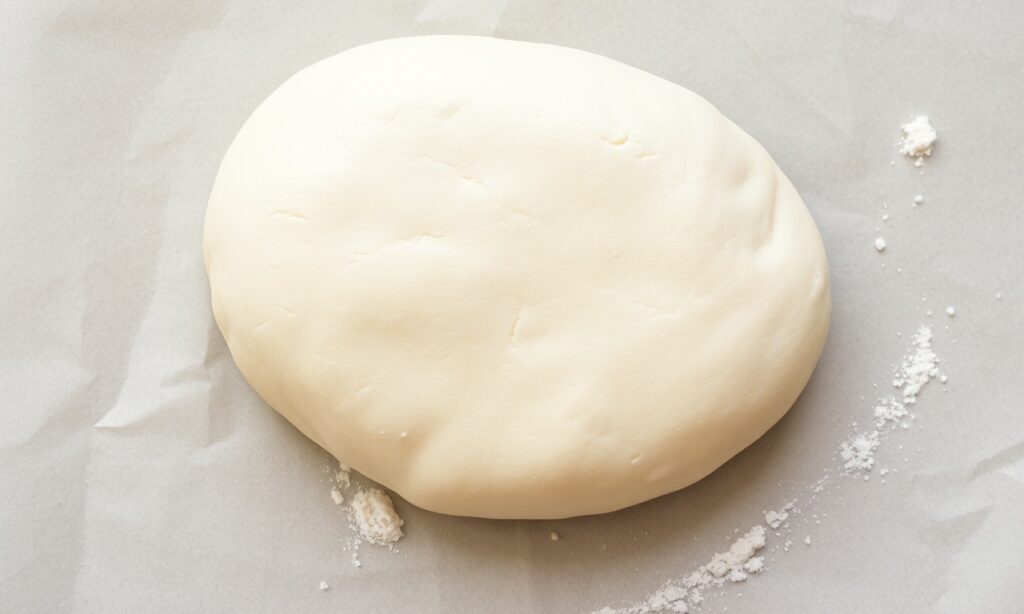
Around keto rolls, Once the dough has reached a workable consistency – soft, pliable, and only slightly tacky – it’s time for the essential chilling phase. Wrapping the dough tightly in plastic wrap and refrigerating it for at least 30 minutes, or up to an hour, firms it up considerably. This is not merely a waiting game; it’s a critical step that makes the dough much easier to handle, preventing it from sticking to your rolling pin and ensuring cleaner cuts when you shape your rolls.
Rolling the dough between two sheets of parchment paper is the most effective method for keto rolls. This technique prevents sticking and allows for even pressure application. Aim for a roughly rectangular shape, about 10×12 inches. The thickness should be consistent, around ¼ to ½ inch, to ensure even baking and a pleasing swirl. Overworking the dough during rolling can toughen it, so aim for gentle, even pressure.
The Flavorful Heart: Crafting the Perfect Cinnamon-Spiced Swirl
The soul of any cinnamon roll, keto or otherwise, lies within its spiced filling. For keto rolls, this means creating a blend that delivers maximum flavor impact without relying on granular sugars that can create a gritty texture or burn during baking. The perfect filling is a harmonious marriage of warming spices and a finely powdered sweetener.
Ground cinnamon is, of course, the star of the show. Use a good quality, aromatic cinnamon for the most vibrant flavor. To complement and enhance the cinnamon’s warmth, a touch of nutmeg and a whisper of ground ginger add complexity. Some bakers even include a tiny pinch of ground clove, but this spice is potent, so use it judiciously to avoid overpowering the other flavors. The key to a truly integrated filling for your keto rolls is to mix these spices thoroughly with a powdered keto sweetener. This ensures that the sweetness is evenly distributed and melts seamlessly into the dough during baking, rather than sitting in distinct, crunchy pockets.
When spreading this spiced mixture onto your rolled-out dough, aim for an even layer across the entire surface, leaving a small border along one edge. This border will help seal the log when you roll it up, preventing the filling from leaking out. Gently press the filling into the dough with your fingertips or a bench scraper. This ensures good adhesion and prevents air pockets from forming, which can lead to uneven baking. The goal is a uniform layer of spice that permeates every bite of the finished keto roll.
The Critical Bake: Achieving that Irresistible Gooeyness
The baking phase is where the transformation truly happens, and it’s also where many keto rolls meet their demise, becoming dry and uninspired. The temperature and duration of the bake are paramount. A moderately high oven temperature, typically around 350°F (175°C), is ideal for achieving a golden-brown crust while allowing the interior to cook through without drying out.
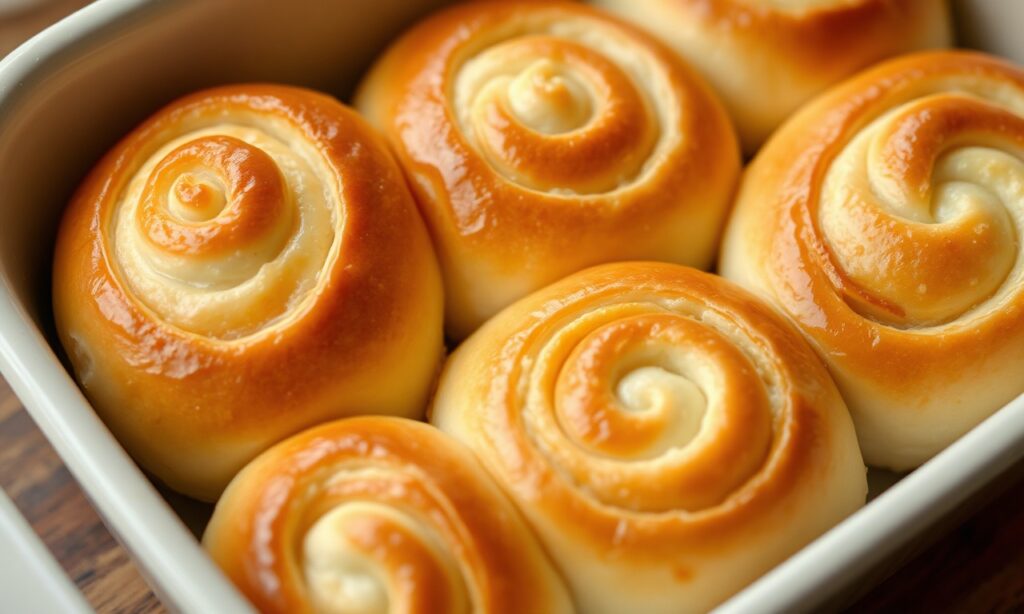
Crucially, do not overbake your keto rolls. The visual cues are important here: the edges should be golden, and the centers should appear set but still slightly soft. A common mistake is to bake until the rolls are completely firm, which inevitably leads to a dry interior. The residual heat will continue to cook the rolls as they cool, especially when the glaze is applied.
The “rest” period before baking is also a vital, though often overlooked, step. After slicing the log into individual rolls and placing them in their baking dish, allowing them to sit, covered loosely, in a warm spot for about an hour serves a purpose similar to a brief proofing time in traditional baking. This rest period allows the dough to relax, the psyllium to fully hydrate, and the flavors to meld, contributing to a more tender and cohesive final product. This short rest can significantly improve the overall texture and moisture retention of your keto rolls.
The Finishing Touch: The Power of a Warm, Melting Glaze
The crowning glory of any cinnamon roll is its glaze, and for keto rolls, this finishing flourish is not merely decorative; it’s functional. A warm, luscious glaze applied to hot rolls is the secret weapon for achieving that final layer of gooeyness and ensuring moisture is locked in. The traditional cream cheese frosting is a natural fit for keto baking, offering a tangy counterpoint to the sweetness and spice.
To create an irresistible glaze for your keto rolls, start with softened cream cheese and softened butter. Whip these together until they are exceptionally smooth and creamy. This is where the powdered keto sweetener comes into play again. Using a powdered sweetener, such as erythritol or a blend with allulose, is essential for a smooth, lump-free glaze. Allulose, in particular, offers a superior mouthfeel and a slight caramelization that erythritol alone can’t achieve.
The consistency of the glaze is key. It should be thick enough to coat the rolls but thin enough to melt and seep into the crevices. This is where heavy cream is your best friend. Add it gradually, a tablespoon at a time, whipping until you achieve a pourable, yet still rich, consistency. A splash of vanilla extract enhances the overall flavor profile.
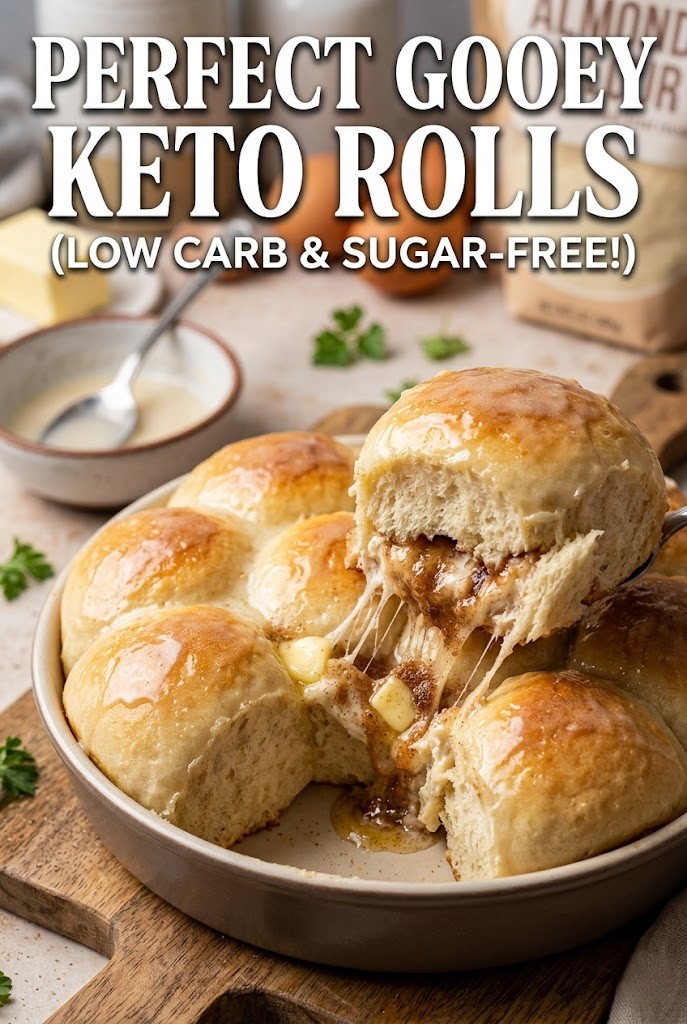
The magic happens when you apply this glaze to the rolls *immediately* after they come out of the oven, while they are still piping hot. The heat of the rolls will cause the glaze to melt, spreading over the surface and dripping down into the swirls. This not only creates a visually appealing sheen but, more importantly, it helps to seal in the moisture within the rolls, ensuring that the center remains wonderfully gooey and tender. This step is non-negotiable for achieving that truly indulgent experience with your keto rolls.
Troubleshooting Common Keto Roll Calamities
Even with meticulous attention to detail, occasional challenges can arise when making keto rolls. Understanding common pitfalls and their solutions can save your bake and boost your confidence.
Dryness: The Most Feared Foe
- Cause: Overbaking is the primary culprit for dry keto rolls. Insufficient fat content in the dough or glaze can also contribute.
- Solution: Use an oven thermometer to ensure accurate temperature. Reduce baking time by 2-3 minutes and check for doneness. Ensure you are using the specified amounts of butter and cream cheese. Apply the glaze while the rolls are still hot.
Gummy or Dense Texture:
- Cause: Too much psyllium husk powder or xanthan gum, or insufficient baking time for your keto rolls.
- Solution: Measure psyllium husk powder precisely by weight. Ensure your dough isn’t overly wet before chilling. Bake until a toothpick inserted into the center comes out mostly clean, but not bone dry.
Crumbly or Fragile Rolls:
- Cause: Not enough psyllium husk powder or binder, or dough that was too dry and didn’t hydrate properly for your keto rolls.
- Solution: Ensure you are using the correct amount of psyllium husk powder. Allow the dough to rest after initial mixing to allow hydration to occur. Ensure eggs and other wet ingredients are at room temperature for better incorporation.
Serving and Storing Your Masterpiece
The moment of truth arrives when you can finally savor your perfectly gooey keto rolls. They are best enjoyed warm, fresh from the oven, allowing the glaze to still be slightly molten. Pair them with your favorite unsweetened coffee, a soothing herbal tea, or even a rich, dark hot chocolate for an indulgent treat. For an added textural contrast, a sprinkle of toasted chopped pecans or a dusting of toasted coconut flakes can elevate the experience.
When it comes to storage, keto rolls are best consumed within a few days. Store any leftovers in an airtight container at room temperature for up to two days, or in the refrigerator for up to four days. To reheat, gently warm them in a low oven (around 300°F / 150°C) for 8-10 minutes. This low-temperature reheating method is crucial for reviving their gooey texture without drying them out. Freezing is also a viable option; wrap individual rolls tightly in plastic wrap, then place them in a freezer-safe bag or container. Thaw overnight in the refrigerator and reheat as described.
Frequently Asked Questions About Keto Rolls
How do keto rolls fundamentally differ from traditional cinnamon rolls?
The core difference lies in their ingredient composition. Traditional cinnamon rolls rely on wheat flour for structure and refined sugar for sweetness and caramelization. Keto rolls replace these with low-carbohydrate flours like almond and coconut flour, and utilize keto-friendly sweeteners. The primary challenge in keto rolls is replicating the gluten’s elasticity and moisture-retention, which is achieved through ingredients like psyllium husk powder and xanthan gum.
What causes keto rolls to become dry and how can I prevent it?
The most common cause of dryness is overbaking. Keto-friendly flours lack the gluten structure that provides a buffer against moisture loss during extended baking. Insufficient fat content in the dough or glaze also contributes to dryness. To prevent this, monitor baking times closely, use an oven thermometer for accuracy, and ensure adequate butter and cream cheese are incorporated. Applying a warm glaze to hot rolls is critical for sealing in moisture.
Can I make keto rolls dairy-free or vegan?
Yes, with some adjustments. For dairy-free, substitute the cream cheese with a rich, unsweetened coconut cream cheese alternative and use a plant-based butter substitute for the butter. For vegan rolls, you would also need to replace the eggs with a suitable vegan binder, such as a flax egg or commercial egg replacer. Be aware that these substitutions may slightly alter the texture, so it’s advisable to test a small batch first.
What is the role of psyllium husk powder in keto rolls, and why is precise measurement so important?
Psyllium husk powder is the linchpin for achieving a desirable texture in keto rolls. It acts as a binder and provides elasticity and moisture retention that mimics gluten. When hydrated, it forms a gel that gives the dough its structure and chewiness. Precise measurement is critical because too much psyllium can lead to an unpleasantly gummy or rubbery texture, while too little will result in rolls that are fragile, crumbly, and lack the essential gooeyness.
How should I store and reheat leftover keto rolls to maintain their gooeyness?
Store leftover keto rolls in an airtight container. At room temperature, they are best within 1-2 days. In the refrigerator, they can last up to 4 days. To reheat and preserve their gooey center, avoid microwaving, which can make them tough. Instead, gently warm them in a preheated oven at a low temperature (around 300°F / 150°C) for 8-10 minutes. This low heat revives their moisture without overcooking them.
Final Recommendations: Elevating Your Keto Baking Game
The journey to the perfect gooey keto roll is one of precision, understanding, and a touch of culinary artistry. By mastering the interplay of low-carb flours, leveraging the power of psyllium husk, controlling hydration and temperature, and finishing with a warm, luscious glaze, you can consistently produce rolls that rival their traditional counterparts. Don’t be discouraged by past failures; view them as learning opportunities. Embrace the science behind these ingredients, practice the techniques diligently, and you will unlock a world of delicious, guilt-free indulgence. The satisfaction of biting into a warm, soft, and undeniably gooey keto roll is a reward well worth the effort.
RELATED TOPICS: Low-carb baking, keto desserts, gluten-free recipes, psyllium husk benefits, sugar-free sweeteners.
See also: keto rolls