
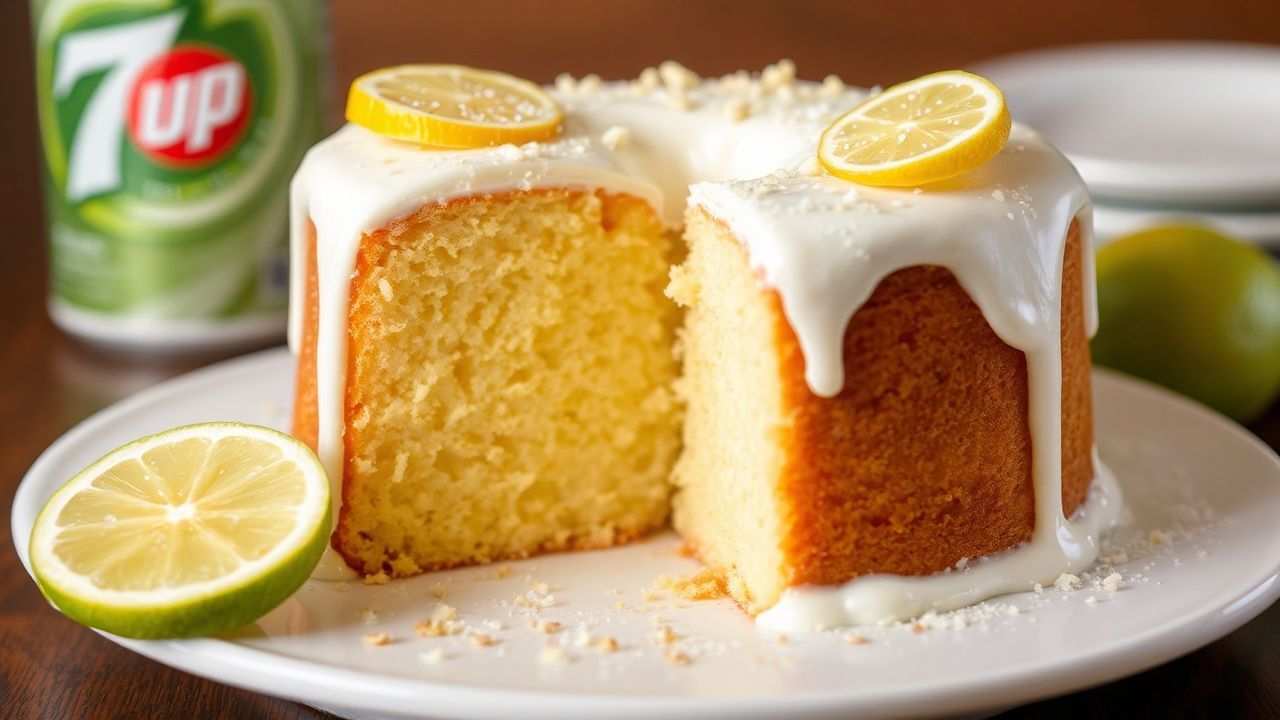
7-Up pound cake earns its fan base for one reason: it tastes bright, not heavy. The lemon-lime notes stay fresh, while the crumb bakes tender and sliceable—thanks to carbonation plus citrus zest.
- What Makes This 7-Up Pound Cake Different
- Why 7-Up Creates Lift, Tenderness, and Zesty Aroma
- Carbonation vs. Leavening: How the Texture Gets So Soft
- Prep and Timing (So You Bake Without Stress)
- Yield and Difficulty
- Ingredients for 7-Up Pound Cake (Zesty Citrus Sparkle)
- Instructions: How to Bake Perfect 7-Up Pound Cake
- Chef Tips for Moist Citrus Success
- Serving Ideas: Zesty Slices That Taste Fresh
- How the Citrus Balance Works (Sweet, Bright, Not Harsh)
- In Summary: Your Reliable 7-Up Pound Cake Formula
- FAQ
- Carbonation from 7-Up helps the batter lift and stay soft.
- Lemon zest + lime juice deliver real aroma without cloying sweetness.
- Gentle mixing protects crumb tenderness once flour goes in.
- Full cooling helps the Bundt structure set cleanly.
What Makes This 7-Up Pound Cake Different
Classic pound cake relies on butter, eggs, and sugar for structure and richness. This version keeps those fundamentals, then swaps in 7-Up to influence both rise and texture.
Instead of loading extra leavening, you use a fizzy soda to create a lighter crumb. The result feels “pound-cake rich,” but it doesn’t sit like a dense, buttery brick.
If you want to understand how batter becomes cake, read about baking. Heat drives chemistry, and the small changes you make—like adding carbonation—matter.
Also, citrus doesn’t just taste good here—it performs. Acids can sharpen flavors and balance sweetness, which helps the lemon-lime profile feel lively instead of sugary. For a foundation, see acids in food.
Why 7-Up Creates Lift, Tenderness, and Zesty Aroma
When you cream butter and sugar first, you trap air and build a stable batter base. Then the carbonation in 7-Up contributes extra micro-bubbles that expand during baking, which supports a lighter crumb.
At the same time, zest adds aromatic compounds. Citrus oils distribute through the batter, and heat releases that perfume as the cake bakes. That’s why your kitchen smells like lemon-lime even before slicing.
For the structural science behind this mix, it helps to understand gluten formation. You do want gluten to set the cake, but you don’t want excess development that makes the crumb firm.
Mixing speed decides where the line falls. Once flour and soda enter, overmixing builds more gluten than you need. So stop as soon as the batter looks smooth and uniform.
Carbonation vs. Leavening: How the Texture Gets So Soft
Baking powder still plays a role in this recipe, but 7-Up adds a second “lift mechanism.” Carbonation releases gas during mixing and again during baking, which can create a finer, more tender crumb.
This effect works best when the soda stays cold. Cold carbonation holds its fizz longer, so you get more lift at the moment you need it—when the batter goes into the oven.
Temperature matters in the oven, too. For a clear overview of how oven conditions affect baked goods, review oven basics. Stable heat supports even rise and consistent browning.
That’s why preheating fully matters. If your oven hasn’t reached temperature, the cake starts baking at a slower pace, and the center may set differently.
Prep and Timing (So You Bake Without Stress)
This cake follows a straightforward pound-cake method: cream, add eggs, add zest, fold in dry ingredients, then bake. If you keep your 7-Up chilled and mix gently, the process stays easy.
Use timing as your guardrail. When you plan your bake window, you avoid leaving soda out too long, and you keep batter consistent from one step to the next.
- Readiness: about 20 minutes
- Baking: 55–65 minutes
- Total time: roughly 1 hour 15 minutes to 1 hour 25 minutes
If your kitchen runs cool, warm your butter and eggs to room temperature. Room-temperature ingredients emulsify more easily, so your batter looks glossy and smooth instead of grainy.
For background on how heat changes food over time, consult cooking. It reinforces why steady baking and cooling really do affect final texture.
Yield and Difficulty
This recipe makes one 10-inch Bundt cake. Expect about 10–12 slices, depending on how thick you cut.
Difficulty stays in the easy-to-medium range. You don’t need special tools—just careful mixing and proper pan prep.
For leavening context, review baking powder. It helps explain why the cake rises even with gentle mixing.
Bundt pans also reward good technique. Grease fully, then dust, then tap out excess flour so the cake releases cleanly.
Ingredients for 7-Up Pound Cake (Zesty Citrus Sparkle)
Gather your ingredients first. Room-temperature butter and eggs build a stable emulsion, which creates a smoother crumb and better rise.
Measure dry ingredients carefully, and sift when the recipe calls for it. Even small lumps in flour can show up as dry pockets in a dense pound cake.
Choose fresh citrus for the best aroma. Zest contains most of the fragrance, while the white pith can taste bitter after baking.
Ingredient List
- 2 ½ cups all-purpose flour, sifted
- 2 teaspoons baking powder
- ½ teaspoon salt
- 1 cup unsalted butter, softened
- 1 ¾ cups granulated sugar
- 4 large eggs, room temperature
- 1 cup 7-Up soda, chilled
- 2 teaspoons pure vanilla extract
- 2 tablespoons fresh lemon zest, finely grated
- 1 tablespoon fresh lime juice
- Powdered sugar, optional for dusting
Use only the bright yellow zest layer. If you accidentally grate into the pith, bitterness can creep in and overpower the citrus sparkle.
Keep 7-Up cold until you pour it into the batter. Once warmed, carbonation fades, and you lose some of that signature lift.
Instructions: How to Bake Perfect 7-Up Pound Cake
Follow the sequence closely. Creaming builds structure, eggs add richness, zest adds aroma, and the final mixing method protects tenderness.
Pay special attention after you add flour. That’s the stage where overmixing quietly changes the final texture.
For general temperature principles, refer to baking temperature. It helps you understand why small shifts can affect rise and bake time.
- Preheat to 325°F (163°C). Grease a 10-inch Bundt pan thoroughly with butter, then dust lightly with flour. Tap out excess.
- Sift flour, baking powder, and salt into a bowl. Set aside.
- Cream butter and sugar on medium speed for 4–5 minutes, until pale and fluffy.
- Add eggs one at a time. Mix until each egg disappears, scraping the bowl as needed.
- Add flavor: mix in lemon zest, lime juice, and vanilla.
- Combine gently: add dry ingredients and 7-Up in three additions. Start and end with dry. Mix on low only until no dry streaks remain.
- Fill the pan and smooth the top with a spatula.
- Bake 55–65 minutes. A toothpick near the center should come out clean. If the top browns quickly, tent loosely with foil.
- Cool in the pan for 15 minutes. Invert onto a wire rack and cool completely before slicing.
- Finish with powdered sugar if you like.
Cooling isn’t optional for a Bundt cake. The crumb firms as it cools, which makes slices hold their shape. Cutting too early can lead to crumbling.
If you’re troubleshooting, consider how fat and heat work together in baked goods. For a baseline, see fat in baking.
Also, don’t let the soda sit out. Carbonation weakens as 7-Up warms, so add it chilled for the best lift.
If your oven runs uneven, use an oven thermometer. A few degrees can shift the center-set time, which affects moisture and texture.
This approach controls gluten development without sacrificing the cake’s airy, tender crumb. It also keeps the citrus flavor bright instead of muted.
Chef Tips for Moist Citrus Success
Small choices create big differences in pound cake. These tips focus on aroma strength, crumb tenderness, and preventing a gummy center.
First, keep butter and eggs at room temperature. That helps the batter emulsify, which supports an even crumb and better rise.
- Use fresh lemon zest for stronger aroma.
- Measure zest accurately and avoid the white pith.
- Sift flour and baking powder to prevent lumps.
- Keep 7-Up chilled until mixing time.
- Grease and flour the Bundt pan thoroughly for clean release.
If you don’t have 7-Up, choose a clear lemon-lime soda with similar sweetness and carbonation. Avoid darker or heavily flavored options, since they can overpower the citrus zest.
For a nutty twist, fold in about ½ cup chopped toasted pecans or walnuts during the final mixing step. Keep folding light so the nuts don’t make the batter dense.
For make-ahead plans, wrap the cooled cake tightly. Store it at room temperature up to 3 days, and avoid exposing it to strong odors that can absorb into baked goods.
Serving Ideas: Zesty Slices That Taste Fresh
Slice the cake slightly thick for the best bite. The crumb stays tender, and the lemon-lime aroma reads most clearly at cool room temperature.
Serve with whipped cream, Greek yogurt, or mascarpone for creamy contrast. Add fresh berries to boost brightness and make the citrus flavor feel even more alive.
If you want a simple glaze, whisk powdered sugar with a small splash of lemon juice. Drizzle after the cake cools so the glaze clings instead of soaking in.
You can also serve this cake warm, but wait a few minutes first. Hot cake melts glaze quickly, so cooled cake gives cleaner slices and a neater presentation.
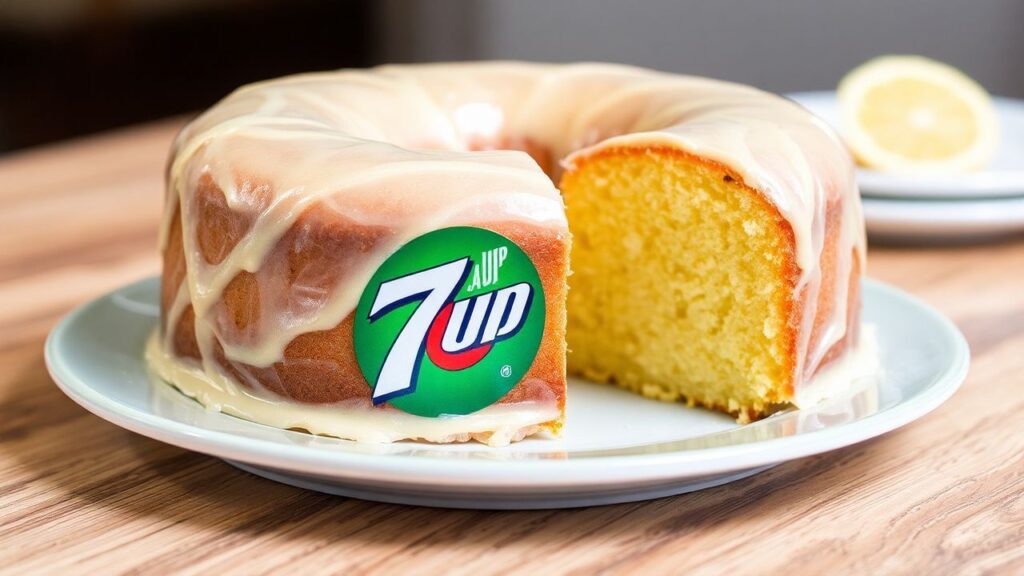
For a dessert plate, pair it with vanilla ice cream. If you enjoy tropical notes, coconut ice cream also complements lemon-lime without clashing. For a tangy finish, warm berry compote works beautifully.
When storing, wrap the cake to protect both moisture and aroma. For longer holding, freeze slices in an airtight container, then thaw at room temperature before serving.
Food storage practices help keep texture and flavor stable. For general guidance, see food storage.
How the Citrus Balance Works (Sweet, Bright, Not Harsh)
This cake balances flavor through two forces: a gentle citrus sweetness plus mild acidity. 7-Up adds a smooth lemon-lime note, while lemon zest and lime juice brighten the whole profile.
When you use the correct amount of zest and juice, the cake tastes lively instead of sharp. The butter fat also carries aroma, which makes the citrus smell stronger as the cake warms in your mouth.
Fat helps spread flavor compounds into both the crumb and crust. That’s one reason citrus aroma feels more intense after baking than it does in batter. For background, review fat’s role in flavor.
Too much zest—especially pith—turns bitter. Too little lime juice can flatten the flavor and make the cake taste only sweet. Follow the ingredient amounts, then trust baking time to blend everything.
If you bake ahead, the flavors often meld further after resting. By the next day, the crumb absorbs some moisture and the citrus notes taste more cohesive.
In Summary: Your Reliable 7-Up Pound Cake Formula
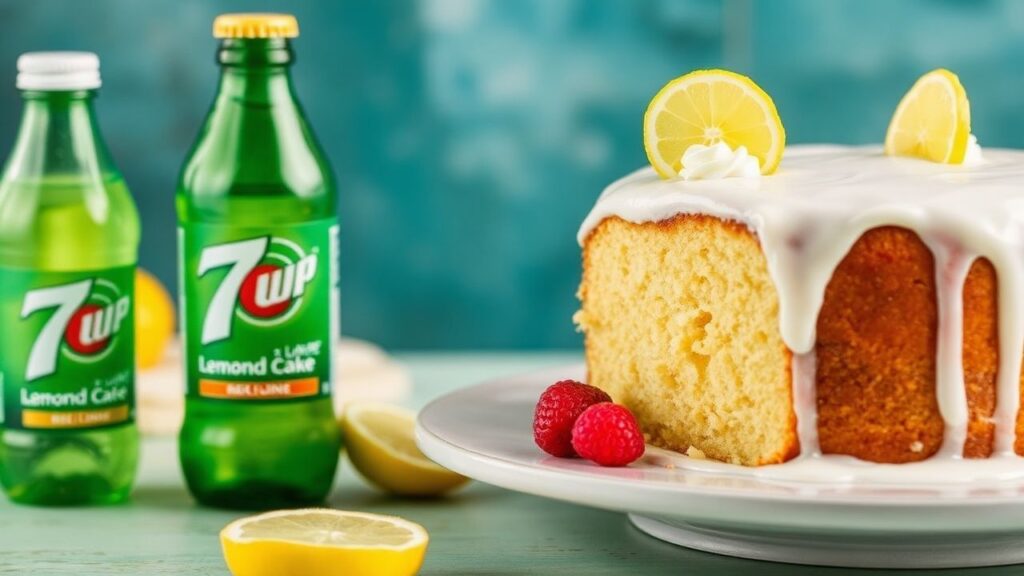
This 7-Up pound cake delivers zesty sparkle with a soft, tender crumb. Carbonation adds lift, and lemon-lime zest plus lime juice keep every slice bright and balanced.
Mix gently, keep the soda chilled, and cool the cake fully before slicing. Follow those basics and you’ll get light, buttery texture with true citrus aroma.
FAQ
What makes 7-Up pound cake different from a classic pound cake?
A classic pound cake builds structure from butter, eggs, and sugar. This version adds 7-Up for carbonation, which supports a lighter, more tender crumb while keeping the rich pound-cake taste.
Instead of relying on heavy additional leavening, soda influences texture and rise. The cake stays buttery, but it feels less dense and more cake-like in the center.
Can I substitute another lemon-lime soda for 7-Up?
Yes, use a clear lemon-lime soda with similar sweetness and carbonation. Match the fizz as closely as you can so your crumb stays tender and your rise stays consistent.
Avoid darker or strongly flavored sodas. They can interfere with the lemon zest aroma and shift the flavor away from the bright “sparkle” profile.
Why does this cake stay moist instead of turning dense?
Moisture comes from proper creaming, room-temperature ingredients, and gentle mixing after flour. The soda also contributes fine air pockets during baking, which helps the crumb bake softer.
If your cake feels dense, you likely mixed longer than needed. Stop once the batter looks smooth and evenly combined, then bake promptly.
How do I prevent lemon zest bitterness?
Grate only the yellow outer layer of the lemon zest. Don’t include the white pith, because it carries bitter flavors that become more noticeable after baking.
Use fresh zest for best aroma. Fresh citrus tastes brighter and helps the cake avoid an “overly sharp” finish.
How should I store 7-Up pound cake?
Wrap the cake tightly and store it at room temperature for up to 3 days. Keep it away from heat and strong-smelling foods so the citrus aroma stays pleasant.
For longer storage, freeze slices in an airtight container. Thaw at room temperature before serving to restore the cake’s best sliceable texture.
See also: 7-Up pound cake