
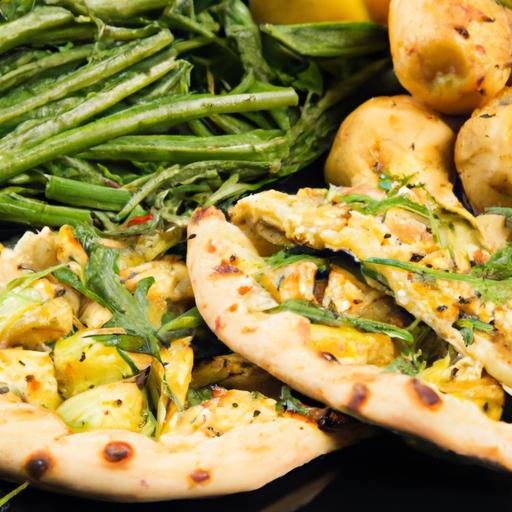
Nestled within the rich tapestry of Middle Eastern cuisine lies a humble yet unforgettable delight: Irresistible zaatar flatbread. This savory marvel, with its golden crust and aromatic blend of herbs and spices, is more than just a dish-it’s a sensory voyage through centuries of culture, tradition, and flavor. Whether enjoyed as a simple snack or a shared centerpiece, zaatar flatbread embodies the essence of the region’s culinary heritage, inviting food lovers everywhere to explore its vibrant tastes and timeless appeal. join us as we embark on a savory journey through the heart of Middle Eastern flavor, discovering the story, ingredients, and magic behind this beloved flatbread.
Irresistible Zaatar flatbread embodies the heart and soul of Middle Eastern cuisine, inviting you on a savory journey that blends aromatic herbs, nutty sesame, and tangy sumac into a golden, crispy canvas of dough. This beloved staple has traveled through centuries of tradition, from bustling Levantine markets to family kitchens where the simple act of breaking bread holds deep cultural importance. Preparing authentic zaatar flatbread not only connects you to history but also offers a sensory experience full of warmth, flavor, and communal joy.
Prep and Cook Time
- Preparation: 15 minutes
- Resting Time: 1 hour
- Cooking Time: 10-12 minutes
- total Time: Approximately 1 hour 30 minutes
Yield
4 medium-sized flatbreads (serves 4)
Difficulty Level
Medium – Requires patience and attention to dough texture
Ingredients
- 2 cups all-purpose flour, sifted
- 1 tsp instant yeast
- 1 tsp fine sea salt
- 3/4 cup warm water (110°F/43°C)
- 2 tbsp extra virgin olive oil (plus more for brushing)
- 1/4 cup zaatar spice blend (see below)
- 1 tbsp toasted sesame seeds (optional, for extra crunch)
Zaatar Spice Blend
- 2 tbsp dried thyme
- 1 tbsp sumac
- 1 tbsp toasted sesame seeds
- 1 tsp dried oregano
- 1/2 tsp sea salt
Instructions
- Prepare the dough: In a large bowl, whisk together the sifted flour, instant yeast, and salt. Gradually add the warm water and 1 tablespoon of olive oil, mixing with a wooden spoon or your hands until a shaggy dough forms.
- Knead: Transfer the dough to a lightly floured surface and knead vigorously for about 8-10 minutes until smooth, elastic, and slightly tacky but not sticky.
- First proof: Place the dough in a lightly oiled bowl, cover tightly with plastic wrap or a damp kitchen towel, and let it rest in a warm spot for 1 hour or until doubled in size.
- mix the zaatar topping: In a small bowl, combine the zaatar spice blend with the remaining tablespoon of olive oil until it forms a loose, spreadable paste. Adjust the oil quantity slightly to achieve a consistency similar to thick paint.
- Shape the flatbreads: Punch down the dough and divide it into 4 equal parts. On a floured surface, roll each piece into an 8-inch round about 1/4-inch thick.
- Apply zaatar: Generously brush each flatbread surface with olive oil, then spread a thin, even layer of the zaatar paste on top, leaving a small border.
- Baking options: traditional: If using a hot clay or stone oven,bake each flatbread directly on the hot surface for about 4-6 minutes until bubbly and golden. Modern: Preheat your oven to 475°F (245°C) with a pizza stone inside; slide the flatbreads onto the stone and bake for 8-12 minutes, rotating halfway for even coloring.
- Finishing touches: Remove the flatbreads from the oven and immediately brush them lightly with olive oil. Optionally, sprinkle extra toasted sesame seeds or fresh zaatar leaves if available.
- Serve warm: Slice and enjoy fresh, or store in an airtight container for up to 2 days, reheating briefly to revive crispness.
Tips for Success
- Flour choice: While all-purpose flour works perfectly, swapping half for bread flour gives a chewier texture that holds toppings beautifully.
- Yeast activation: Instant yeast can be mixed directly with dry ingredients, but dissolving it in warm water with a pinch of sugar first ensures an active, bubbly ferment.
- Resting time: patience with the dough rise is key; if your kitchen is cool,extend the proofing time slightly or use a warm (not hot) spot near a radiator.
- Zaatar blend customization: Adjust sumac levels for tanginess or add a pinch of dried marjoram for a subtle floral aroma.
- Baking surface: Using a pizza stone or cast iron skillet preheated in the oven simulates traditional baking for best results, lending a light char and chewy crumb.
Serving Suggestions
Present your Irresistible zaatar flatbread alongside an array of complementary dips and savory delights to highlight the herbaceous and tangy notes. Classic pairings include creamy hummus topped with a drizzle of olive oil, cool labneh sprinkled with zaatar, or a vibrant muhammara dip bursting with roasted red peppers and walnuts.Fresh cucumbers, ripe tomatoes, and olives on the side provide textural contrasts and vibrant colors. Garnish with chopped fresh parsley or mint leaves and a scattering of toasted pine nuts for an elevated finish that pleases both eyes and palate.
| Nutrient | Per Serving |
|---|---|
| calories | 210 kcal |
| Protein | 5 g |
| Carbohydrates | 35 g |
| Fat | 6 g |
Explore more about authentic Middle Eastern ingredients or learn about the history of zaatar at Britannica.

Q&A
Q&A: Irresistible Zaatar Flatbread – A Savory Journey Through Middle Eastern Flavor
Q1: What exactly is zaatar flatbread?
A: Zaatar flatbread is a beloved Middle Eastern delicacy featuring a thin, fluffy flatbread generously topped with a fragrant blend of zaatar spice mix and olive oil. This combination creates a deeply aromatic, tangy, and savory treat that has been enjoyed for centuries across the Levant region.
Q2: What makes zaatar the star ingredient of this dish?
A: Zaatar is more than just a spice-it’s a vibrant blend of dried thyme, oregano, sumac, toasted sesame seeds, and sometimes wild marjoram. This unique mix delivers herbal notes with a lemony tang from sumac,earthiness from thyme,and a subtle nuttiness from sesame seeds,offering a flavor profile that dances between bright and warm.
Q3: How is traditional zaatar flatbread prepared?
A: The process is charmingly simple yet artful. fresh flatbread dough, often a soft pita or manakeesh base, is brushed with olive oil and generously sprinkled with zaatar mix. It’s then baked at high heat until the bread is golden and the zaatar blend has slightly toasted, releasing its fragrant oils and making the flatbread irresistibly aromatic and flavorful.
Q4: Are there variations of zaatar flatbread across different regions?
A: Absolutely! While the core ingredients remain similar, some regional recipes add a pinch of salt for balance or incorporate other fresh herbs. In Lebanon and syria, zaatar manakeesh is a staple breakfast. In Palestinian cooking, you might find zaatar combined with labneh or olive oil drizzles before serving, creating delightful textural contrasts.
Q5: How is zaatar flatbread traditionally enjoyed?
A: Often eaten fresh and warm, zaatar flatbread pairs beautifully with sides like olives, tomatoes, cucumbers, and labneh (strained yogurt). it’s a popular breakfast or snack option, perfect for tearing and dipping or rolling up for a speedy, savory bite on the go.
Q6: Can zaatar flatbread be made at home?
A: Definitely! Making zaatar flatbread at home allows you to experiment with the spice blend and bread thickness. All you need is some basic dough, olive oil, and your zaatar mix. Baking it at a very hot temperature - even in a home oven or on a stovetop pan – creates a wonderfully crisp yet tender texture.
Q7: What health benefits does zaatar offer?
A: Zaatar is not just tasty but also packed with antioxidants and anti-inflammatory compounds thanks to its herbs and sumac. Sesame seeds add healthy fats and minerals, while olive oil contributes heart-healthy monounsaturated fats, making zaatar flatbread a flavorful and nutritious choice.
Q8: How has zaatar flatbread influenced global cuisine?
A: Zaatar flatbread has gracefully crossed Middle Eastern borders and found its way into international bakeries and cafes. Its aromatic, herbal profile inspires chefs to fuse it with other culinary traditions-whether topping pizzas, incorporating it into sandwiches, or using it as a flavorful flatbread base for dips-introducing more people to the vibrant taste of the Middle East.
Q9: What are some popular pairings with zaatar flatbread?
A: Beyond traditional mezze,zaatar flatbread pairs wonderfully with hummus,baba ganoush,fresh garden salads,and even grilled vegetables. It’s also fantastic alongside soft cheeses like labneh or feta, accentuating the bright, herbal notes of the zaatar.
Q10: Why is zaatar flatbread considered a cultural symbol in the Middle East?
A: More than just a food, zaatar flatbread carries the warmth of hospitality, family traditions, and the fertile lands of the Levant. It’s a culinary thread that connects generations, serving as a daily reminder of shared heritage and the simple pleasures of wholesome, flavorful food.
—
This Q&A reveals the rich heritage,flavors,and cultural significance of zaatar flatbread,inviting readers to savor a truly savory journey through Middle Eastern cuisine.
The Conclusion
As we’ve uncovered, Irresistible zaatar flatbread is far more than just a simple snack – it’s a flavorful tapestry woven from centuries of Middle Eastern tradition, culture, and culinary artistry. Each bite carries the aromatic whispers of piney thyme, nutty sesame seeds, and tangy sumac, inviting you to experience a savory journey that transcends borders.Whether enjoyed fresh from a bustling street market or baked in your own kitchen, zaatar flatbread remains a delicious testament to the region’s rich heritage and its enduring love for bold, vibrant flavors. So next time you break bread, let zaatar’s fragrant embrace transport your taste buds to the heart of the Middle East, where every flavor tells a story.