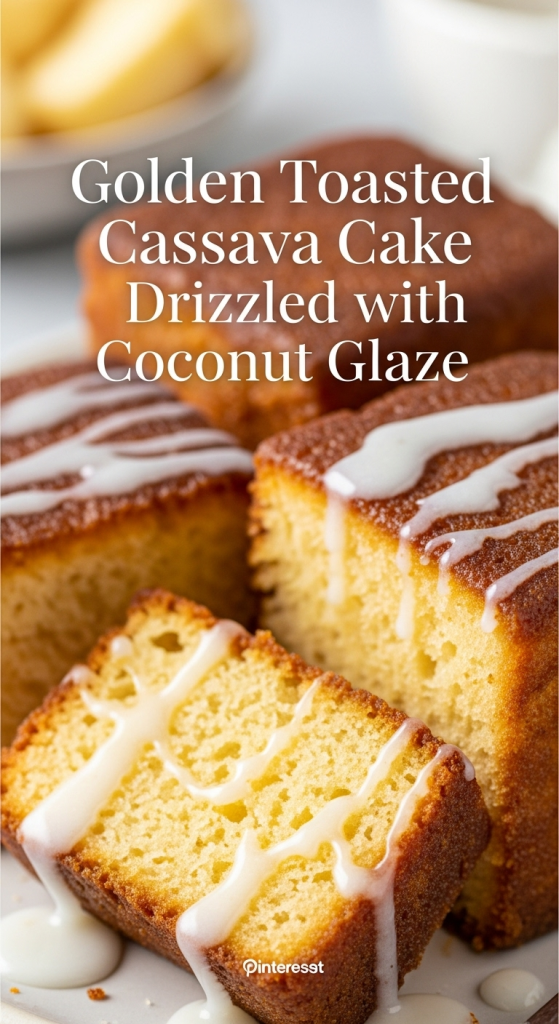
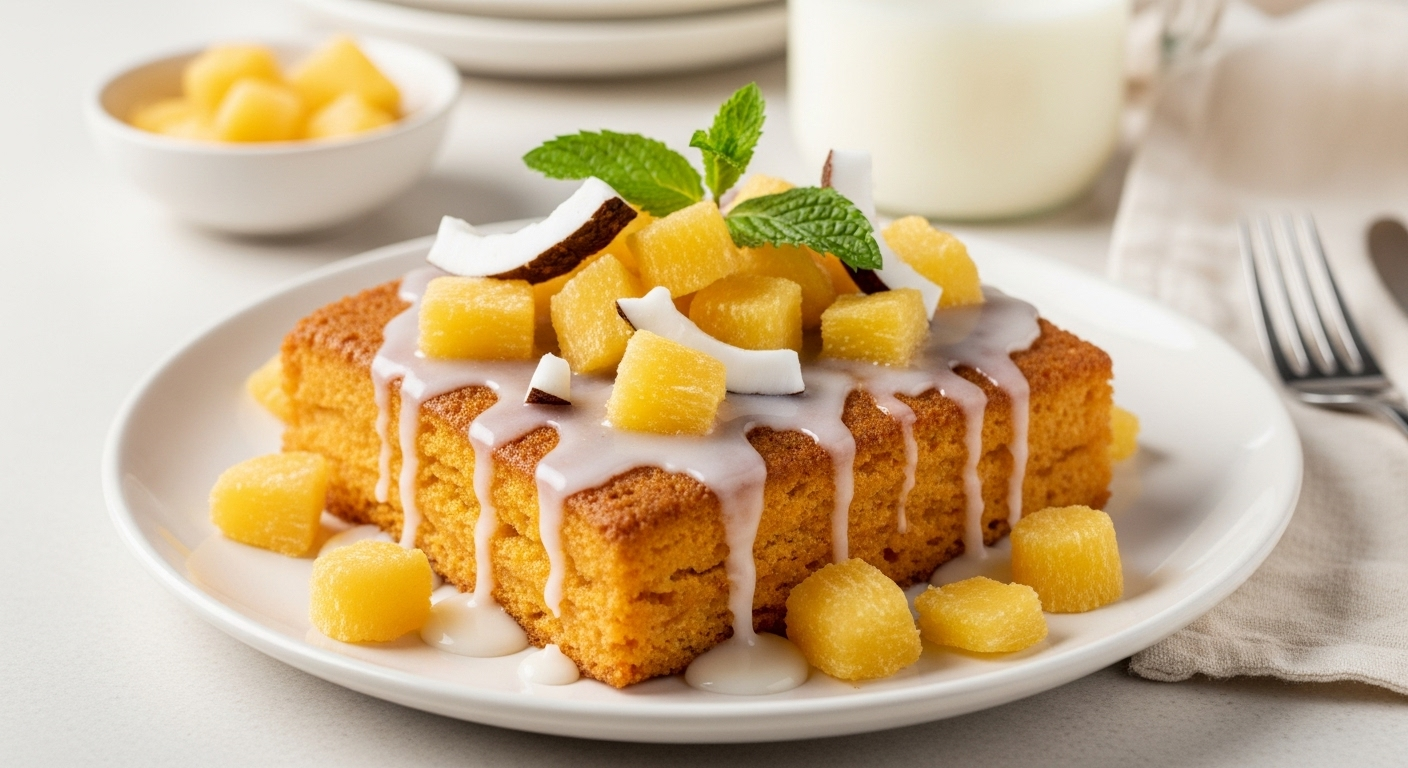
imagine a humble root transformed into a dazzling dessert thatS crispy on the outside, tender on the inside, and bathed in a silky, sweet coconut glaze. Golden toasted cassava cake is more than just a treat-its a celebration of tropical flavors and traditional craftsmanship melded into one irresistible bite. This delightful dish showcases the versatility of cassava, a starchy tuber beloved across many cultures, elevated by a luscious coconut drizzle that adds a creamy, fragrant finish.
Join us as we explore the art and magic behind this golden-hued delicacy, uncovering the secrets to its perfect texture and the rich, comforting flavors that keep food lovers coming back for more.
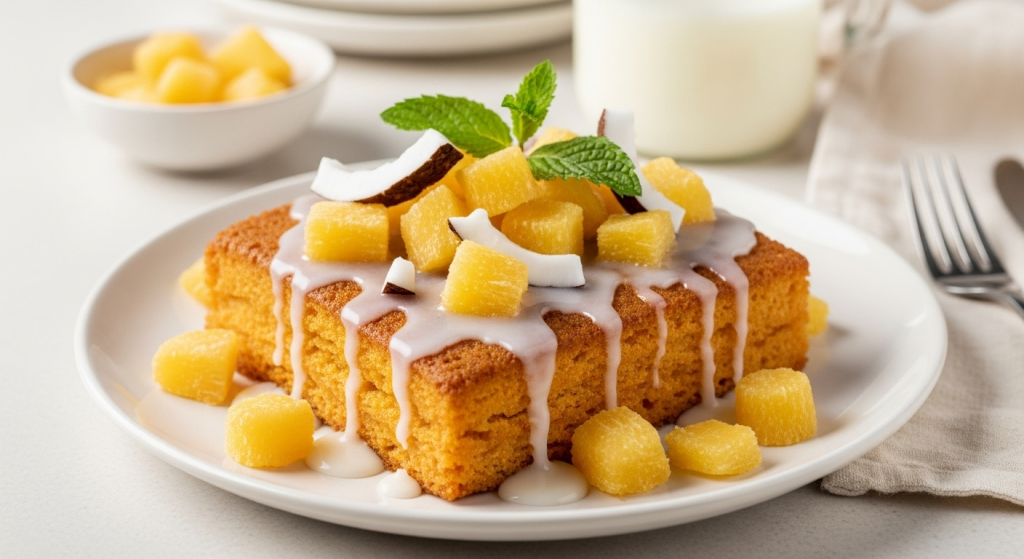
Golden Toasted Cassava Cake Drizzled with Coconut Glaze
Golden Toasted Cassava Cake Drizzled with Coconut Glaze is a beloved classic that carries centuries of rich culinary tradition throughout Southeast Asia and the Pacific Islands. This luscious dessert is rooted in indigenous practices where cassava, a starchy root vegetable, was transformed into an irresistible treat. Growing up in a coastal Filipino town,I vividly recall the aroma of toasted cassava cake wafting through the air during festive gatherings,its golden crust glistening under the tropical sun.
The magic of this recipe lies in achieving that perfect balance between a crisp, toasted surface and a silky coconut glaze that delicately smooths over every bite, inviting a sensory experience bursting with nostalgia and warmth.
Prep and Cook Time
- Preparation: 20 minutes
- Cooking: 50 minutes
- Total Time: 1 hour 10 minutes
Yield
Serves 8 generous slices
Difficulty Level
Medium – perfect for adventurous home cooks eager to refine their toasting and glazing techniques
Ingredients
- 2 cups grated cassava (fresh or frozen, thawed and well-drained)
- 1 cup coconut milk (full-fat for richness)
- 1 cup brown sugar (packed)
- 1/2 cup evaporated milk
- 1/4 cup melted unsalted butter
- 2 large eggs, lightly beaten
- 1/4 cup glutinous rice flour (for added chewiness)
- 1/4 tsp salt
- 1 tsp vanilla extract (optional, for aroma)
- For the coconut glaze:
- 1 cup coconut cream
- 3 tbsp condensed milk
- 2 tbsp brown sugar
- 1 tbsp cornstarch, dissolved in 2 tbsp water
- 1/4 tsp salt
Instructions
- Preheat your oven to 350°F (175°C). Grease a 9×9-inch square baking pan with butter or line it with parchment paper for easy removal.
- In a large mixing bowl, combine the grated cassava, coconut milk, brown sugar, evaporated milk, melted butter, beaten eggs, glutinous rice flour, salt, and vanilla extract. Stir gently but thoroughly until the mixture is smooth and homogenous.
- Pour the batter into the prepared pan, smoothing the top evenly with a spatula to ensure uniform thickness.
- Bake for 45 to 50 minutes, or until the cake is set and the surface turns a lovely golden brown. Check doneness by inserting a skewer – it should come out clean with a few moist crumbs.
- While the cake is baking, prepare the coconut glaze. In a small saucepan over low heat, whisk together the coconut cream, condensed milk, brown sugar, and salt.
- Bring the mixture to a gentle simmer, then stir in the dissolved cornstarch. Continue to cook and whisk briskly until the glaze thickens slightly to a silky consistency, about 3-4 minutes. Remove from heat and set aside.
- Once the cassava cake is done, allow it to cool in the pan for 10 minutes. Then, carefully remove it and place on a wire rack.
- Using a spoon or small ladle, drizzle the warm coconut glaze generously over the top, letting it seep into the golden toasted crust and soak into the tender cake beneath.
- Allow the glaze to set for at least 15 minutes. Serve warm or at room temperature to fully appreciate the interplay of textures and flavors.
Tips for Success
- Choose fresh cassava whenever possible, but if frozen is your only option, thaw completely and squeeze out excess moisture before mixing.
- control the oven’s heat carefully-too high can char the crust; too low can prevent proper toasting. A golden crust is key to that signature bite.
- The glutinous rice flour contributes to that chewy, luscious texture that contrasts beautifully with the crisp exterior-don’t omit!
- For an extra dimension of flavor, you can add a few drops of pandan extract or sprinkle toasted coconut flakes as garnish.
- Store leftovers in an airtight container in the refrigerator for up to 4 days. Reheat by briefly broiling or toasting to revive the golden crust.
Serving Suggestions
Slice this golden toasted cassava cake into perfect squares and arrange on a rustic wooden board. Drizzle just before serving with any remaining coconut glaze to amplify its glossy allure. Garnish with fresh toasted coconut flakes or a small dollop of whipped coconut cream for an indulgent touch. It pairs beautifully with a hot cup of Barako coffee, enhancing the complex coconut notes and toasted flavors. This dessert effortlessly shines at celebrations or as a sweet finale to a family meal.
Nutritional Data
| Per Serving | Calories | Protein | Carbs | Fat |
|---|---|---|---|---|
| 1 slice (approx. 100g) | 230 | 3g | 35g | 8g |
For additional inspiration on root vegetable desserts and tropical sweets, explore this detailed guide on cassava’s cultural history from Britannica.
Q&A
Q&A: Golden Toasted cassava Cake Drizzled with Coconut Glaze
Q1: What makes cassava cake a standout dessert in tropical cuisine?
A1: Cassava cake is beloved for its unique texture and naturally sweet, earthy flavor. made from grated cassava root-a starchy tuber native to tropical regions-it offers a dense yet tender bite that’s both comforting and exotic.When toasted golden, it gains a delightful crispy crust that contrasts beautifully with its moist interior.
Q2: Why is toasting critically important in preparing cassava cake?
A2: Toasting cassava cake transforms it from simply tasty to irresistibly crave-worthy. The heat caramelizes the edges, adding a nutty depth and a crisp layer that enhances the overall texture. This golden finish makes each slice slightly crunchy on the outside while retaining a soft, chewy center-an irresistible combination.
Q3: What role does the coconut glaze play in this dessert?
A3: the coconut glaze is the crowning glory of this cassava cake, infusing it with creamy, tropical sweetness. Made from coconut milk and a hint of sugar,the glaze seeps into the cake’s toasted surface,creating a luscious coating that balances the earthiness of cassava with subtle,velvety coconut notes. It’s both a flavor booster and a visual treat.
Q4: Can this cassava cake be made vegan or dairy-free?
A4: Absolutely! Traditional cassava cake recipes often include condensed milk or butter, but to keep it vegan and dairy-free, you can use coconut milk or other plant-based milks and vegan butter or oil. The natural richness of coconut milk lends itself perfectly to this dessert, ensuring it remains creamy and indulgent without animal products.
Q5: How can one achieve the perfect golden toast on the cassava cake?
A5: Achieving the perfect golden toast requires moderate heat and patience. baking the cake until firm first, then finishing it under a broiler or lightly pan-toasting reduces the risk of burning while maximizing color and crispness. using a non-stick surface and evenly spreading the coconut glaze before toasting promotes caramelization without sogginess.
Q6: Are there any traditional variations of cassava cake that are similar to this recipe?
A6: Variations abound across Southeast asia and the Pacific Islands, where cassava is a staple. Some add pandan leaves for fragrance, while others incorporate shredded coconut within the batter. The simple yet luxurious drizzle of coconut glaze ties many versions together, highlighting the island’s signature flavors and textural contrasts.
Q7: What occasions is Golden toasted Cassava Cake best suited for?
A7: This cake shines at gatherings where tropical flavors take center stage-summer get-togethers,festive holidays,or casual afternoon teas. Its balance of toastiness and creamy coconut notes makes it an ideal treat to impress guests seeking something both familiar and intriguingly exotic.
Q8: How does cassava cake compare nutritionally to other desserts?
A8: Cassava is a complex carbohydrate rich in fiber and naturally gluten-free, making the cake a hearty alternative to wheat-based desserts.When paired with coconut milk glaze, it offers a good dose of healthy fats and minerals. of course, sweetness levels vary, so it’s a delicious dessert best enjoyed in moderation as part of a balanced diet.
Q9: Can this dessert be served warm or cold?
A9: Both! Warm cassava cake oozes with melty coconut glaze and a comforting aroma, perfect for cozy moments. When cooled, its textures firm up, highlighting the toasted crust and making it easy to slice for picnics or packed lunches. Either way, it retains its rich flavor profile and satisfying mouthfeel.
Q10: Where can one source cassava for making this cake?
A10: Fresh cassava root is often found in Asian, African, and latin American grocery stores. If fresh isn’t available, frozen grated cassava or cassava flour can work, tho fresh grated cassava provides the most authentic texture and flavor. Always ensure cassava is properly prepared to remove any natural toxins before cooking.
Key Takeaways
As the final slice of this golden toasted cassava cake melts away under the silky cascade of coconut glaze, one can’t help but savor not just the flavors but the story woven into every bite. This humble root, transformed through time-honored traditions and a touch of culinary magic, becomes a dessert that bridges rustic simplicity with tropical indulgence. Whether served at a festive gathering or enjoyed in quiet moments,this cassava cake invites you to explore the rich textures and sweet nuances that make it a timeless delight.
So next time you crave a treat that’s both comforting and exotic,remember the golden glow of toasted cassava crowned with luscious coconut glaze-a sweet escape waiting to be savored.