Best Irresistible Authentic French Baguette Recipe (Step-by-Step)
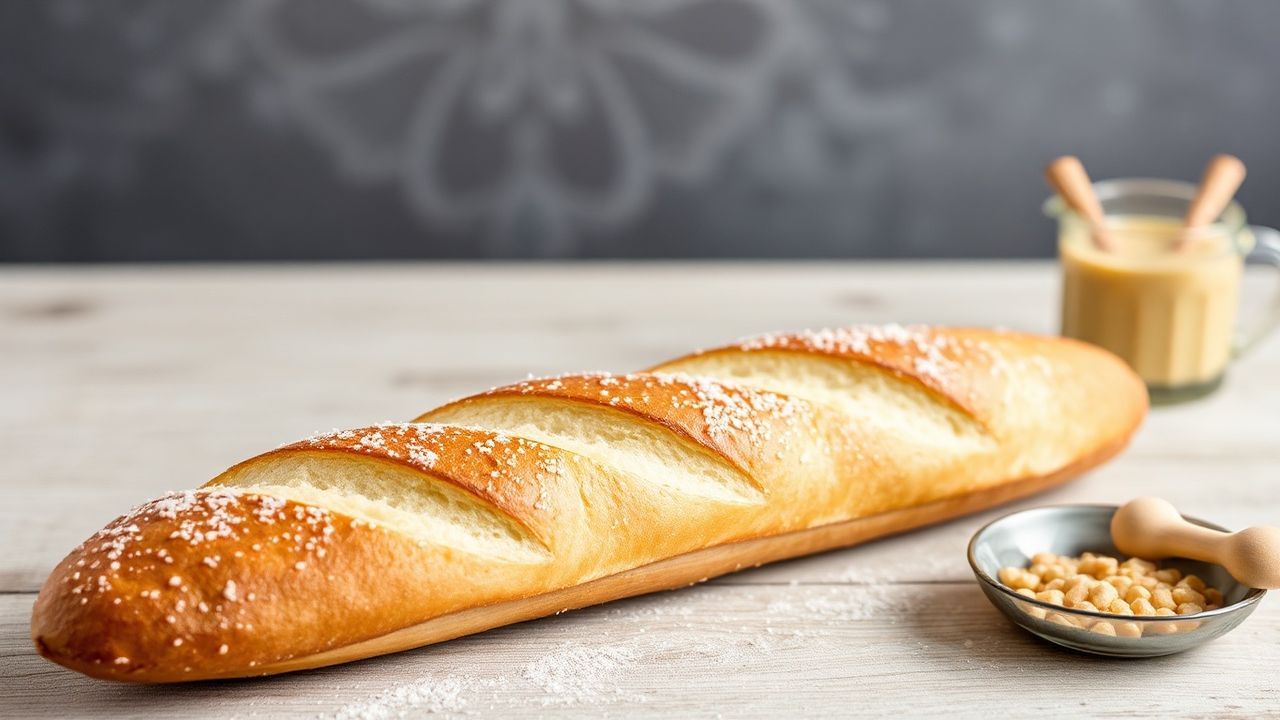
Irresistible authentic French baguette recipe starts with a clear goal: a crackly crust, an open airy crumb, and deep flavor from slow fermentation. A traditional baguette uses only flour, water, yeast, and salt, then relies on time, hydration, and shaping to deliver the signature results. When you match those steps, the baguette feels unmistakably French—long, golden, and aromatic.
- Prep and Cook Time
- Yield
- Difficulty Level
- Ingredients
- Instructions
- Chef’s Notes: Tips for Success
- Serving Suggestions
- At a Glance: Fast Checklist Before Baking
- FAQ
- How does this irresistible authentic French baguette recipe create an open crumb?
- Can I make the baguette dough without a cold fermentation step?
- What is the best way to know when the final proof is ready?
- Why do I need steam during baking?
- How long should I cool the baguette before slicing?
- Final Thoughts
- Cold fermentation builds flavor and improves dough structure.
- Proper shaping matters for a thin crust and light interior.
- Steam in the oven boosts oven spring and crust quality.
- Rest before slicing keeps the crumb from turning gummy.
Beyond taste, the baguette carries a strong culinary logic. Long loaves bake fast, so you must plan fermentation, proof, and oven heat carefully. Small differences in dough temperature, hydration, or proof time show up quickly in the final crumb.
Use this guide like a recipe plus a process. You will follow each stage—mix, autolyse, bulk fermentation, shape, final proof, steam, and bake—until your French baguette looks and eats the way it should. For background on the science behind leavening, review bread basics and yeast behavior.
Prep and Cook Time
Plan ahead because the calendar does most of the work. The dough rests in cold fermentation for many hours, which makes flavor and texture more reliable.
Preparation: 20 minutes (plus 12–18 hours cold fermentation)
Proofing: 2–3 hours
Baking: 20–25 minutes
Total Time: Approximately 15–18 hours
Yield
This recipe yields 2 classic French baguettes. Each baguette weighs roughly 250–300 g, depending on shaping and dough consistency.
Weighing helps you control bake time. If one loaf runs heavier, it can brown sooner on the outside while staying underbaked inside. A simple kitchen scale fixes that problem fast.
Difficulty Level
Medium skill level. You will need patience during fermentation and a light hand during shaping.
You also need correct oven heat and timing. If you rush proofing or skip steam, the crust can turn pale and the crumb can close up. Follow the cues, not just the clock.
Ingredients
These ingredient ratios aim for strong gluten development and a stretchy dough. Bread flour and enough water create the thin, lacy crumb that defines a great baguette.
For a helpful reference on flour types and gluten-forming proteins, see gluten. For fermentation fundamentals, also review fermentation.
- 3 ½ cups (450 g) bread flour — high protein for strong dough
- 1 ¼ cups (300 ml) cold water — slows fermentation and supports flavor
- 2 tsp fine sea salt — sharpens flavor and tightens dough
- ½ tsp active dry yeast — low dose for a slow, complex rise
Instructions
Work in stages and keep notes if you adjust anything. Dough hydration and room temperature change how fast it ferments, so your observations improve the next bake.
Also, keep your hands and tools clean. Cross-contamination with sourdough or old dough scraps can shift fermentation behavior. If you only want classic results, start fresh.
- Mix dry ingredients: In a large bowl, combine bread flour, sea salt, and yeast. Stir until the yeast looks evenly distributed.
- Add water and combine: Pour in the cold water gradually. Mix until a shaggy dough forms. The dough will feel sticky; that texture helps you later achieve an open crumb.
- Autolyse and rest: Cover the bowl and rest for 30 minutes. This step hydrates flour and improves dough extensibility.
- Knead and develop gluten: Knead by hand about 10 minutes until smooth and elastic. Or use stretch-and-fold in the container every 30 minutes for the first 2 hours.
- First fermentation (cold bulk): Place dough in a lightly oiled bowl, cover, and refrigerate for 12 to 18 hours. Expect the dough to puff and feel aerated.
- Shape the baguette: Remove dough from the fridge. Divide into two portions. Shape each into a rough rectangle, then roll and seal the seam to form a long baguette, about 14 inches.
- Final proof: Transfer to a floured linen couche or parchment-lined tray. Cover and proof at room temperature for 2–3 hours until nearly doubled and slightly jiggly.
- Preheat oven and create steam: Heat oven to 475°F (245°C). Preheat a baking stone or heavy tray. Place a shallow pan with boiling water on the oven floor for steam.
- Score and bake: Score each loaf with a sharp lame using 3 to 5 diagonal slashes about ¼ inch deep. Slide onto the hot surface and bake 20–25 minutes, rotating halfway. Bake until deep golden and crackly.
- Cool before slicing: Cool on a wire rack for at least 30 minutes. Cutting too soon traps steam inside and softens the crumb.
For the role of steam and crust formation, it helps to understand heat transfer in baking. See breadmaking and baking for broader process context.
Chef’s Notes: Tips for Success
Small adjustments create big changes. Use these notes to troubleshoot texture, flavor, and oven spring without guessing.
Because baguettes depend on gluten strength, flour quality matters. Bread flour with higher protein helps you hold shape during proof and scoring. If you substitute, expect a slightly different dough feel and bake result.
- Flour Choice: Choose French-style bread flour or any strong bread flour. Higher protein supports better gluten development.
- Water Temperature: Cold water slows fermentation. Warmer water speeds rise and can shorten your flavor window.
- Humidity & Proofing: Proof times shift with room conditions. Use the gentle poke test: it should spring back slowly, not collapse.
- Scoring: Score fast and confident. Clean cuts open in the oven and create the classic ear.
- Make-Ahead: You can shape and refrigerate up to a day. Bring dough to cool room temp before baking for steadier oven spring.
When you steam, keep the oven fully hot before loading dough. A drop in temperature reduces oven spring and can dull the crust. For broader texture outcomes, research Maillard reaction since browning drives aroma and visual crust quality.
Serving Suggestions
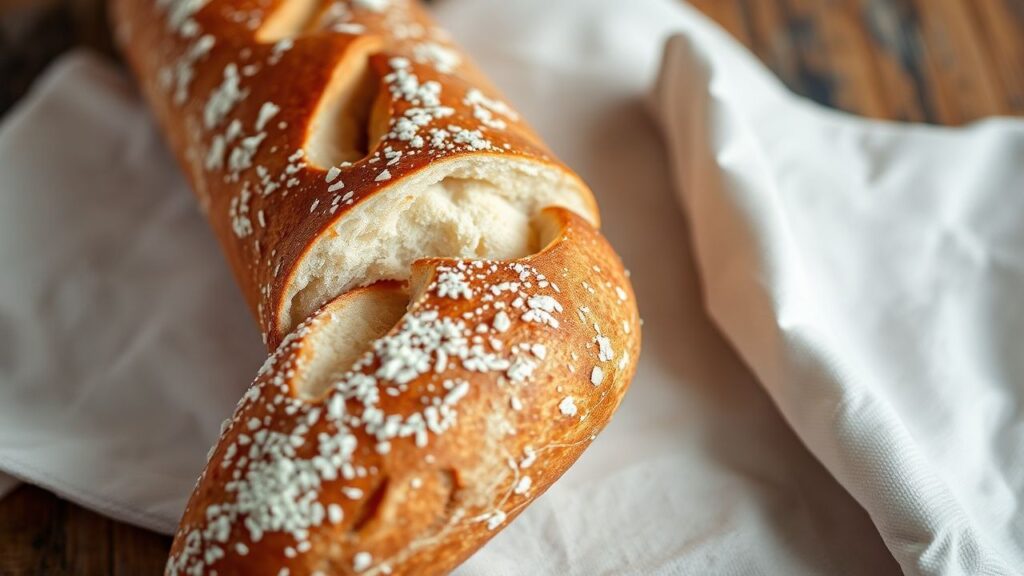
Serve your baguette while the crust still crackles. Fresh bread tastes best because starches and moisture settle in the crumb as it cools.
Keep accompaniments simple. The goal is to let the baguette’s wheat flavor and fermented aroma lead, then support it with salt, fat, and fresh produce.
- Butter and flaky sea salt — highlight the bread’s natural flavor.
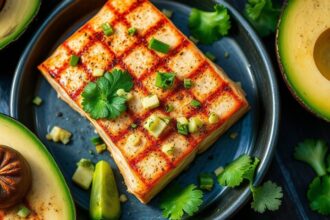
- Avocado and heirloom tomato slices — add olive oil and cracked pepper.
- Classic ratatouille spooned on toasted baguette — a warm French-style snack.
- Vegetable soup or lentil dhal — great for dipping and soaking.
- Crostini variations — top with herbs, roasted garlic, or mild cheeses.
Nutritional Data (Per Serving – One Baguette)
Nutrition varies by flour brand and exact dough weight. The values below give a practical estimate for one baked baguette.
If you split into smaller portions, scale calories and macros accordingly. This helps you plan meals without surprise.
| Nutrient | Amount |
|---|---|
| Calories | 280 kcal |
| Protein | 9 g |
| Carbohydrates | 58 g |
| Fat | 1 g |
For a wider look at how different breads fit into diets, see bread nutrition. Then use your own portion size to match your goals.
At a Glance: Fast Checklist Before Baking
Use this checklist to prevent the most common failures: weak oven spring, pale crust, and closed crumb.
Each line links to a step above, so you can correct quickly if something feels off.
- Cold bulk: 12–18 hours in the fridge for flavor.
- Final proof: nearly doubled, springy, not collapsed.
- Steam: boiling water for the first part of baking.
- Cool: wait 30 minutes before slicing.
FAQ
Quick answers help you bake with confidence. If you want steadier results, follow the troubleshooting cues in the FAQ and adjust one variable at a time.
Fermentation depends on temperature and flour strength. So you may need small timing changes, even with the same recipe.
How does this irresistible authentic French baguette recipe create an open crumb?
The open crumb comes from strong gluten development plus controlled fermentation. You build structure through kneading or stretch-and-fold, then you extend flavor with cold bulk fermentation.
Proper shaping also matters. Keep tension during rolling, and seal the seam so the loaf holds shape through proof and scoring.
Can I make the baguette dough without a cold fermentation step?
Yes, but the results often change. Skipping cold fermentation usually reduces flavor depth and can weaken dough character, especially at low room temperatures.
If you must shorten time, use a longer room-temperature bulk and watch dough volume closely. Avoid overproofing during the faster schedule.
What is the best way to know when the final proof is ready?
Use the poke test. When you gently press the dough, it should slowly spring back and keep a slight indentation.
If it springs back instantly and feels very tight, proof longer. If it collapses or feels airy and fragile, bake sooner next time or reduce proof time.
Why do I need steam during baking?
Steam supports oven spring and helps the crust set with a crackly finish. It slows surface drying at the start of bake, allowing the loaf to expand from trapped gases.
Steam also improves crust coloration and aroma development when paired with high oven heat.
How long should I cool the baguette before slicing?
Cool at least 30 minutes. This lets moisture redistribute inside the crumb so slices stay light instead of gummy.
If you cut earlier, the steam trapped in the interior can soften the crumb and reduce crust crispness.
Final note: Once you bake successfully, keep your method consistent for a few runs. Track room temperature, dough feel, and proof timing. That practice builds a reliable personal baseline for your French baguette.
Final Thoughts
From the first mix to the last crackle, a French baguette rewards precision and patience. The long loaf uses simple ingredients, but the process shapes everything you taste.
When you control fermentation, you control flavor. When you manage proof and steam, you control crust and crumb. Bake this irresistible authentic French baguette recipe once, then repeat with small tweaks until the result feels effortless.
See also: French baguette