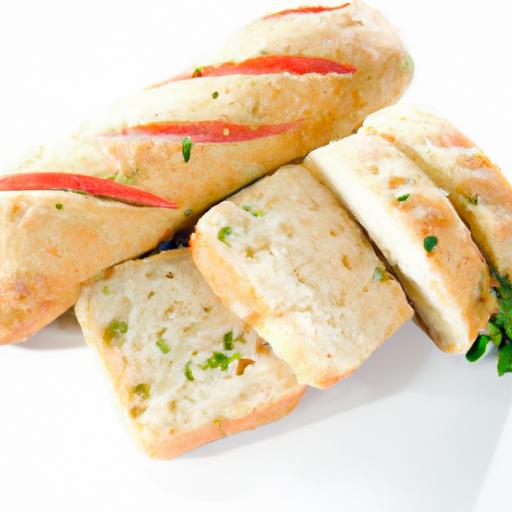
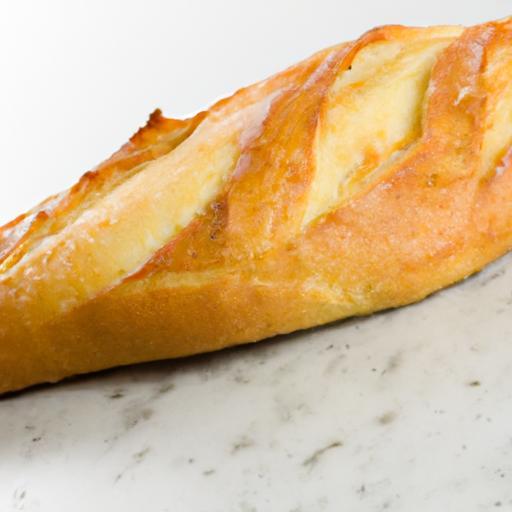
There is something undeniably enchanting about teh long, slender silhouette of a French baguette-a golden crust that crackles under gentle fingers, revealing a pillowy, fragrant interior that has captivated taste buds for centuries. Beyond being a mere staple of the French table,the baguette is a living piece of history,a symbol of culture,tradition,and culinary artistry. This humble loaf, with its rhythmic slashes and rustic simplicity, tells a story of time-honored techniques passed down through generations, of community boulangeries wafting with the warmth of freshly baked bread each morning. In exploring the timeless art and charm of the French baguette, we delve not only into its craft and origins but also into the profound role it plays in connecting people, places, and palates across the world.
The Timeless art and Charm of the French Baguette
The timeless art and charm of the French baguette have captivated bread lovers around the world for centuries. This slender loaf, with its iconic golden-brown crust and airy, tender crumb, is more than just a staple-it embodies the essence of French culinary tradition and artistry. Originating in the bustling streets of Paris in the 19th century, the baguette’s history is steeped in culture, craftsmanship, and a dedication to simple yet exquisite ingredients.
Origins and Cultural Significance of the French Baguette
The French baguette traces its roots to the early 1800s when improvements in milling and steam ovens allowed bakers to craft lighter, longer loaves with a crispy exterior and soft interior. More than just bread, it became a symbol of daily French life-carried tucked under arms, shared around tables, and savored with every meal. Its cultural significance shines especially in French markets and cafés, where the baguette is synonymous with the art of living well, emphasizing fresh, quality ingredients and skilled baking techniques. Mastering the French baguette connects you with this rich heritage, transforming your kitchen into a stage for tradition and creativity.
Mastering the Perfect Crust and Crumb Texture
Achieving the perfect crust and crumb is the heart of baking an authentic baguette. The exterior must crackle beneath your fingers, revealing caramelized hues that signal flavor and texture.Inside, a delicate network of air pockets creates a light, chewy crumb that melts on the palate. This balance comes from a combination of optimal hydration, precise fermentation, and baking with steam to mimic customary French ovens. These techniques invite a sensory journey: the first crunch, the airy pull, and the subtle wheaty sweetness that follows.
Essential Ingredients and Traditional Baking Techniques
At the core of the timeless art and charm of the French baguette are just four essential ingredients: flour, water, salt, and yeast. Simplicity is key,but precision is everything. Using high-quality, unbleached bread flour provides the gluten strength needed for structure, while filtered water ensures purity and consistency.Salt enhances flavor and controls fermentation, and yeast breathes life into the dough.
The traditional process relies on methods like autolyse, folding during bulk fermentation, and shaping with care to develop gluten and flavor depth. Baking with steam produces the iconic crust by creating a moist oven atmosphere that delays crust formation and allows full oven spring.
Pairing and Serving Suggestions to Elevate Your Baguette Experience
Enjoying your baguette fresh from the oven is an experience, but pairing it thoughtfully elevates it to new heights. Classic accompaniments like creamy butter, ripe cheeses such as Camembert or Comté, and a drizzle of high-quality olive oil bring out its nuances.For heartier options, layer with fresh vegetables, smoked salmon, or herbed hummus for a vibrant, elegant touch.Garnish plates with sprigs of fresh herbs, whole grain mustard, or a pinch of sea salt flakes.
For every occasion, the baguette adapts-whether it’s a rustic picnic, an elegant brunch, or a simple family meal. Its versatility, paired with its deep-rooted charm, invites you to savor every bite with intention and joy.
Prep and cook Time
- Planning: 30 minutes (plus 18-24 hours fermentation)
- Cook Time: 25-30 minutes
- Total Time: Approximately 20-25 hours (including slow fermentation for flavor progress)
yield
2 traditional French baguettes, each about 14 inches long
Difficulty Level
Medium: Requires attention to fermentation times and shaping, beginner bakers will find this a rewarding challenge.
Ingredients
- 500g bread flour, unbleached, sifted
- 350ml filtered water, lukewarm (about 80°F/27°C)
- 10g fine sea salt
- 2g active dry yeast (or 5g fresh yeast)
Instructions
- In a large mixing bowl, combine the bread flour and yeast. Slowly add lukewarm water while stirring to form a rough dough.
- Cover the bowl with a damp cloth or plastic wrap and let rest for 30 minutes (autolyse), allowing the flour to hydrate.
- add the salt,then knead the dough by hand or with a stand mixer using a dough hook for about 8-10 minutes until smooth and elastic.
- Transfer the dough to a lightly oiled bowl, cover tightly, and let ferment at room temperature for 1 hour.
- Perform a series of folds: stretch the dough gently upward and fold it over itself every 30 minutes during the next 2 hours to develop gluten.
- After the bulk fermentation,turn the dough out onto a floured surface and divide it into two equal pieces.
- Shape each piece into a long, tapered baguette, about 14 inches in length. use gentle but firm pressure to elongate without deflating the air bubbles.
- Place the shaped loaves on a floured couche or parchment-lined baking sheet, seam side down. Cover and proof for a final 1.5 to 2 hours until nearly doubled.
- Preheat your oven to 475°F (246°C) with a baking stone or inverted sheet inside. Place an empty pan at the base of the oven.
- Just before baking, score each loaf with a sharp blade at a 30-degree angle, creating 3-4 diagonal cuts along the length.
- place the loaves on the hot stone or tray and carefully pour a cup of hot water into the empty pan to generate steam.
- Bake for 20 minutes, then reduce heat to 425°F (218°C) and bake another 5-10 minutes until the crust is deep golden and crisp.
- Remove from the oven and cool on a wire rack to preserve crust texture before slicing.
Tips for Success
- Use filtered water to prevent chlorine from affecting yeast activity.
- Be patient with fermentation-longer cold fermentation (up to 24 hours in the fridge) enhances flavor complexity.
- To create superior steam,toss a few ice cubes on a hot tray or use a spray bottle to mist the oven walls.
- Practice shaping on a lightly floured surface to avoid sticking but avoid excess flour that can inhibit crust texture.
- for a rustic touch, substitute 100g of bread flour with whole wheat flour, adjusting water slightly.
Serving Suggestions
Slice your French baguette just before serving to highlight its freshness and texture. Serve with room-temperature butter sprinkled with flaky sea salt or alongside creamy brie and a handful of fresh grapes or figs. For a savory option, top warm baguette slices with mashed avocado, a sprinkle of sea salt, and a dusting of cracked black pepper. Garnish with fresh herbs or a drizzle of extra virgin olive oil to amplify subtle flavors.

| Nutrient | Per Serving (1/2 baguette) |
|---|---|
| Calories | 210 kcal |
| Protein | 7 g |
| Carbohydrates | 42 g |
| Fat | 1 g |
To deepen your baking repertoire, explore our guide on how to make artisan sourdough bread-another classic with rich tradition and flavor.
For detailed ancient context on French baking traditions, visit the French broad Food Institute.
Q&A
Q&A: The Timeless Art and Charm of the French Baguette
Q1: What makes the French baguette so iconic?
A1: The French baguette is an emblem of French culture and culinary tradition. Its long, slender shape, crisp golden crust, and airy crumb tell a story of craftsmanship passed down through generations. More than just bread, it’s an art form that embodies simplicity and elegance in every bite.
Q2: How did the baguette become a staple in French daily life?
A2: The baguette’s rise to prominence dates back to the early 20th century,when laws and innovations in baking techniques allowed for faster production of fresh bread. Its portability and the perfect ratio of crust to crumb made it ideal for busy urban lifestyles, swiftly integrating it into the daily rhythm of French families.
Q3: What are the key ingredients in a traditional French baguette?
A3: Classic French baguettes rely on a minimalist ingredient list: high-quality wheat flour, water, yeast, and a pinch of salt. This simplicity is what allows bakers to highlight the nuances of fermentation and baking skill,resulting in that wonderfully crackling crust and tender interior.
Q4: Why is the baking process so important to the baguette’s character?
A4: Baking a baguette is a dance of precision and intuition.The dough undergoes slow fermentation to develop flavor, then is carefully shaped to encourage an open crumb structure.it’s baked at high temperature to create the signature blistered crust-each step critical to its irresistible texture and taste.
Q5: How does the baguette connect people beyond just being food?
A5: The baguette is more than sustenance; it’s a cultural ritual. From the early morning trip to the boulangerie to the communal act of slicing and sharing, the baguette fosters connection. It’s a symbol of home, tradition, and the simple joys of everyday life.
Q6: Can the art of the baguette be replicated outside of France?
A6: while artisan bakers worldwide passionately recreate French baguettes, the magic often lies in the local habitat-the water, the flour, the atmosphere. Still, with dedication to authentic techniques, many have come close, proving that the baguette’s charm transcends borders.
Q7: What are some popular ways to enjoy a fresh baguette?
A7: A fresh baguette is wonderfully versatile. Enjoy it simply with butter or cheese, use it as the perfect base for a vegetable tartine, or tear it apart to dip into hearty soups and stews. Its crisp crust and soft interior elevate even the simplest accompaniments.
Q8: Why does the baguette remain relevant in modern food culture?
A8: In an age of fast and processed foods, the baguette stands as a testament to timeless craftsmanship and natural ingredients. it reminds us that beauty and flavor can be found in simplicity-and that some traditions are worth preserving, bite by crunchy bite.
Insights and Conclusions
From its humble origins as a simple loaf of bread to its status as an iconic symbol of French culture, the baguette’s enduring charm lies in its perfect balance of crisp crust and airy crumb. More than just a staple on French tables, the baguette encapsulates centuries of tradition, craftsmanship, and conviviality. As each golden stick emerges fresh from the oven,it carries with it a story-a story of heritage,community,and the timeless joy of breaking bread together. Whether enjoyed alongside a creamy cheese, dipped in rich stew, or savored plain, the baguette remains a appetizing testament to the art of baking and the enduring allure of simplicity done well. In every bite, the French baguette invites us not only to taste history but to celebrate a culinary legacy that continues to crisp and crackle with life.