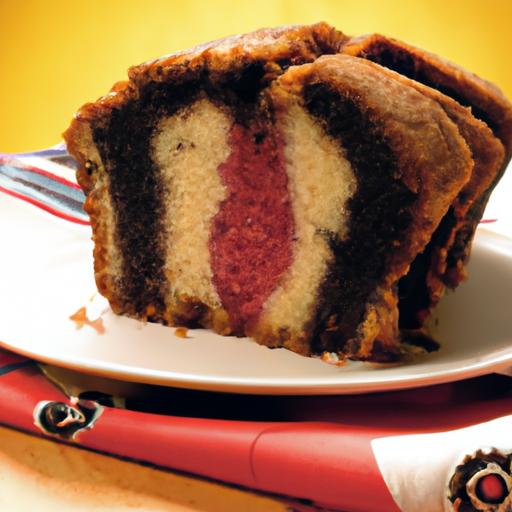
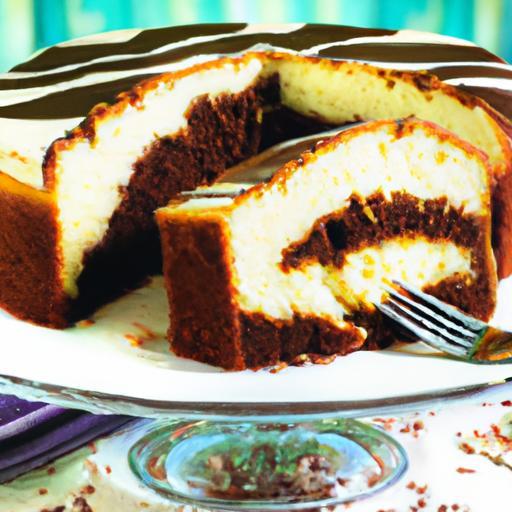
There’s something undeniably magical about the The Perfect Moist Vanilla and Chocolate Checkerboard Cake-a confection that marries both art and science in a deliciously unexpected way. At first glance,its perfectly patterned squares evoke playful childhood memories and a sense of whimsical wonder, but beneath this charming surface lies a meticulous dance of technique,timing,and precision. Crafting this cake isn’t just about mixing batter and baking layers; it’s about understanding the chemistry that lets each hue hold its shape, the artistry that transforms simple flavors into a visual feast, and the joyous creativity that turns an ordinary kitchen into a stage for culinary innovation.
In exploring The Perfect Moist Vanilla and Chocolate Checkerboard Cake, we’ll uncover the secrets behind its iconic design, the tips to make your slices pristine, and the history that has made this cake a timeless centerpiece of celebration.
The Perfect Moist Vanilla and Chocolate Checkerboard Cake
The Perfect Moist Vanilla and Chocolate Checkerboard Cake captures the imagination with its striking visual charm and timeless cultural roots. Originating in mid-20th century North America, this cake became a beloved centerpiece that transformed simple baking into a captivating culinary spectacle.Each slice reveals alternating squares of color-an elegant mosaic of contrasting flavors and hues that together delights the eyes and the palate. The checkerboard pattern has become synonymous with celebration, creativity, and a touch of nostalgic charm, bringing families and friends together around the dinner table.
Prep and Cook Time
- Preparation: 45 minutes
- Cooking: 30 minutes
- Total Time: 1 hour 15 minutes
Yield
Serves 12 generous slices
Difficulty Level
Medium – Ideal for bakers with some experience eager to wow guests with remarkable presentation.
Ingredients
- 2 ¾ cups all-purpose flour, sifted
- 1 tbsp baking powder
- ¼ tsp salt
- 1 cup unsalted butter, softened
- 2 cups granulated sugar
- 4 large eggs, room temperature
- 1 tbsp pure vanilla extract
- 1 cup whole milk, room temperature
- ½ cup unsweetened cocoa powder
- ¼ cup boiling water
- 1 tsp almond extract (optional)
- Buttercream frosting: 2 cups powdered sugar, ½ cup unsalted butter (softened), 2 tbsp heavy cream, 1 tsp vanilla extract
Instructions
- Preheat oven to 350°F (175°C).Grease and line two 9-inch round cake pans with parchment paper.
- Mix dry ingredients: In a medium bowl, whisk together flour, baking powder, and salt.
- Prepare vanilla batter: in a large bowl, cream the softened butter and sugar until light and fluffy, about 3-5 minutes. Add eggs one at a time, beating well after each addition. Stir in vanilla and almond extract if using.
- Alternate mixing: Gradually add the dry ingredients to the wet,alternating with milk,beginning and ending with flour.Mix until smooth and homogeneous.
- Create chocolate batter: In a small bowl, combine cocoa powder and boiling water, stirring until smooth. Reserve about 2 cups of vanilla batter, than fold the cocoa mixture into the other half to make the chocolate batter.
- Divide and bake: Pour vanilla batter into one cake pan and chocolate batter into the other. Bake for 25-30 minutes,until a toothpick inserted comes out clean. Let cakes cool completely.
- Build the checkerboard layers: Once cooled, use a checkerboard cake ring or specially designed cutters to slice concentric circles from each cake. Carefully interchange the rings-alternating vanilla and chocolate circles-stacking to recreate the checkerboard effect. Use a thin layer of buttercream frosting between layers to hold the pattern intact.
- Frost the cake: Apply a crumb coat of buttercream, chill for 30 minutes, then finish with a smooth final layer. For a polished look, gently heat an offset spatula between coats.
- Decorate: Garnish edges with chocolate shavings, fresh berries, or edible gold leaf for an elegant finish.
Tips and Techniques for a Perfectly Layered Creation
- Precise measurement: Use a kitchen scale for batter division to ensure even layers and squares.
- Checkerboard cutters: If unavailable, homemade cardboard templates can guide the concentric circle cuts.
- Chill cakes: Firm cakes slice cleaner and make assembly less messy.
- Use a sharp serrated knife for detailed cutting, reducing crumb breakage.
- Room temperature ingredients improve batter consistency and baking performance.
Flavor Combinations That Elevate Every Slice
While traditional vanilla and chocolate remain a classic duo, consider infusing warm spices like cinnamon and nutmeg into the vanilla batter for depth. Alternatively, swap almond extract for citrus zest-orange or lemon adds a radiant contrast against the rich chocolate. For frosting,try a cream cheese buttercream or a light whipped ganache to complement different flavor profiles. Each combination introduces new layers of taste complexity, ensuring that each slice is a sensory delight as well as a visual masterpiece.
Serving Suggestions
This cake makes an impressive centerpiece for birthdays, anniversaries, or afternoon teas. Serve chilled or lightly at room temperature to enhance flavors. accompany slices with fresh berries, a dollop of whipped cream, or a drizzle of raspberry coulis. A light dusting of powdered sugar over the top brings out the checkerboard’s geometry before slicing.
| Nutrient | Per Serving |
|---|---|
| Calories | 420 kcal |
| Protein | 5 g |
| Carbohydrates | 55 g |
| Fat | 18 g |
Tips for Success
- Make-ahead: Both cakes and frosting can be prepared a day ahead; wrap tightly and refrigerate. Assemble on the day of serving for fresh texture.
- Moisture balance: Avoid overbaking; over-dry cake hinders clean slicing and layering.
- Frosting consistency: Adjust heavy cream quantity to get a firm yet spreadable buttercream that will secure the layers without slipping.
- Cutting technique: Clean your knife between each cut to maintain crisp edges on checkerboard pieces.
- Decorative edges: Use piping tips or fresh herbs like mint for an elevated final look.
For more visually stunning cakes, check our Layered Cake Inspiration article. Learn more about the history of traditional cakes from Food Timeline.

Q&A
Q&A: The Perfect Moist Vanilla and Chocolate Checkerboard Cake
Q1: What exactly is a checkerboard cake?
A checkerboard cake is a visually stunning dessert that features alternating squares of contrasting cake flavors-often vanilla and chocolate-arranged to resemble a classic checkerboard pattern when sliced. It’s as much a feast for the eyes as it is indeed for the palate.
Q2: How is the checkerboard pattern created inside the cake?
The magic lies in carefully molded cake layers. Bakers use specially designed ring molds or cutting guides to sculpt strips of differently flavored cake, then layer and assemble them to form the signature alternating squares. Precision and patience are key to achieving the crisp pattern.
Q3: Can any cake flavors be used to make a checkerboard cake?
Absolutely! While vanilla and chocolate are the traditional duo, the checkerboard concept is versatile. You can experiment with colors and flavors like strawberry and lemon, matcha and coconut, or even vibrant beetroot and orange for a surprising twist that’s still tasty.
Q4: What tools are essential for making a checkerboard cake?
A few specialized items make life easier: ring molds designed to segment batter into concentric circles, a sharp serrated knife for neat slicing, and cake boards for assembly. even without molds, creative bakers can improvise by layering thin strips and assembling them carefully.
Q5: Is the checkerboard cake difficult to bake for beginners?
It can be a fun challenge! While the baking itself isn’t complicated, mastering the precise cutting and assembly requires a bit of practice. Starting with simple flavors and working slowly through the patterning helps ease bakers into the process.
Q6: What kind of frosting complements a checkerboard cake?
The frosting should enhance both flavor and appearance without overshadowing the pattern. Classic choices include silky buttercream, cream cheese frosting, or a smooth ganache. Lightly tinted frostings can add a subtle touch of color without distracting from the checkerboard design.
Q7: How does the texture of the cake affect the final presentation?
A firm yet tender crumb is ideal-it holds its shape when cut, ensuring the checkerboard squares remain crisp and defined. Overly crumbly or dense cakes can blur the pattern or make assembly difficult, so recipes often balance moisture and structure carefully.
Q8: Are there cultural or historical origins tied to the checkerboard cake?
The checkerboard pattern has long been admired in textile arts and design, inspiring bakers to bring this geometric charm to the dessert world. While the cake’s exact origins are hard to pin down, its playful aesthetic and nostalgic appeal have made it a beloved confection across many cultures.
Q9: Can checkerboard cakes be made in shapes other than round?
Yes! square and rectangular shapes can also highlight the checkerboard effect beautifully. The key is consistent portioning and careful arrangement so the alternating squares remain visually striking when sliced.
Q10: What makes the checkerboard cake a timeless crowd-pleaser?
Its enchanting combination of craftsmanship, contrast, and flavor invites both curiosity and delight. Each slice reveals a surprise pattern, turning an everyday cake into a celebration of art and science that brings joy to bakers and eaters alike.
Final Thoughts
As we slice through the layers of the checkerboard cake, we uncover more than just a playful pattern of contrasting colors and flavors-we reveal a harmonious blend of creativity and precision. This delightful confection stands as a testament to how art and science intertwine in the culinary world, proving that baking is as much about imagination as it is about technique.
Whether you’re a seasoned baker or a curious novice, the checkerboard cake invites you to experiment, celebrate symmetry, and most importantly, savor every sweet moment.So next time you seek a dessert that dazzles both the eyes and the palate, remember that with a little patience and a pinch of creativity, the charming checkerboard cake is more than a treat-it’s an edible masterpiece waiting to be shared.