

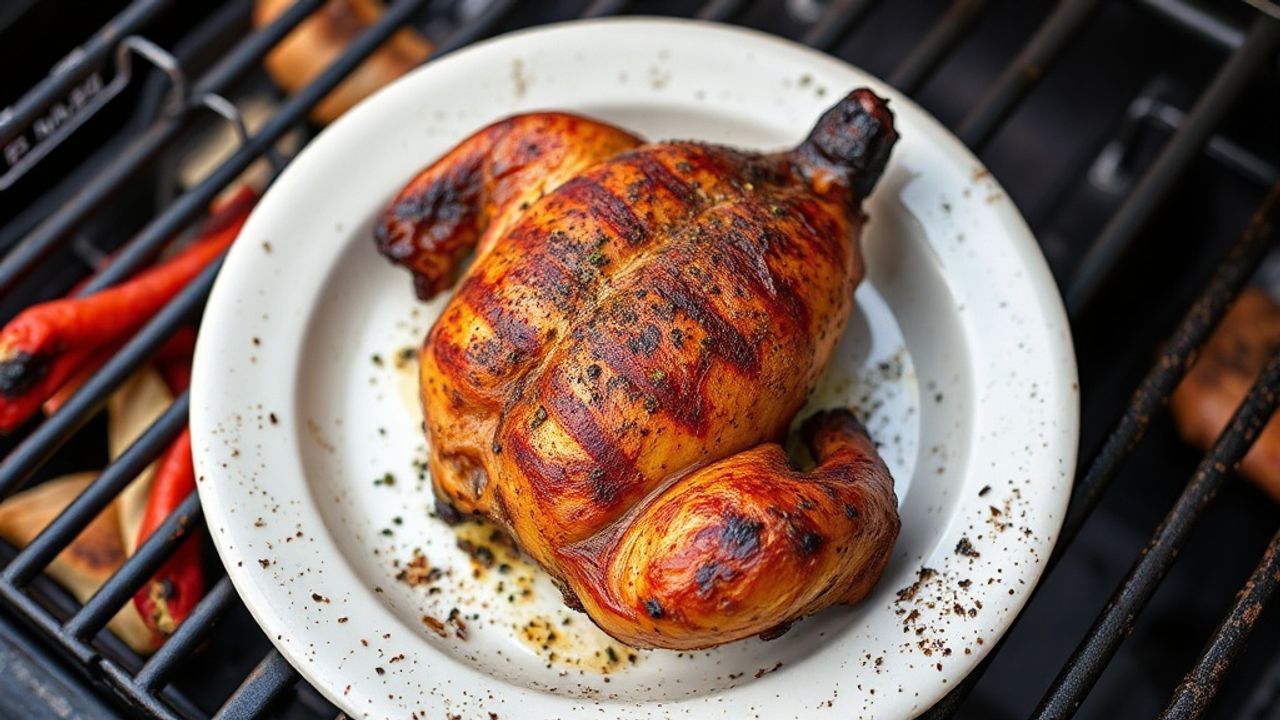
There is nothing more inviting than the scent and sound of grilled chicken over hot coals. Grilled chicken rewards simple technique with juicy meat and complex, smoky flavor when you control heat, time, and seasoning.
- Key insight: Proper marination and accurate grill temperature yield consistent, juicy results.
- Time saver: Bone-in cuts tolerate higher heat and stay moist; boneless cooks faster and benefits from quick brines.
- Flavor tip: Balance acid, salt, fat, and aromatics in a marinade to penetrate muscle fibers evenly.
- Safety: Use a thermometer to reach 165°F (74°C) internal for poultry.
Grilled Chicken Overview
Grilled chicken ranks among the most reliable outdoor dishes because it adapts to styles from simple salt-and-pepper to complex international marinades. The method you choose—direct sear, two-zone heat, or indirect finishing—changes texture and char without changing the core technique.
Understanding grilling fundamentals helps you reproduce results across grills. Read the basics on grilling to match heat to cut, and consult the chicken page for breed and cut notes that affect cooking time.
Grilled Chicken Ingredients & Prep
Choose cuts based on schedule and texture goals: thighs and drumsticks tolerate longer cooks and stay succulent, while breasts demand precise timing. For the recipe below, bone-in, skin-on thighs offer the best balance of char and moisture.
Create a marinade that balances oil, acid, salt, and aromatics. A simple mix of olive oil, soy, honey, smoked paprika, cumin, garlic powder, oregano, cayenne, and lime does three things: it seasons, tenderizes, and promotes browning.
- 2 lbs bone-in, skin-on chicken thighs
- 1/4 cup olive oil
- 3 tbsp soy sauce
- 2 tbsp honey
- 1 tbsp smoked paprika
- 1 tsp ground cumin
- 1 tsp garlic powder
- 1 tsp dried oregano
- 1/2 tsp cayenne (optional)
- Juice of 1 lime, salt, and black pepper
If you want deeper penetration, score the thickest parts lightly and marinate refrigerated for 2–8 hours. For theory on how marinades work, review the marinade entry for acid and enzymatic action against muscle fibers.
Grilled Chicken Step-by-Step Instructions
Set up a two-zone fire if using charcoal: coals stacked on one side for high direct heat and a cooler side for indirect finishing. For gas grills, light one side to medium-high and leave the other side off for indirect cooking.
Preheat the grill to around 375°F (190°C). High initial heat crisps skin and sets a seal; moving to indirect heat finishes the meat without burning the exterior.
- Marinade: Whisk olive oil, soy, honey, smoked paprika, cumin, garlic powder, oregano, cayenne, lime juice, salt, and pepper.
- Coat: Add thighs, toss to coat, cover, and refrigerate 2–8 hours. Overnight yields deeper flavor but it’s not required.
- Sear: Place thighs skin-side down over direct heat 6–8 minutes until the skin crisps and caramelizes.
- Finish: Move to indirect heat, close lid, and cook 7–10 minutes more until internal temperature reaches 165°F (74°C).
- Rest: Transfer to a platter and rest 5 minutes to redistribute juices before slicing.
Track doneness with a digital probe. Rely on temperature, not time alone. If you want an at-a-glance resource, check the internal temperature reference on our grill temperature chart.
Tips for Grilled Chicken Success
Control flare-ups by trimming excess fat and using a cooler zone to move pieces if flames spike. Flare-ups char exterior unevenly and can dry the muscle below the skin.
Use a meat thermometer for consistency. Aim for 165°F (74°C) in the thickest part of the thigh without touching bone; allow carryover heat to rise a few degrees while resting.
Alternate flavor approaches include a dry rub of chili powder, brown sugar, and garlic salt or a yogurt-based marinade for tender, tangy results. If you prefer a complete how-to, see our walk-through in the Ultimate Grilled Chicken Guide.
Serving Suggestions for Grilled Chicken
Pair grilled chicken with bright, contrasting sides like grilled corn with herb butter, an avocado salad, or a lemony quinoa. Acidic elements such as lime wedges lift fat and emphasize spice.
For a simple plate: slice the thighs, drizzle with a chimichurri or yogurt-tahini sauce, and serve with warm pita or jasmine rice to catch pan juices. Small garnishes like toasted nuts or fresh herbs boost texture and visual appeal.
Nutrition and Food Safety
Grilled chicken provides a lean source of protein; a typical serving delivers roughly 30–35 g protein and 300–400 kcal depending on cut and added fats. Skin-on portions increase fat and calories compared with skinless cuts.
Follow established food safety practices: avoid cross-contamination, refrigerate marinated poultry, and cook to a safe internal temperature. For broader safety guidance, reference the food safety overview.
Practical Variations and Flavor Profiles
Global flavor templates turn a single technique into many dishes. Try Caribbean jerk for heat and allspice, Mediterranean lemon-oregano, or a sweet-smoky barbecue glaze. Each profile needs slight timing or sauce adjustments to avoid burning sugars.
For smoky depth, add wood chips to a gas grill or use lump charcoal. For fast midweek meals, halve the marinade time, and finish with a quick pan-seared finish if the grill is unavailable.
FAQ
How long should I marinate grilled chicken?
Marinate for at least 2 hours for noticeable flavor uptake and up to 8 hours for most cuts. Overnight marination can intensify taste, but very acidic marinades can change texture if left too long.
What internal temperature ensures safe, juicy chicken?
Cook to an internal 165°F (74°C) in the thickest part. Use a probe thermometer inserted away from bone for an accurate read, then rest meat briefly before serving.
Can I cook grilled chicken ahead for a party?
Yes. Cooked chicken holds well at warm temperatures for service and can be reheated gently to preserve juiciness. Alternatively, grill earlier, cool, refrigerate, and reheat in a moderate oven while basting to refresh surface moisture.
Which cut is best for beginners?
Bone-in thighs combine forgiving timing with big flavor and are excellent for new grill cooks. Their higher fat content protects against overcooking compared with breasts.
How do I add smoke without a smoker?
Add soaked wood chips to a disposable foil packet with vent holes and place over direct heat, or use lump charcoal and a closed lid to trap smoke. Adjust exposure to avoid bitter over-smoking.
These methods and recipes put control back in your hands: target temperatures, measured marinades, and deliberate heat management deliver repeatable, sizzling grilled chicken.
See also: Grilled Chicken