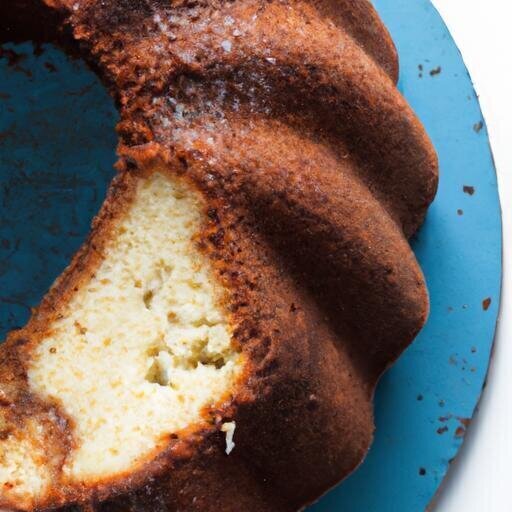
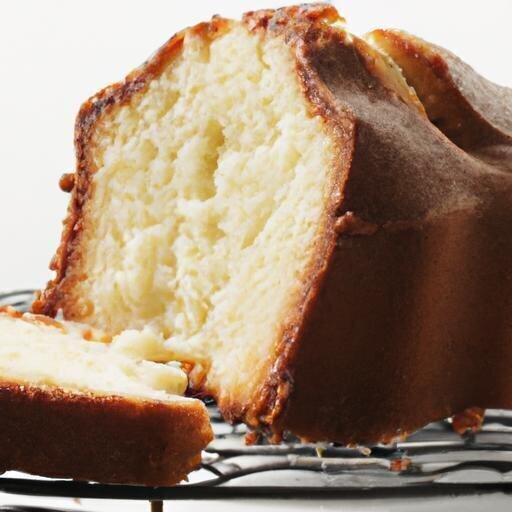
Baking a cake from scratch is a delightful blend of science and art-a dance of ingredients, timing, and a pinch of intuition. But when it comes to crafting the perfect gluten-free vanilla cake, that dance takes on a new rhythm. Gluten-free baking can seem like a culinary puzzle, with textures to master and flavors to balance, yet the reward is a moist, tender treat that everyone can enjoy.
In this ultimate guide, we’ll unravel the secrets behind achieving a flawless gluten-free vanilla cake, from selecting the right flours to mixing techniques and baking tips, ensuring your creation rises to every occasion with lightness and sweetness. Whether you’re gluten-sensitive or simply exploring new baking horizons, prepare to transform your kitchen into a haven of irresistible, allergy-friendly indulgence.
Choosing the Finest Gluten-Free Flours for Light and Fluffy Texture
The ultimate guide to baking the perfect gluten-free vanilla cake begins with selecting the ideal flour blend. Unlike customary wheat flours, gluten-free flours behave uniquely, directly impacting the cake’s texture and crumb. achieving that coveted light and fluffy texture means balancing flours that provide structure, moisture absorption, and tenderness.
For a moist yet airy crumb, a blend of rice flour, tapioca starch, and potato starch forms the backbone of many successful gluten-free cakes. Rice flour contributes a subtle sturdiness, tapioca starch adds springiness, and potato starch helps retain moisture for softness.Be wary of using only one flour type-pure almond flour or coconut flour can yield dense or dry results.
Additionally, incorporating a small amount of gluten-free oat flour or millet flour can lend a gentle nuttiness and improve crumb structure. make sure your flours are finely milled and fresh; stale or coarse flours will weigh down your batter.
Mastering the Art of Moisture: Secrets to a Tender Gluten-Free Vanilla Cake
Moisture is the magic that transforms crumbly gluten-free cakes into tender delights. Using the right balance of liquids and fats is crucial. Beyond the standard milk or dairy-free alternatives, ingredients like Greek yogurt, applesauce, or even buttermilk can infuse extra moisture without sacrificing structure.
Eggs also play a dual role-binding the batter and leavening it when whipped properly. for an elevated texture, consider whipping the egg whites separately to gently fold into the batter. This aeration introduces trapped air,ensuring an ethereal lightness.
Another secret is to avoid over-mixing, which can dry out the batter and compromise tenderness. Combine ingredients until just incorporated, then gently fold in any additional leavening or whipped components.
Flavor Boosters and Enhancers that Elevate Your Cake Batter
Beyond the obvious choice of pure vanilla extract, subtle flavor boosters can enhance your vanilla cake’s depth. A touch of almond extract paired with vanilla brings warmth and nuance. Freshly grated lemon zest or a few drops of orange blossom water can inject brightness and balance sweetness beautifully.
Consider swapping plain sugar for demerara or light brown sugar to add caramel undertones without overpowering the delicate vanilla profile.a pinch of high-quality sea salt intensifies all flavors, making every bite memorable.
Foolproof Baking Techniques for Even Rise and Perfect crumb
Consistency is key when baking gluten-free vanilla cake. Begin by accurately measuring ingredients using a kitchen scale-precision prevents a dense or gummy texture. Preheat your oven fully and use light-colored, non-stick pans to encourage uniform baking and prevent over-browning.
When mixing your batter, employ the “folding” method for dry ingredients to preserve air bubbles. Avoid pressing down on the batter in the pan; instead, gently smooth the top for an even surface. Inserting an oven thermometer ensures the correct baking temperature throughout the process.
Midway through baking, resist opening the oven door to avoid temperature drops that cause collapsing. A toothpick test for doneness-checking for moist crumbs, not wet batter-helps you remove the cake at peak tenderness.
Prep and Cook Time
- Preparation: 20 minutes
- Cooking: 30-35 minutes
- Total Time: 50-55 minutes
Yield
Serves 8-10 generous slices
Difficulty Level
Medium – Perfect for bakers ready to master gluten-free techniques with confidence
Ingredients
- 1 cup gluten-free rice flour, sifted
- 1/2 cup tapioca starch
- 1/4 cup potato starch
- 1/4 cup gluten-free oat flour
- 1 1/2 tsp baking powder, gluten-free
- 1/2 tsp baking soda
- 1/4 tsp fine sea salt
- 3/4 cup granulated sugar
- 3 large eggs, room temperature
- 1/2 cup unsalted butter, melted and cooled
- 3/4 cup buttermilk or dairy-free milkalternative with 1 tsp lemon juice
- 2 tsp pure vanilla extract
- Optional: 1/2 tsp almond extract or zest of 1 lemon
Instructions
- Preheat your oven to 350°F (175°C).Grease and flour two 8-inch cake pans or line with parchment paper for easy release.
- Whisk together the gluten-free rice flour,tapioca starch,potato starch,oat flour,baking powder,baking soda,and salt in a large bowl until fully combined.
- In a separate bowl, beat the eggs with sugar until pale and slightly fluffy, about 3 minutes using an electric mixer.
- Slowly add the melted butter, vanilla extract, and buttermilk to the egg mixture, mixing gently until incorporated. If using almond extract or lemon zest, fold it in now.
- Gradually fold the dry ingredients into the wet ingredients, mixing until just combined. Avoid over-mixing to maintain tenderness.
- Divide the batter evenly between the prepared pans and smooth tops with a spatula.
- Bake in the preheated oven for 30-35 minutes, rotating pans halfway through for even baking. test doneness by inserting a toothpick into the center; it should come out with moist crumbs.
- cool the cakes in the pans for 10 minutes before turning out onto wire racks to cool wholly.
Tips for Success
- Use a combination of gluten-free flours to replicate the elasticity gluten provides.
- Room temperature ingredients help combine more smoothly and trap air for lighter cakes.
- Don’t skip sifting your gluten-free flours to prevent lumps and ensure even rising.
- Test alternative liquids like coconut milk or oat yogurt for added moisture and flavor twists.
- Wrap leftover cake tightly in plastic wrap and refrigerate for up to 3 days or freeze for longer storage.
- For stunning layering, pair with a smooth gluten-free vanilla buttercream.
- Keep your oven calibrated with a quality oven thermometer for flawless rise every time.
Serving Suggestions
This cake shines when simply adorned with a dusting of powdered sugar and fresh berries like raspberries or blueberries. For celebrations, frost with light whipped cream or a delicate vanilla bean glaze. Garnish with edible flowers or a sprinkle of toasted nuts for added elegance and a hint of crunch.
Pair slices with a cup of high-quality vanilla-infused tea or your favorite coffee blend to complement the rich vanilla notes.
| Nutrient | Per Slice (1/10 cake) |
|---|---|
| Calories | 220 kcal |
| Protein | 4 g |
| carbohydrates | 30 g |
| Fat | 9 g |

Q&A
Q&A: The Ultimate Guide to Baking the Perfect Gluten-Free Vanilla Cake
Q1: Why is baking a gluten-free vanilla cake different from a traditional cake?
A1: Gluten is the protein that provides elasticity and structure in regular cakes, helping them rise and hold together. Without gluten,gluten-free cakes need specially chosen flours and binding agents to mimic that structure.This means the ingredients and techniques differ to achieve the same light, fluffy texture without compromise.
Q2: What are the best gluten-free flours for a vanilla cake?
A2: A blend of gluten-free flours works best! Think rice flour for smoothness, tapioca starch for chewiness, and almond or coconut flour for a subtle nutty flavor and moisture. Many bakers recommend pre-made gluten-free flour blends designed for baking, which simplify the process without sacrificing taste.
Q3: How can I ensure my gluten-free vanilla cake comes out moist and tender?
A3: Moisture is key! Incorporate ingredients like yogurt, applesauce, or sour cream to add natural hydration. Don’t overlook the power of fats-using butter or oil helps keep the crumb tender. Also, beating the batter just enough to combine ingredients without overmixing prevents dryness.
Q4: What’s the secret to achieving a perfect vanilla flavor?
A4: Real vanilla extract or vanilla bean paste delivers that authentic, rich profile everyone loves. Use pure vanilla extract over imitation for a deeply aromatic touch. Toasting a vanilla bean pod and scraping out the seeds can also add an extra layer of flavor complexity.
Q5: Are ther any must-have binders for gluten-free baking?
A5: Absolutely! Binders like xanthan gum, guar gum, or psyllium husk powder replace gluten’s “glue” effect and hold your cake together. Be mindful of the amount though-too much can make the cake gummy, too little and it may crumble.Usually,1/2 teaspoon per cup of gluten-free flour blend is a good place to start.
Q6: How should I adjust baking times or temperatures for gluten-free vanilla cake?
A6: Gluten-free cakes can be a bit more delicate and sometimes bake faster or slower depending on the flour blend used. A good rule is to check for doneness 5-10 minutes before the traditional baking time ends.Use a toothpick test: when it comes out clean or with a few moist crumbs, your cake is ready.
Q7: Can I make this cake dairy-free as well?
A7: Yes! Swap dairy milk for almond, oat, or coconut milk and replace butter with coconut oil or a dairy-free margarine. Just keep the fat content similar to maintain moistness and a rich mouthfeel.
Q8: What’s the best frosting to pair with a gluten-free vanilla cake?
A8: Classic buttercream shines bright-made with real butter or dairy-free alternatives, powdered sugar, and vanilla extract. Cream cheese frosting (using dairy-free cream cheese if needed) adds tanginess that balances sweetness beautifully. Always double-check that your frosting ingredients are gluten-free.
Q9: how can I prevent my gluten-free vanilla cake from being too crumbly?
A9: The balance of moisture and binding is crucial. Don’t overbake and use the right amount of gums or binders. Also, gentle mixing and proper cooling (completely before frosting) help the structure set well, minimizing crumbles.
Q10: Can I prepare gluten-free vanilla cake batter ahead of time?
A10: You can! Store the batter in the refrigerator for up to 24 hours to allow the flours to hydrate fully, which sometimes improves texture. Give it a gentle stir before baking. Alternatively, bake layers ahead and freeze for convenience-wrap them tightly to keep freshness intact.
With thes Q&As, you’re one step closer to mastering the perfect gluten-free vanilla cake: moist, tender, bursting with vanilla aroma, and completely gluten-free! Happy baking!
The Conclusion
Baking the perfect gluten-free vanilla cake is more than just following a recipe-it’s about understanding the unique dance of ingredients that bring texture, flavor, and moisture together in harmony. With the tips and tricks shared in this guide, you’re now equipped to transform gluten-free baking from a challenge into a joyful culinary adventure.
Whether you’re celebrating a special occasion or simply craving a slice of homemade comfort, your golden, fluffy vanilla cake will be a testament to creativity and care. So preheat that oven, gather your favorite ingredients, and let your gluten-free baking journey rise to flavorful new heights!