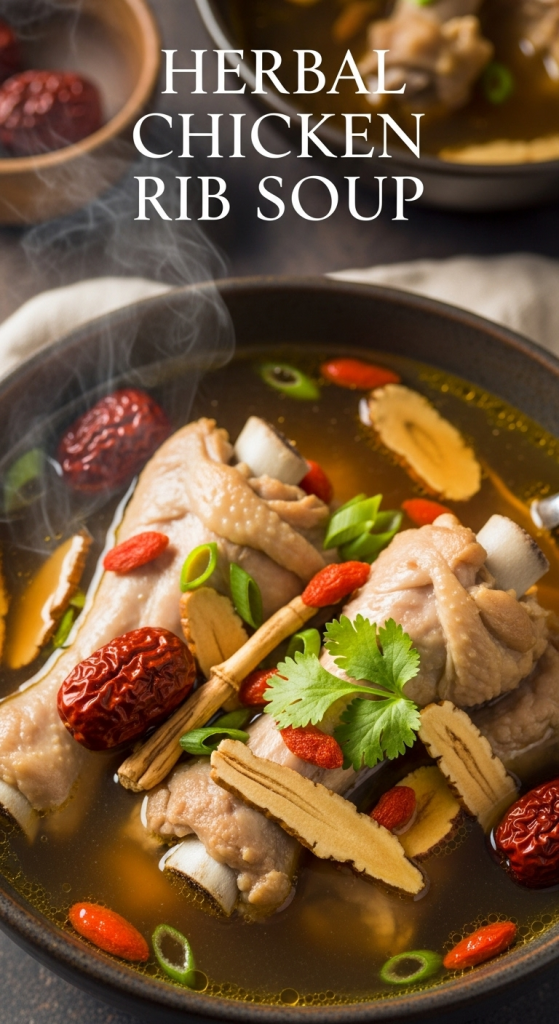

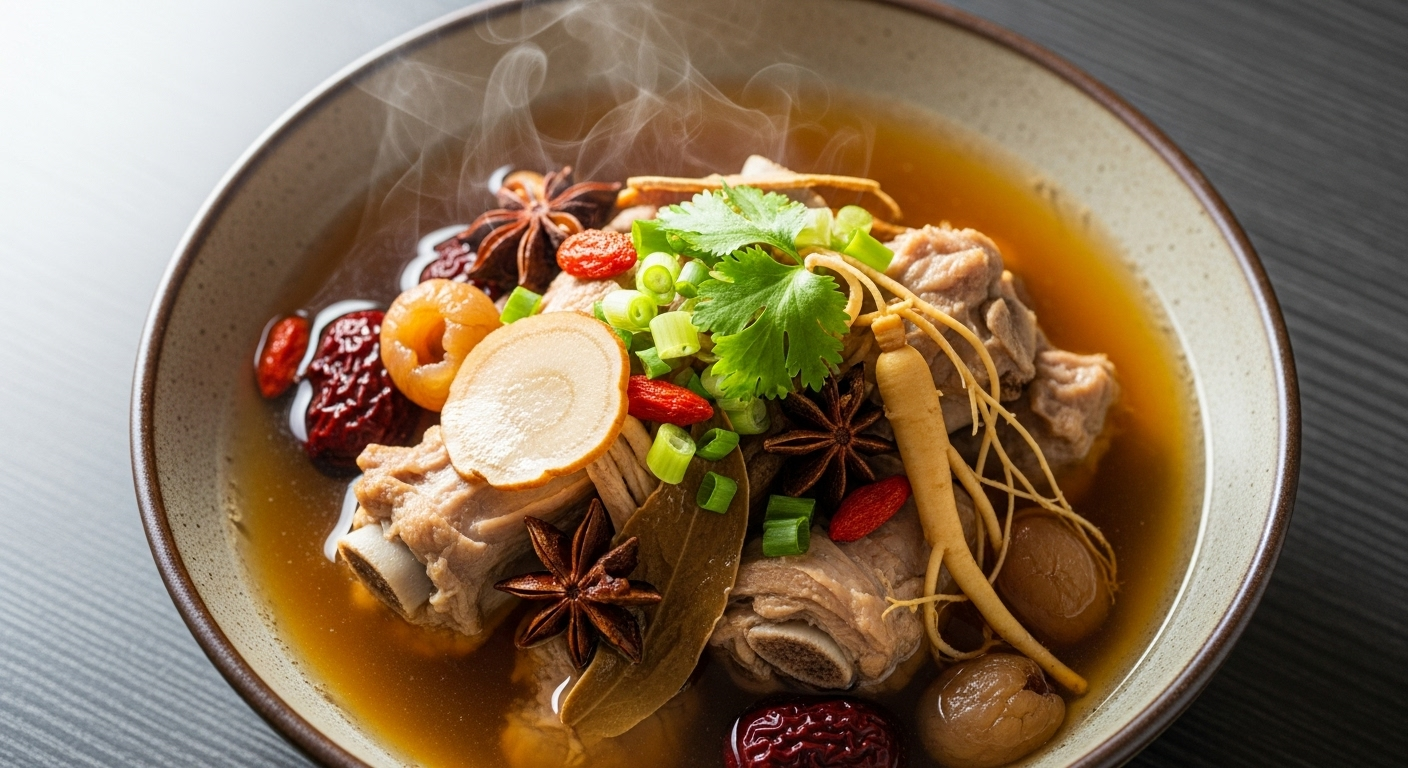
In the delicate dance between tradition and taste lies a humble bowl of herbal chicken rib soup-a potion of warmth, healing, and heritage. More than just a comforting meal,this flavorful broth embodies centuries of wisdom,where fragrant herbs and tender chicken ribs unite to nurture the body and soothe the soul.
Journey with us into the art of crafting this time-honored elixir, as we unravel the secrets behind its restorative ingredients and explore how each simmered spoonful offers a harmonious balance of flavor and wellness. Welcome to the world of healing flavors,where nourishment is an experience and every sip tells a story.
healing Flavors: The Art of Herbal Chicken Rib Soup draws from centuries-old traditions, blending culinary artistry with holistic wellness. This nourishing elixir is more than a meal; it’s an experience steeped in ancient wisdom, where the right combination of herbs elevates your broth into a potent tonic for mind and body alike. Whether you seek comfort on a chilly evening or a gentle boost to your wellness routine, mastering the secrets of this soup unlocks both flavor and healing.
Prep and Cook Time
- Prep Time: 20 minutes
- Cook Time: 2 hours 30 minutes
- Total Time: 2 hours 50 minutes
Yield
Serves 6 hearty portions
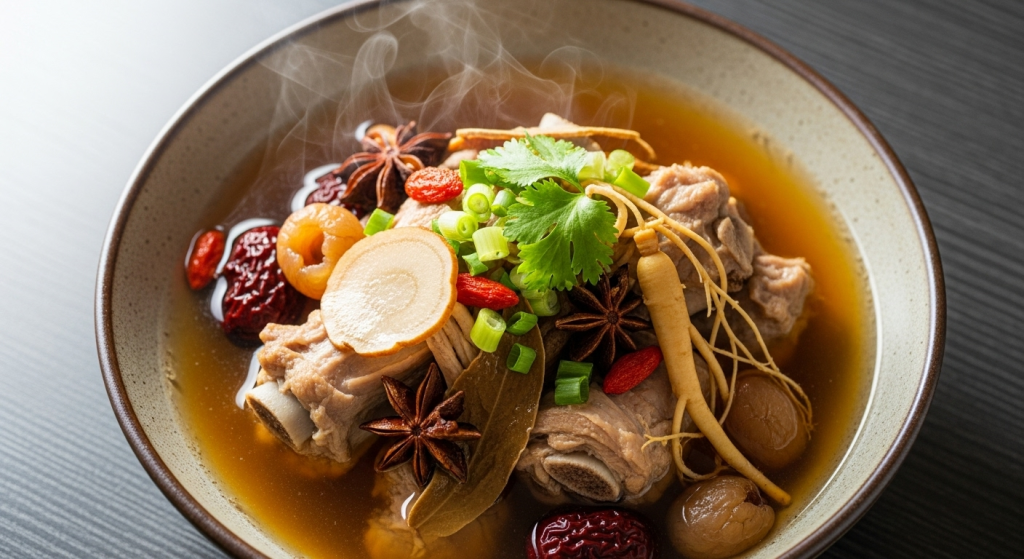
Difficulty Level
Medium - Perfect for those comfortable with simmering and balancing delicate herbal notes.
Ingredients
- 1.5 lbs chicken ribs (rinsed and patted dry)
- 8 cups filtered water
- 10g dried dong quai root (angelica sinensis)
- 10g dried goji berries (wolfberries)
- 15g dried astragalus root slices
- 5g dried shiitake mushrooms, soaked and sliced
- 1 small piece (about 1 inch) fresh ginger, thinly sliced
- 3 cloves garlic, crushed
- 1 medium carrot, cut into chunks
- 2 stalks celery, chopped
- 1 tsp sea salt (adjust to taste)
- Freshly ground black pepper, to taste
- 2 sprigs fresh cilantro (for garnish)
Instructions
- prepare the herbs: Rinse dried herbs (dong quai, astragalus, goji berries, shiitake mushrooms) in cool water to remove any residue. This step ensures clarity in the broth and releases the herbs’ medicinal essence.
- Sear the chicken ribs: In a large heavy-bottom soup pot, add a teaspoon of neutral oil over medium heat. Sauté the chicken ribs until lightly browned, about 5 minutes, turning gently to seal in flavors and build a rich base.
- Add aromatics and vegetables: Toss in ginger, garlic, carrot, and celery. Stir for 2-3 minutes until fragrant, ensuring the ginger releases its warming spiciness.
- Combine with water and herbs: Pour 8 cups of filtered water into the pot. Add the rinsed herbs and bring the pot to a rolling boil. Skim off any foam or impurities that rise to the surface to maintain a crystal-clear broth.
- Simmer with care: Reduce heat to low and cover the pot partially. Let the soup simmer gently for 2 to 2.5 hours to coax out deep, layered flavors and therapeutic compounds from both herbs and chicken ribs.
- Season and balance: Add sea salt and freshly ground black pepper during the last 15 minutes of cooking. Taste frequently and adjust seasoning carefully, balancing savory depth with the subtle sweetness and bitterness of the herbs.
- Finish and serve: Remove from heat and strain the broth for a silky texture. Serve hot, garnished with fresh cilantro sprigs to infuse a burst of freshness and visual vibrancy.
Expert Tips for Balancing Taste and therapeutic Qualities
- Choose quality dried herbs: Opt for organic, reputable sources to guarantee maximum healing benefits and authentic flavor profiles.
- Don’t rush the simmering: Slow and steady heat extracts both flavor and nutrients-resist the urge to boil aggressively.
- adjust herbs to your needs: Swap or add herbs like codonopsis or dried jujube if you prefer sweeter, milder notes without sacrificing health properties.
- Taste early and often: Herbal broths can quickly tip towards bitterness or overwhelm savory balance-gentle seasoning and tasting is essential.
- Make ahead: The soup’s flavor mellows beautifully overnight. Store chilled up to 3 days, reheat gently without boiling to preserve delicate herbal compounds.
Serving Suggestions
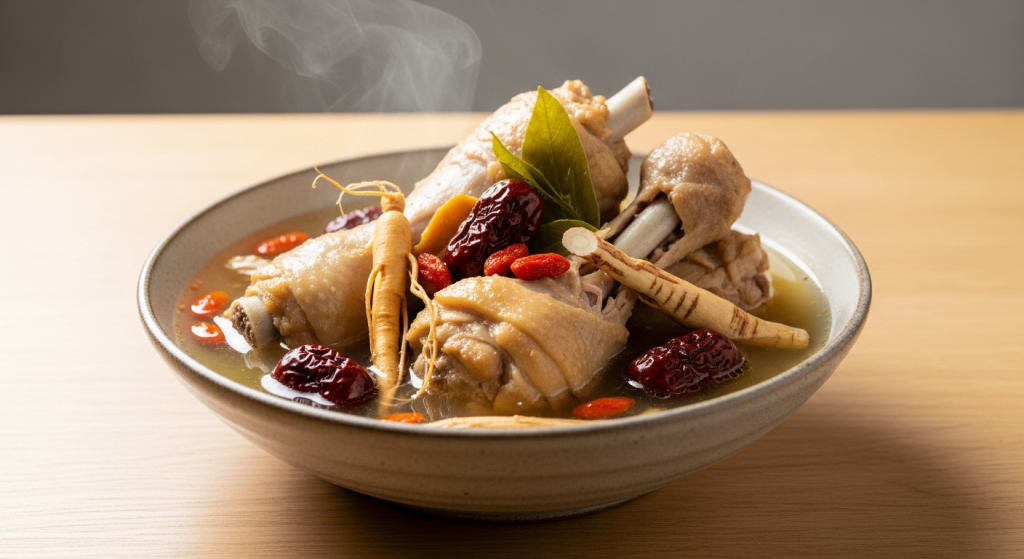
Present this herbal chicken rib soup in deep bowls for a cozy, intuitive experience. For added texture, serve with a side of steamed jasmine rice or soft, soaked rice noodles. Garnish each bowl with a sprinkle of freshly chopped cilantro and thinly sliced scallions to awaken the palate and brighten the broth’s golden hue. Fresh cracked white pepper and a splash of toasted sesame oil on the side offer finishing accents for adventurous eaters.
| Nutrient | Per Serving |
|---|---|
| Calories | 220 kcal |
| Protein | 25 g |
| Carbohydrates | 8 g |
| Fat | 7 g |
| Fiber | 2 g |
For further insight into the herbal ingredients used here, visit the National Centre for Biotechnology Information which offers valuable research on traditional herb benefits.
explore more nourishing recipes like this in our Wellness Soups Collection to deepen your culinary and health journey.
Q&A
Q&A: Healing Flavors - The Art of Herbal Chicken rib Soup
Q1: What makes Herbal Chicken Rib soup a healing dish rather than just a comforting meal?
A1: Herbal Chicken Rib Soup bridges nourishment and natural wellness. The rich broth extracted from tender chicken ribs, combined with thoughtfully selected medicinal herbs, creates a symphony of flavors that not only delights the palate but also supports the body’s balance and vitality. This soup is traditionally revered for its ability to boost immunity, improve circulation, and restore energy.
Q2: Which herbs are commonly used in herbal Chicken Rib Soup, and what are thier benefits?
A2: Key herbs often include astragalus root (huang qi) for immunity enhancement, angelica root (dang gui) for blood circulation, goji berries (gou qi zi) for antioxidant support, and dried longan (long yan rou) for calming energy. together, they infuse the soup with flavors that range from earthy to subtly sweet, each contributing unique healing properties that elevate the dish beyond mere sustenance.
Q3: Why are chicken ribs specifically chosen instead of other chicken parts?
A3: Chicken ribs lend a uniquely rich flavor and gelatinous texture to the soup, thanks to their cartilage and marrow content. This enriches the broth with collagen and nutrients that promote skin health and joint function. Additionally, ribs provide a deeper, meatier taste that perfectly complements the herbal infusion.
Q4: How does the cooking method influence the healing qualities and flavor profile of the soup?
A4: Slow simmering is the heart of the planning, allowing the herbs to fully release their essences and the chicken ribs to tenderize gently. This method extracts minerals and gelatin, creating a nurturing, silky broth. The extended simmer also melds the flavors harmoniously, turning the soup into a meditative culinary experience that soothes both body and soul.
Q5: Can Herbal Chicken Rib Soup be adapted for different health needs or seasons?
A5: Absolutely. The beauty of this soup lies in its flexibility with herbal combinations. In cooler months, warming herbs like cinnamon bark or dried ginger may be added to enhance circulation and counter cold.During recovery or fatigue, tonifying herbs such as codonopsis root (dang shen) can be included to boost energy. The recipe is a living tradition, adaptable to personal health goals and seasonal rhythms.
Q6: What are some tips for sourcing ingredients to ensure the best healing affect?
A6: Prioritize fresh, organic chicken ribs to maximize nutrient density and clean flavor. For herbs, seek high-quality dried or fresh medicinal herbs from reputable suppliers specializing in traditional herbal medicine. Avoid over-processed or inferior materials, as the potency of herbs is crucial for the soup’s restorative qualities.
Q7: How can one enjoy Herbal Chicken Rib Soup as part of a balanced wellness routine?
A7: Incorporate the soup as a comforting meal during times of fatigue, stress, or seasonal change. Pair it with light greens or steamed vegetables for a nourishing, balanced plate. Consuming it mindfully-savoring each sip and bite-can transform the act of eating into a restorative ritual, reinforcing the connection between food and healing.
Q8: Is it necessary to have experience with herbal cooking to make this soup?
A8: Not at all. while the soup is rooted in tradition, it welcomes beginners who approach it with curiosity. Starting with a simple base of chicken ribs and a few basic herbs allows experimentation and learning. Over time, one can explore more complex combinations and techniques to fully embrace the art of herbal cooking.
Q9: Are there vegetarian alternatives that capture a similar healing essence?
A9: While the depth of chicken ribs imparts a distinctive flavor and collagen content, vegetarian herbal broths can be created using mushrooms, seaweed, and a medley of herbs to evoke nourishing, restorative qualities. However, the unique synergy of chicken ribs and herbs in this recipe remains unmatched for those seeking traditional healing benefits.
Q10: What is the cultural significance of herbal Chicken Rib Soup in culinary traditions?
A10: this soup is more than food; it’s a culinary embodiment of harmony between nature and the human body. Rooted in time-honored medicinal cookery practices, it reflects a holistic approach to health where meals serve as medicine. Sharing this soup often marks caring gestures, community bonding, and preservation of ancestral wisdom through each soul-warming bowl.
Future Outlook
As the steam rises gently from a bowl of herbal chicken rib soup, it carries with it more than just warmth-it whispers tales of ancient wisdom and the delicate harmony between nature and nurture. This humble dish, rich with healing flavors and time-honored ingredients, isn’t merely sustenance for the body but a balm for the soul. Embracing the art of crafting this soup invites us to slow down, reconnect with tradition, and savor the therapeutic magic hidden within every simmering spoonful.
In a world that often rushes forward, herbal chicken rib soup reminds us that true healing is both an art and a flavor to be cherished.