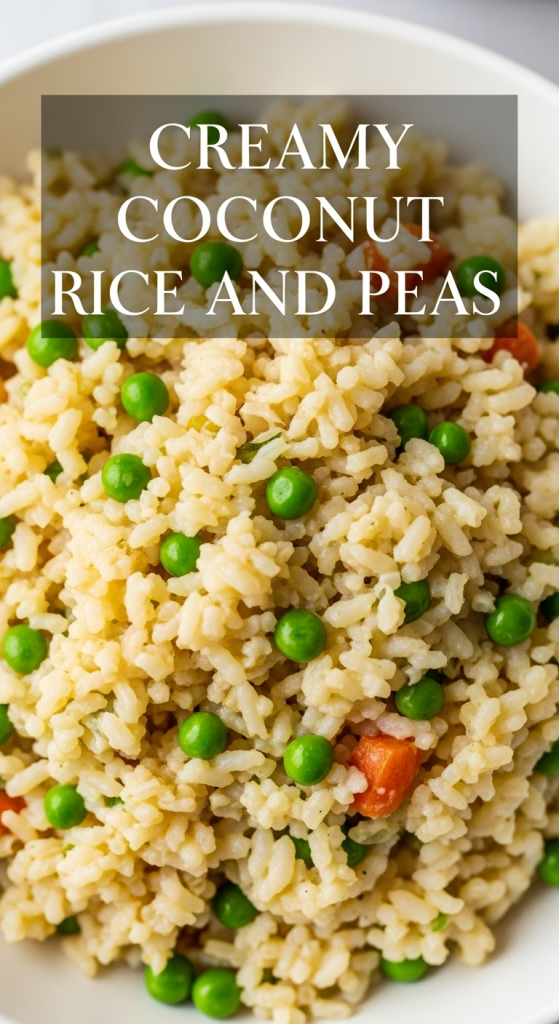
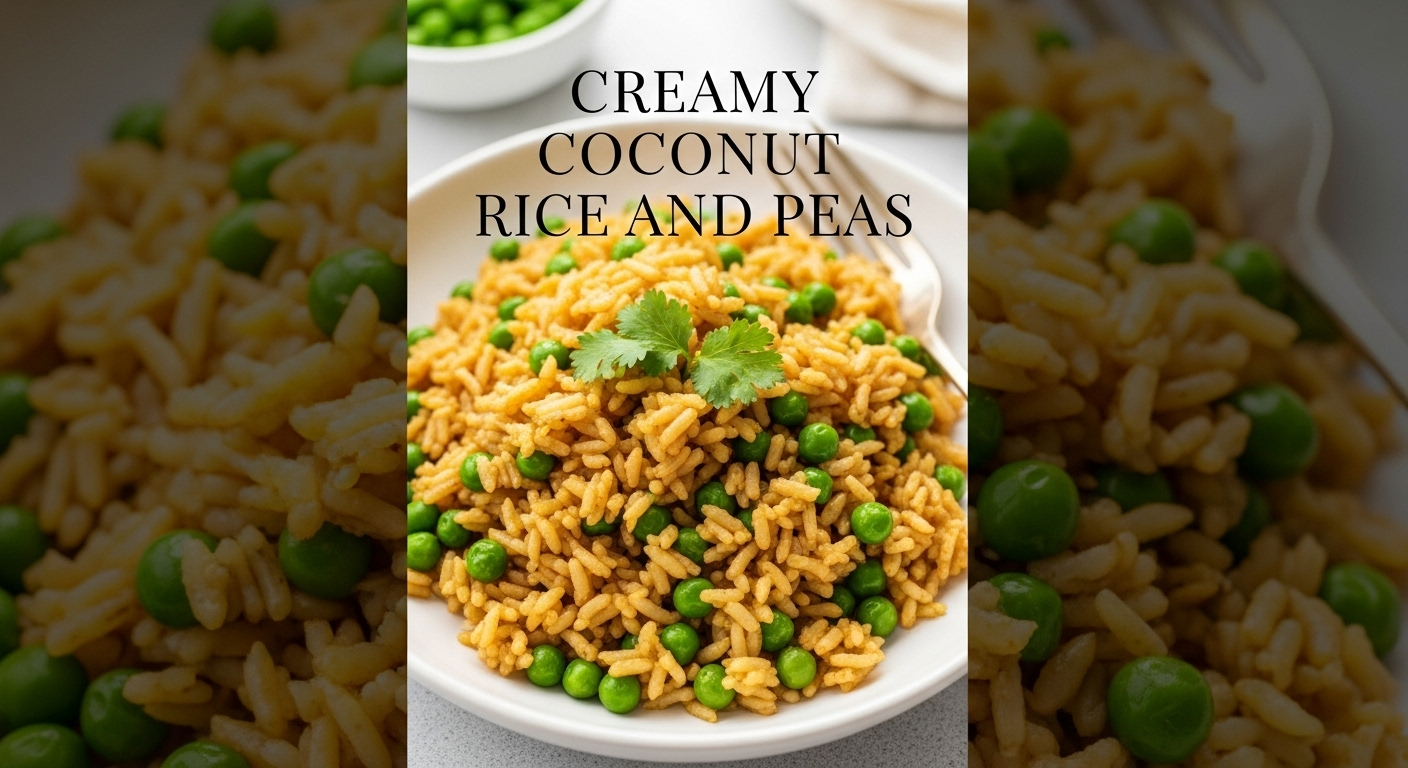
In the vibrant tapestry of Caribbean cuisine, few dishes capture the essence of island life quite like creamy coconut rice and peas. This beloved staple, often found gracing family tables and festive gatherings alike, is a harmonious blend of tender rice, plump red kidney beans (or “peas,” as they’re affectionately called), and rich, fragrant coconut milk.
Each spoonful transports you to sun-soaked shores and swaying palm trees,where every ingredient tells a story of tradition,culture,and the simple joy of sharing good food. Join us as we explore the origins, flavors, and secrets behind this Caribbean classic-a dish that’s much more than just a side; it’s a festivity of heritage in every bite.
Exploring the Rich History and Cultural Importance of Coconut Rice and Peas
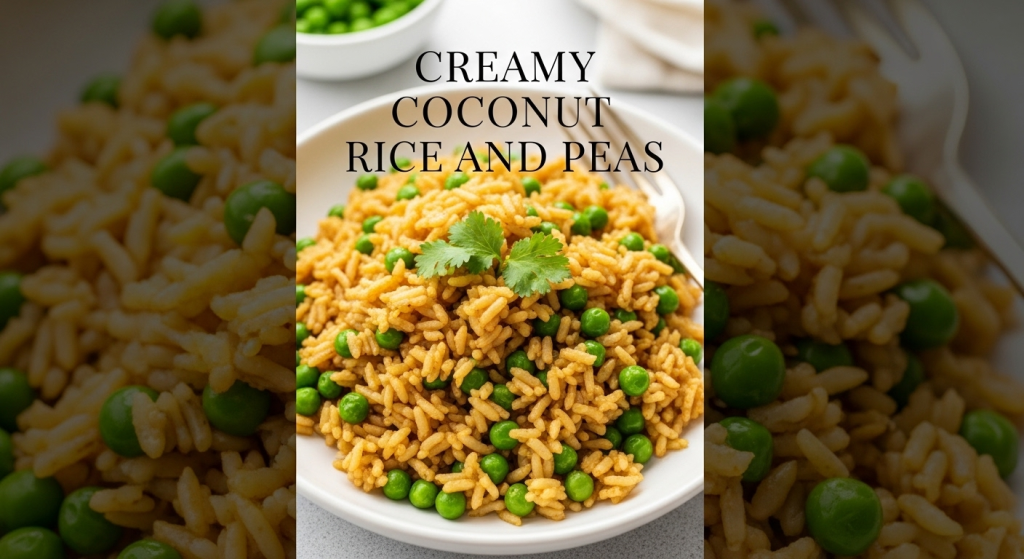
creamy Coconut Rice and Peas is much more than a comforting Caribbean staple; it is a flavorful emblem of island heritage and communal tradition. Originating from the diverse culinary tapestry of the West Indies, this dish marries fragrant rice with tender beans soaked in rich coconut milk, evoking stories that span generations of foodways brought together by African, Indigenous, and European influences.
Enjoying this dish conjures images of vibrant Caribbean family gatherings and festive celebrations, where every spoonful carries a legacy of warmth, resilience, and cultural pride.
Choosing the Perfect Coconut Milk and Beans for Authentic Flavors
The secret to achieving that irresistible creaminess characteristic of authentic creamy coconut rice and peas lies in your choice of coconut milk and beans. Opt for full-fat coconut milk-either freshly made or canned with no additives-to impart a natural sweetness and velvety texture that transforms the rice from ordinary to extraordinary.
When selecting beans, traditional recipes call for red kidney beans, prized for their firm texture and earthy taste, but pigeon peas or black-eyed peas also lend themselves beautifully to the dish. Always soak your beans overnight or use canned varieties rinsed well to ensure tenderness without compromising the subtle flavors.
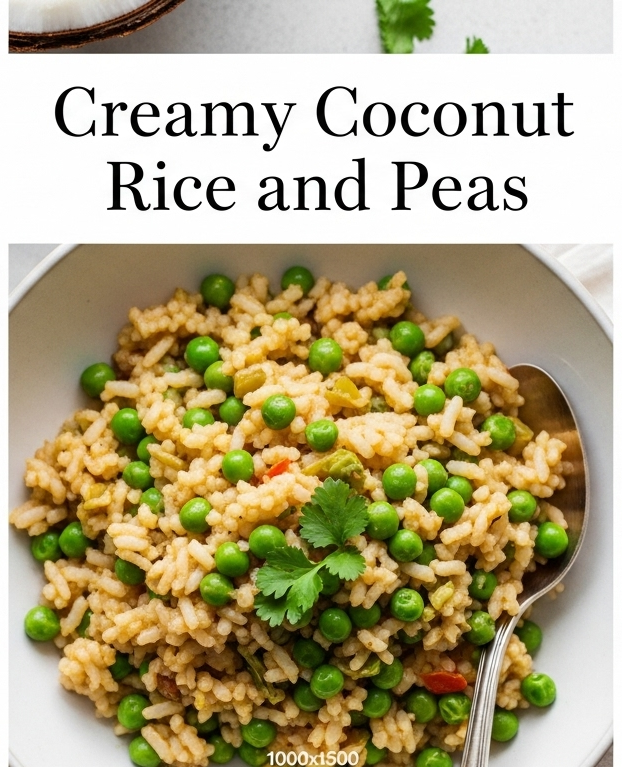
Step-by-Step Guide to Achieving the Creamiest Texture Every Time
- Rinse and soak the beans: For the creamiest results, soak dried beans overnight to soften and reduce cooking time.
- Cook the beans gently: Simmer with water and aromatics like thyme and garlic until just tender but not mushy, preserving their shape.
- Prepare the coconut milk base: Pour full-fat coconut milk into a heavy-bottomed pot and bring to a gentle simmer-avoid boiling to prevent separating the cream.
- Add the rinsed rice: Incorporate long-grain or basmati rice directly into the coconut milk, stirring to coat every grain evenly.
- Combine beans and spices: Fold the cooked beans along with scotch bonnet pepper (left whole for mild heat) and fresh thyme into the pot.
- Simmer gently with a lid: Reduce heat to low, cover, and let the rice absorb the creamy liquid, cooking undisturbed to retain the desired fluffy and moist texture.
- Rest before fluffing: Once the liquid is absorbed, let the rice rest covered for 5-10 minutes to lock in moisture before fluffing with a fork.
Expert Tips for Balancing Spices to Elevate Your Caribbean Dish
True mastery of creamy coconut rice and peas lies in the subtle yet impactful layering of spices and aromatics. scotch bonnet pepper adds a fruity heat, but leaving it whole during cooking allows you to control spiciness without overwhelming the dish. Fresh thyme is essential-it ties the flavors together with its earthy brightness. For additional depth, a pinch of ground allspice or a couple of crushed garlic cloves works wonders without stealing the spotlight. Always taste toward the end and adjust seasoning with fine sea salt and freshly cracked black pepper to let the coconut’s sweetness shine through balanced with warmth and spice.
Prep and Cook Time
- Prep Time: 15 minutes
- Cook Time: 40 minutes (plus soaking time if using dried beans)
Yield
- Serves 4 generously
Difficulty Level
- Medium
ingredients
- 1 cup dried red kidney beans, soaked overnight and drained (or 1 can, rinsed)
- 2 cups long-grain white rice, rinsed until water runs clear
- 1 can (13.5 oz) full-fat coconut milk
- 2 cups water
- 2 garlic cloves, minced
- 1 sprig fresh thyme
- 1 whole scotch bonnet pepper (optional, for flavor not heat)
- 1 tsp salt, adjust to taste
- Freshly ground black pepper, to taste
- 2 tbsp vegetable oil or coconut oil
Instructions
- Prepare the beans: Soak dried beans overnight. Drain, then place in a pot with 4 cups water, minced garlic, and one sprig thyme.Simmer gently until tender but not mushy,about 30 minutes. Drain, reserving 1 cup of the cooking liquid.
- Heat the oil: In a large, heavy-bottomed pot, warm the vegetable oil over medium heat. Add the rinsed rice and stir for 2 minutes to coat grains and lightly toast.
- Add coconut milk and liquids: Pour in the coconut milk, reserved bean cooking liquid, and 2 cups fresh water. Stir gently to combine with rice.
- Add beans and aromatics: Fold in the cooked beans, whole scotch bonnet pepper, and the reserved thyme sprig.
- Bring to a simmer: Cover with a tight-fitting lid and reduce heat to low. Let cook undisturbed for 20 minutes or until the liquid is absorbed and rice is tender.
- rest the rice: Remove from heat but keep covered for another 5-10 minutes. This resting phase ensures extra creaminess.
- Finish and serve: Remove the thyme and scotch bonnet pepper carefully. Fluff the rice gently with a fork and season with salt and pepper to taste.
Chef’s Notes
- For quicker prep, canned beans work wonderfully but slightly reduce added salt as canned varieties can be salty.
- If you prefer more heat, pierce the scotch bonnet pepper before adding it-but be cautious as it can intensify the spice quickly.
- Use basmati rice for a fragrant twist, though traditional recipes typically use long-grain white rice.
- Leftovers taste even better the next day-store covered in the fridge and reheat with a splash of coconut milk to refresh creaminess.
Serving Suggestions
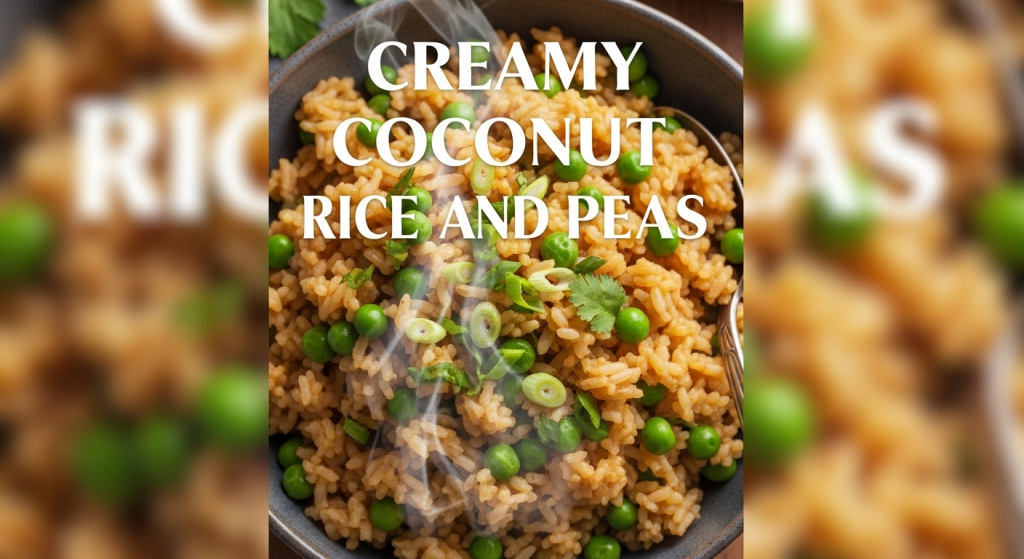
This creamy coconut rice and peas pairs beautifully as a side with jerk chicken, curried vegetables, or grilled fish. Garnish with fresh chopped scallions, chopped cilantro, or thin wedges of lime to brighten the mellow coconut flavor. For a festive touch, add toasted coconut flakes or a sprinkling of finely diced sweet bell peppers for color and crunch.
| Nutrient | Per Serving |
|---|---|
| calories | 340 kcal |
| Protein | 11 g |
| Carbohydrates | 55 g |
| Fat | 8 g |
Discover more Caribbean flavors in our Jamaican Jerk Chicken recipe and deepen your culinary knowledge with [Caribbean Food History on Britannica](https://www.britannica.com/topic/Caribbean-cuisine) for a cultural perspective.
Q&A
Q&A: Creamy Coconut Rice and Peas – A Caribbean Classic Recipe
Q1: What exactly is “Rice and peas,” and why is it so beloved in Caribbean cuisine?
A1: Rice and Peas is a staple dish in many Caribbean homes, celebrated for its comforting, hearty nature and rich flavors. the “peas” usually refer to kidney beans or pigeon peas, which are simmered with rice in creamy coconut milk and seasoned with aromatic herbs and spices. It’s a perfect fusion of simplicity and depth that captures the essence of Caribbean culinary tradition-nourishing, vibrant, and soul-satisfying.
Q2: What makes coconut milk such an vital ingredient in this recipe?
A2: Coconut milk is the secret behind the dish’s signature creaminess and subtle sweetness.It beautifully balances the earthiness of the beans and the fragrance of herbs like scallion and thyme. Beyond flavor, coconut milk adds a silky texture that infuses every grain of rice, creating that indulgent mouthfeel that defines the dish’s Caribbean flair.
Q3: Can I use any type of beans for this recipe?
A3: Absolutely! While red kidney beans are traditional and widely favored, pigeon peas are another authentic option that bring a slightly different texture and flavor. Black-eyed peas can also work in a pinch, but the key is to choose a bean that holds its shape well through cooking and absorbs the savory coconut broth without getting mushy.
Q4: How do the herbs and spices contribute to the overall flavor profile?
A4: Caribbean cooking thrives on layers of flavor, and herbs like fresh thyme and scallion are essential in rice and peas.Thyme brings an earthy, slightly minty aroma, while scallions add a bright, oniony kick.Along with garlic, a bit of allspice or a Scotch bonnet pepper can add subtle warmth and a gentle kick, rounding out the dish’s fragrant, lively personality.
Q5: Is this dish vegan or vegetarian-friendly?
A5: Yes! Creamy Coconut rice and Peas is naturally vegan and vegetarian, relying on plant-based ingredients and dairy-free coconut milk for richness. It’s an excellent choice for anyone looking for satisfying, hearty meals without animal products.
Q6: What dishes pair well with Rice and Peas to complete a Caribbean meal?
A6: Rice and Peas provides a luscious, flavorful foundation for many Caribbean main courses. It pairs beautifully with jerk-spiced vegetables, hearty stews made from goat or chicken, or crispy fried plantains.For a light and refreshing complement, a simple cucumber and pepper salad dressed with lime can brighten the plate and add textural contrast.
Q7: How can I make sure the rice turns out perfectly creamy and not dry?
A7: The trick lies in using the right ratio of coconut milk to liquid (usually water or broth) and simmering gently, allowing the rice to absorb the creamy goodness without burning or sticking. Stir occasionally but avoid overmixing, which can make the rice gummy. Also,don’t rush-letting it cook slowly lets flavors meld and the rice soften just right.
Q8: Can I prepare Creamy Coconut Rice and Peas in advance?
A8: Yes, it’s a great make-ahead dish! The flavors deepen when it sits for a few hours or overnight. Just store it in an airtight container in the fridge and reheat gently with a splash of coconut milk or water to revive its creamy texture. It works wonderfully for meal prep or potluck gatherings.
Q9: are there any regional variations of this dish across the Caribbean?
A9: Definitely! While the core elements remain consistent, you’ll find exciting regional twists. In Jamaica, rice and peas is almost always cooked with allspice and Scotch bonnet peppers. In Trinidad and Tobago, sometimes coconut milk is richer and the peas might be different varieties. Some islands add fresh herbs or use different beans reflecting their local harvests, making each rendition a unique celebration of island flavors.
Q10: What’s the best way to showcase this dish’s vibrant colors and textures when serving?
A10: Presentation can be simple and striking-serve the fluffy, coconut-coated rice and peas in a colorful bowl or on a woven placemat to nod to Caribbean roots. Garnish with fresh chopped scallions, a sprig of thyme, or a few slices of bright red pepper for contrast. A side of golden fried plantains or fresh mango salsa not only enhances the plate visually but adds delightful textures and tastes that elevate the dining experience.
in Summary
As the last fragrant spoonful of creamy coconut rice and peas lingers on your palate, you’ll understand why this Caribbean classic has earned its cherished spot at the table. more than just a side dish, it’s a celebration of bold flavors, rich traditions, and the vibrant culture that brings each grain to life.
Whether enjoyed with a spicy jerk chicken or a fresh garden salad, this comforting recipe invites you to savor the warmth and soul of the islands in every bite. So next time you’re craving a taste of the Caribbean, let this creamy, dreamy dish transport you-one appetizing mouthful at a time.