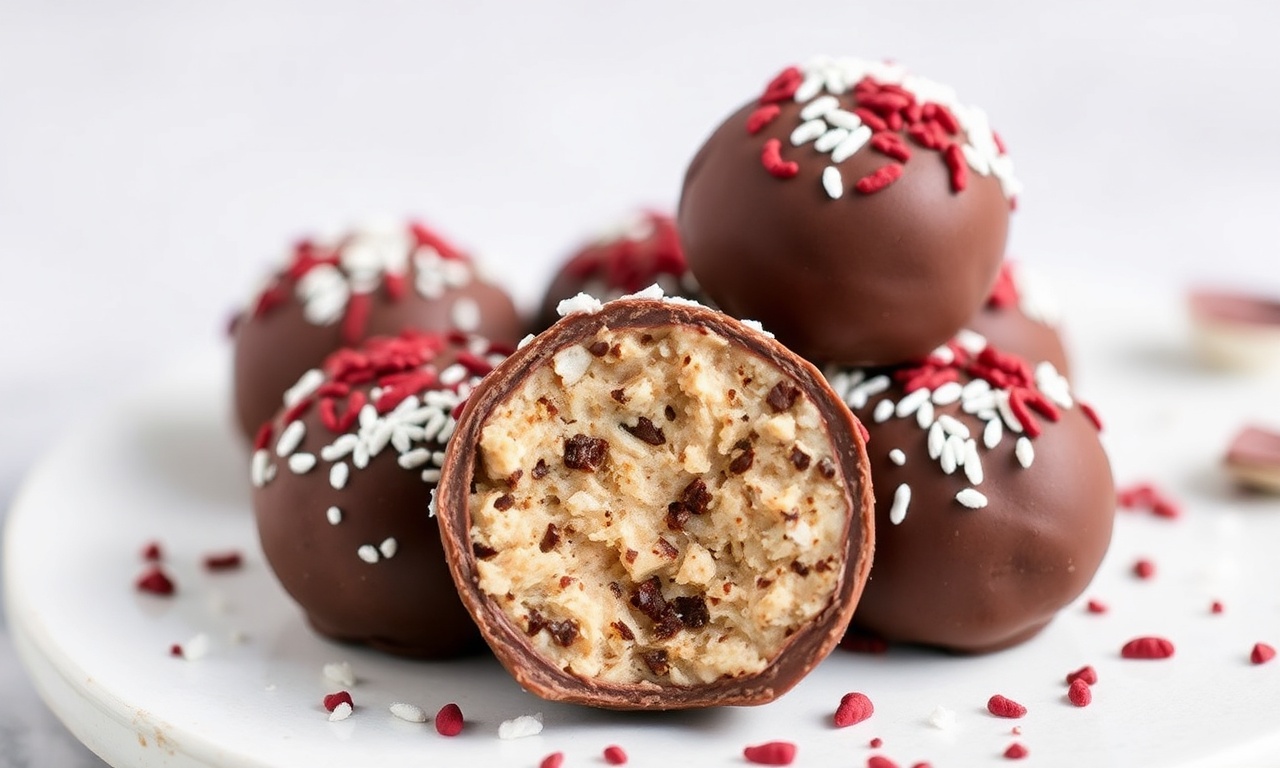
Chocolate coconut fat bombs give you fast keto-friendly energy with minimal prep. They taste like dessert, but they work with low-carb macros because they rely on fats, not sugar.
- Chocolate Coconut Fat Bombs: Why This Snack Works on Keto
- What Makes These Fat Bombs “Energy Bites” for Low-Carb Days
- Ingredients You Can Keep in Your Pantry
- Recipe: Make Chocolate Coconut Fat Bombs in About 40 Minutes
- Texture, Taste, and Keto Macro Accuracy: What Actually Changes the Result
- How to Store and Serve for Best Results
- Who Should Make These Fat Bombs (and Who Should Modify)
- Frequently Asked Questions
- 5 ingredients keep the recipe simple and repeatable.
- No-bake method makes portioning quick.
- Coconut + cacao delivers a rich flavor and sliceable texture.
- Macro-focused sweetener helps you stay keto without guessing.
Chocolate Coconut Fat Bombs: Why This Snack Works on Keto
Chocolate coconut fat bombs fit keto because they provide energy from fat while you keep carbs low. When you choose unsweetened coconut and cacao, you avoid the sugar swings that can break ketosis.
These bites also help with timing. If you get cravings between meals, a small, high-fat snack can reduce the urge to reach for sugary foods.
What Makes These Fat Bombs “Energy Bites” for Low-Carb Days
When carbs drop, many people shift toward using fat as a major fuel source. Fat bombs support that goal by delivering concentrated calories in a compact format.
Cacao adds more than flavor. It contains naturally occurring plant compounds called polyphenols, and that can support your overall antioxidant intake as part of a balanced diet. For background, review polyphenols.
Why Coconut + Chocolate Create a Satisfying Texture
Coconut oil firms up when it cools, so your fat bombs hold shape and slice cleanly. That texture matters because it reduces the “melt-and-drink” effect that can lead to overeating.
Shredded coconut adds chew, while cocoa or cacao gives a classic chocolate finish. For general fat context, see fat and how it supports satiety.
How Cocoa Differs From Basic Chocolate
Cocoa and cacao come from the same plant source, but processing varies. That difference can change flavor intensity and bitterness, which affects how much sweetener you need.
If you’re trying to dial in your batch, learn how each product gets processed. For reference, check cocoa and cacao.
Ingredients You Can Keep in Your Pantry
This recipe uses a straightforward ratio so you don’t have to hunt for specialty powders. You melt coconut oil, mix in nut butter for creaminess, then fold in coconut and cacao.
To keep the carb count low, use unsweetened shredded coconut and unsweetened cacao or cocoa. Then choose a keto sweetener that matches your tolerance and your label math.
Core Ingredients (5-Ingredient Base Recipe)
1/2 cup (about 110 g) virgin coconut oil, melted (gentle heat only).
1/3 cup unsweetened shredded coconut, finely chopped.
1/4 cup raw cacao powder (or natural cocoa), sifted.
2 tbsp almond butter (unsweetened) for a soft, creamy center.
3 tbsp keto sweetener (erythritol-based works well for many people).
Flavor Boost (Still Keto, Easy to Adjust)
If you want a more “chocolate dessert” taste, add vanilla extract and sea salt. These don’t drive carbs, but they improve aroma and balance sweetness.
Use vanilla as a small finishing step, and add salt in a pinch. Salt also helps cocoa taste less flat.
Sweetener tolerance varies a lot person to person. If you track symptoms, you’ll learn your personal “safe amount” faster than by guesswork.
For a label-focused explanation of sugar alcohols, see sugar alcohol.
Recipe: Make Chocolate Coconut Fat Bombs in About 40 Minutes
You do about 10–12 minutes of active work. Then the fridge handles the main step while the mixture firms into sliceable bites.
Use silicone molds for the easiest release. If you don’t have molds, pour into a parchment-lined dish and slice after chilling.
Prep Time, Chill Time, Yield
Prep: 10 minutes
Chill: 30 minutes (more if your kitchen runs warm)
Total: ~40 minutes
Yield: ~10–14 fat bombs (depends on mold size)
Step-by-Step Instructions
1) Melt and cool just enough
Warm the coconut oil gently until fully liquid. Avoid high heat so the flavor stays clean.
Let it cool for 2–3 minutes before mixing. This timing helps prevent clumps when coconut and nut butter meet the warm oil.
2) Mix dry ingredients for even sweetness
Sift cacao, then whisk in the sweetener, chopped coconut, and sea salt. Even mixing stops “sweet pockets” and bitter spots.
When cacao clumps, it often comes from humidity. Sifting and whisking fix it fast.
3) Stir in nut butter and vanilla
Add almond butter and vanilla to the melted coconut oil. Stir until the mixture looks smooth and glossy.
Then pour the wet mixture into the dry bowl and mix thoroughly. Scrape the sides and bottom so nothing stays dry.
4) Portion and smooth the tops
Transfer to molds or a parchment-lined dish. Press slightly to remove air pockets that cause weak spots.
For clean edges, smooth the top with a spoon or small spatula. It also helps you slice more evenly.
5) Chill until firm, then portion
Refrigerate at least 30 minutes until set. If you poured into a dish, chill about 45 minutes for neat cuts.
Store in an airtight container. Freeze for longer storage and faster grab-and-go snacks.
Texture, Taste, and Keto Macro Accuracy: What Actually Changes the Result
Texture depends on temperature and ingredient ratios. Coconut oil firmness changes with room temperature, so set times can vary slightly.
Chopped coconut size also changes mouthfeel. Smaller pieces blend better, while larger pieces give more chew.
Nut Butter Thickness Matters
Nut butter acts like a binder and softener. A thinner nut butter makes the center softer, while a thicker one creates firmer bites.
If you swap nut butters, expect small texture changes. Measure by grams when possible for repeatability.
Fixing Common Problems
Problem: Grainy texture. Cause: poor mixing or coconut oil cooling too fast. Fix: mix until glossy, then re-chill.
Problem: Weak chocolate flavor. Cause: low cacao or mild cocoa. Fix: use natural cacao/cocoa and add salt by small increments.
Problem: Too hard after freezing. Cause: deep freeze without thaw time. Fix: thaw 3–5 minutes at room temperature.
Sweetness Adjustments That Keep It Keto
If your batch tastes too sweet, reduce sweetener by 10–20% next time. If it tastes too bitter, add sweetener slowly rather than doubling.
Because cacao strength varies by brand, measure carefully. Weight measurements improve consistency more than volume scoops.
How to Store and Serve for Best Results
Storage controls both texture and taste. When you keep air out, you reduce flavor fade and keep the surface from drying.
Coconut oil can pick up odors in the fridge. Airtight storage protects your bite from unwanted smells.
Storage Guidelines
Refrigerator: up to ~2 weeks in an airtight container.
Freezer: 1–3 months for best quality.
When you remove them from the freezer, let them soften slightly for a better slice.
Serving Ideas That Keep Your Day Balanced
Pair 1 fat bomb with coffee or unsweetened tea. The cocoa flavor works well with warm drinks and doesn’t spike carbs.
For a simple snack, pair with protein and fiber. Examples include plain Greek yogurt or a small portion of nuts.
Who Should Make These Fat Bombs (and Who Should Modify)
Chocolate coconut fat bombs suit many keto and low-carb routines. They also help some people during intermittent fasting because they provide calories without added carbs.
Still, you may need tweaks. People differ in digestion, sweetener tolerance, and preferred fat types.
Diet Fit and Ingredient Swaps
If you need dairy-free, this recipe already works for most dairy-free plans. If you need nut-free, swap almond butter for sunflower seed butter.
If you avoid certain fats, you can experiment with other oils. Coconut oil usually provides the best firmness for sliceable fat bombs.
About Coconut Oil and Health Claims
Coconut oil contains a mix of fatty acids, and it behaves differently from some other oils in texture. Use it as a practical ingredient, not a miracle food.
For general background on dietary fats and lipid function, see lipid and coconut oil.
Keep your portions reasonable and focus on consistency with your overall low-carb eating pattern.
Frequently Asked Questions
Are chocolate coconut fat bombs truly keto-friendly?
They can be keto-friendly when you use unsweetened coconut and cacao plus a low-carb sweetener. Always check labels so you confirm the carbs match your target.
Your shredded coconut brand matters most, because it can include added sugars.
What sweetener works best in this recipe?
Erythritol is common because it blends well into fat-based mixtures for many people. If you dislike sugar alcohols, switch to a sweetener you tolerate well.
For reference on sugar alcohols, review sugar alcohol.
Can I make them without nut butter?
Yes, but texture changes. Use a bit more coconut oil for firmness or add extra shredded coconut for body.
You can also try a different seed butter for creaminess, but start with small swaps and taste as you go.
Why did my fat bombs turn grainy?
Graininess usually comes from uneven mixing, temperature issues, or sweetener that didn’t dissolve well in the warm fat. Mix until glossy and pour promptly into molds.
If needed, re-chill after mixing to re-set the fat structure.
How long do they last in the fridge?
Store them about two weeks in the refrigerator in an airtight container. For longer storage, freeze them and thaw briefly before eating.
A short thaw improves slice quality and mouthfeel.
See also: chocolate fat bombs