


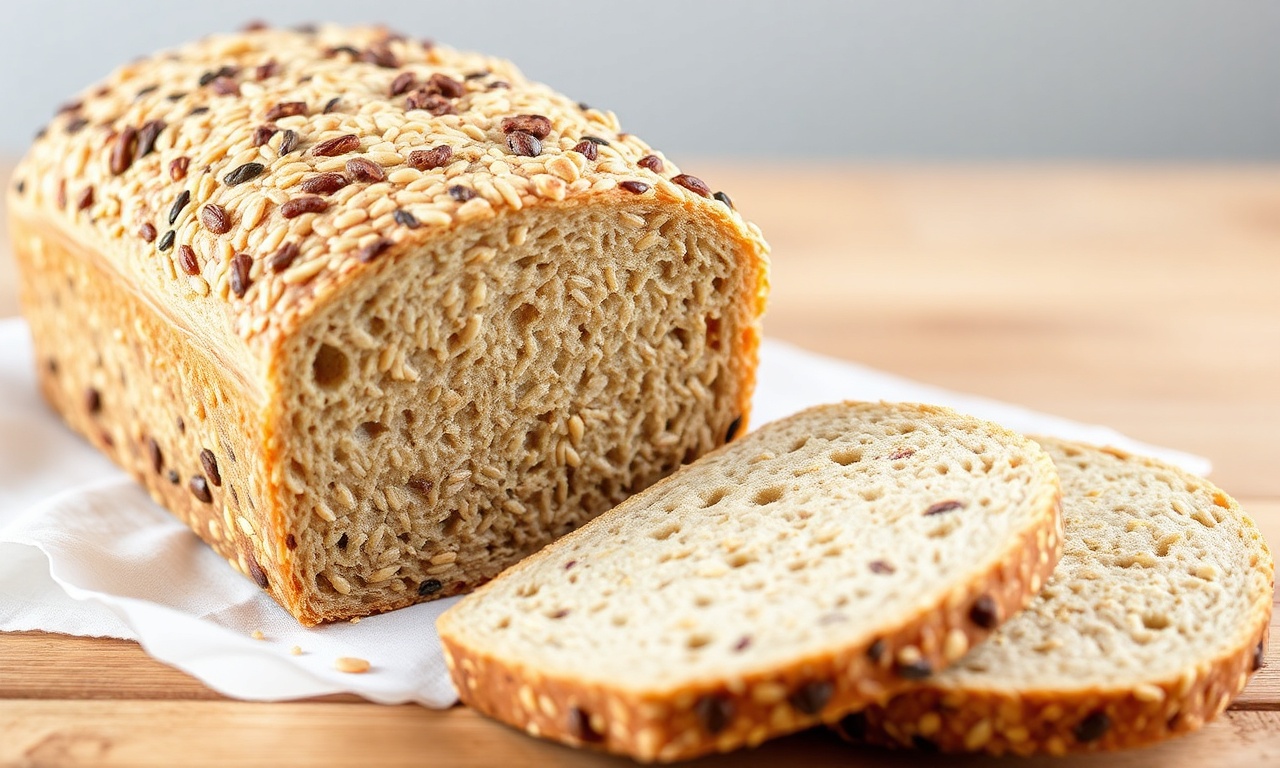
Many people want bread that tastes good and also supports everyday nutrition. Sprouted whole-grain bread delivers that balance by starting with whole grains that germinate before baking. That simple change can improve digestibility and boost the availability of key nutrients.
- What Makes Sprouted Whole-Grain Bread Different?
- Recipe Snapshot: Prep, Sprout, Proof, Bake
- Ingredients for Sprouted Whole-Grain Bread
- Instructions: How to Make Sprouted Whole-Grain Bread
- 1) Sprout the Wheat Berries (48 Hours)
- 2) Create the Yeast Sponge
- 3) Blend the Sprouted Grains
- 4) Mix and Knead the Dough
- 5) First Proof
- 6) Shape the Loaf
- 7) Second Proof and Baking
- 8) Cool Before Slicing
- Tips for Success With Sprouted Whole-Grain Bread
- Serving Suggestions and Pairing Ideas
- Nutritional Notes (Per Slice)
- FAQ
- What makes sprouted whole-grain bread different from regular whole-grain bread?
- Does sprouting reduce phytic acid and improve mineral absorption?
- How do I know when my wheat berries are ready to bake with?
- Why is my sprouted loaf dense or gummy?
- How should I store sprouted whole-grain bread for best freshness?
- Sprouting time: 48 hours helps activate enzymes in the grain.
- Nutrition focus: More minerals and antioxidants may become more available.
- Texture: Expect a dense, moist crumb with a lightly nutty flavor.
- Best results: Use consistent rinsing and proof in a warm, draft-free spot.
This loaf turns traditional grain sprouting into a practical kitchen routine. You soak, rinse, and germinate the berries, then bake them into a slice that pairs well with sweet or savory toppings. You also gain a bread style that many home bakers find easier on the stomach than some regular whole-wheat breads.
Sprouted whole-grain bread stands out because sprouting changes the grain’s chemistry. Enzymes help break down starch into simpler sugars, which can support flavor and fermentation. For background on the science of grains and carbohydrates, see cereal.
The best part starts at the seed. During sprouting, the grain develops a living process that leads to small tails and a fresh smell. When you bake the loaf, you lock in that work and create a bread that feels hearty, yet gentle. For an overview of how grains grow and germinate, read germination.
What Makes Sprouted Whole-Grain Bread Different?
Regular whole-grain bread uses intact or milled grains that have not begun germination. By contrast, sprouted whole-grain bread uses grains after soaking and sprouting. That extra step often improves digestibility for many people because sprouting activates enzymes that work on starch and some stored compounds.
Sprouting can also reduce phytic acid content, which may improve mineral absorption. Phytic acid binds minerals in many grains, so less binding can help your body access iron, magnesium, and zinc. To understand this mineral-binding concept, review phytic acid.
From a nutrition standpoint, sprouting supports better nutrient availability, not a magical overhaul. Think of it as improving “access” rather than creating nutrients from nothing. If you want a broader food concept on how whole foods contribute to micronutrients, see micronutrients.
Recipe Snapshot: Prep, Sprout, Proof, Bake
You will manage most of this recipe with hands-off sprouting and two proofing periods. That schedule works well for planning a bake day around your routine. Keep rinsing consistent, because sprouting quality directly affects dough performance.
Prep and Cook Time
- Preparation: 20 minutes
- Sprouting time: 48 hours (hands-off)
- Proofing: 1 hour + 40 minutes
- Baking: 35 minutes
Yield and Difficulty
Yield: One 9-inch loaf (about 12 slices).
Difficulty: Medium. This loaf rewards patience and careful rinsing, especially during the sprouting phase.
Ingredients for Sprouted Whole-Grain Bread
Choose quality berries for better sprout growth. Fresh sprouted whole wheat berries also grind more evenly, which helps you build a stable dough. Measure accurately, especially for water and salt.
For best structure, you will combine sprouted grain with warm yeast activation and a controlled oat flour addition. Oats contribute softness and help balance the bread’s naturally dense texture. If you want nutrient background on oats, see oat.
Ingredient List
- 2 cups sprouted whole wheat berries, rinsed and drained
- 1 ½ cups warm water (about 110°F / 43°C)
- 1 tablespoon raw honey or maple syrup
- 2 teaspoons active dry yeast
- 1 teaspoon fine sea salt
- 2 tablespoons extra virgin olive oil
- ½ cup whole oat flour (for dusting and kneading)
[WARNING]Pro-Caution: Don’t skip the drainage step after sprouting. If berries stay too wet, the dough can turn sticky and hard to shape, and fermentation timing may shift. Drain thoroughly and proceed right away so the dough feels consistent.
Instructions: How to Make Sprouted Whole-Grain Bread
Follow the steps in order for the smoothest fermentation and shaping. Each phase builds on the last: sprouting sets the grain chemistry, mixing builds dough strength, and proofing supports final rise. If you keep each stage on schedule, your loaf will bake with better crumb structure.
1) Sprout the Wheat Berries (48 Hours)
Soak wheat berries for about 12 hours, then rinse and drain well. Place them in a sprouting jar or mesh strainer and rinse twice daily until small tails appear.
Sprouting should stay airy and damp, not waterlogged. If you need a visual reference for sprouting basics, sprout provides helpful general context on germination and growth.
2) Create the Yeast Sponge
In a large bowl, combine warm water, honey, and active dry yeast. Stir gently and rest for 10 minutes until the mixture looks foamy.
If it doesn’t foam, your yeast may be inactive or the water may be too hot or too cold. Start again with fresh yeast so the loaf rises reliably.
3) Blend the Sprouted Grains
Pulse the drained sprouted wheat berries in a food processor or high-speed blender until coarsely ground, not fully pureed. Keep texture because fiber helps dough hold shape.
Wet, overly fine flour can lead to a gummy crumb. Aim for a thick, grainy paste that looks like it still has bits of bran.
4) Mix and Knead the Dough
Combine the ground sprouted grains with the yeast mixture, sea salt, and olive oil. Stir with a wooden spoon until a sticky dough forms.
Add oat flour gradually while kneading on a lightly floured surface for about 8 minutes. You want a dough that feels elastic, not dry or cracking.
5) First Proof
Place dough in an oiled bowl, cover, and let it rise for about 1 hour in a warm, draft-free spot. The dough should roughly double.
Yeast fermentation works best around warm room temperatures. You can read more about yeast and fermentation on yeast.
6) Shape the Loaf
Gently deflate the dough and shape it into a tight oval or round loaf. Transfer to a parchment-lined baking sheet or lightly greased loaf pan.
Dust with oat flour for a rustic finish. Tight shaping helps the loaf rise upward rather than spread too much.
7) Second Proof and Baking
Cover and proof for about 40 minutes. Preheat the oven to 375°F (190°C) during this time.
Score the top with a sharp knife, then bake for about 35 minutes. Look for a deep golden crust and a hollow sound when you tap the bread.
8) Cool Before Slicing
Transfer to a wire rack and cool completely before slicing. Cutting early can compress the crumb and trap steam, which makes texture feel gummy.
Once cooled, the crumb should feel moist and springy. Plan your slicing when you can give the loaf at least 1 hour to set.
Tips for Success With Sprouted Whole-Grain Bread
Small adjustments make a big difference in sprouted bread. Focus on moisture control during sprouting, dough elasticity during kneading, and steady warmth during proofing. Then your loaf will bake with predictable structure.
- Sprouting consistency: Keep grains moist but never soaking. Use airflow and drainage with a mesh strainer or sprouter jar.
- Kneading: Use oat flour sparingly. Too much can make the dough stiff and reduce softness.
- Proofing zones: A turned-off oven with the light on can create stable warmth. Avoid overheating, or yeast can slow down.
- Flavor variations: Add 1 tablespoon flaxseeds or chia seeds for omega-3 support and extra crunch.
- Make-ahead: Slice and freeze. Toast directly from frozen for best freshness.
If you enjoy understanding why certain breads feel heavier or lighter, explore whole wheat bread for general context on grain-based bread styles.
Serving Suggestions and Pairing Ideas
Sprouted whole-grain bread tastes great with toppings that balance its nutty flavor. Creamy spreads, juicy tomatoes, and bright acids work especially well because they contrast the loaf’s density.
Try avocado and ripe tomato slices with cracked black pepper and a drizzle of lemon-infused olive oil. For a savory option, toast lightly, then top with hummus and chopped fresh herbs.
Because this bread holds up well, it also works for breakfast plates with nut butter and seasonal fruit. For a broader view of how olive oil supports diet patterns, see olive oil.
When you store leftovers, slice and freeze to preserve texture. Then toast only what you need, so the crust stays crisp and the crumb stays moist.
Nutritional Notes (Per Slice)
This loaf is designed as a whole-food style bread with solid fiber and protein per slice. Nutrition can vary based on berry size, flour brands, and added seeds, so treat the numbers as estimates for portion planning.
Use the table below as a practical reference when building meals. If you track macros, weigh your slices for better accuracy.
| Nutrient | Per Slice (1/12 loaf) |
|---|---|
| Calories | 110 kcal |
| Protein | 5 g |
| Carbohydrates | 22 g |
| Fat | 2 g |
| Dietary Fiber | 4 g |
FAQ
What makes sprouted whole-grain bread different from regular whole-grain bread?
Sprouted whole-grain bread starts with grains that soaked and germinated before baking. That sprouting step activates enzymes and can make the bread easier to digest for many people. Regular whole-grain bread uses non-sprouted grains, so it misses those sprouting changes.
You may also notice a slightly sweeter, nutty flavor in sprouted varieties because sprouting can shift starch into simpler sugars.
Does sprouting reduce phytic acid and improve mineral absorption?
Sprouting often lowers phytic acid levels in grains, which can reduce mineral binding in the digestive tract. With less binding, minerals such as iron, magnesium, and zinc may become more available.
For background, see phytic acid. Remember that individual diets and gut health also affect absorption.
How do I know when my wheat berries are ready to bake with?
Ready berries usually show small tails after about 48 hours, depending on temperature and moisture. The sprouts should look alive but not overgrown and mushy.
After rinsing and draining, grind immediately to keep moisture consistent and avoid uneven dough texture.
Why is my sprouted loaf dense or gummy?
Denseness often comes from under-proofing, overly wet grain, or weak fermentation. Gummy crumb can happen if you slice too soon or if dough hydration feels off.
Cool fully before cutting and drain sprouted berries thoroughly to improve crumb set.
How should I store sprouted whole-grain bread for best freshness?
Store at room temperature for short periods in a breathable bag. For longer storage, slice and freeze, then toast from frozen.
This approach protects texture and keeps the crust from going soft too quickly.
See also: sprouted whole-grain bread