Why Caramel Apple Cheesecake Is the Ultimate Fall Dessert
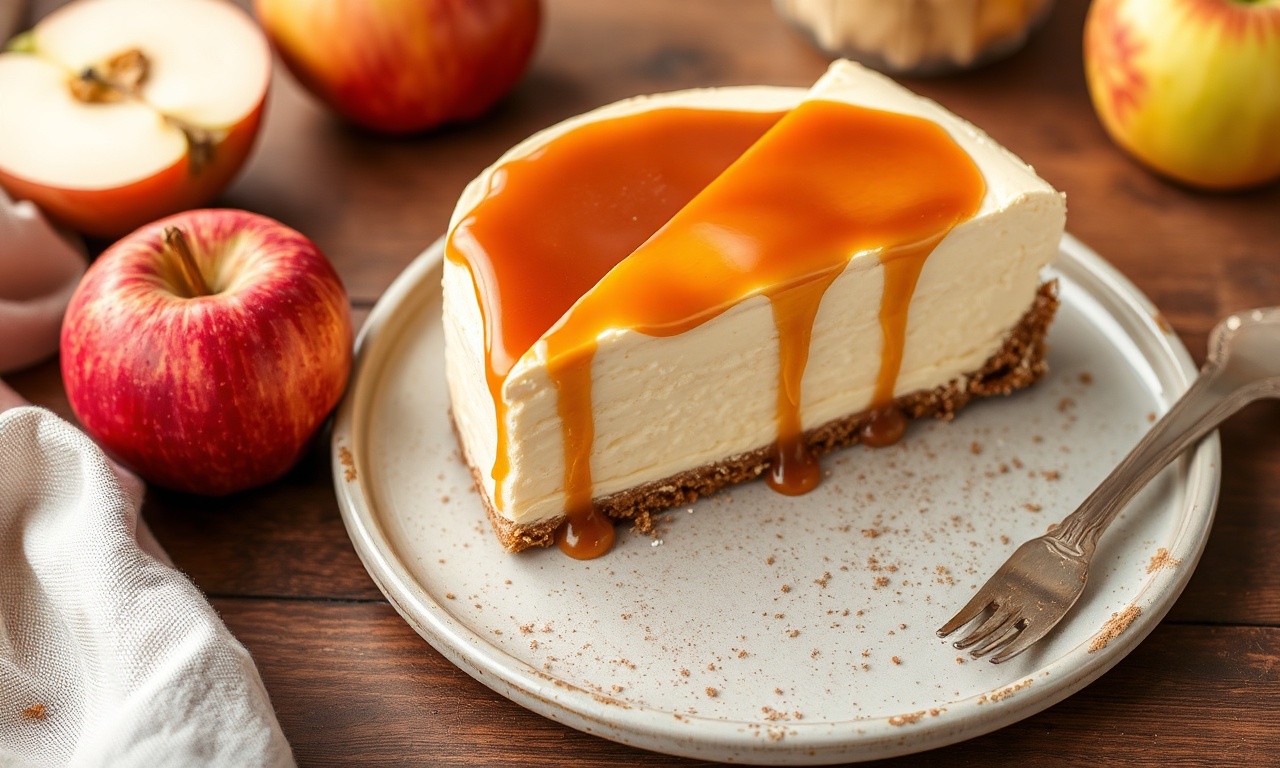
Caramel apple cheesecake hits a sweet spot that few desserts reach: bright, tart fruit, buttery crust, and silky dairy filling. When you combine those layers with a thick caramel drizzle, every slice tastes like autumn dessert—warm, cozy, and polished.
- Why Caramel Apple Cheesecake Is the Ultimate Fall Dessert
- What Makes This Caramel Apple Cheesecake Taste So “Decadent”
- Ingredients You Need (and Why Each One Matters)
- Step-by-Step: Build a Cheesecake That Slices Cleanly
- 1) Prepare the Graham Cracker Crust
- 2) Sauté the Apples for a Topping That Holds Its Shape
- 3) Make the Cheesecake Filling (Smooth, Not Overmixed)
- 4) Bake at the Right Temperature for Creaminess
- 5) Cool Slowly (This Is How You Reduce Cracks)
- Caramel Sauce: Make It Thick, Glossy, and Drizzlable
- Assembly and Presentation That Looks Like a Bakery
- Common Problems (and Fixes Before They Ruin Your Dessert)
- How to Serve Caramel Apple Cheesecake for Maximum Enjoyment
- Recipe Summary (Quick Checklist)
- FAQ
This recipe focuses on texture control. You’ll bake a smooth cheesecake base, keep the apples tender but not mushy, and build a caramel that pours in glossy ribbons. The result feels bakery-level, yet it follows a home-baker workflow.
At a Glance
- Springform + baked crust prevents sogginess and improves slice structure.
- Room-temperature dairy reduces lumps and keeps the filling ultra-smooth.
- Slow caramel thickening gives drizzle consistency instead of pooling.
- Gradual cooling lowers crack risk and improves texture.
What Makes This Caramel Apple Cheesecake Taste So “Decadent”
Decadence isn’t just more sugar. It comes from balanced richness and controlled moisture. Cream cheese gives tang and body, sour cream adds softness, and heavy cream rounds out the dairy flavor.
Then you add apple flavor in a way that supports the cheesecake, not competes with it. Sautéed apples concentrate sweetness while keeping their shape, so you get tender bites across the slice.
Caramel ties everything together. Real caramel chemistry relies on sugar browning and careful dairy incorporation. If you rush that step, you often get grainy sauce or a thin layer that separates.
The Flavor Roles: Apples, Cheesecake, Caramel, and Crust
Apples provide acidity and crisp aroma. Tart varieties like Granny Smith hold their structure better during baking and sautéing, which reduces watery pockets.
Cheesecake filling should stay creamy, not dense. That’s why we beat cream cheese to smoothness, add eggs slowly, and bake just until the edges set while the center still jiggles.
The crust gives contrast. Graham cracker crumbs bring a mild honey-like sweetness and a crumbly bite that offsets the smooth filling.
For caramel, the key is amber color and a stable emulsion once cream and butter enter. You can learn the science of caramelization here: caramelization.
Ingredients You Need (and Why Each One Matters)
You can follow this recipe with standard baking pantry items. Still, the difference between “good” and “restaurant” comes from ingredient quality and temperature.
Use full-fat cream cheese for the best set and mouthfeel. Cheesecakes rely on dairy proteins to structure the custard-like filling, so lower-fat swaps can soften the final slice.
Crust Ingredients
Graham cracker crumbs + brown sugar + melted butter create a crust that slices cleanly. Brown sugar adds molasses depth that matches caramel and apple spices.
Brown sugar also helps the crust brown slightly during baking, which improves aroma. You can explore why sugar browns under heat here: Maillard reaction.
Cheesecake Filling Ingredients
Full-fat cream cheese forms the base. Sour cream adds tang and extra moisture control, while heavy cream smooths the texture and supports a creamy mouthfeel.
We use granulated sugar for classic cheesecake sweetness and vanilla for aroma. Eggs bind the filling, and their proteins set during baking to create the cheesecake’s structure.
Apple Topping Ingredients
The apples get sautéed with butter, sugar, and warm spices. This step evaporates excess liquid so the topping doesn’t leak into the cheesecake.
Cinnamon and nutmeg create a traditional fall profile. Nutmeg contains aromatic compounds that taste warm even in small amounts, similar to how spice aroma carries through baking: nutmeg.
Caramel Sauce Ingredients
You’ll make a caramel sauce by heating granulated sugar until amber, then stirring in butter and adding warm cream. A pinch of salt sharpens flavor and makes caramel taste deeper.
Caramel relies on controlled heat and sugar composition. For background on the sugar browning process, see: sugar.
Step-by-Step: Build a Cheesecake That Slices Cleanly
Follow the order. Crust first, apples next, then the filling. Finally, bake, cool gradually, and chill until set. That sequence prevents texture issues.
Plan for time. Cheesecake needs chilling for proper slice firmness. If you cut too soon, the cheesecake tastes heavy and spreads.
1) Prepare the Graham Cracker Crust
Mix graham cracker crumbs with brown sugar until the color looks even. Pour in melted butter and stir until the crumbs look like damp sand.
Press the crust firmly into the bottom of a 9-inch springform pan and slightly up the sides. Bake at 350°F (175°C) for 8–10 minutes, then cool while you make the filling.
This pre-bake matters because it sets the crust structure and reduces moisture absorption. A soggy crust usually starts when the crust never gets fully baked.
2) Sauté the Apples for a Topping That Holds Its Shape
Cook diced apples in butter over medium heat until they soften and the pan looks glossy, about 5–7 minutes. Add sugar, cinnamon, and nutmeg, then cook another 1–2 minutes until fragrant.
Let the apples cool. Warm apples can melt some filling and increase condensation later, which can blur topping edges.
3) Make the Cheesecake Filling (Smooth, Not Overmixed)
Beat softened cream cheese until smooth. Add sugar gradually, and keep mixing moderate—too much air can cause uneven rising and more cracking.
Stir in sour cream, vanilla, and heavy cream. Then add eggs one at a time, mixing on low after each addition just until combined.
Overmixing eggs can add extra foam. Foam expands during baking and then collapses, leaving a grainy or sunken center.
4) Bake at the Right Temperature for Creaminess
Pour the filling into the cooled crust. Smooth the top, then bake at 325°F (163°C) for 55–65 minutes.
Look for set edges with a center that still jiggles slightly. That jiggle means proteins still hold moisture and the cheesecake stays creamy after chilling.
5) Cool Slowly (This Is How You Reduce Cracks)
Turn off the oven and crack the door open. Let the cheesecake sit inside for about 45–60 minutes. This gradual temperature change reduces stress in the custard structure.
Next, cool at room temperature, then refrigerate at least 6 hours (overnight is best). Cold chilling improves slicing and helps flavors meld.
If you want deeper background on cheesecake texture, custards rely on egg proteins and dairy solids that set with heat; see: custard.
Caramel Sauce: Make It Thick, Glossy, and Drizzlable
Great caramel should pour in ribbons and cling to the cheesecake. You don’t want it so runny that it soaks into the apples, and you don’t want it so thick that it hardens into shards.
Start with dry heat. Use a medium saucepan and avoid stirring while the sugar melts. Swirling helps you distribute heat and prevents hot spots.
Caramel Sauce Method (Reliable and Repeatable)
Heat granulated sugar over medium heat until it melts and turns amber. Once it reaches that deep golden color, remove from heat.
Carefully add cubed butter and stir until melted. Then slowly whisk in warm heavy cream. Stir until smooth, add vanilla and a pinch of salt, then cool slightly.
Drizzle Timing: When to Pour
Wait until caramel thickens a bit. After 10–15 minutes of cooling, it usually becomes drizzlable. If you drizzle immediately while it’s too hot, it can run and thin out.
For thick ribbons, drizzle over a fully chilled cheesecake. Cold surface temperature helps caramel set faster at contact.
Keep your caramel covered in the fridge. It thickens as it cools, so rewarm gently in short bursts, stirring often, until pourable again.
Assembly and Presentation That Looks Like a Bakery
Assembly should be simple and purposeful. You want apples visible, cheesecake intact, and caramel placed for contrast—not chaos.
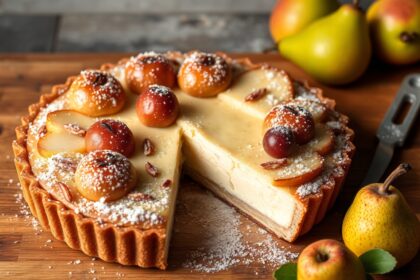
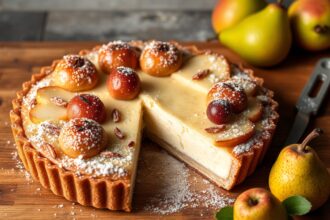
Start by spreading the cooled sautéed apples over the chilled cheesecake in an even layer. Then drizzle caramel in zigzags or thin lines for a clean, elegant finish.
Design Ideas for a Higher-End Look
Use a spoon for thicker drizzle lines or a small squeeze bottle for precision. If you want a restaurant look, try a three-streak pattern across each slice.
Finish with a small sprinkle of flaky sea salt or toasted pecans for texture. Even a light garnish raises perceived quality and makes the flavor profile feel complete.
You can also add a tiny dusting of cinnamon on top right before serving. That boosts aroma at the moment your guest cuts into the slice.
Common Problems (and Fixes Before They Ruin Your Dessert)
Cheesecake is forgiving in flavor but strict in texture. Most issues come from temperature jumps, overmixing, or underbaking.
Use these fixes to protect your outcome.
Cracks
Cracks usually happen when the cheesecake cools too fast or bakes too long. Slow cooling in the oven door-open window helps a lot.
If you already see small cracks, cover them with caramel and apple topping. The dessert still tastes perfect, and the caramel hides visual flaws.
Grainy Texture
Graininess often comes from overmixing after adding eggs or from cold ingredients. Room-temperature cream cheese makes blending smoother.
Mix on low when eggs go in, and stop as soon as the batter looks uniform.
Soggy Crust
A soggy crust usually means the crust didn’t bake long enough or the cheesecake chilled too briefly. Pre-baking and overnight chilling prevent this.
Also, make sure your apples cool before spreading. Hot apples can add moisture and soften the crust edge.
How to Serve Caramel Apple Cheesecake for Maximum Enjoyment
Cheesecake tastes best when chilled but not icy. Let it sit at room temperature for 10–15 minutes before slicing.
Use a hot, dry knife for clean cuts. Wipe the blade between slices so caramel doesn’t drag across the surface.
Pairings That Match the Flavor Profile
Serve with hot spiced cider or black coffee. The acidity and bitterness in coffee cut through caramel sweetness.
If you like ice cream, a small scoop of cinnamon ice cream adds warmth to the overall flavor. A dollop should stay small so the cheesecake remains the star.
Storage and Make-Ahead Plan
Make it ahead for best texture. Cheesecake improves after a day because dairy flavors meld and the structure tightens.
Store covered in the refrigerator up to 4 days. Caramel can store separately for up to a week, then rewarm for drizzling.
Recipe Summary (Quick Checklist)
Prebake crust, sauté apples, mix filling gently, bake until edges set, cool gradually, then chill overnight. Finish with apples and caramel right before serving.
If you keep those steps in order, your cheesecake will slice cleanly and taste balanced—tart apples, rich dairy, and caramel depth.
FAQ
Can I use different apples besides Granny Smith?
Yes. Honeycrisp and Braeburn also work well because they stay firm and deliver a pleasant tart-sweet balance. Softer apples can break down and release more liquid, so sauté them longer to drive off moisture.
How do I prevent my caramel from crystallizing?
Crystallization usually happens when sugar recontacts cooling crystals or when stirring introduces texture. Avoid stirring during melting, swirl gently, and use clean tools. If it thickens too quickly, rewarm gently with a splash of warm cream.
What if my cheesecake looks underbaked?
A slightly jiggly center is normal. The cheesecake continues to set as it cools and chills. If the center still looks liquid, bake 5 more minutes and recheck.
Do I need a water bath?
A water bath can reduce cracks by moderating heat and moisture loss. However, slow cooling in the oven and careful temperature control often work well without one. If you want extra insurance, wrap the pan bottom tightly with foil and bake in a larger water-filled tray.
Can I assemble the topping earlier?
You can spread apples earlier as long as they’re fully cooled and not wet. For best texture and appearance, drizzle caramel closer to serving time. Caramel can set and lose its glossy look if left too long.
See also: caramel apple cheesecake