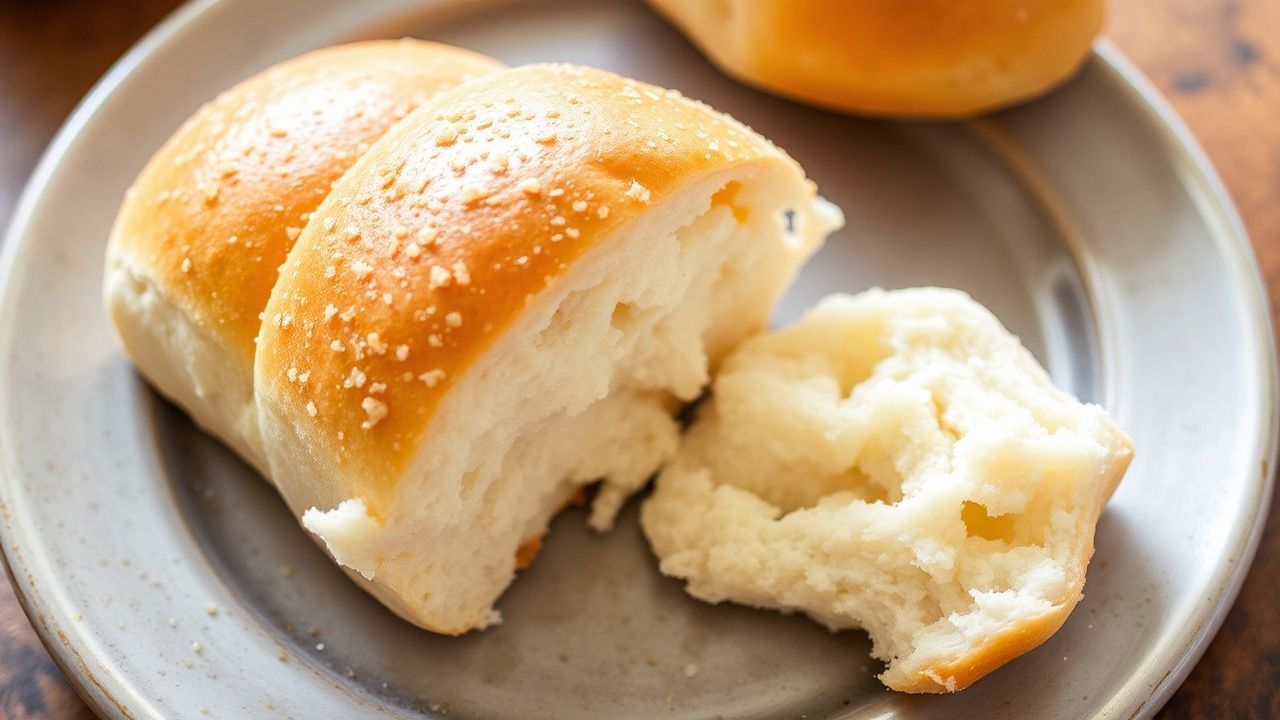
There’s something irresistibly comforting about sinking your teeth into a warm, fluffy dinner roll—its pillowy softness melts gently on your tongue, and it pairs with stew, soup, and fresh salads alike. Still, a cloud-like texture can feel tricky when you skip eggs and dairy.
In this guide, you’ll learn how to make fluffy vegan rolls with a reliable yeast dough method that bakes up tender, light, and golden. You’ll also get clear timing cues for proofing, shaping, and baking so you can hit that soft crumb every time.
At a Glance
- Warm liquid + a little sugar kick-start yeast for strong rise.
- Hydration and kneading build structure for an airy crumb.
- Two proofing rounds create the “little cloud” texture.
- A vegan wash helps the tops turn glossy and golden.
Fluffy vegan rolls aren’t random luck. They come from three mechanics: proper yeast activity, dough strength, and controlled fermentation. When those pieces line up, your rolls bake up soft inside with a crust that isn’t tough.
Prep and Cook Time
Use this schedule so you don’t rush fermentation. Rushing usually reduces lift and makes the crumb denser, even if the recipe looks right.
Plan for a relaxed pace. The total time includes proofing, which lets the dough develop gas bubbles for that pillowy texture.
- Planning: 25 minutes
- Proofing and Rising: 1 hour 30 minutes
- Baking: 18–20 minutes
- Total: Approximately 2 hours 15 minutes
Yield and Difficulty
This recipe makes 12 generously sized vegan dinner rolls. Each roll keeps a tender center and browns evenly when spaced properly on the tray.
Difficulty stays in the easy to intermediate range. If you’re new to yeast doughs, focus on temperature and proofing time rather than perfect technique.
Ingredients for Fluffy Vegan Rolls
Use ingredients at the right temperatures to support yeast growth. For background, yeast fermentation is the process that converts sugars into gas, which creates lift in bread.
If you want extra context, see yeast and how it drives dough rise. Then follow the measurements below closely for consistent results.
- 3 cups all-purpose flour, sifted
- 1 cup warm almond milk (about 110°F/43°C)
- 2 tbsp organic cane sugar
- 2 1/4 tsp active dry yeast (1 packet)
- 1/4 cup refined coconut oil, melted (or any neutral vegetable oil)
- 1 tsp fine sea salt
- 1 tbsp apple cider vinegar
- 2 tbsp aquafaba (chickpea brine) or plant-based milk, for brushing
- Optional: 1 tbsp fresh herbs (like rosemary or thyme) for infusion
Step-by-Step Instructions
Work in three stages: bloom the yeast, combine dough, then proof twice. Each stage builds the structure you need for fluffy vegan rolls.
For an overview of dough science, bread basics help explain why gas retention and fermentation matter. Now, follow the steps in order.
- Activate the yeast: In a small bowl, combine warm almond milk and sugar. Sprinkle yeast over the top and let it bloom for 5–10 minutes until frothy. Froth signals active fermentation.
- Combine dry ingredients: In a large bowl, whisk flour and salt until evenly mixed. Add fresh herbs if you want an herbal note.
- Mix wet ingredients: Whisk melted coconut oil and apple cider vinegar. Add this mixture to the yeast once it looks bubbly.
- Form the dough: Pour wet into dry while stirring with a wooden spoon or dough hook on low. Knead by hand or machine for 8–10 minutes until smooth and elastic. The dough should feel slightly tacky; avoid adding large extra flour.
- First rise: Lightly oil a clean bowl. Place dough inside, cover, and let it rise 1 hour (or until doubled). Choose a warm, draft-free spot.
- Shape the rolls: Gently deflate dough and turn it onto a lightly floured surface. Divide into 12 equal pieces and shape into smooth balls. Place them on a parchment-lined baking tray with space around each roll.
- Second rise: Cover loosely and proof 30–40 minutes. You want the rolls to look puffed and feel airy when you nudge the top.
- Preheat the oven: Heat to 375°F (190°C) about 15 minutes before baking. Even heat supports consistent browning and rise.
- Brush and bake: Brush tops with aquafaba or plant-based milk. Bake 18–20 minutes, rotating halfway, until golden and hollow-sounding when tapped.
- Cool and serve: Transfer to a wire rack. Cool 5–10 minutes before serving warm, so the crumb sets without drying out.
Tips for the Best Texture
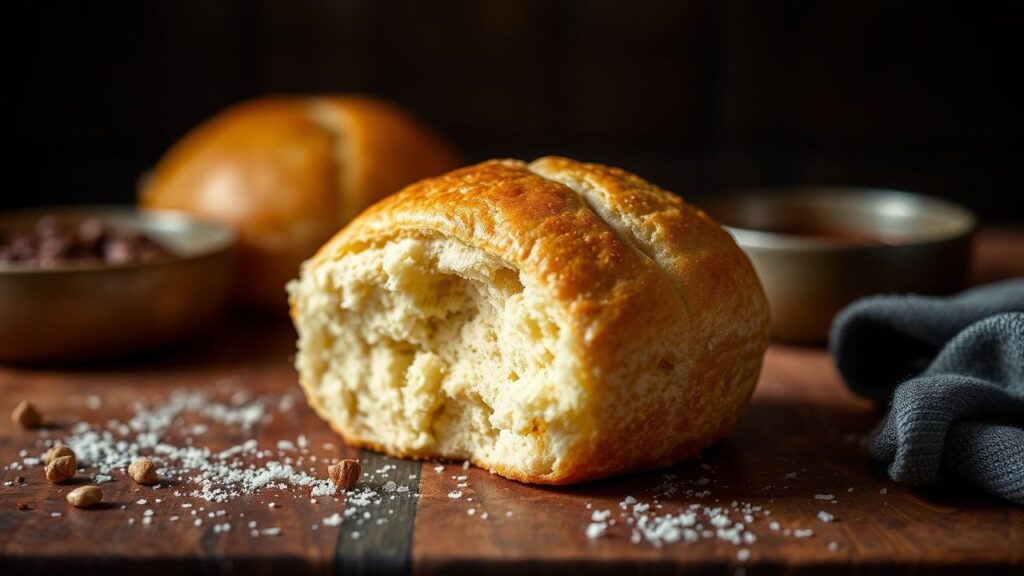
Small choices make a big difference in fluffy vegan rolls. Use these checks to prevent dense centers, collapsed domes, or dry crumb.
For more on bread structure and how proteins behave during baking, you can also review gluten and why proper kneading supports dough strength.
- Liquid temperature matters: Aim around 110°F/43°C. Too hot can damage yeast; too cool slows fermentation.
- Use the right fat: Refined coconut oil adds softness. Light olive oil can add flavor without heavy bitterness.
- Don’t skip proofing: Let the dough double for lift. If the first rise looks small, the rolls won’t fully puff.
- Swap plant milk thoughtfully: Oat or soy milk works well. Use unsweetened, neutral options so flavor stays balanced.
- A vegan wash boosts color: Aquafaba creates a glossy surface. This helps the rolls look bakery-fresh.
- Make-ahead option: Refrigerate after the first rise for deeper flavor. Then bring dough closer to room temperature before shaping.
- Proof in a gentle warm spot: If your kitchen runs cool, place dough near (not directly on) a warm oven or use a turned-off microwave with a cup of hot water.
Next, watch the dough feel. When kneaded properly, it becomes elastic and smooth. At that stage, it traps gas better, which supports a lighter crumb.
If you want to understand why fermentation changes dough flavor and texture, fermentation in food production explains the basics behind rise and taste.
Serving Suggestions
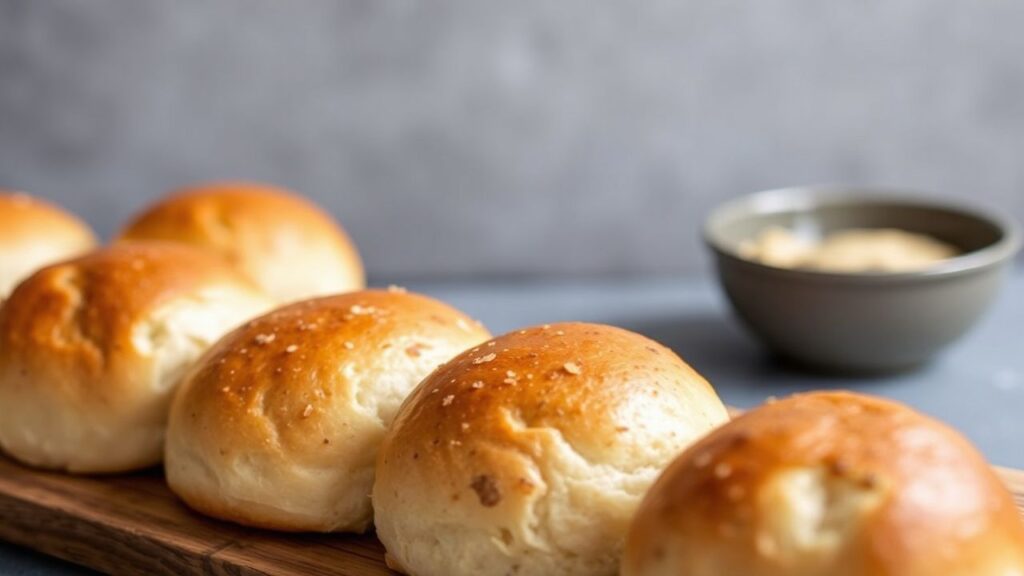
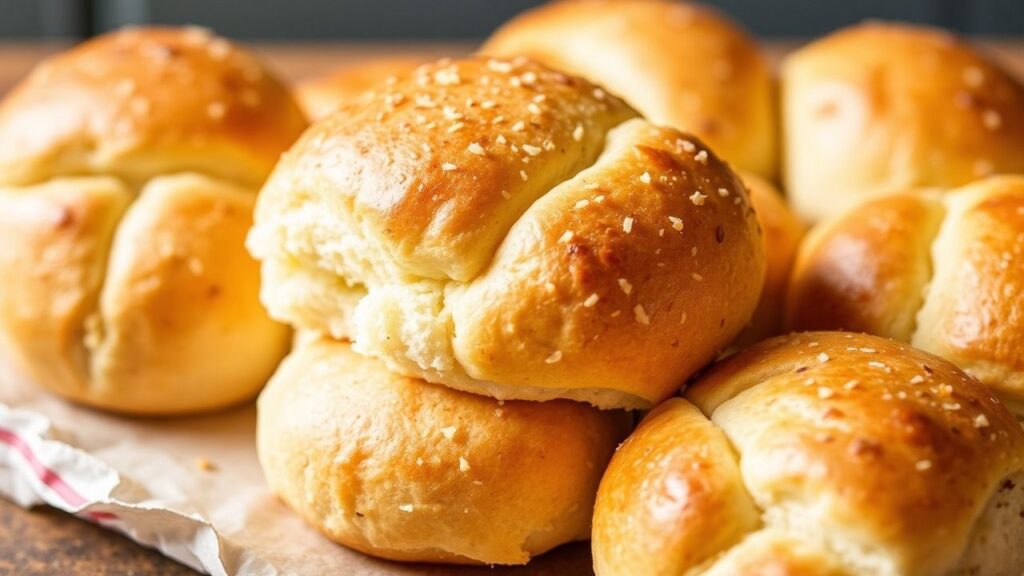
Serve fluffy vegan rolls warm for the best texture. The crumb stays tender while the crust remains lightly crisp on top.
Try them with hearty soups, vibrant salads, or creamy vegan spreads. If you like a salty finish, brush with a little melted vegan butter and sprinkle flaky sea salt right before serving.
| Nutrient | Per Roll (Approx.) |
|---|---|
| Calories | 140 kcal |
| Protein | 3 g |
| Carbohydrates | 25 g |
| Fat | 4 g |
Key Takeaways
When your warm liquid supports yeast activity and your dough gets enough kneading, the rise becomes predictable. Then proofing twice creates the air pockets you feel when you tear a roll.
Use these reminders each bake day. You’ll get consistent results with fluffy vegan rolls that taste rich even without eggs or dairy.
- Bloom the yeast and confirm froth before mixing.
- Knead to elasticity so the dough holds gas.
- Proof until doubled for real lift.
- Brush with a vegan wash for a golden top.
FAQ
What makes fluffy vegan rolls rise and stay soft?
Softness comes from hydration and fat, while lift comes from yeast fermentation and a dough that can trap gas. Two proofing rounds build air pockets, and proper kneading helps the dough hold them during baking.
For background, fermentation explains how gas and flavor develop in dough. You can read food fermentation for a plain-language overview.
Can I use instant yeast instead of active dry yeast?
Yes, you can often swap instant yeast. Instant yeast usually doesn’t require a long blooming step, but blooming can still help you confirm it’s active.
If you change yeast type, keep water temperature in the target range and watch dough growth during proofing instead of relying only on time.
Why do my rolls turn out dense even though I followed the recipe?
Most dense-roll causes tie back to temperature, yeast failure, or under-proofing. If your first rise doesn’t double, the dough won’t have enough gas and structure for a light crumb.
Also check flour accuracy. Over-flouring makes the dough too stiff, which limits expansion.
How do I get a glossy vegan top without eggs?
Aquafaba or plant-based milk brushed on top gives color and sheen. Apply it right before baking so it sets quickly in the oven heat.
For general reasons browning happens in baking, you can review Maillard reaction to understand why sugar and proteins deepen color.
Can I freeze fluffy vegan rolls?
Yes. Cool rolls fully, then freeze in an airtight container. Thaw and rewarm until soft again to restore the best texture.
Reheating gently helps keep the crumb tender. If you want to know how starches change with heat, starch provides helpful background on why bread feels different when warmed.
See also: fluffy vegan rolls