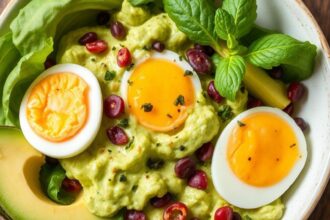

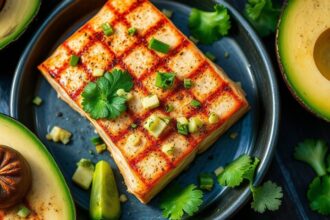
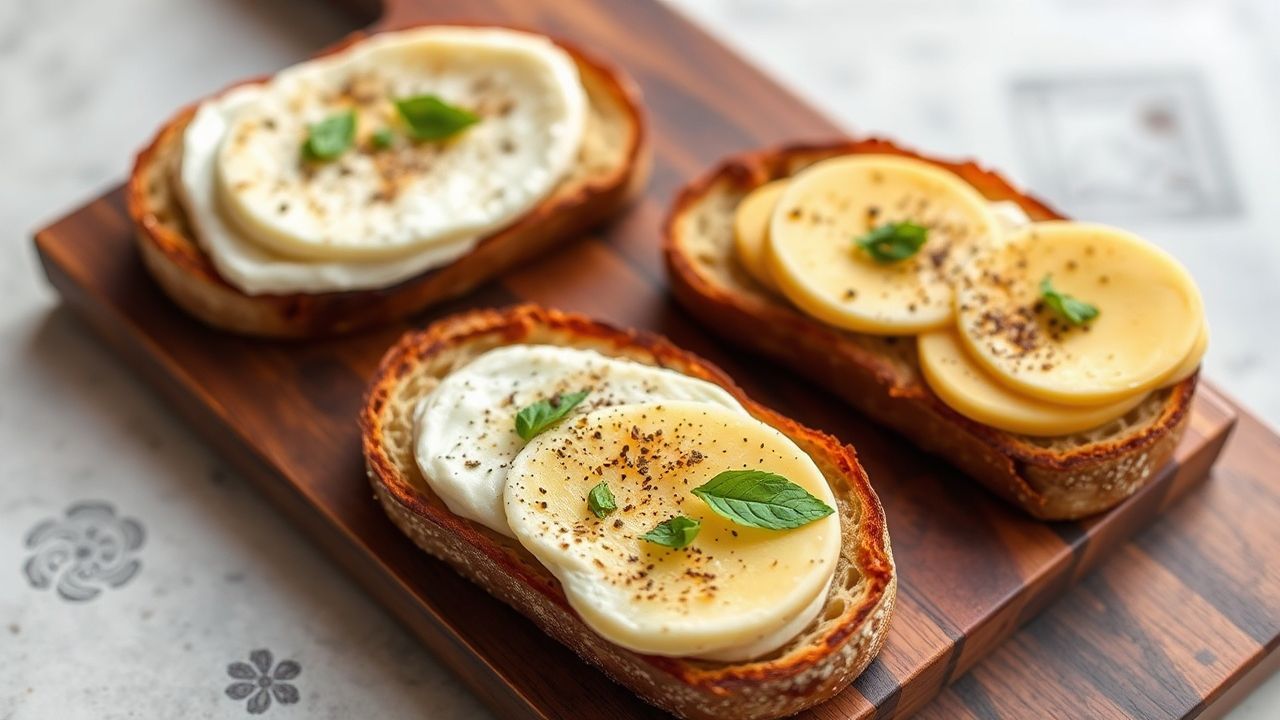
There’s something irresistibly comforting about the humble slice of toast—crisp, warm, and ready to cradle bold toppings. Turn that everyday bread into savory open-faced bread delights, and breakfast becomes a flexible, plate-worthy meal.
- Prep and Cook Time
- Yield
- Difficulty Level
- Ingredients
- Instructions
- Tips for Success
- Serving Suggestions
- Nutrition Details
- Flavor Foundations: Choosing the Perfect Bread for Savory Toasts
- Toppings That Work: Building Balanced Open-Faced Bites
- Toast Techniques: Elevating Texture and Presentation
- Pairing Suggestions: Drinks and Sides for Savory Open-Faced Bread
- FAQ
- Start with sturdy bread so toppings don’t sink in.
- Use a moisture barrier like mashed avocado or hummus.
- Balance flavors with salt, acid, and fresh herbs.
- Toast for crisp texture before you assemble.
These tasty toast creations go far beyond basic breakfast. You can build an open-faced toast with creamy spreads, juicy vegetables, sharp cheese, and aromatic herbs. The best part: each bite delivers crunch plus a rich topping layer.
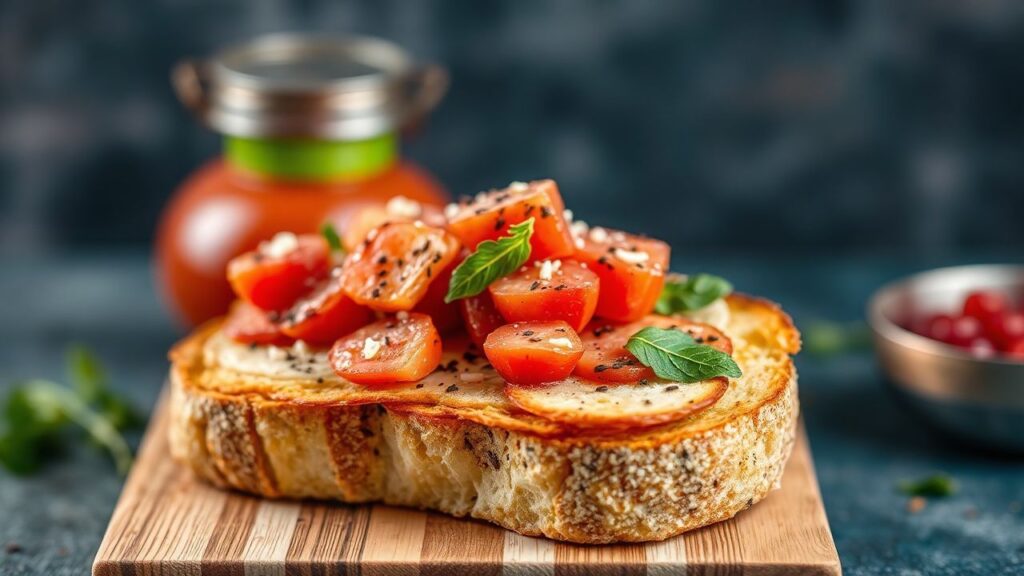
Open-faced toast works because it follows a simple food rule: heat first, toppings second. First, toast the bread until the surface dries and browns. Then layer toppings that add flavor and moisture in controlled amounts.
Prep and Cook Time
For this savory open-faced bread recipe, plan a short prep window and a quick cook. You can prep most components while the bread toasts.
- Planning: 15 minutes
- Cooking: 10 minutes
- Total Time: 25 minutes
Yield
This batch makes enough for 4 people. It suits brunch tables, lunch snacks, or a light dinner pairing.
If you need more servings, scale toppings first. Bread slices toast best in small batches for even crisping.
Difficulty Level
Difficulty stays in the easy to medium range. You don’t need fancy equipment, just good bread and clear assembly steps.
When you follow the order—toast, spread, top—the results stay crisp and flavorful.
Ingredients
Choose ingredients with clear roles. A savory open-faced bread needs structure, a creamy base, bright acid, and a salty finish.
For the cleanest flavor, use fresh lemon juice and chopped herbs near the end.
- 4 slices artisan sourdough bread, about ½-inch thick
- 2 tablespoons extra virgin olive oil
- 1 ripe avocado, mashed
- 1 cup heirloom cherry tomatoes, halved
- ½ cup crumbled feta cheese
- 1 small shallot, finely chopped
- 1 tablespoon fresh lemon juice
- Fresh basil leaves, for garnish
- Flaky sea salt, to taste
- Freshly ground black pepper, to taste
- 1 teaspoon toasted pine nuts
- Optional: red pepper flakes for a subtle kick
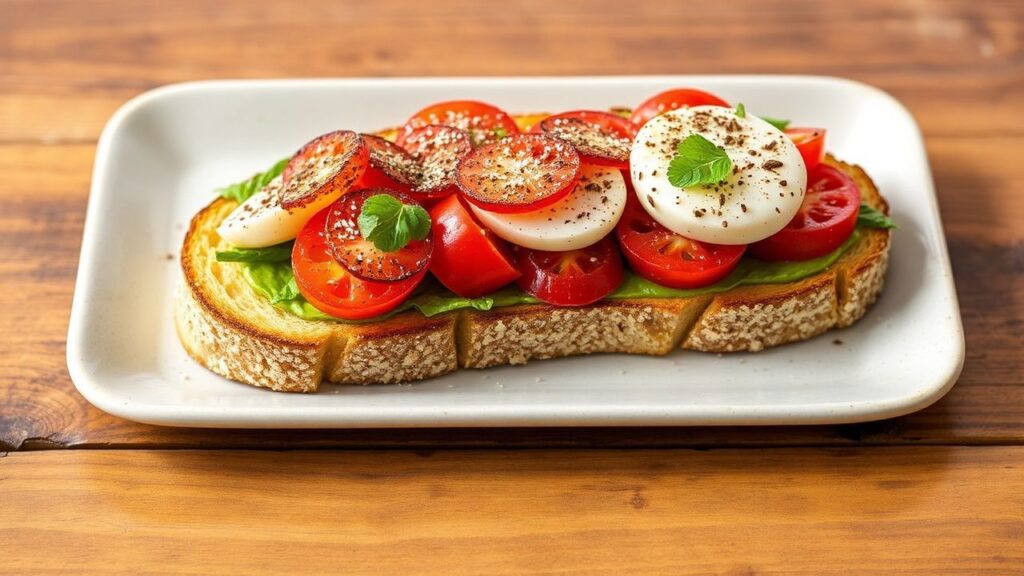
Instructions
Follow these steps in order. This order protects the crunch and keeps the topping flavors vivid.
For a quick science check, think of toasting as drying the bread surface. That helps toppings adhere without drowning the crumb.
- Prepare the bread: Brush each slice of sourdough lightly with olive oil. Toast in a preheated skillet over medium heat or in a toaster oven until golden and crisp, about 2 to 3 minutes per side.
- Mix the avocado spread: In a bowl, mash avocado with lemon juice, salt, and black pepper until creamy but still slightly chunky. This provides richness and a clean tang.
- Prepare the toppings: Combine tomatoes and shallot with a pinch of salt. Let them sit for 3 to 5 minutes, then spoon off excess juice if the mixture looks very watery.
- Assemble the toasts: Spread avocado mixture on toasted bread. Add tomatoes and shallots on top, then sprinkle feta and toasted pine nuts.
- Garnish and season: Tear basil over the toasts. Finish with flaky sea salt and a few pinches of red pepper flakes if you want heat.
- Serve instantly: Place each toast on a plate right away. Crisp bread fades quickly once fully loaded, so timing matters.
Tips for Success
Small technique choices make a big difference for any savory open-faced bread. Keep the toppings flavorful, but control the moisture.
These tips help you repeat the same results, week after week.
- Bread choice: Sourdough works well because its structure holds toppings without turning mushy. For background on bread types, see sourdough.
- Toast uniformity: Toast both sides evenly. Even browning improves texture and flavor.
- Make-ahead: Prep avocado and tomato-lean toppings up to 2 hours ahead. Assemble close to serving time to protect crunch.
- Ingredient swaps: Swap feta for goat cheese or ricotta. Each cheese changes salt level and mouthfeel.
- Nutty accents: Replace pine nuts with chopped walnuts or pepitas. Nuts add crunch and a deeper savory note.
After assembly, move quickly from kitchen to table. This is where open-faced toasts shine—fast, hot, and fresh.
Expert Insight: Think of your build like a layered system: dry heat for the bread, a creamy moisture barrier in the spread, then juicy toppings in measured portions. That structure is why savory open-faced bread stays crisp longer.
Serving Suggestions
Serve these tasty toast creations with sides that cut through richness. A bright salad works best because it adds crunch and acidity.
Try arugula with lemon vinaigrette, or roast vegetables with olive oil and pepper for a warm pairing.
For drinks, choose refreshing options that match the lemony flavors. Cold herbal tea or sparkling water with cucumber stays light and cleans the palate between bites.
Nutrition Details
Nutrition varies by bread thickness and cheese amount. The numbers below reflect a reasonable portion size for this recipe.
Use this table as a planning guide, not a strict medical value.
| Nutrition | Per Serving |
|---|---|
| Calories | 320 kcal |
| Protein | 9 g |
| Carbohydrates | 32 g |
| Fat | 18 g |
Flavor Foundations: Choosing the Perfect Bread for Savory Toasts
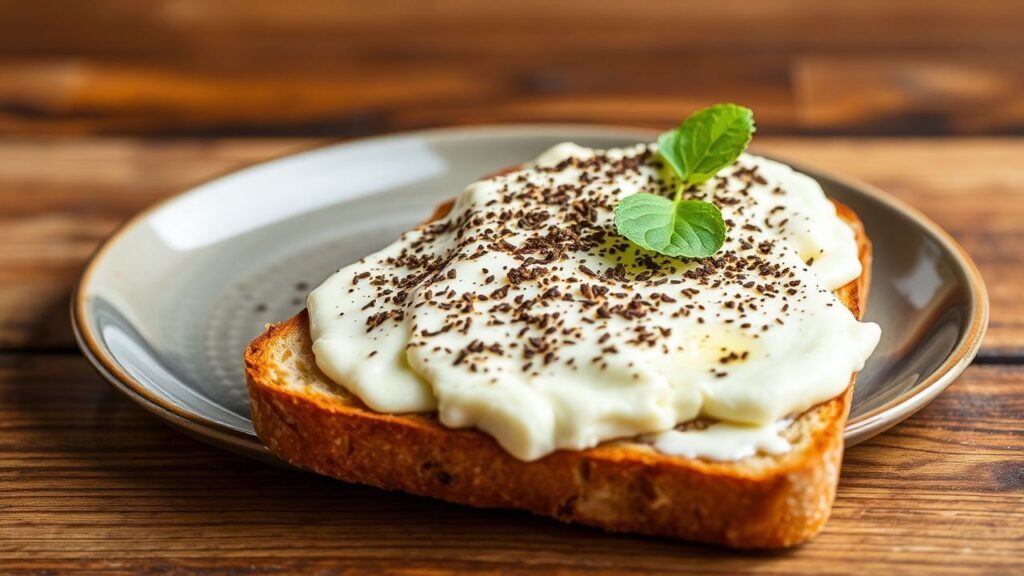
The bread sets the ceiling for quality. A great loaf brings chew, crust aroma, and a crumb that supports toppings.
For more on bread structure and fermentation, explore wheat and how dough ingredients affect texture.
Sourdough is popular because fermentation develops flavor and a tangy profile. Still, multigrain or thick-cut rye also works well if you toast thoroughly.
When the bread is firm, spreads stay on top and juicy toppings sit where you place them.
Toppings That Work: Building Balanced Open-Faced Bites
Open-faced toast succeeds when flavors balance. Use a creamy base for body, then add acid and salt for lift.
Acid matters because it cuts through fat. Lemon juice, tomatoes, or vinegars deliver that brightness—see acid for the general concept.
Fresh herbs finish the flavor with aroma. Nuts add crunch and help the bite feel satisfying even when you use softer toppings.
Keep your topping “sauce” thickness in mind. If your mixture turns watery, reduce it or drain it before assembly.
Toast Techniques: Elevating Texture and Presentation
Toast methods change taste and mouthfeel. A skillet gives a more even crust, while a toaster oven can work quickly for small batches.
If you want deeper browning, use a slightly higher heat and watch closely. The difference between “golden” and “too dark” happens fast.
You can also brush bread with flavored oil. Olive oil brings richness, while garlic or herbs add aroma. For background on olive oil, visit olive oil.
For presentation, slice toppings neatly and keep portions even. A tidy arrangement improves perceived freshness.
Pairing Suggestions: Drinks and Sides for Savory Open-Faced Bread
Pairings should support, not compete. Choose sides with crunch, and choose drinks that refresh your palate.
Green tea and herbal tea often pair well with savory flavors. Learn more about tea styles at tea.
For sides, use crisp greens or roasted vegetables. A simple vinaigrette ties into lemony components and balances feta’s saltiness.
If you want a more filling plate, add a protein side such as yogurt or soft-boiled eggs. That turns the toast into a full meal.
FAQ
How do I keep savory open-faced bread from getting soggy?
Toast until crisp, then use a creamy moisture barrier like avocado or hummus. Drain very juicy toppings, and assemble right before eating.
What bread works best for open-faced toast?
Choose sturdy bread with good structure, like sourdough, thick-cut rye, or dense whole grain. Light breads bend and soften faster under toppings.
Can I make toppings ahead of time?
Yes. Prep spreads and chop toppings ahead, but assemble close to serving. Fresh assembly protects texture and keeps flavors bright.
How much topping should I use per slice?
Use enough to create flavor in every bite, but avoid piling thick, watery layers. Aim for even coverage so the bread stays firm under the topping.
Are there vegetarian variations for tasty toast creations?
Absolutely. Use cheese, avocado, chickpeas, roasted vegetables, and herbs. You can also swap dairy for plant-based spreads and nut-based cheeses for similar richness.
From the first toast to the last basil leaf, savory open-faced bread invites creativity. Build with intention—crisp bread, balanced toppings, and quick serving—and your tasty toast creations will feel restaurant-level at home.
See also: savory open-faced bread