Warm Up Fast: Why This 30-Minute Tteokguk Feels Like a New Year
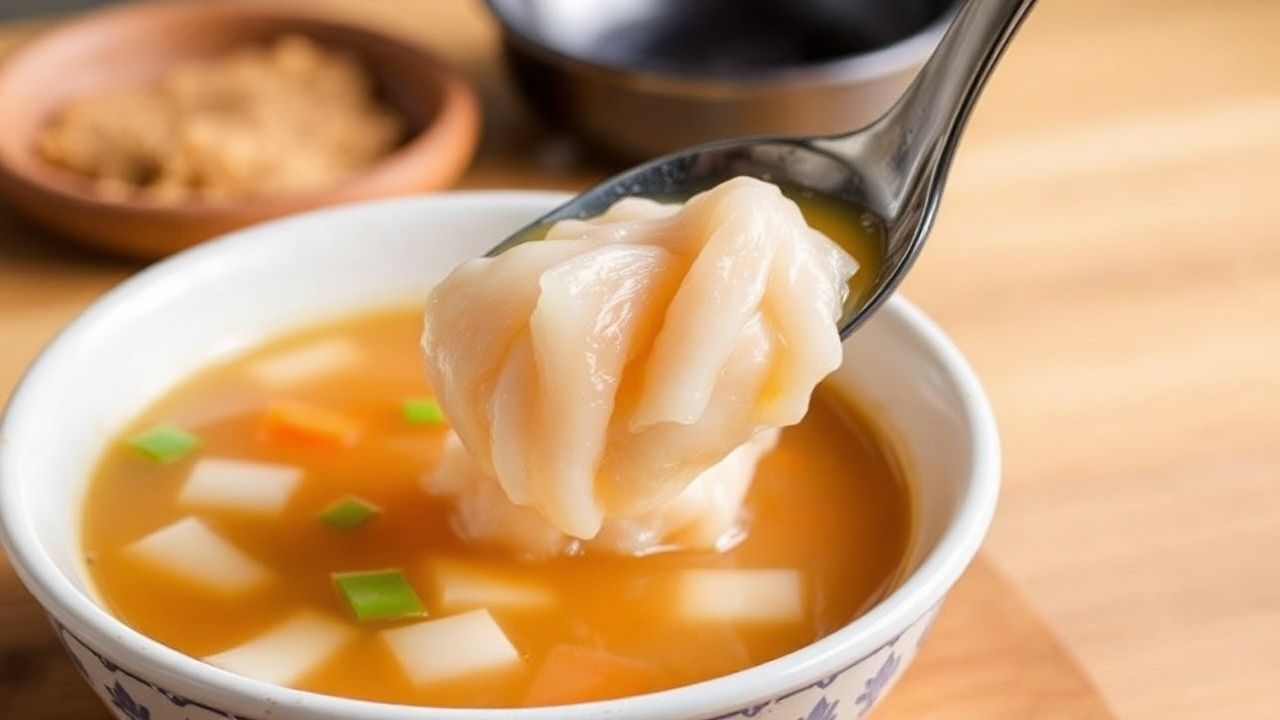
Tteokguk is simple on paper: broth, rice cakes, and a few toppings. Yet the bowl tastes like comfort, especially when the rice cakes stay springy and the broth stays clean.
- Warm Up Fast: Why This 30-Minute Tteokguk Feels Like a New Year
- What Tteokguk Actually Is (And What “Homemade” Changes)
- Ingredients for 4 Bowls (Realistic, Repeatable, and Balanced)
- Choosing the Right Rice Cakes: The Chew Comes From Here
- Fast Broth Method vs. Deeper Method (Pick One)
- The Secret to Clear Broth and Chewy Rice Cakes
- Step-by-Step: Homemade 30-Minute Tteokguk
- 1) Prep Rice Cakes and Beef
- 2) Start the Broth (Low Bubbles Only)
- 3) Season Lightly, Then Taste
- 4) Add Rice Cakes Correctly
- 5) Cook Until Chewy (Timing That Works)
- 6) Add Seaweed Near the End
- 7) Finish With Sesame Oil and Egg Ribbons
- How to Make Jidan (Thin Egg Ribbons) in Minutes
- Best Toppings and How to Time Them
- Serving Like a Korean Home (Seollal Style)
- Common Mistakes (And Fast Fixes)
- Make Ahead, Store, and Reheat (So It Still Tastes Good)
- FAQ
In Korean homes, people eat tteokguk around Seollal because it marks a fresh start. You don’t need a long simmer to get that “welcome” feeling at home.
At a Glance: Quick Wins for Better Tteokguk
- Use garaetteok for the classic chewy bite.
- Keep the heat gentle after the rice cakes go in.
- Season in two steps: light early, then adjust near the end.
- Add toppings at the right time to keep egg ribbons tender.
What Tteokguk Actually Is (And What “Homemade” Changes)
Tteokguk means “rice cake soup.” It centers on Korean rice cakes (tteok), simmered in a savory broth, then finished with garnish for aroma and contrast.
Homemade matters because you control the broth strength, salt level, and thickness. Many packaged versions taste flatter because they rely on fixed seasonings and hold rice cakes longer than you would at home.
If you want cultural context, tteokguk is closely tied to Seollal food traditions. The ritual is simple: eat something warm, share it, and start the year with good wishes. For background on Korean New Year, see Seollal.
For the broader ingredient family, you can also review tteok to understand why rice cake types cook differently.
Ingredients for 4 Bowls (Realistic, Repeatable, and Balanced)
This recipe targets 4 servings and a true 30-minute workflow. Each ingredient has a job: broth for depth, rice cakes for chew, and toppings for “lift.”
Choose clean flavors over heavy ones. If your broth feels muddy or overly sweet, the rice cake flavor gets lost.
Core Soup
Garaetteok (rice cakes): about 1 lb (4 cups sliced). This cylindrical Korean rice cake gives the chewy texture people expect.
Beef: 1/2 lb brisket or thinly sliced flank. Beef adds a savory base fast, especially if you simmer briefly.
Water: 7–8 cups. Use unsalted broth if you have it; otherwise water works if you season well.
Aromatics and Seasoning
Garlic: 1 tbsp minced. Green onion: 2 stalks, sliced on a diagonal.
Soup soy sauce: start with 1 tbsp (adjust later). If you don’t have guk-ganjang, regular soy sauce works—just taste as you go.
Optional fish sauce: 1 tsp. It adds umami without turning “fishy” if you use a light hand.
For sauce basics and flavor chemistry, you can reference soy sauce.
Optional Quick Beef Marinade
If you can spare 10 minutes, marinating boosts flavor. It also helps thin slices taste more seasoned even when the simmer stays short.
Use: 1 tsp soy sauce + 1 tsp sesame oil + 1/2 tsp minced garlic + pinch black pepper.
Classic Toppings
Egg garnish (jidan): 2 large eggs for thin sheets, then ribbons.
Seaweed: 1 sheet gim (roasted seaweed), cut into thin strips.
Finishing: 1/2 tsp toasted sesame oil + sesame seeds (optional) + extra green onion.
Choosing the Right Rice Cakes: The Chew Comes From Here
The best tteokguk relies on the right tteok type. Most people can’t fix mushy texture later, because overcooked rice cakes lose spring.
If you can, buy garaetteok—long cylindrical rice cakes made for soups. When cooked gently, they soften and stay chewy.
If you use thinner stir-fry rice cake slices, they cook faster and can turn soft if you simmer too long. That’s why this recipe follows a strict timing plan.
Fast Broth Method vs. Deeper Method (Pick One)
Both styles work. The key difference is how long you extract flavor and how “clean” the broth looks.
This recipe uses the fast method by default. It fits a busy schedule and still tastes warm and complete.
30-Minute Fast Broth (Recommended)
Simmer water with garlic and green onion at a gentle heat. Add beef early if it’s thin sliced, so the broth picks up savory notes without a long boil.
After you season, you can keep the simmer steady and avoid cloudiness by controlling bubbles.
Traditional-Style Clear Broth (Optional)
If you want a clearer look, simmer beef bones or brisket low and slow. Then strain for the cleanest presentation before adding rice cakes.
This method takes longer, but it rewards you with a more refined broth texture and aroma.
The Secret to Clear Broth and Chewy Rice Cakes
Most tteokguk problems come from heat control and timing. A hard boil breaks down rice cake surfaces, and that releases starch into the broth.
Starch clouds broth and softens the rice cakes faster than you expect. You’ll also lose that clean “rice cake” taste.
Instead, follow a “gentle simmer rule.” Bring the broth to a stable simmer first, then lower heat slightly when rice cakes go in.
Also skim foam during the first simmer if you see it. That simple habit keeps the broth visually clean and tastes sharper.
Expert Insight: Season in two steps. Add only part of the soy sauce early, then adjust after the rice cakes soften. Rice cakes absorb salt as they hydrate, so late tasting prevents a bland bowl.[/TIP>
Step-by-Step: Homemade 30-Minute Tteokguk
Use this sequence to protect chew, broth clarity, and garnish texture. Each step targets a specific flavor or mouthfeel.
You’ll finish with a bowl that tastes “fresh-cooked,” not overheated or flattened by long holding time.
1) Prep Rice Cakes and Beef
If your garaetteok is fresh, slice it right before cooking. If it’s frozen, soak in cold water 15–20 minutes, then drain.
Slice beef thinly if needed. If you chose the quick marinade, toss beef in the marinade and rest while you build the broth.
2) Start the Broth (Low Bubbles Only)
Pour 7–8 cups water into a pot and bring it to a gentle simmer. Add garlic and green onion right away so aroma blooms early.
If you use thin beef slices, add them now. Keep bubbles small so the broth stays clearer.
3) Season Lightly, Then Taste
Add 1 tbsp soup soy sauce and a pinch of black pepper. Stir, then taste the broth before adding rice cakes.
You should feel savory, but not “finished.” The rice cakes will absorb salt and water over the next few minutes.
4) Add Rice Cakes Correctly
When broth returns to a steady simmer, add rice cakes in a single layer if possible. Stir gently to separate pieces and prevent sticking.
Keep heat controlled. From here, you’re aiming for tender-chewy, not soft.
5) Cook Until Chewy (Timing That Works)
Simmer 5–10 minutes depending on thickness and whether the rice cakes were frozen or fresh. Look for glossy surfaces and a tender bite.
Start tasting around minute 6. If they need more, add 1–2 minutes, not 10.
6) Add Seaweed Near the End
Add seaweed strips in the last 1–2 minutes. This lets it soften slightly while keeping its texture and aroma.
If you prefer more chew from seaweed, add it right before serving and keep the pot barely bubbling.
7) Finish With Sesame Oil and Egg Ribbons
Turn off heat once rice cakes are perfect. Stir in toasted sesame oil for aroma and finish with a final pinch of pepper if needed.
Serve egg ribbons on top (or in the bowl at the very end) so they stay tender, not rubbery.
How to Make Jidan (Thin Egg Ribbons) in Minutes
Egg ribbons make the bowl look classic. They also add a soft richness that balances the chew of tteok.
You don’t need special tools. You need a thin pour and a nonstick pan so sheets cook evenly.
Fast Jidan Method
Whisk eggs with a pinch of salt. Heat a nonstick pan on medium and wipe lightly with oil if needed.
Pour a thin layer, tilt the pan to spread, and cook until set. Roll or fold, then set aside.
Repeat until you use all egg. Slice into thin strips or small diamonds.
Why Thin Sheets Matter
Thicker egg sheets turn chewy after you reheat them in soup. Thin sheets stay delicate even if they sit briefly in the bowl.
Use medium heat, not high. High heat browns eggs and can dull the bright ribbon look.
Best Toppings and How to Time Them
Toppings shouldn’t compete with the broth. They should add small bursts of aroma, color, and texture in every spoon.
Think of each topping as a “timing tool,” not just a garnish.
Seaweed (Gim)
Seaweed should soften slightly, not melt away. If you add it too early, it can turn too faint and less textural.
Cut it into thin strips so every bowl gets a bit of aroma. For background on seaweed in diets, see seaweed.
Sesame Oil and Sesame Seeds
Sesame oil tastes best when you add it off heat. Heat can mute fragrance and make oil taste heavy.
If using sesame seeds, toast them briefly first. Then sprinkle right before serving.
Green Onion
Fresh green onion adds a clean bite that makes the broth feel lighter. Add it at the finish or serve it on top.
Diagonals look best and give bigger pieces in each spoon.
Serving Like a Korean Home (Seollal Style)
Serve tteokguk hot in deep bowls. Use chopsticks and a spoon so you can lift rice cakes and sip broth easily.
For a Seollal-style table, pair it with simple banchan like kimchi, pickled radish, or seasoned greens.
Even a small side improves the experience. The acid or crunch from banchan balances the soup’s warm, savory base.
Common Mistakes (And Fast Fixes)
You’ll get better quickly once you know what causes the common failures. Most issues come from overcooking, under-seasoning, or heat too high.
Use these fixes immediately on your next pot.
Mushy Rice Cakes
Mushy tteok happens when you boil too hard or cook too long. Reduce simmer time and keep heat gentle after rice cakes go in.
If your first batch already turned soft, don’t repeat the mistake. You can’t fully reverse texture once starch breaks down.
Bland Broth
Bland bowls usually mean you didn’t adjust after rice cakes hydrated. Rice cakes absorb liquid and salt during cooking.
Fix it by tasting at the end. Add soy sauce a little at a time, then re-taste.
Cloudy Broth
Cloudiness often comes from rapid bubbles or foam that stays in the pot. Skim foam early and lower heat once rice cakes enter.
If you want extra clarity, strain the broth after beef simmering and then add rice cakes.
Make Ahead, Store, and Reheat (So It Still Tastes Good)
Tteokguk thickens in the fridge because rice cakes keep absorbing broth. That’s normal, but it means reheating needs moisture control.
Store in an airtight container. Cool quickly, then refrigerate.
Reheating Tips
Reheat gently on the stove. Add a splash of water (or unsalted broth) so the texture loosens.
Stir often and heat until warm. Avoid a hard boil, which can over-soften rice cakes.
FAQ
What rice cake is best for tteokguk?
Use garaetteok (cylindrical Korean rice cakes). It delivers the classic chew and absorbs broth flavor without turning mushy when you keep heat gentle.
How do I prevent mushy tteok?
Cook at a steady simmer after adding rice cakes and taste early. Start checking around minute 6 and stop at tender-chewy, not fully soft.
Can I make tteokguk vegetarian?
Yes. Build umami with kombu and shiitake, then season with soy sauce. Keep seasoning light at first and adjust after rice cakes soften.
When should I add the egg garnish?
Add egg ribbons at the end—either stir them in right at the last moment or place them on top when you ladle soup. This keeps egg tender and ribbons distinct.
Why does my broth taste weak after seasoning?
Rice cakes absorb broth liquid and salt. Season lightly early, then taste again after the rice cakes cook and adjust near the end.
See also: 30-minute tteokguk