
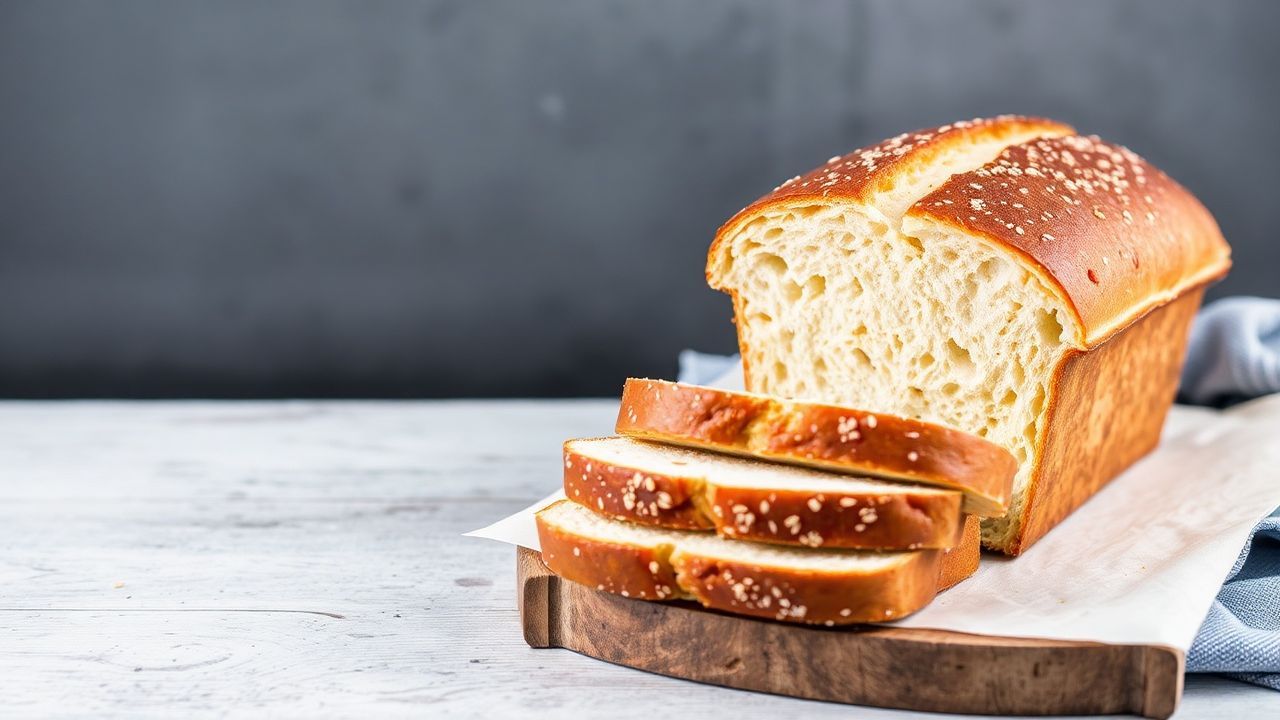
Soft, buttery, and made for fillings—Pain de Mie (the classic sandwich loaf) delivers a tender crumb and a gentle crust that stays slice-ready. You get an even bake, clean edges, and a texture that works well for lunch sandwiches, tea-time bites, and French toast.
- The Art of Crafting Perfect Pain de Mie
- Why This Sandwich Loaf Works
- Prep and Cook Time
- Yield
- Difficulty Level
- Ingredients
- Instructions
- Tips for Success: Chef’s Notes
- Pairing and Serving Suggestions for Sandwich Loaf
- Storing and Reviving Freshness for Every Slice
- Q&A
- What exactly is Pain de Mie, and what makes it so special?
- Why is my Pain de Mie dense instead of fluffy?
- How do I get that clean square shape and thin crust?
- Can I slice Pain de Mie the same day I bake it?
- How long does Pain de Mie stay fresh?
- Wrapping Up
Under its simple name sits a bread technique built on controlled hydration, careful fermentation, and a loaf-pan bake that limits crust thickness. That combination turns ordinary ingredients into something you want to serve.
At a Glance
- Pain de Mie shines because its crumb stays soft and evenly baked.
- A Pullman-style loaf pan helps you get a square shape and thin crust.
- Warm (not hot) milk protects yeast activity and improves rise.
- Proper cooling and storage keep slices tender for days.
The Art of Crafting Perfect Pain de Mie
The best Pain de Mie starts with the dough feel. Aim for a smooth, elastic dough that turns supple after kneading, then expands steadily during the first and second rise. When fermentation builds flavor, the loaf bakes up fragrant and tender instead of tight and dry.
This bread belongs to the broader world of enriched doughs, where milk and butter carry both flavor and softness. If you want a quick reference for how enriched breads behave, see Bread and how fat influences crumb texture.
Why This Sandwich Loaf Works
Pain de Mie earns its reputation through fine crumb structure. Because the loaf-pan bake controls expansion and crust development, each slice stays consistent from edge to edge. That consistency matters when you stack fillings or cut neat portions for events.
Traditional sandwich loaves also lean on yeast fermentation and dough strength. For background on how yeast-driven fermentation supports dough rise and flavor, refer to Yeast.
Prep and Cook Time
Plan ahead so you can work with the dough, not against it. Proofing time depends on room temperature, so use the timeline as a guide and watch the dough’s height and feel.
- Planning: 30 minutes
- Proofing: 2 to 2.5 hours (two rises)
- Baking: 35 to 40 minutes
- Total: about 3 hours 30 minutes
Yield
This recipe makes 1 standard loaf. You’ll typically get 10–12 slices, depending on how thick you cut and how you cool.
Square slices hold up well for layering, and the even crumb helps spreads stay put. If you want to compare loaf types and why some bake flatter or taller, check Bread roll for a broad overview of loaf formats.
Difficulty Level
Medium: ideal if you have basic bread experience and you want a predictable, sandwich-ready crumb. The method stays straightforward, but dough handling needs attention.
You’ll succeed faster if you focus on texture cues: smooth surface, elastic feel, and a second rise that reaches just above the pan rim. Precision beats rushing every time.
Ingredients
Use fresh dairy and active yeast for the cleanest rise. Warm milk should feel comfortable to the touch—hot milk can slow or harm yeast.
- 3 1/2 cups all-purpose flour, sifted
- 1 cup whole milk, warm (about 110°F / 43°C)
- 2 1/4 teaspoons active dry yeast (1 packet)
- 2 tablespoons unsalted butter, softened + extra for greasing pan
- 2 tablespoons granulated sugar
- 1 1/2 teaspoons fine sea salt
- 1 large egg, room temperature
Instructions
Read through all steps once, then begin. Bread improves when you keep work flow calm and consistent, especially during proofing and shaping.
- Activate the yeast: Mix warm milk, sugar, and yeast in a small bowl. Wait 5–7 minutes until foamy. Foamy yeast means active fermentation is underway.
- Mix the dough: In a large bowl, sift flour and salt. Add the yeast mixture, softened butter, and egg. Stir until the dough comes together into a shaggy mass.
- Knead: Knead 10 minutes on a lightly floured surface until smooth and elastic. It should feel soft and slightly tacky, not wet or sticky.
- First rise: Butter a bowl, add dough, cover with a damp cloth, and rise 1 to 1.5 hours in a warm spot. It should double in size and look puffy.
- Shape the loaf: Gently deflate, then shape into a tight log. Place into a buttered 9×5-inch pan, seam side down.
- Second rise: Cover loosely with greased plastic wrap or a towel. Proof 45 minutes to 1 hour until the dough rises just above the pan rim.
- Preheat the oven: Heat to 350°F (175°C). For extra softness, place an oven-safe dish with water on the lower rack.
- Bake: Bake 35–40 minutes. The top should turn golden, and the loaf should sound hollow when tapped. For accuracy, check internal temp around 190°F (88°C).
- Cool: Unmold to a wire rack right away. Brush with melted butter while warm for shine and tenderness.
Tips for Success: Chef’s Notes
Small choices drive big texture differences in sandwich loaves. Keep your temperatures steady and your dough handling gentle, especially during shaping.
- Use warm milk, not hot. Aim for roughly 105°F–115°F to support yeast activity.
- For a fluffier crumb, swap some flour: replace half the all-purpose flour with bread flour.
- If butter feels too cold, soften it so it blends evenly during mixing.
- Let the gluten rest briefly if the dough fights you. Short rests relax the dough and improve shaping.
- Make-ahead: after the first rise, shape and refrigerate overnight. Bring it back to rise longer before baking.
- For an allergy-aware twist, use almond or oat milk and adjust hydration based on dough feel.
[TIP]Expert Insight: For the cleanest square slices, aim for a tight seam during shaping. If the seam loosens in the pan, it can create uneven expansion and streaky crumb at the edges.
Texture also improves with controlled fermentation. If your dough rises too fast, the crumb can turn slightly coarse. If it rises too slowly, the loaf may bake tighter and feel less tender.
[WARNING]Pro-Caution: Avoid overbaking. Pain de Mie can dry quickly because its crumb is finely structured. Pull the loaf when the top is golden and the internal temp is close to 190°F (88°C).
Cooling matters too. Cutting too soon releases steam and can make slices seem gummy. Let the loaf cool on a rack until warm and sliceable.
Pairing and Serving Suggestions for Sandwich Loaf
Pain de Mie’s thin, soft crust and fine crumb make it ideal for clean, layered sandwiches. The bread won’t overpower mild fillings, and it won’t crumble when you press it gently.
Pair it with ingredients that benefit from a buttery base—creamy cheeses, crisp vegetables, and lightly sweet spreads. For ideas on flavor building blocks, you can review Sandwich and how fillings balance with bread.
Quick Lunch Builds
Try herb-roasted turkey with cucumbers and avocado spread. Slice the loaf evenly, then build with light layers so the bread stays soft rather than soggy.
If you want more crunch, add lettuce or quick-pickled onions. Keep wet ingredients lightly drained so moisture stays on the filling, not inside the crumb.
Elevated Toast for Breakfast
Toast slices until lightly golden, then spread whipped ricotta and drizzle honey. Finish with crushed pistachios for a sweet-salty contrast that stays balanced.
This bread also works for savory toast: butter plus herbs, then a topping like caramelized onion or sliced tomatoes. The fine crumb holds up well under toppings.
Classic Gourmet Combinations
Pair Pain de Mie with Brie and caramelized onions for a rich, melty bite. The softness of the loaf helps the cheese melt evenly without tearing slices.
Smoked salmon with cream cheese and dill works just as well. For a deeper look at how herbs shape flavor profiles, see Herb.
You can also use it for French toast style slices. Dip in a lightly seasoned custard, then cook until set but still tender inside.
Storing and Reviving Freshness for Every Slice
Proper storage keeps the crumb soft and the buttery taste noticeable. After baking, cool the loaf fully on a rack, then store it in a bread box or airtight container.
At room temperature, expect best texture for up to three days. If your kitchen runs warm, refrigerate only if you plan to revive slices with gentle toasting afterward.
Short-Term Storage
For daily use, keep slices sealed so moisture doesn’t escape. Dry air makes sandwich bread feel less tender, even when it still tastes good.
Use a tight bag or container to prevent staling. Staling happens as starches change over time, which is why fresh breads feel softer. For background, see Bread staling.
Freezing for Later
If you bake ahead, slice before freezing for easy portioning. Wrap tightly, then freeze so slices stay separate and thaw quickly.
To revive, toast briefly on medium-low or warm in a 325°F (165°C) oven for 5–7 minutes. Use foil loosely to prevent excess browning while restoring softness.
A Better Way to Refresh
Instead of microwaving, warm gently with steam or low oven heat. Microwaves can make the crumb feel gummy because heat distribution turns uneven quickly.
For an instant upgrade, brush warmed slices with softened butter mixed with herbs or a touch of citrus zest. This adds aroma without changing the core texture.
| Nutrient | Per Slice (Approx.) |
|---|---|
| Calories | 120 kcal |
| Protein | 4 g |
| Carbohydrates | 20 g |
| Fat | 3.5 g |
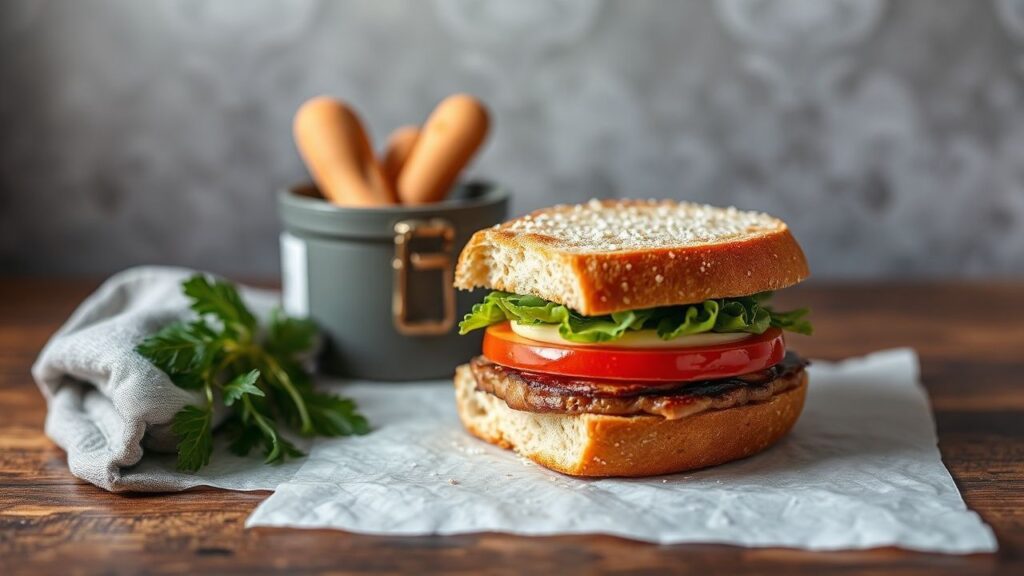
If you want more ways to use this loaf, build a simple rotation: turkey and avocado for lunch, then ricotta and honey for breakfast, then French toast for weekend brunch. Consistency keeps your meals easy and delicious.
For a trusted reference on loaf technique basics, you can compare ingredients and methods using Baking. Use it as a guide for heat transfer, dough behavior, and crust formation.
Q&A
Below are practical questions home bakers ask when learning Pain de Mie. Each answer focuses on texture, timing, and the small variables that affect rise and crumb.
If you follow the method cues—warm milk, proper kneading, controlled proofing, and careful cooling—you’ll get a loaf that slices cleanly and stays tender.
What exactly is Pain de Mie, and what makes it so special?
Pain de Mie is a soft, fine-crumbed sandwich loaf designed for even slicing. Its tender crust and gentle baking style keep the crumb moist and slice-ready for fillings.
The key difference from many pan breads is the goal: softness throughout. That comes from enriched dough ingredients and a pan-bake that limits crust thickness.
Why is my Pain de Mie dense instead of fluffy?
Dense loaves usually come from one of three issues: underproofing, under-kneading, or dough that rested too cold. Proof until the dough looks puffy and rises near the pan rim.
Also check milk temperature at the start. Warm milk supports yeast activity, while hot milk can reduce rise. For yeast background, revisit Yeast.
How do I get that clean square shape and thin crust?
Shape the dough tightly and place it seam side down. A Pullman-style loaf pan with a lid can further control crust thickness and help you get a classic sandwich-loaf look.
Even if you use a standard 9×5 pan, keep the second rise on target. Overproofing can push the loaf to expand beyond ideal crust control.
Can I slice Pain de Mie the same day I bake it?
You can slice it once it cools enough to handle. If you cut too early, steam escapes and the crumb can feel gummy or compressed.
Cool the loaf on a wire rack until warm and sliceable, then store promptly to protect softness.
How long does Pain de Mie stay fresh?
Stored airtight at room temperature, it stays best for about three days. After that, texture still works for toasting, but the crumb may feel slightly less soft.
For longer storage, freeze sliced portions and revive with gentle toasting or low-oven warming. For staling theory, see Bread staling.
Through its golden top and tender crumb, Pain de Mie brings comfort and control to sandwich making. You get a loaf that holds fillings neatly, tastes buttery, and slices with clean edges.
When you bake for softness—using the right dough feel, warm proofing, and careful cooling—every slice becomes a reliable base for simple meals and gourmet-style bites alike.
Wrapping Up
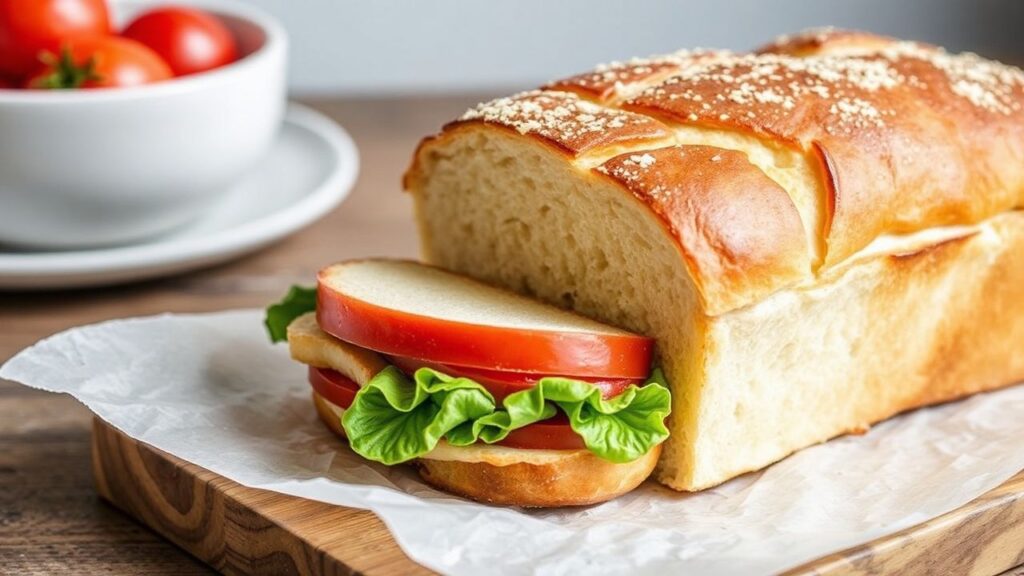
Pain de Mie, the classic sandwich loaf, offers more than a soft bite. It gives you a consistent crumb, a gentle crust, and a versatile base for both savory sandwiches and sweet toasts.
Follow the method cues—warm milk, proper kneading, controlled proofing, and precise baking—and your loaf will come out tender and slice-friendly. Then pair it with your favorite fillings and let the buttery flavor do the work.
See also: Pain de Mie