
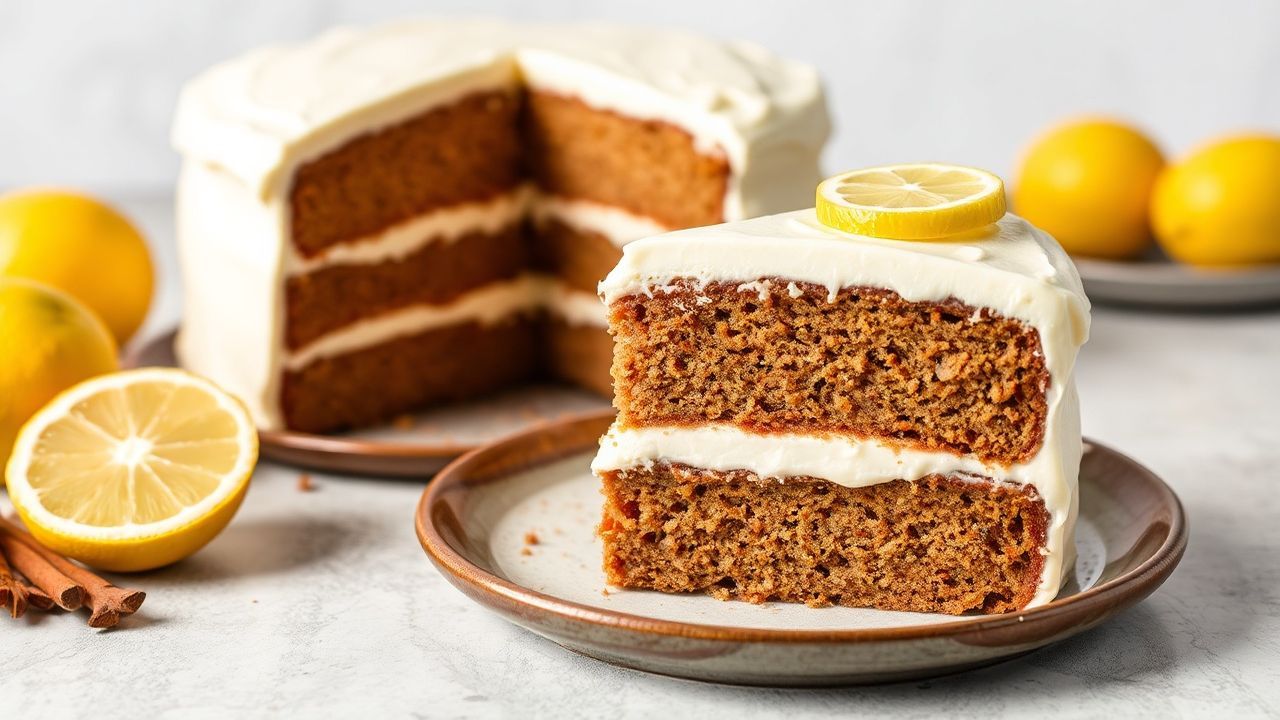
Spiced gingerbread layer cake turns classic holiday flavors into a tall, impressive dessert. Warm gingerbread spices meet bright lemon frosting for a flavor balance that tastes rich, then refreshes.
- Why This Gingerbread Layer Cake Works
- Ingredients for Spiced Gingerbread Layers
- Ingredients for Zesty Lemon Frosting
- Step-by-Step Instructions
- Prepare the oven and pans
- Sift dry ingredients
- Cream butter and sugar
- Add eggs and blend
- Mix in molasses and vanilla
- Alternate dry ingredients and buttermilk
- Divide and bake
- Cool fully
- Make lemon frosting
- Assemble the cake
- Decorate and chill
- Tips for Success (Troubleshooting Included)
- Serving Suggestions and Pairings
- FAQ
- Moist layers: brown sugar and molasses keep the crumb tender.
- Zesty frosting: lemon juice and zest add true citrus brightness.
- Clean slices: chill the assembled cake so layers hold their shape.
- Easy layering: level cakes and spread frosting evenly between tiers.
In every bite, the spice warms your palate first, then the lemon lifts the flavor. This cake works well for gatherings because it slices neatly and looks bakery-finished. If you love holiday baking, this gingerbread layer cake gives you a reliable, crowd-pleasing result.
Why This Gingerbread Layer Cake Works
This recipe pairs two parts that complement each other: spiced cake and tangy frosting. Gingerbread flavor relies on warm spices plus deep sweetness from brown sugar and molasses, which also helps retain moisture. Lemon frosting brings acidity that balances sweetness and makes each layer taste lighter.
You also get structural stability from proper mixing and cooling. When cake layers cool fully, frosting stays spreadable instead of melting. When you level the tops and chill after stacking, the cake holds its shape during slicing.
For spice guidance, see ginger and lemon for background on the key ingredients that drive the flavor profile. Understanding these basics helps you adjust ginger and citrus intensity with confidence.
Ingredients for Spiced Gingerbread Layers
Gather your dry and wet ingredients first, then measure accurately. For best results, sift dry spices and baking soda to avoid bitter pockets. Use room-temperature eggs and buttermilk for smoother batter and more even baking.
The spice blend targets the classic gingerbread profile: ground ginger, cinnamon, cloves, and nutmeg. Molasses adds color and depth, while buttermilk contributes tenderness. If you want a stronger spiced aroma, keep spices fresh and measure by weight when possible.
Dry ingredients
- All-purpose flour: 2 1/2 cups, sifted
- Baking soda: 1 1/2 teaspoons
- Ground ginger: 2 teaspoons
- Ground cinnamon: 1 1/2 teaspoons
- Ground cloves: 1/2 teaspoon
- Ground nutmeg: 1/4 teaspoon
- Salt: 1/2 teaspoon
Wet ingredients
- Unsalted butter: 3/4 cup, softened
- Dark brown sugar: 1 cup, packed
- Eggs: 2 large, room temperature
- Molasses: 1 cup, unsulfured
- Buttermilk: 1 cup, room temperature
- Vanilla extract: 1 teaspoon pure vanilla
Ingredient notes (quality matters)
Use unsulfured molasses for a clean, classic gingerbread flavor. If your molasses tastes harsh, the cake will taste harsher. Also, check that baking soda feels active; old baking soda can make layers dense.
For general background on why these ingredients behave as they do, you can reference baking soda and molasses.
Ingredients for Zesty Lemon Frosting
This frosting stays smooth and slice-friendly when you beat butter well and add citrus gradually. Lemon zest adds aroma, while lemon juice adds tang. Together, they create a bright flavor that cuts through spice.
Powdered sugar creates the frosting structure, while a small amount of cream adjusts spreadability. Add cream in tablespoons so you do not loosen the frosting too much.
Frosting list
- Unsalted butter: 1 cup, softened
- Powdered sugar: 4 cups, sifted
- Lemon juice: 2 tablespoons, freshly squeezed
- Lemon zest: 1 tablespoon (organic if possible)
- Heavy cream or milk: 2–3 tablespoons
- Vanilla extract: 1/2 teaspoon pure vanilla
- Salt: pinch
If you want to understand the chemistry behind citrus flavor, review lemon. For a quick look at how fats and emulsions behave in frostings, browse butter.
Step-by-Step Instructions
Follow the steps in order and pay attention to mixing time. Overmixing can develop gluten and make cake feel heavy. Underbaking can leave gummy centers that ruin frosting stability.
This process makes three 8-inch layers. You will cool layers fully, then assemble with frosting between each tier, finishing with a smooth exterior.
Prepare the oven and pans
Preheat to 350°F (175°C). Grease three 8-inch round cake pans and line the bottoms with parchment for clean release.
Keep the pans on a stable surface. Level pans help prevent slanted layers, which reduces extra trimming during assembly.
Sift dry ingredients
In a large bowl, sift flour, baking soda, ginger, cinnamon, cloves, nutmeg, and salt. Sifting supports even spice distribution and a tender crumb.
Spices settle quickly, so stir the bowl lightly before dividing flour into batter.
Cream butter and sugar
Beat softened butter and dark brown sugar on medium until light and fluffy, about 3–4 minutes. This step adds air, which supports a better rise.
If your kitchen is warm, chill butter briefly so it stays thick and aeratable.
Add eggs and blend
Add eggs one at a time, beating after each until the batter looks smooth. This reduces curdling and keeps the batter consistent.
If the mixture looks slightly separated, keep mixing gently for 20–30 seconds; the batter often comes back together.
Mix in molasses and vanilla
Stir in molasses and vanilla until the batter deepens in color and scent. The batter should look glossy and thick.
Molasses is naturally strong, so do not add extra spices unless you truly want more heat and aroma.
Alternate dry ingredients and buttermilk
With the mixer on low, add one-third of the dry mix, then half the buttermilk. Repeat once more, then finish with the last third of dry mix.
Stop as soon as you see no dry flour. Overmixing here can create a tougher crumb.
Divide and bake
Pour batter evenly into the three pans and smooth the tops. Bake 28–32 minutes until a toothpick in the center comes out clean.
Rotate pans halfway through for even browning. Dark pans can bake faster, so check 2–3 minutes early.
Cool fully
Cool layers in pans for 10 minutes, then invert onto wire racks. Cool completely before frosting to prevent melting and sliding.
Rushing cooling often causes frosting to thin and soak into edges, so plan time for full set.
Make lemon frosting
Beat softened butter until creamy. Add powdered sugar gradually on low to avoid powder clouds.
Beat in lemon juice, zest, vanilla, salt, and 2 tablespoons cream. Stop when frosting looks fluffy and spreadable; add more cream only if needed.
After adjustments, test spread on a small plate. Spread it with an offset spatula to confirm it holds ridges.
Assemble the cake
Level each layer with a serrated knife if domes formed. Place the first layer on a serving plate and spread about 1/2 cup frosting.
Repeat for the second and third layers. Use remaining frosting to cover the top and sides in a smooth or textured finish.
Decorate and chill
Decorate with thin lemon slices, crystallized ginger, or a light dusting of cinnamon. For best results, chill the cake at least one hour so frosting sets.
Serve chilled for sharper slices, or let it sit 10 minutes at room temperature for a softer mouthfeel.
Expert Insight: For the cleanest layering, use a cake turntable and a thin “crumb coat” first. Chill 15 minutes, then add the final frosting layer for a professional finish.
If you like, pair this cake with tea or coffee to highlight spice warmth and citrus brightness. The acidity in lemon also works well with sweet beverages.
Tips for Success (Troubleshooting Included)
A great gingerbread layer cake depends on small choices: fresh leavening, balanced mixing, and correct cooling times. Follow the tips below to avoid common issues like dense centers and unstable frosting.
Use this section as a checklist on baking day. If you already baked and the cake feels off, start with the “quick fixes” and then move to the next step.
Spice balance
Freshly ground spices release more aroma than older spice blends. If you want a bolder gingerbread flavor, increase ginger slightly, not all spices at once.
Because molasses also deepens flavor, you can usually keep cinnamon and cloves steady while adjusting ginger intensity.
Moisture mastery
Buttermilk tenderizes the crumb, while brown sugar and molasses support moisture retention. Avoid overmixing after the flour goes in.
If you notice a dense crumb, check baking soda freshness next time and bake closer to the center clean-toothpick moment.
Frosting brightness
Lemon flavor intensifies as the frosting rests. If you assemble early, refrigerate overnight and the citrus notes often taste even clearer.
Keep zest fine for a smooth texture. Coarse zest can poke through frosting and affect slice neatness.
Make-ahead plan
Bake layers up to 2 days ahead and wrap tightly. Keep frosting covered and refrigerated, then bring it to room temperature and re-cream before spreading.
Chill the assembled cake until firm. Cold cake travels better and slices more cleanly.
Quick fixes
If your layers bake unevenly, level the tops after cooling. If frosting feels too soft, chill and re-cream. If frosting tastes flat, a tiny pinch of salt usually restores flavor.
When you adjust, do small changes first. Big changes can disrupt frosting texture and cake balance.
Serving Suggestions and Pairings
This cake shines when served with warm, spiced drinks or creamy beverages. A cup of hot chocolate complements the molasses sweetness, while chai echoes cinnamon and cloves.
For a lighter pairing, serve with black tea or citrus-forward herbal tea. The lemon frosting gives a fresh finish that works well with less-sweet drinks.
For more on tea and its flavor compounds, see Tea. For a general understanding of common baking spices, you can also review cinnamon.
FAQ
Can I make the gingerbread layer cake gluten-free?
Yes. Use a trusted gluten-free 1:1 baking blend plus xanthan gum as directed by the blend. You may need to bake a few minutes longer due to different moisture behavior.
After baking, cool fully and assess texture before leveling.
How do I prevent the layers from sticking or breaking?
Line pan bottoms with parchment and grease thoroughly. Let layers cool 10 minutes in pans before inverting onto racks.
Always cool completely before frosting to avoid crumb breakdown from warm cake.
Why is my lemon frosting too runny?
Runny frosting usually comes from too much liquid or butter that is too soft. Chill the frosting 10–15 minutes, then re-cream.
If it still loosens, add a small amount of sifted powdered sugar.
What’s the best way to store this cake?
Store covered in the refrigerator up to 4–5 days. Keep it chilled to maintain frosting structure.
For best flavor, allow slices to sit 10 minutes at room temperature before serving.
Can I freeze the gingerbread layers?
Yes. Freeze cooled, wrapped layers for up to 2 months. Thaw in the refrigerator overnight, then level and assemble.
Freeze unfrosted for best texture control.
See also: gingerbread layer cake