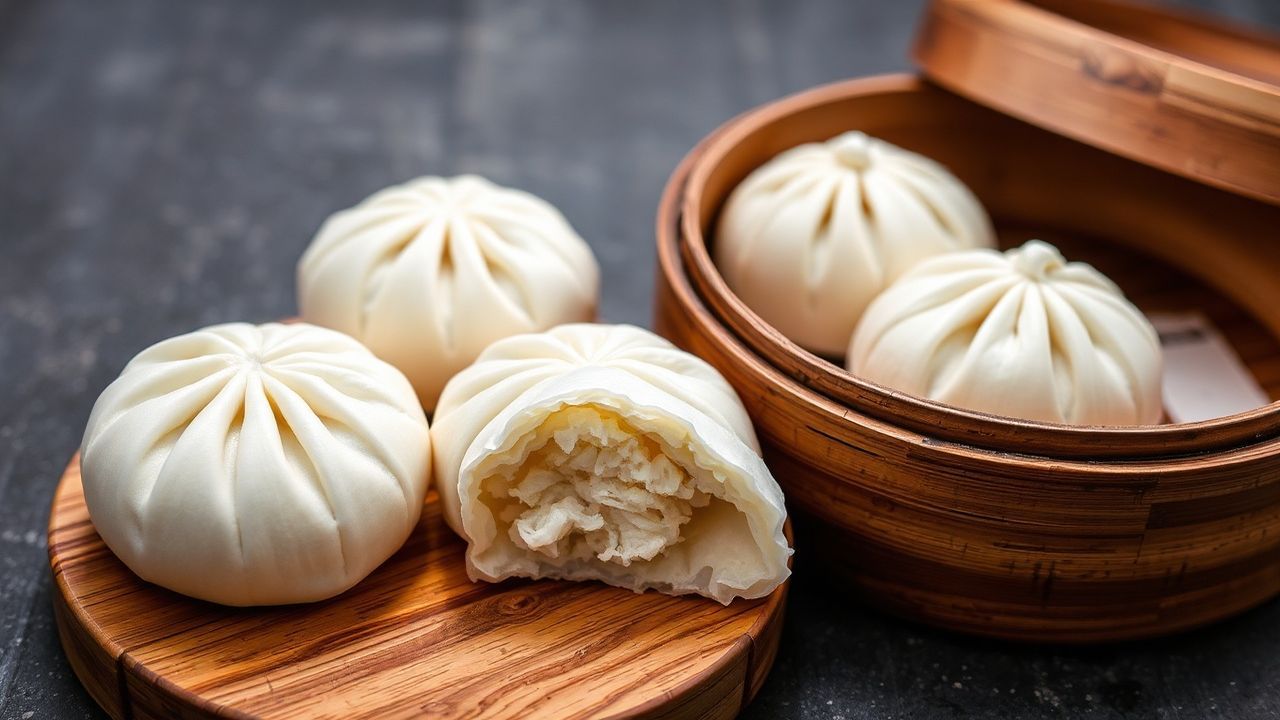
Fluffy mantou steamed rolls are a comfort classic because they stay soft, airy, and mildly sweet after cooking. The goal is simple: build a dough that traps gas, then steam it gently so the structure sets without drying out.
- The Science Behind Fluffy Mantou Texture
- Selecting the Ideal Ingredients for Soft Steamed Rolls
- Step by Step Techniques to Achieve Pillowy Mantou
- Troubleshooting Common Challenges in Mantou Making
- Prep and Cook Time
- Yield
- Difficulty Level
- Ingredients
- Instructions
- Chef’s Notes: Tips for Success
- Serving Suggestions
- FAQ
At a Glance
- Steam, don’t boil: keep a steady steam for even lift.
- Hydration controls fluff: too dry turns dense; too wet turns gummy.
- Two proofs matter: one builds flavor, the next sets the final rise.
- Gentle handling wins: rest the buns so they don’t shrink.
But softness does not happen by luck. It comes from gluten development, yeast fermentation, and moisture management. If you follow the steps below, you will get pillowy mantou you can pull apart by hand.
The Science Behind Fluffy Mantou Texture
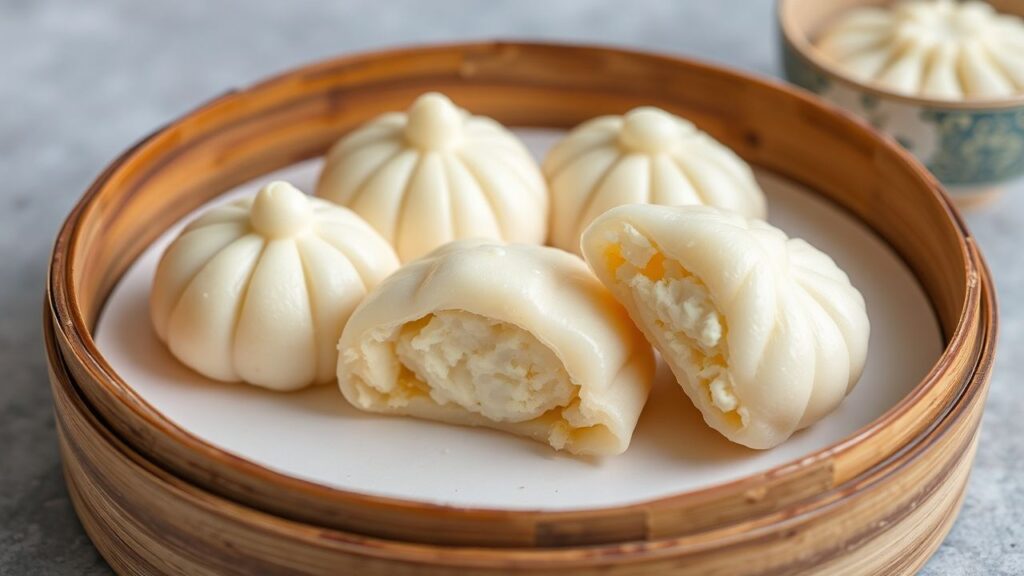
Fluffy mantou steamed rolls rely on two physics wins: gas expansion and gluten strength. Yeast produces carbon dioxide during proofing, then steam heat expands those gas pockets inside the dough.
Gluten forms when flour proteins hydrate and the dough gets kneaded. That gluten network holds the gas bubbles long enough for the buns to set, so your mantou stays cloud-like instead of collapsing. For background, see gluten and yeast.
Next, you must manage steam moisture. Dense results often trace back to under-proofing, while gummy texture usually comes from under-kneading or excess liquid. The fix is always process-based: adjust kneading time, proof length, and dough firmness.
Finally, steaming needs stability. Rapid lid lifting changes temperature and interrupts the steam environment, so keep the lid down for the full cook window.
Selecting the Ideal Ingredients for Soft Steamed Rolls
Ingredients set your ceiling for fluffiness. Start with flour that can build gluten without turning tough. Bread flour usually works best because it has higher protein, which supports structure.
If you want a softer bite, you can blend bread flour with cake flour. That keeps the bun tender while still allowing the gluten network to trap gas. For protein basics, review protein in flour and how dough strength forms.
Yeast quality affects rise speed and flavor depth. Use fresh active dry or instant yeast, and proof it properly in warm liquid. Yeast performs best in the right temperature range, so avoid very hot milk that can slow or harm yeast activity. For more context, read fermentation.
Milk adds tenderness because it boosts fat and proteins, improving dough softness. A small amount of sugar feeds yeast and supports fermentation balance. Neutral oils contribute lubrication during mixing, which helps the dough feel supple instead of dry.
Step by Step Techniques to Achieve Pillowy Mantou
Follow these steps in order to get consistent fluffy mantou steamed rolls. Each step has a job: activate yeast, build dough structure, proof for lift, shape for symmetry, then steam for set crumb.
First, activate yeast. Combine warm milk, sugar, and yeast, then wait until it looks foamy. Foamy yeast means active fermentation and a better second proof.
- Activate the yeast: Mix warm milk, sugar, and yeast. Wait about 5 minutes until foamy.
- Mix the dough: Combine bread flour and salt. Add yeast mixture and oil. Stir until a shaggy dough forms.
- Knead: Knead by hand or with a dough hook for 8–10 minutes. Aim for smooth, elastic dough that feels soft and slightly tacky, not wet.
- First proof: Cover and let rise in a warm, draft-free spot until doubled, about 1 to 1.5 hours. This phase builds flavor and volume.
- Shape: Gently deflate, divide into 10 equal pieces, and shape into smooth balls or ovals.
- Second proof: Proof shaped mantou for 30–45 minutes until visibly puffy and aerated.
- Steam: Steam over vigorous boiling water for 12–15 minutes. Keep lid closed to protect steam consistency.
- Rest: Turn off heat and rest mantou for 5 minutes before lifting. Resting reduces shrinkage.
During steaming, spacing matters. Leave room for expansion so the buns do not merge. Also, use parchment squares under each bun so they release cleanly.
If you want extra reliability, use a timer and keep heat steady. Steam that drops too low leads to pale, under-set interiors.
Troubleshooting Common Challenges in Mantou Making
If your fluffy mantou steamed rolls do not turn out right, diagnose the issue by texture. Dense buns often come from weak proofing or low dough hydration, while gummy centers point to undercooked dough or excess moisture in the dough.
Under-proofing makes tight crumb because gas did not fully expand before steaming. Over-proofing can weaken the dough network, so buns collapse after cooking. For fermentation timing and general principles, use yeast fermentation as a reference point.
If mantou feels sticky, increase kneading slightly next time and check your flour amount. Sticky dough usually improves with better gluten development and proper flour absorption during mixing.
For sticking problems, parchment paper or lightly oiled steamer surfaces help. Too much oil can stain or alter browning, so use a thin, controlled layer only where needed.
Prep and Cook Time
Plan your timeline so the proofing stages do not run too short or too long. Proofing is where fluff gets built, so treat it like a recipe step, not a waiting period.
- Readiness: 20 minutes
- First Proofing: 1 to 1.5 hours
- Shaping and Second Proof: 45 minutes
- Steaming: 12 to 15 minutes
- Total Time: ~3 hours
Yield
This recipe makes about 10 medium steamed mantou rolls. If you prefer larger buns, divide dough into fewer pieces and increase steaming time by 1–2 minutes.
Consistent sizing helps even steaming. Uneven portions create under-set centers in larger pieces.
Difficulty Level
Difficulty stays at Medium because dough feel and proof timing require attention. The technique is approachable once you learn how the dough looks and feels at each stage.
With practice, you will recognize readiness by volume, surface tension, and spring-back when gently pressed.
Ingredients
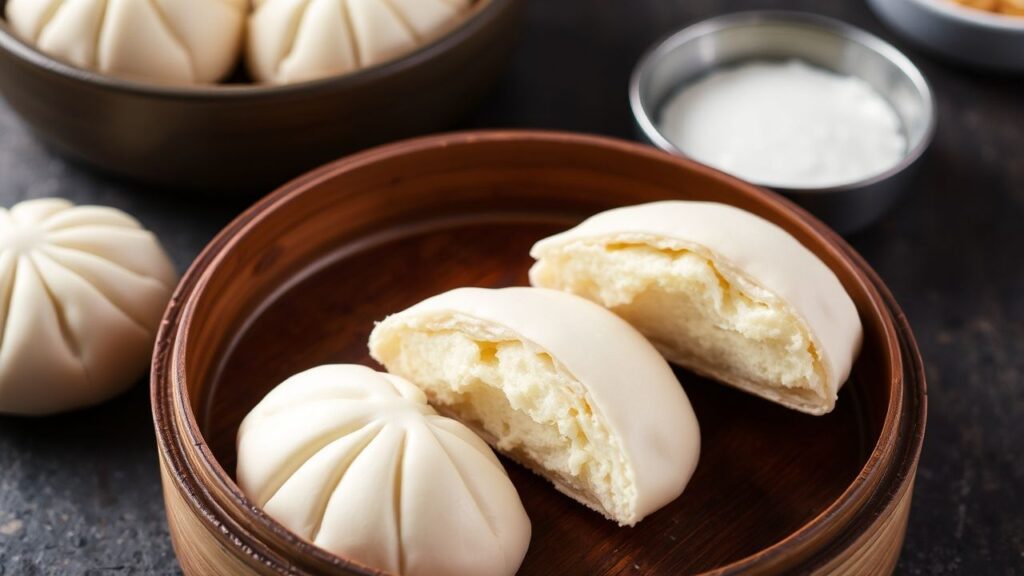
Use ingredient temperatures and measurements that support smooth mixing. Warm milk activates yeast and helps dough hydrate evenly.
- 3 cups bread flour, sifted
- 1 cup whole milk, warm (100–110°F / 38–43°C)
- 2 tsp active dry yeast
- 3 tbsp granulated sugar
- 1/4 tsp salt
- 2 tbsp vegetable oil
Instructions
Read each step closely and do not skip kneading or proofing. Those two steps create the softness you want in fluffy mantou steamed rolls.
- Activate the yeast: Combine warm milk, sugar, and yeast. Rest 5 minutes until foamy.
- Make the dough: Combine sifted flour and salt. Add yeast mixture and oil. Mix until a shaggy dough forms.
- Knead: Knead 8–10 minutes until smooth and elastic. If using a stand mixer, mix until the dough passes the windowpane test (thin stretch without tearing).
- First proof: Place in a lightly oiled bowl, cover, and let rise until doubled, about 1 to 1.5 hours.
- Shape the mantou: Divide into 10 equal pieces. Shape into smooth balls or ovals.
- Second proof: Place on parchment squares in a steamer basket with spacing. Proof 30–45 minutes.
- Steam: Bring water to a strong boil. Steam 12–15 minutes with the lid closed.
- Rest and serve: Rest 5 minutes off heat, then serve while warm.
Chef’s Notes: Tips for Success
These small adjustments help you dial in texture. Use them when you want consistent results across different kitchens and flour brands.
- Flour blend: If you want extra tenderness, blend bread flour with cake flour (about 2:1) while keeping enough gluten strength.
- Milk alternatives: Soy or oat milk can work, since the key needs are hydration and dough softness. Adjust slightly if dough feels too wet.
- Make-ahead: Refrigerate proofed shaped buns overnight, covered. Steam fresh the next day and add 2 minutes.
- Flavor variations: Add fillings like sweet red bean paste before shaping, and seal seams tightly.
- Handling sticky dough: Lightly flour hands and surface, but avoid heavy added flour that can dry the crumb.
- Steam environment: Place a clean cloth under the lid if your steamer drips. It helps keep condensation off the buns.
If you track your outcomes, you will improve faster. Notes like “proof took 55 minutes” or “dough felt slightly wetter” help you repeat success.
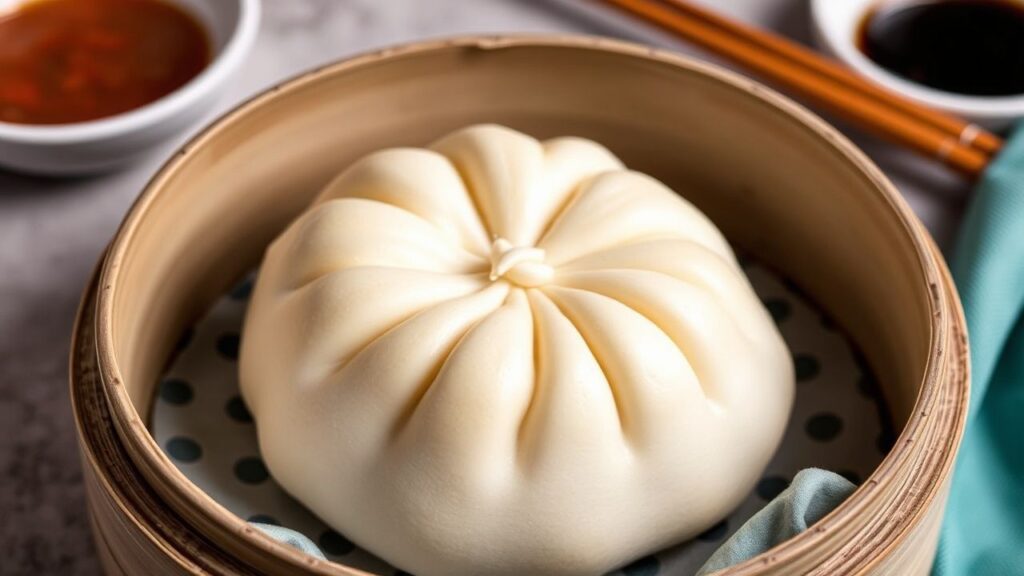
Serving Suggestions
Serve fluffy mantou steamed rolls warm for the best texture. Pair them with savory dishes like stir-fried vegetables, braised tofu, or saucy meat dishes so the buns soak up flavor.
For a dessert-style option, add sweet spreads or drizzle with condensed milk. Mantou also works as a base for dipping sauces, because the crumb holds moisture without cracking.
For readers who enjoy deeper food science, it can help to understand how starch and moisture interact during heating. A helpful reference is starch and its role in cooked dough texture.
For more steamed bun variations and recipes, explore our Soft and Savory Steamed Buns collection. To expand your understanding of yeast activity and fermentation basics, read leavening agents.
FAQ
Quick answers help you troubleshoot fast. Use these notes when you notice changes in rise, crumb, or serving-day texture.
What makes mantou fluffy instead of dense?
Fluff comes from proper gluten development and enough proof time. Knead until the dough feels smooth and elastic, then proof until it doubles and looks aerated.
Why is my steamed mantou gummy in the center?
Gummy centers usually mean the buns did not fully set during steaming or the dough held extra moisture. Steam for the full time and ensure the buns have completed second proof.
Can I make fluffy mantou steamed rolls without yeast?
Yeast provides flavor and steady gas expansion, so it is the classic route. Some recipes use baking powder, but results often taste different and may not match the same airy crumb.
How do I know the dough is ready for shaping?
After the first proof, the dough should roughly double in size. When you press gently, the indentation should spring back slowly, not stay rigid.
How should I reheat mantou without losing softness?
Re-steam mantou gently with a short steam time to restore moisture. Avoid dry heat like roasting, since that firms the surface and reduces the cloud-like bite.
See also: Fluffy mantou