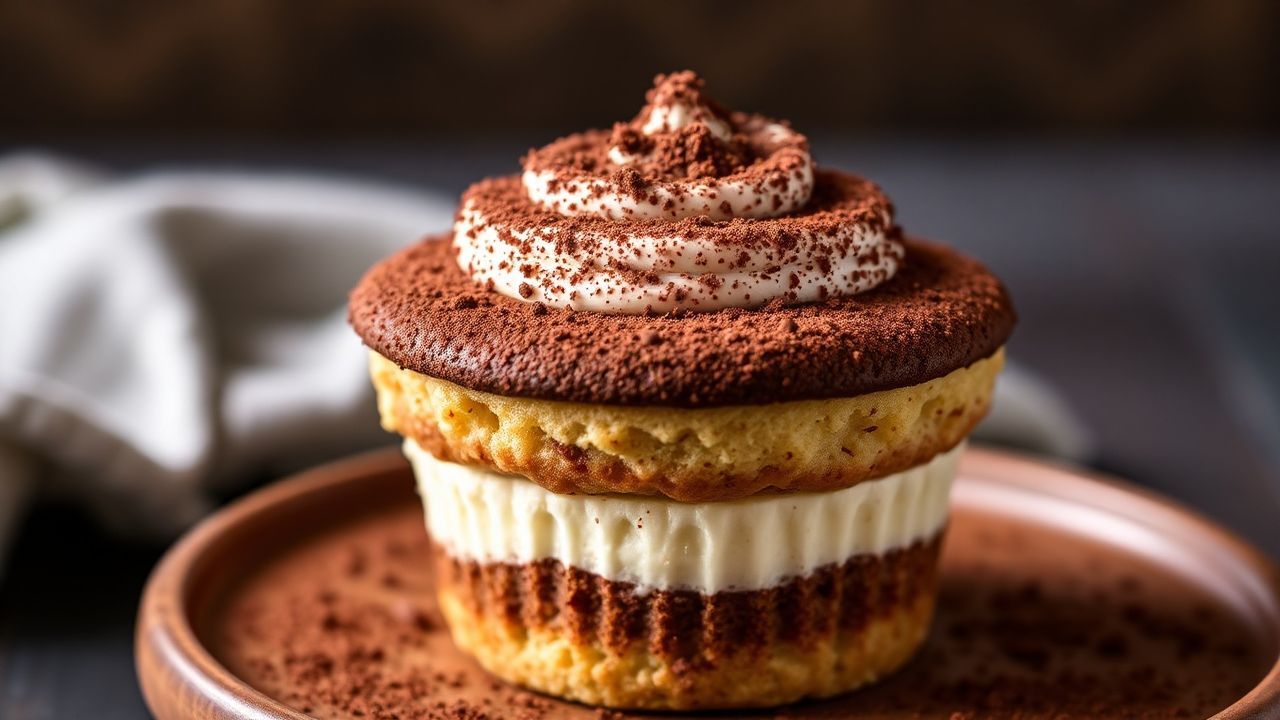
Decadent tiramisu cupcakes deliver the iconic flavors of the Italian classic—espresso, creamy mascarpone, and cocoa—engineered into a soft, single-serve bake. You get the same familiar “coffee + cream” contrast, but you also gain portion control, faster serving, and a cleaner presentation than layered ladyfingers.
- What Makes These Tiramisu Cupcakes Different (and Better)
- Ingredients That Deliver the Tiramisu Signature
- Espresso: Strong, Smooth, and Properly Cooled
- Mascarpone: Why It Behaves Like a Cream Base
- Cocoa Powder: Add It Last for Peak Flavor
- Recipe: Decadent Espresso-Mascarpone Cupcakes (12)
- Step-by-Step Instructions (No Tough Crumb, No Sloppy Frosting)
- 1) Bake the Cupcake Base
- 2) Whip Sugar and Eggs
- 3) Combine Wet and Dry with Controlled Mixing
- 4) Fill and Bake
- 5) Make Frosting That Pipes Cleanly
- 6) Assemble and Chill
- Make-Ahead Planning (So Hosting Feels Easy)
- Texture and Flavor Troubleshooting
- Serving Ideas That Look Like a Mini Tiramisu
- FAQ
- Flavor stays faithful: espresso aroma in the crumb, cocoa at the finish, mascarpone sweetness in the topping.
- Texture stays tender: controlled mixing keeps the cupcake light instead of tight.
- Frosting pipes neatly: chilled dairy + correct whip stage prevent grainy or slumping tops.
- Make-ahead works: bake in advance; frost later for best structure and flavor blend.
This cupcake format solves a common tiramisu problem: moisture timing. Traditional tiramisu relies on ladyfingers absorbing coffee over time. Here, the coffee flavor already lives inside the batter, so you can frost right when you need that creamy, set finish.
For readers who enjoy understanding the “why” behind baking, the same ingredient behaviors appear across dessert science—heat setting proteins, sugar’s role in moisture balance, and how cocoa flavor reads differently when it’s fresh-ground or recently sifted. If you want ingredient background, start with cocoa and espresso.
What Makes These Tiramisu Cupcakes Different (and Better)
The biggest shift from classic tiramisu is architecture. You no longer build layers that soak and soften; instead, you build a cake crumb that tastes like tiramisu from the first bite, then you crown it with a stable mascarpone frosting.
That changes technique. Espresso loses its sharpness when it cools and distributes through batter. Mascarpone also needs proper handling: it stays luxurious when it’s smooth before folding, and it turns heavy or grainy when you overmix or warm it too much.
The “Three-Part” Flavor Strategy
To recreate tiramisu’s signature profile, build in three steps: espresso in the crumb, cream richness in the frosting, and cocoa bitterness at the top. Each part does a job, and skipping one changes the taste balance.
Espresso provides a concentrated coffee note without watery dilution. Mascarpone adds tang and thick mouthfeel, which mimics the classic cream layer. Cocoa powder supplies the dry, slightly bitter finish that makes “tiramisu” taste unmistakable.
Moisture Control: Preventing Soggy Cupcakes
Moist cupcakes do not mean soggy cupcakes. In this recipe, you manage moisture by using the right warm/cool temperatures and by mixing just until the flour disappears.
Overmixing strengthens gluten and drives a tougher, less tender crumb, which can feel “wet” even when the cupcake bakes correctly. When you fold gently and bake until a toothpick comes out clean, you get a tender texture that still holds up under frosting.
Ingredients That Deliver the Tiramisu Signature
Good tiramisu cupcakes start with ingredient quality and temperature. Use room-temperature eggs so they emulsify smoothly with fat. Use cooled espresso so it doesn’t partially melt butter, which can alter batter structure.
For mascarpone frosting, keep dairy chilled until you whip. This matters because fat needs cold to whip into stable foam. If mascarpone warms too much, the frosting can thin and lose that clean piping edge.
Espresso: Strong, Smooth, and Properly Cooled
Use freshly brewed espresso for the deepest aroma. Espresso’s higher concentration compared with regular coffee helps the flavor show up in cake, where you often lose intensity to baking.
If you only have strong brewed coffee, reduce dilution by brewing it stronger and cooling it fully. For reference on coffee types, you can review coffee to understand why concentration affects flavor perception.
Mascarpone: Why It Behaves Like a Cream Base
Mascarpone is a soft Italian cheese made from cream, which gives it that thick, creamy texture. When you whisk it smooth first, it blends into frosting without lumps.
For general cream-cheese behavior and dairy texture basics, cheese offers useful background on how fat and proteins shape mouthfeel across products.
Cocoa Powder: Add It Last for Peak Flavor
Cocoa powder works best when you apply it as a finishing dust. That keeps the top dry and aromatic, instead of sinking into frosting and disappearing.
Choose unsweetened cocoa powder. Then sift it for an even layer. For deeper context on cocoa processing and flavor traits, see cocoa.
Recipe: Decadent Espresso-Mascarpone Cupcakes (12)
This makes 12 cupcakes. You’ll bake the cupcake base first, cool fully, then frost and chill until the frosting sets.
Plan roughly 25 minutes prep, 18–22 minutes bake, and at least 60 minutes chill. Chilling improves both piping accuracy and flavor harmony.
Equipment
You need a muffin tin (12-cup) and cupcake liners. Use a wire rack for cooling so steam doesn’t soften the bottoms.
For frosting, a stand or hand mixer helps you control whip stage. A piping bag with an open-star tip gives the classic tiramisu look faster, but you can also spread frosting cleanly with an offset spatula.
Cupcake Ingredients
Dry: 1 3/4 cups all-purpose flour (sifted), 1 tsp baking powder, 1/2 tsp baking soda, 1/4 tsp salt.
Wet: 3/4 cup granulated sugar, 2 large eggs (room temperature), 1/2 cup whole milk (warm, not hot), 1/2 cup brewed espresso (cooled), 1/2 cup unsalted butter (melted and cooled), 1 tsp pure vanilla extract.
Mascarpone Frosting Ingredients
1 cup mascarpone cheese (chilled), 1 cup heavy cream (chilled), 3/4 cup powdered sugar (sifted), 1 tsp vanilla extract. Optional: 1 tbsp coffee liqueur.
Cold dairy helps the frosting hold shape during piping. If you prefer non-alcoholic, skip the liqueur and add a little extra vanilla or a small splash of cooled espresso.
Garnish
Unsweetened cocoa powder for dusting. Optional: dark chocolate curls or finely chopped dark chocolate.
Optional finishing details: an espresso bean or a chocolate-covered coffee bean. Keep garnishes small so cocoa flavor stays balanced rather than overpowering.
Step-by-Step Instructions (No Tough Crumb, No Sloppy Frosting)
Follow the steps in order. The biggest quality wins come from cooling espresso, avoiding overmixing, and frosting only after the cupcakes reach room temperature.
When your cupcakes are warm, frosting slides. When your batter overmixes, cupcakes bake but eat chewy. This method prevents both.
1) Bake the Cupcake Base
Preheat the oven to 350°F (175°C). Line a 12-cup muffin tin with paper liners.
In a bowl, sift together flour, baking powder, baking soda, and salt. Set aside.
2) Whip Sugar and Eggs
In a separate bowl, beat sugar and eggs until pale and fluffy, about 3 minutes. This step adds air, which supports a lighter crumb.
Then pour in melted butter and vanilla. Mix on low just until the mixture looks smooth.
3) Combine Wet and Dry with Controlled Mixing
Combine the milk and cooled espresso in a measuring cup (or keep them separate). Add the dry ingredients and liquids alternately, beginning and ending with dry.
Fold gently until just combined. Stop as soon as you don’t see streaks of flour. Small lumps disappear in baking.
4) Fill and Bake
Spoon batter into liners, filling each about three-quarters full. Tap the tin once to release large air pockets.
Bake 18–22 minutes, until a toothpick inserted in the center comes out clean or with a few moist crumbs. Cool on a wire rack completely.
5) Make Frosting That Pipes Cleanly
Chill your mixing bowl and beaters. Whip heavy cream to soft peaks. You want the cream to hold shape but still look smooth and spoonable.
In another bowl, whisk mascarpone with powdered sugar and vanilla until silky. Optional: mix in coffee liqueur if using.
Fold whipped cream into mascarpone in two or three additions. Fold gently to keep volume. Stop when the frosting looks uniform.
6) Assemble and Chill
Pipe or spread frosting on cooled cupcakes. Dust lightly with cocoa using a fine sieve for even coverage.
Finish with chocolate curls or an espresso bean if you want. Chill at least 60 minutes so the frosting sets and flavors meld.
Also watch whip stage. Over-whipped cream can become grainy, and once it breaks, mascarpone can’t fully rescue the texture. If the frosting looks stiff and dry, stop mixing and fold carefully.
For readers who like precise technique, the reason fat stabilizes in cold conditions comes down to physical behavior of emulsions and whipped foam. You don’t need equations; you just need consistent temperatures and gentle folding.
Make-Ahead Planning (So Hosting Feels Easy)
You can bake cupcakes ahead and frost later without losing quality. This is the real advantage of cupcakes versus classic layered tiramisu.
Bake the cupcakes up to 24 hours in advance. Cool completely, then store airtight at room temperature if they’re not frosted yet. For longer storage, refrigerate plain cupcakes and let them sit at cool room temperature before frosting.
Best Timing for Flavor Blend
Frosting after baking keeps the crumb from softening too early. After assembly, chill until the frosting sets, then serve within 2–3 days for best texture.
Espresso flavors mellow during chilling as aroma disperses through the dairy. That’s why a short rest improves taste without making the cupcake heavy.
Storage After Frosting
Store frosted cupcakes in a covered container in the refrigerator. Keep them single-layer if possible to protect the cocoa dust and piped peaks.
Let cupcakes rest 10–15 minutes at cool room temperature before serving. That small window improves softness while keeping frosting stable.
Texture and Flavor Troubleshooting
Most tiramisu cupcake failures fall into a few repeat categories: dry crumb, bitter or flat coffee flavor, or frosting that won’t hold shape.
Use these fixes to correct course quickly. Baking is forgiving when you adjust with intention.
If Cupcakes Turn Dry
Dryness usually comes from overbaking or overmixing. Check doneness at 17 minutes and start testing with a toothpick.
Also remember that espresso is liquid. If you accidentally add espresso warm or too hot, batter can behave differently and bake out drier. Cool espresso and mix gently.
If Coffee Flavor Tastes Weak
Coffee flavor weakens when espresso is old, diluted, or when cocoa overwhelms it. Brew espresso fresh and cool it before mixing.
If you want more “tiramisu” impact, dust cocoa lightly and consider adding a small amount of coffee liqueur to frosting. Keep it subtle so mascarpone stays dominant.
If Frosting Slumps
Slumping typically means the frosting warmed before it set, or the whipped cream didn’t reach soft peaks. Chill again and re-whip briefly only if it’s still smooth.
Also confirm mascarpone and cream stayed cold before combining. Warm mascarpone can thin the mixture.
Serving Ideas That Look Like a Mini Tiramisu
Presentation affects perceived flavor. When cupcakes resemble tiramisu visually—cream swirls and cocoa dust—guests expect that taste and enjoy it more.
Pipe an open-star swirl, then dust cocoa in a light, circular motion. Add chocolate curls for contrast and an espresso bean center for recognition.
Flavor-First Garnish Rules
Use cocoa as a finishing dust, not a thick layer. Thick cocoa can taste dry and slightly harsh, especially on top of sweet mascarpone.
Keep chocolate accents small. Dark chocolate works best because it supports cocoa bitterness rather than adding extra sweetness.
FAQ
Can I use instant coffee instead of espresso?
Yes, but the flavor will usually taste less rich and may turn slightly grainy. If you use instant coffee, dissolve it completely in warm liquid, then cool before mixing. Espresso remains the most reliable option for classic tiramisu aroma.
Why do I have to cool the cupcakes fully before frosting?
Warm cupcakes melt fat inside frosting. That can cause the piped peaks to sag and the cocoa to bleed into the cream. Cooling prevents texture collapse and keeps decoration sharp.
What’s the best way to avoid mascarpone lumps?
Whisk mascarpone with powdered sugar and vanilla until smooth before folding in whipped cream. Use chilled mascarpone, then mix gently—don’t blast at high speed for long periods.
How long do tiramisu cupcakes stay fresh?
For best texture, eat within 2–3 days when stored refrigerated in an airtight container. Cupcake crumbs stay tender longer when you frost close to serving time.
Can I freeze these cupcakes?
Freezing unfrosted cupcakes works better than freezing frosted ones. If you freeze, thaw completely before frosting so the crumb doesn’t trap condensation and soften the texture too much.
See also: tiramisu cupcakes