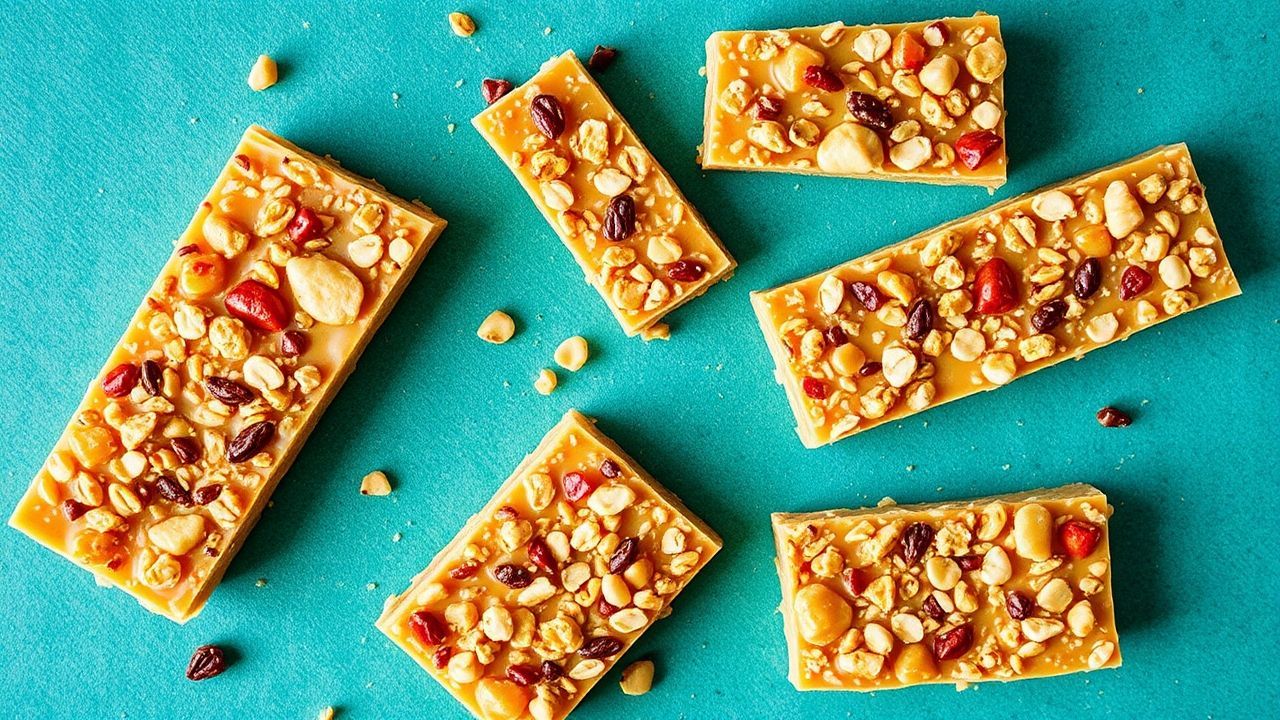
Amaranth and honey brittle bars deliver a crisp, caramel-like snap with a wholesome grain twist. If you want best amaranth and honey brittle bars for snacks, gifting, or a quick energy bite, this guide shows the right ratios, timing, and texture checks.
- Why Amaranth and Honey Brittle Bars Taste So Good
- Exploring the Nutritional Power of Amaranth in Sweet Treats
- Instructions for the Best Amaranth and Honey Brittle Bars
- 1) Prep the pan
- 2) Toast the amaranth
- 3) Cook the honey brittle syrup
- 4) Hit the hard crack stage
- 5) Add lemon and vanilla off heat
- 6) Fold in crunch boosters
- 7) Cool, lift, and cut
- Tips for Enhancing Texture and Crunch in Homemade Bars
- Pairing Suggestions to Elevate Amaranth and Honey Brittle Bars
- Nutrition Snapshot (Per Bar Estimate)
- Chef’s Notes and Troubleshooting
- Closing Remarks
- FAQ
At a Glance
- Hard crack timing (about 300°F) creates the signature brittle snap.
- Toast amaranth first to sharpen crunch and reduce any chew.
- Cool fully before cutting so the slab stays clean and firm.
- Store airtight to prevent humidity from softening the bars.
These bars blend puffed amaranth with a honey brittle base for a sweet crunch that feels lighter than many candy bars. Amaranth is an ancient grain that many cooks choose for its protein and fiber profile, while honey brings floral sweetness and binding power. For background on the ingredient, see amaranth.
Why Amaranth and Honey Brittle Bars Taste So Good
Amaranth puffs create a dry, airy bite that works like a natural crunch layer. When the hot honey mixture sets, it coats each piece, so every bar breaks with a clean, brittle snap.
Honey also helps build flavor depth as it cooks and caramelizes. In that way, the recipe follows classic candy stages, which you can learn about through sugar cooking. Once you nail the stage, the recipe becomes repeatable.
Exploring the Nutritional Power of Amaranth in Sweet Treats
Amaranth offers more than a trendy name. It is valued as a pseudo-cereal with naturally occurring nutrients, and it contains fiber and plant protein. If you want a science-backed overview of the plant itself, check protein.
Honey brittle bars also bring small-batch energy from fat and carbohydrates, mainly from butter and honey. Your portion size matters, so treat these as a sweet snack, not a meal replacement. The nutritional table later in the post uses a simple per-bar estimate to help you plan.
Texture Science: Puff + Brittle + Cooling
Your texture target has three steps: toast, syrup stage, then cooling. Toasting drives off moisture and boosts nutty aroma from the puffed amaranth. Then the syrup sets into a hard structure when it hits the correct temperature.
Cooling matters because brittle continues to firm as the slab drops in temperature. If you cut too soon, the bars can fracture unevenly. Use a firm room-temperature rest before slicing.
Prep and Cook Time
Plan for a focused session, then let the slab set on the counter. This keeps the recipe smooth and reduces rushed steps.
- Planning: 15 minutes
- Cooking & Setting: 20 minutes
- Total: 35 minutes
Yield and Difficulty Level
This recipe makes about 12 bars from an 8×8-inch pan. The difficulty stays medium because the syrup stage needs accuracy.
If you use a candy thermometer and keep stirring, the process stays straightforward. For general food-safety context on food handling and storage, you can also review food safety.
Ingredients
Choose quality honey for better aroma and smoother caramel notes. If possible, use raw or lightly filtered honey.
- 1 cup puffed amaranth (crunch base)
- 3/4 cup raw honey (binding + flavor)
- 1/2 cup golden brown sugar, packed
- 1/4 cup unsalted butter
- 1/4 tsp fine sea salt
- 1/2 tsp pure vanilla extract
- 1/2 cup finely chopped roasted almonds (optional)
- 1 tbsp lemon juice (brightness)
Roasted almonds add both fat and crunch. If you skip them, you still get a strong brittle structure from the puffed amaranth.
Instructions for the Best Amaranth and Honey Brittle Bars
Follow these steps in order. Each one controls texture, so skipping or rushing changes the final snap.
Keep a clear workspace and line your pan before you start cooking. Hot syrup moves fast, so prep first.
1) Prep the pan
Line an 8×8-inch square pan with parchment paper so the edges hang over for easy lifting. Lightly butter the parchment for a smooth release.
Set the pan near your stove. Then you can pour quickly when the syrup hits temperature.
2) Toast the amaranth
Toast puffed amaranth in a dry skillet over medium heat for 2–3 minutes. Stir often to avoid scorching and to keep the puffs crisp.
Let it cool while you cook the syrup. This prevents uneven texture once you fold it in.
3) Cook the honey brittle syrup
In a heavy-bottom saucepan, combine honey, brown sugar, butter, and sea salt. Stir continuously over medium heat until the mixture looks smooth.
Because sugar mixtures can erupt if neglected, keep attention on the pot. Stir makes the heat distribution more even and reduces hot spots.
4) Hit the hard crack stage
Attach a candy thermometer. Cook until the mixture reaches about 300°F for a hard crack stage. This temperature gives the crisp, snap-friendly structure.
If you rely on a visual test, remember that lighting and pot size vary. Temperature gives consistency, and you can review candy thermometer basics for how they work.
5) Add lemon and vanilla off heat
Remove the pan from heat. Stir in lemon juice and vanilla extract right away so the flavor blooms without burning.
The lemon helps balance the sweetness and brightens the honey notes. Stir thoroughly for even flavor distribution.
6) Fold in crunch boosters
Quickly fold in toasted puffed amaranth and chopped roasted almonds (if using). Work fast so the crunchy pieces coat evenly before the syrup firms.
Spread promptly into the lined pan. Use a spatula to level the surface to about 1/4-inch thickness.
7) Cool, lift, and cut
Let the slab cool at room temperature for at least 20 minutes. When it feels firm, lift it out using the parchment overhang.
Cut into 12 bars with a sharp knife. If the brittle resists, give it a few more minutes to set.
Store each bar with care. A brittle candy slab holds best when it stays dry and protected from humidity.
Tips for Enhancing Texture and Crunch in Homemade Bars
The best crunch comes from moisture control and correct candy stage. Toasting reduces residual chew, while the hard crack temperature builds a crisp matrix around the puffs.
If your bars turn sticky later, the syrup stage likely ran low or the bars absorbed humidity. Store them in an airtight container and keep them away from steam-prone kitchens.
For a deeper look at why sugar mixtures crystallize, you can review crystal formation. Many “grainy” or sticky results tie back to temperature, timing, and moisture exposure.
Pairing Suggestions to Elevate Amaranth and Honey Brittle Bars
Pairing matters because brittle is sweet and crisp. A lightly bitter or herbal drink balances the caramel notes and helps your palate reset between bites.
Try these bars with green tea, black tea, or a mild herbal infusion. The tannins in tea can cut richness, giving you a cleaner finish.
Sweet pairings
For a dessert-style snack, serve bars with Greek yogurt. Add a drizzle of honey or fresh berries so the tangy yogurt contrasts the brittle sweetness.
If you add fruit, choose berries or citrus. Their acidity complements honey without making the bars taste overly sugary.
Savory pairings
Honey brittle also works on a cheese board. Mild goat cheese pairs well because it stays creamy while the brittle provides crunch.
Aged hard cheeses add salt and complexity, which makes the honey flavor feel more defined. For general background on cheese aging, browse cheese.
Nutrition Snapshot (Per Bar Estimate)
Nutrition varies based on ingredient brands and bar size. The table below gives a practical estimate so you can plan portions.
Use it as guidance, not a medical measurement. If you track macros closely, weigh your finished slab and calculate per gram.
| Nutrient | Amount per Bar |
|---|---|
| Calories | 160 kcal |
| Protein | 3 g |
| Carbohydrates | 25 g |
| Fat | 6 g |
| Fiber | 2 g |
Chef’s Notes and Troubleshooting
Small changes can protect crunch and simplify your prep. Use these notes to personalize flavor and fix common issues.
Most problems come from heat accuracy, moisture exposure, or cutting too early. Fix the cause and the recipe bounces back.
- Substitutions: Swap butter for coconut oil for a dairy-free option with a subtle tropical hint.
- Make-ahead: Bars hold well for several days when stored airtight. Aim to eat within about a week for best crunch.
- Flavor twists: Add cinnamon or grated ginger during the syrup stage for warm, aromatic notes.
- Troubleshooting: If bars taste chewy, the syrup likely stopped short of hard crack. Next time, cook a bit longer while watching temperature.
- Crystallization control: If you see sugar graininess, reduce stirring after reaching late-stage temp and avoid shaking the pan.
To understand more about honey composition and why it cooks differently than sugar alone, see honey. That background helps you predict sweetness and texture.
Closing Remarks
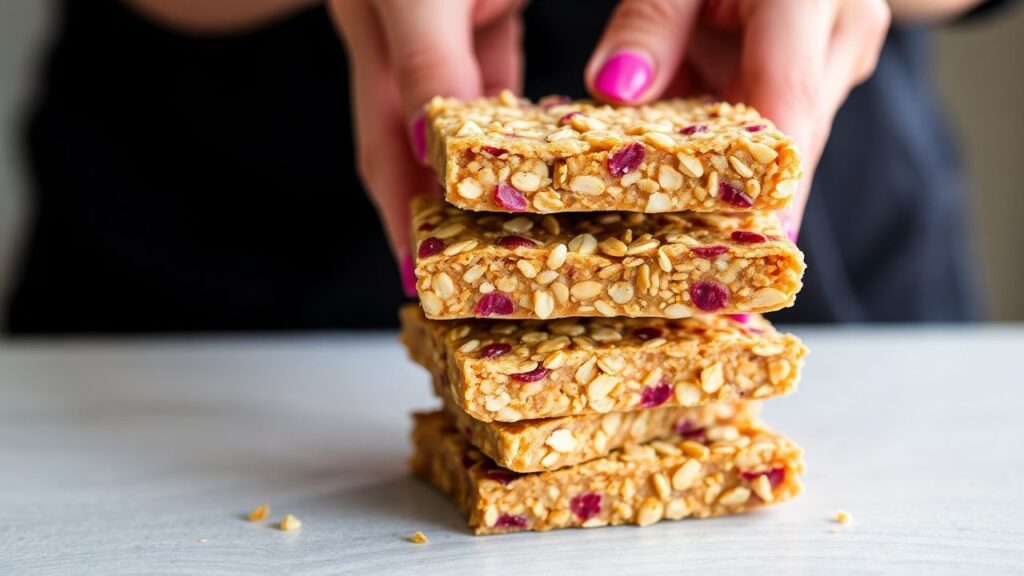
Amaranth and honey brittle bars offer the kind of crunch you can hear. When you toast the amaranth, cook the syrup to the right stage, and cool fully, the bars deliver a clean snap with balanced sweetness.
Make a batch for snack prep or small gifts. With airtight storage and careful temperature control, this recipe stays consistent, bar after bar.
FAQ
What does hard crack stage do in amaranth honey brittle bars?
Hard crack stage forms a brittle sugar structure that snaps when you bite it. That crisp set depends on reaching the right temperature before removing the pan.
Can I make these bars without almonds?
Yes. The puffed amaranth still gives crunch, and the honey syrup still sets into brittle. Almonds simply add extra texture and flavor depth.
Why do my bars get sticky after a day or two?
Sticky bars usually mean they absorbed moisture or the syrup stage ran slightly low. Store the bars airtight and keep them away from humidity or steam.
How should I store amaranth and honey brittle bars?
Keep them in an airtight container at room temperature. If you live in a very humid area, add extra protection like parchment separators and minimize container opening time.
Can I swap honey for another sweetener?
You can, but results vary. Honey affects flavor and moisture behavior, so any swap may change set time and texture. If you test substitutes, use a thermometer and adjust for the sugar stage.
See also: amaranth and honey