
When you want keto marinara sauce that tastes like classic Italian comfort, you need two things: rich tomato flavor and a smart low-carb method. Traditional marinara often includes added sugar or cooks down in ways that can hide extra carbohydrates. This recipe keeps the sauce tangy, savory, and satisfying while supporting a ketogenic approach.
At a Glance
- Focus on no-sugar-added tomatoes to keep net carbs lower.
- Simmer longer to concentrate flavor without flour or cornstarch.
- Use olive oil and herbs for depth and aroma.
- Balance acidity with a tiny pinch of sweetener or fat if needed.
Marinara is simple by design, so small ingredient choices matter. Tomato varieties, label wording, and how you cook the sauce can change the carb load and taste. With this keto marinara sauce, you get bold herb notes, garlic warmth, and a smooth spoonable texture.
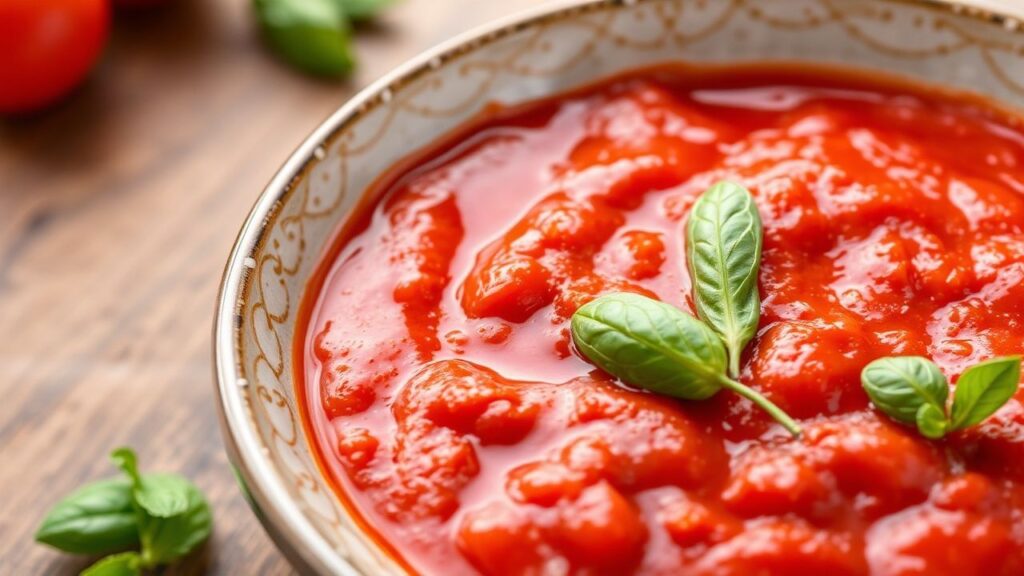
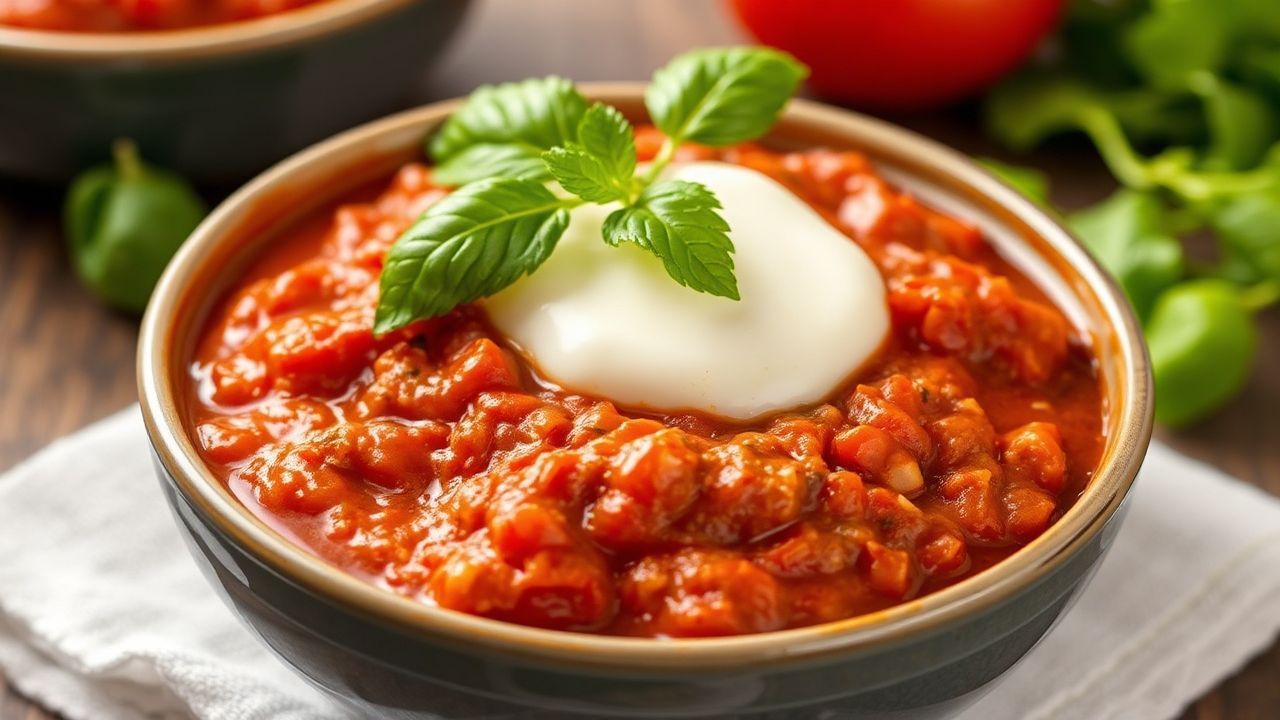
Keto Marinara Sauce is a low-carb remake of classic tomato sauce. You still get the signature tang from tomatoes, plus savory depth from onion, garlic, and olive oil. You also avoid common sugar traps so the sauce stays aligned with keto macros.
For a factual baseline, tomatoes contain natural sugars, but carb totals differ by brand, variety, and processing. That is why reading labels matters. For more background on tomatoes and nutrition, see tomato.
Prep and Cook Time
You can finish this keto marinara sauce without special tools. Most of the time comes from a gentle simmer that builds a deeper tomato taste.
- Readiness: 10 minutes
- Cooking: 30 minutes
- Total Time: 40 minutes
Yield and Difficulty
This recipe makes about 4 servings, which works well for meal prep. Store extra sauce and reheat it fast for weeknight meals.
- Yield: ~4 servings
- Difficulty: Easy
Key Ingredients for Low-Carb Marinara Flavor
The ingredient list here aims for two outcomes: a classic Italian profile and better keto friendliness. Choose ingredients that bring flavor without added sugars or carb-heavy thickeners.
Start with a tomato base you trust. If you want a tomato-forward taste, San Marzano-style tomatoes often deliver a naturally rich flavor. For culinary context on Italian sauces, you can review marinara sauce.
- 2 tbsp olive oil — creates a smooth, savory base with healthy fats.
- 1 medium onion, finely chopped — adds sweetness and body in small amounts.
- 4 garlic cloves, minced — gives that classic aromatic bite.
- 28 oz canned San Marzano tomatoes, crushed — use no-sugar-added when possible.
- 1 tbsp tomato paste — intensifies tomato taste.
- 1 tsp dried oregano — adds the signature herb backbone.
- 1 tsp dried basil — rounds out the Italian flavor.
- ½ tsp red pepper flakes (optional) — adds heat without carbs.
- Salt and black pepper to taste.
- Fresh basil leaves for garnish.
If you track keto macros closely, keep an eye on ingredients that can act like hidden carbs. Tomato paste and canned tomatoes sometimes include added sugar, depending on the brand. For nutrient context on fats used in keto cooking, see olive oil.
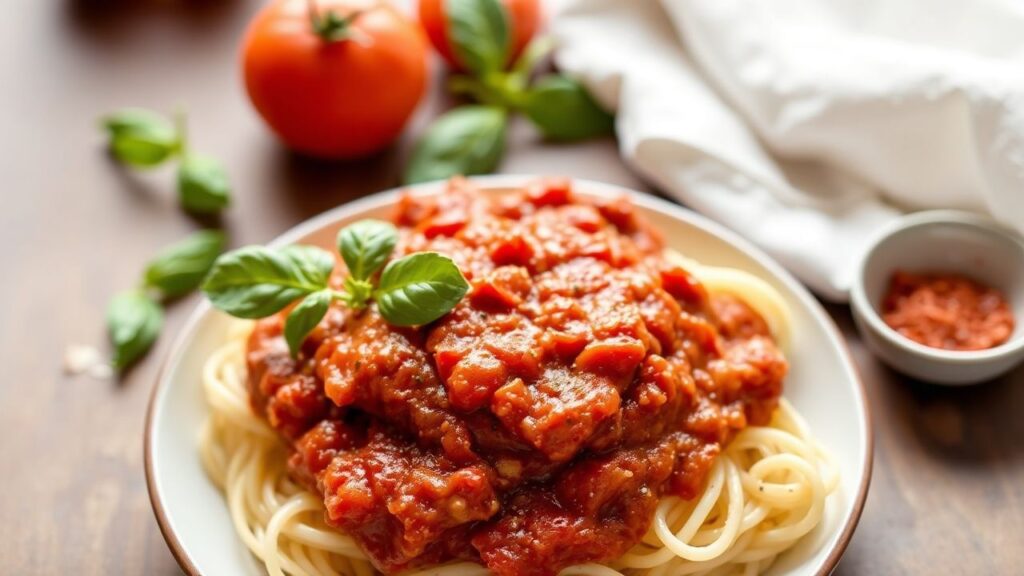
Step by Step Guide to Make Keto Marinara Sauce
Follow these steps in order for the best balance of aroma and texture. Each step builds flavor without adding sugar or thickener.
Use medium heat and stir often. If anything darkens too fast, lower the heat and keep going. Tomato sauces taste better when they cook gently instead of rushing.
- Heat the olive oil in a medium saucepan over medium heat. When it shimmers, add the chopped onion.
- Sauté the onion until translucent and lightly golden, about 5–7 minutes. Stir occasionally to avoid sticking.
- Add the garlic and cook 1–2 minutes until fragrant. Stop before it browns.
- Stir in the tomato paste and cook for about 2 minutes. This step deepens the tomato flavor.
- Pour in the crushed tomatoes and stir to combine. Break large chunks for a smoother sauce.
- Season with oregano, basil, red pepper flakes (optional), salt, and black pepper. Mix until herbs look evenly distributed.
- Simmer on low heat for 20–25 minutes uncovered. Stir every few minutes to prevent scorching.
- Adjust the texture if needed. For a silkier sauce, blend briefly with an immersion blender.
- Finish and rest off the heat for 5 minutes. This helps the flavors settle before serving.
WARNING: Avoid flour or cornstarch to thicken this sauce. Those thickeners add starch and usually increase net carbs, which can push the sauce outside keto targets. Instead, simmer to reduce and concentrate.
To understand simmering and sauce reduction, it helps to know how heat changes flavor concentration. Wikipedia’s overview of reduction (cooking) covers the same principle you use here: gentle water loss creates stronger flavor.
How to Balance Acidity Without Breaking Keto
Tomatoes vary in acidity by variety and processing. If your keto marinara sauce tastes too tangy, start with small corrections. Heat retention also matters, so taste after simmering, not during the first 5 minutes.
Try a pinch of keto-friendly sweetener only if needed. Some cooks prefer erythritol because it can sweeten without the same sugar impact. For general background on sweeteners and sugar alcohols, see sugar alcohol.
Texture Options: Chunky vs. Smooth
If you like a rustic marinara, keep it chunky and simply break up the tomatoes at step 5. If you want a pizza-ready sauce, blending makes it spread more evenly.
For best control, blend for 10–20 seconds, then stop. Over-blending can make the sauce too smooth and heavy. After blending, simmer 2–3 minutes to re-thicken gently.
Tips for Success (Flavor, Carb Control, and Storage)
Small tweaks improve both flavor and macro friendliness. Use these tips as a checklist the next time you make keto marinara sauce.
- Choose no-sugar-added tomatoes when available. Labels matter more than brand reputation.
- Simmer uncovered to reduce water and intensify flavor.
- Don’t overdo onion if you track carbs tightly. Onion adds flavor, but portion control keeps net carbs steady.
- Make ahead for stronger tomato taste after 24 hours.
For storage, cool the sauce quickly and refrigerate in a covered container. It keeps several days when chilled promptly. If you freeze, portion into small containers so you can thaw only what you need.
For safe food storage fundamentals, you can review refrigeration. This helps you apply safe cooling and reheating practices you already know from everyday cooking.
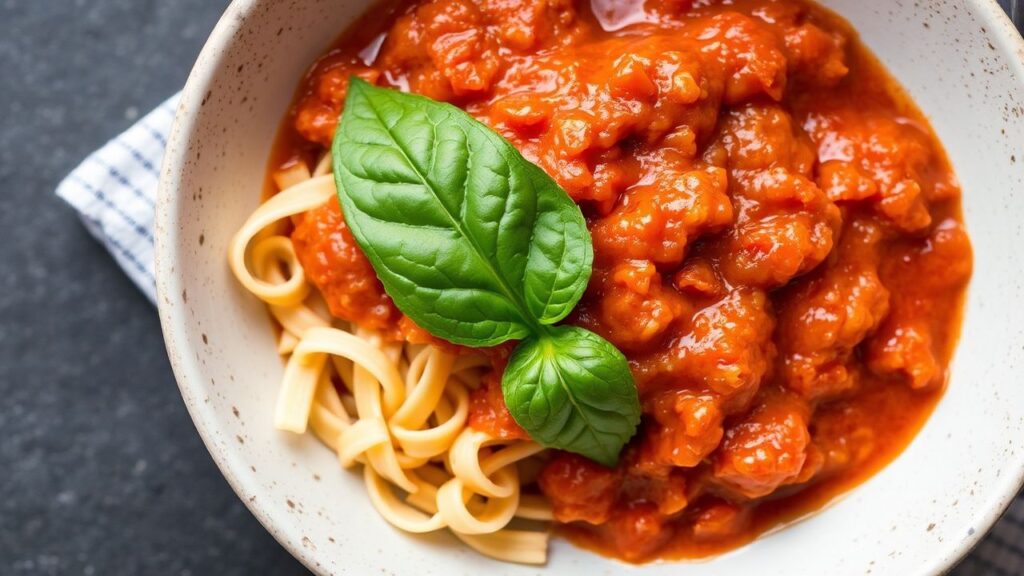
Creative Serving Ideas for Keto Marinara Sauce
This keto marinara sauce works as a base and as a finishing sauce. Use it where you would normally use marinara, but keep your side dishes low in starch.
Also, keep portion sizes in mind when combining it with other carb-containing ingredients. The sauce tastes bold, so you can usually use a smaller amount than you think.
- Zucchini noodles: Warm the noodles, then toss with sauce for a quick, fresh meal.
- Chicken parmesan-style bake: Bake chicken with melted mozzarella and this sauce.
- Eggplant stacks: Roast eggplant, layer with keto marinara, and top with Parmesan.
- Meatball dipping sauce: Serve meatballs with extra sauce for dunking.
- Cauliflower crust pizza: Spread sauce thinly, add cheese, and top with keto-friendly toppings.
For a deeper look at the science of sauces and flavor transfer, see sauce. That overview explains why oil, acid, and seasoning need time to blend into a stable taste.
Pairing Ideas That Match Keto Macros
Pairing matters because marinara carries acidity. Choose protein and fat-forward foods like chicken, turkey, beef, mozzarella, or parmesan so the meal feels balanced.
If you serve it with vegetables, pick low-starch options like zucchini, mushrooms, spinach, or cauliflower. This keeps carbs predictable without dulling the meal.
Nutritional Snapshot
Nutrition changes with ingredient brands and how much onion you use. Use the table below as a reasonable estimate for planning.
Estimated values for ½ cup serving:
| Nutrient | Per ½ cup serving |
|---|---|
| Calories | 70 |
| Protein | 2g |
| Net Carbs | 5g |
| Fat | 5g |
FAQ
Here are fast answers to common questions about keto marinara sauce. Use these notes to fine-tune flavor and carb control.
What makes keto marinara sauce different from traditional marinara?
The difference is mostly carbohydrate control. Many traditional marinara recipes include added sugar or use thickening methods that can raise carbs. A keto marinara sauce focuses on no-sugar-added tomatoes and simmering for natural concentration.
Can I still get the classic tang on keto?
Yes. Tomatoes naturally provide acidity, and herbs plus garlic build the classic profile. If the sauce tastes too sharp, balance with a small amount of fat or a tiny pinch of keto-friendly sweetener.
Do I need tomato paste for this recipe?
Tomato paste boosts tomato depth and helps the sauce taste “restaurant-style.” You can skip it in a pinch, but the flavor may feel flatter. If you keep it, measure about 1 tablespoon for the right intensity.
How can I thicken keto marinara without flour?
Simmer longer and keep the pot uncovered. Reduction thickens the sauce through water loss, not added starch. If you want extra body, blend part of the sauce for a more cohesive texture.
How long does keto marinara sauce last in the fridge?
When stored properly in a sealed container in the refrigerator, it typically stays good for several days. Freeze portions if you want to extend storage and reduce food waste.
Now you can enjoy keto marinara sauce with the same comforting tomato character you love—just tuned for low-carb cooking. Make a batch, simmer it gently, and let the flavors rest. Then serve it over your favorite keto meals for a satisfying Italian-inspired bite.
See also: keto marinara