

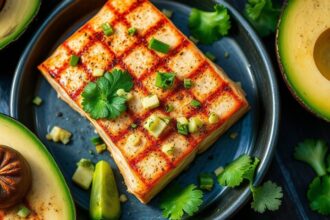
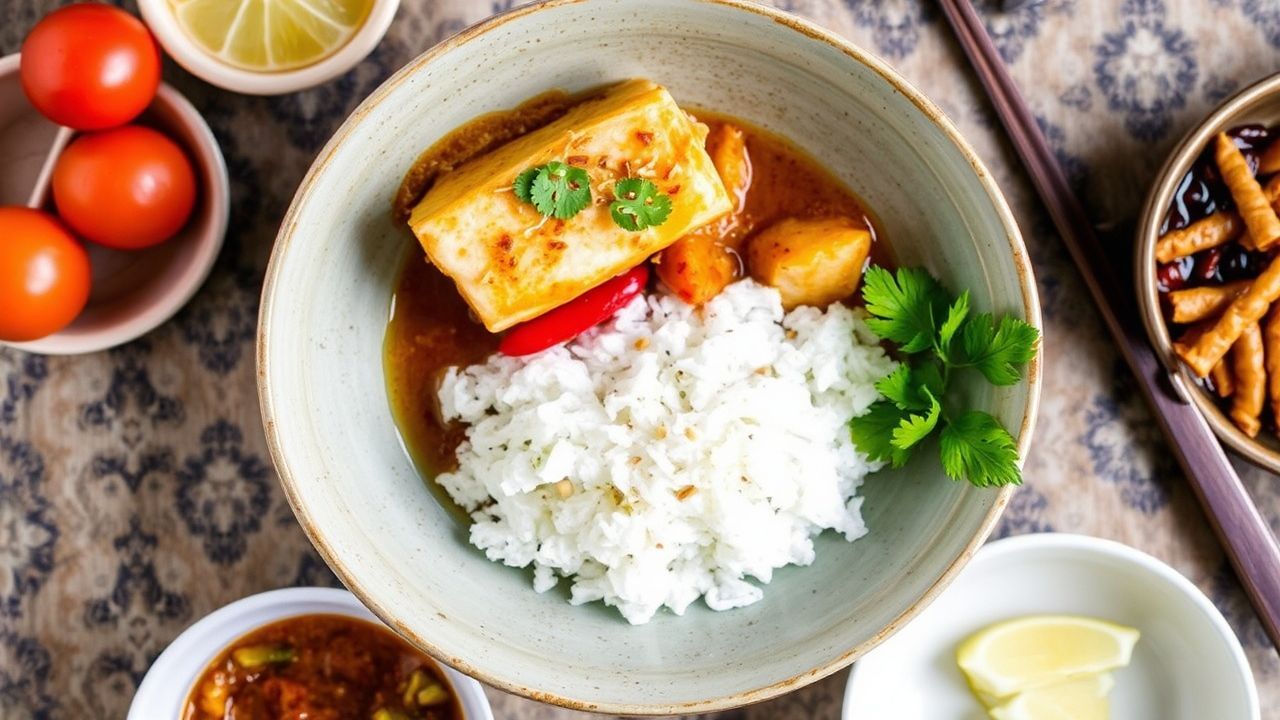
Tamarind spicy fish curry delivers bright, layered heat because tamarind adds natural acidity while spices build aroma fast. When you cook it in the right order, the sauce feels lively instead of heavy, and the fish stays tender.
- Spicy & Sour Tamarind Fish Curry: Why It Tastes “Bright”
- Core Strategy: Aroma First, Then Tamarind, Then Coconut Milk
- Ingredient Choices That Prevent the 3 Biggest Curry Problems
- Pick Fish That Holds Shape
- Tamarind Pulp vs. Concentrate: Keep the Texture Smooth
- Spices: Toast Carefully to Avoid Bitter Notes
- 50-Minute Tamarind Spicy Fish Curry Recipe (Serves 4)
- Step-by-Step Instructions (Simple, Reliable, Fast)
- 1) Make Tamarind Extract
- 2) Toast Cumin Seeds
- 3) Brown the Onion
- 4) Bloom Ginger, Garlic, and Chilies
- 5) Bloom Ground Spices
- 6) Add Tamarind and Simmer
- 7) Add Coconut Milk Slowly
- 8) Season and Meld Flavors
- 9) Cook the Fish Gently
- 10) Finish With Lime and Garnish
- Flavor Tuning: Fix Sourness, Salt, and Heat Without Starting Over
- Texture Rules: Keep Fish Moist and Tamarind Sauce Glossy
- Expert Insight: Lock In Bright Tamarind Flavor by Timing the Simmer
- Serving Suggestions That Encourage Seconds
- Nutritional Snapshot (Approximate Per Serving)
- FAQ
At a Glance
- Core flavor: tamarind tang + chili warmth + toasted spice depth
- Best fish: firm white fillets that hold shape
- Key method: simmer tamarind first, then add coconut milk gently
- Time: ~50 minutes from start to serving
Spicy & Sour Tamarind Fish Curry: Why It Tastes “Bright”
Spicy tamarind fish curry works because two forces balance each other: chili heat and fruit-acid tang. Tamarind brings organic acids that sharpen the palate and lift the flavor of tender fish.
You also build depth step by step. Aromatics and toasted spices release fat-soluble aroma, then tamarind simmers and rounds into a clean sour note. Coconut milk later smooths the sauce into a glossy finish.
Core Strategy: Aroma First, Then Tamarind, Then Coconut Milk
This curry tastes restaurant-level when you respect the cooking order. First, you bloom whole spices and soften onion so the base turns sweet and fragrant.
Next, you add ginger, garlic, and chilies briefly to release aroma without browning garlic hard. After that, you simmer tamarind long enough to concentrate tang, then add coconut milk at low heat to avoid separation.
If you want a science-backed reference for why acids and fats blend in sauces, review emulsion. Coconut milk behaves like an emulsion, so gentle heat keeps it stable.
What Tamarind Does to Fish (And Why It Works)
Tamarind contains naturally occurring acids that change how we perceive taste. Sourness makes fatty flavors feel lighter, while spices still read clearly in each bite.
When you soak tamarind pulp, you pull flavor compounds into water. Simmering concentrates them and helps the sour note integrate with browned onion and toasted spices.
For broader context on sour flavors in cooking, see sourness.
Ingredient Choices That Prevent the 3 Biggest Curry Problems
Most fish curry failures follow the same pattern: watery sauce, gritty tamarind, or overcooked fish. You can avoid all three with smart ingredient choices and controlled heat.
Use firm white fish, strain tamarind well, and treat coconut milk like a delicate sauce ingredient. That combination keeps the curry silky and the fish flaky but moist.
Pick Fish That Holds Shape
Choose cod, snapper, kingfish, or other firm white fillets. Cut into evenly sized chunks so each piece cooks at the same rate.
Smaller chunks cook faster but dry out sooner if you simmer too long. Larger chunks stay tender but need steady, gentle cooking. Aim for pieces about 2–3 cm wide.
Tamarind Pulp vs. Concentrate: Keep the Texture Smooth
Tamarind pulp gives flexible flavor control when you soak and strain it. Straining removes fibers and seeds so the sauce stays smooth and glossy.
If you use concentrate, dissolve it fully in warm water and taste early. Concentrates vary in strength, so you should rely on taste after the simmer, not only on measurements.
For background on tamarind as a fruit, review tamarind.
Spices: Toast Carefully to Avoid Bitter Notes
Whole cumin seeds toast quickly and release warm, nutty aroma. If you over-toast, cumin can taste bitter and smoky, and that clashes with tamarind’s clean tang.
Toast cumin just until fragrant, usually 20–40 seconds. Then move fast and add onion so the spices stop cooking in the hot oil.
For spice behavior in cooking, see spices.
50-Minute Tamarind Spicy Fish Curry Recipe (Serves 4)
This recipe targets balanced heat and a clear tamarind tang. You can adjust chili up or down, but keep the sour-to-sweet balance by tasting after the tamarind simmer.
Plan the workflow so the sauce finishes first. Then cook fish last so it stays moist and tender, even in an acidic simmer.
Prep & Cook Plan
Prep: ~20 minutes (tamarind extract, aromatics, fish cut)
Cook: ~30 minutes (curry base + fish simmer)
Total: ~50 minutes
Ingredients
Fish: 600 g firm white fish fillets, cut into chunks
Tamarind: 3 tbsp tamarind pulp, soaked in 1/2 cup warm water and strained
Oil: 2 tbsp vegetable oil (coconut or mustard oil for richer aroma)
Aromatics: 1 large onion, finely sliced; 4 garlic cloves, crushed; 1 inch ginger, grated; 2–3 green chilies, slit lengthwise
Spice mix: 1 tsp turmeric; 2 tsp red chili powder (adjust); 1 tsp coriander powder; 1 tsp cumin seeds
Body: 400 ml full-fat coconut milk
Seasoning: salt to taste; fresh coriander leaves for garnish; optional juice of 1 lime
[WARNING]Pro-Caution: Coconut Milk Can Split if You Boil Hard
Once coconut milk goes in, keep heat gentle. A hard boil can make the curry look oily or slightly separated, and that ruins the glossy texture you want.
Stir occasionally, but skip aggressive bubbling. Treat coconut milk like sauce, not like water.
For extra accuracy on how heat affects thickened mixtures, you can also read about cooking methods and how simmering differs from boiling.
Step-by-Step Instructions (Simple, Reliable, Fast)
Follow these steps so flavors stay distinct. When you rush stages, you often get uneven results, like sharp sourness in one bite and dull spice in the next.
Use medium heat for the base. Then lower the heat when adding tamarind and coconut milk so the sauce stays smooth.
1) Make Tamarind Extract
Soak tamarind pulp in warm water for about 10 minutes. Stir, then strain through a fine mesh to remove fibers.
Set the strained liquid aside. If you need to adjust sourness later, reserve a small backup by measuring what you extracted.
2) Toast Cumin Seeds
Warm the oil in a heavy-bottom pan over medium heat. Add cumin seeds and toast 20–40 seconds until fragrant.
Move immediately to the next step so cumin does not burn. Burned cumin creates bitterness that fights tamarind’s clean tang.
3) Brown the Onion
Add sliced onion and sauté until golden brown, 8–10 minutes. Stir often to prevent sticking and scorching.
This step creates sweetness that balances tamarind acidity and softens chili warmth. Skipping it makes the curry taste one-note.
4) Bloom Ginger, Garlic, and Chilies
Add ginger, crushed garlic, and slit green chilies. Cook 2–3 minutes until fragrant.
Keep garlic from browning too hard. Burnt garlic turns acrid and can overpower the bright sour profile.
5) Bloom Ground Spices
Add turmeric, red chili powder, and coriander powder. Stir constantly for 1–2 minutes.
This blooming step drives off raw spice notes. As a result, the sauce tastes deeper instead of flat or “powdery.”
6) Add Tamarind and Simmer
Pour in the strained tamarind extract. Bring to a gentle simmer and cook about 5 minutes.
This simmer concentrates tang and helps it merge with the onion-spice base. Keep bubbles small and controlled.
7) Add Coconut Milk Slowly
Lower the heat. Add coconut milk slowly while stirring so it integrates smoothly.
Warm through for 3–5 minutes. Do not boil aggressively, or the sauce can separate.
8) Season and Meld Flavors
Add salt to taste, then simmer 5 minutes more. Taste and check balance at this stage.
If it tastes too sharp, simmer 2 minutes longer or add a touch more coconut milk next time. If it tastes dull, add a tiny splash of lime at the end.
9) Cook the Fish Gently
Add fish chunks carefully into the simmering curry. Cover and cook 8–10 minutes.
Avoid vigorous stirring. Instead, spoon sauce over fish once or twice so each piece cooks evenly.
10) Finish With Lime and Garnish
Turn off heat. If you want extra brightness, squeeze in lime juice and stir once.
Top with fresh coriander leaves. Serve immediately so the sauce stays vibrant.
If you want a helpful read on why acids taste sharper at the right moment, check acids. Timing matters because flavor perception changes as the sauce reduces.
Flavor Tuning: Fix Sourness, Salt, and Heat Without Starting Over
Even tamarind brands and harvest batches vary. That means the same tablespoon amount can taste different, so tasting guides your adjustments.
Make changes in small steps and simmer briefly so flavors integrate. Fast fixes work, but only if you control heat and time.
If It Tastes Too Sour
Add more coconut milk, 1–2 tablespoons at a time. Then simmer 2–3 minutes so the sauce smooths sharpness.
Also check onion browning. Less browning can make sourness feel more intense because sweetness did not build enough.
If It Tastes Bland
Add salt gradually, then taste again. Fish curry needs seasoning throughout the sauce, not only on top.
If salt does not fix it, add a small splash of tamarind liquid or lime and simmer 1–2 minutes. Re-taste after the simmer.
If It’s Too Spicy
Reduce chili powder next time and remove some chili seeds when you slit chilies. Seeds concentrate heat.
For now, add a little more coconut milk and simmer gently. It rounds the chili edge without hiding tamarind.
Texture Rules: Keep Fish Moist and Tamarind Sauce Glossy
Fish overcooks quickly in acidic sauces. That does not mean you must skip tamarind; it means you must cook fish for the right time.
Follow the method and keep heat gentle. Then the fish stays tender while the tamarind sauce stays glossy and cohesive.
When Fish Starts to Flake Too Much
Lower the heat immediately and cover longer rather than stirring aggressively. Carryover heat finishes the pieces gently.
If it breaks apart, do not panic. Light flaking can thicken the curry naturally, but you should avoid over-stirring.
Resting and Reheating
Fish curry tastes even better after 10–20 minutes because flavors settle. If you plan ahead, cook fish slightly under and finish at serving heat.
Reheat gently with a splash of water or coconut milk to loosen the sauce. Hot reheat at high flame can toughen fish.
[TIP]Expert Insight: Lock In Bright Tamarind Flavor by Timing the Simmer
Start the fish only after the tamarind simmers 5 minutes and the sauce smells like deep, rounded tang. If tamarind still smells sharp and watery, simmer 1–2 minutes longer before coconut milk.
This timing controls whether tamarind tastes bright or harsh. It also protects fish texture, since you add fish after the most acidic reduction.
Serving Suggestions That Encourage Seconds
Serve this tamarind spicy fish curry hot and steamy so the tang reads clearly in the center of the bowl. Warm sauce also keeps flavors vivid and stops coconut from feeling heavy.
Choose rice that holds heat well so each spoonful pairs cleanly with grains.
Best Pairings
Rice: basmati or steamed jasmine rice. Rice absorbs sauce without turning mushy.
Alternatives: soft naan or lightly toasted bread for scooping.
Fresh Contrast
Add a cucumber salad with salt and lime to cut through curry richness. A cooling side makes tamarind tang feel more precise.
You can also serve pickled onions for crunch and extra acidity contrast.
Nutritional Snapshot (Approximate Per Serving)
Calories depend on fish type and coconut milk brand, but this tamarind spicy fish curry often lands in a moderate protein-forward range. The fats come mainly from coconut milk, and carbs come mostly from rice.
Approximate per serving: 320 kcal • Protein 35 g • Carbs 10 g • Fat 15 g
FAQ
Can I use tamarind concentrate instead of pulp?
Yes. Dissolve concentrate in water, then taste early. Concentrates vary in strength, so start smaller and adjust after the tamarind simmer.
Strain if you notice any particles, and keep your simmer gentle so the sauce stays smooth.
What fish works best for tamarind spicy curry?
Firm white fish holds shape best, like cod, snapper, kingfish, or similar fillets. Avoid very delicate fish unless you shorten cooking time.
Even chunks matter, because even cooking prevents dry edges.
When should I add coconut milk?
Add coconut milk after you simmer the tamarind extract. This order lets sourness concentrate first, then coconut smooths the sauce.
Keep heat gentle once coconut goes in to protect texture.
How do I prevent a gritty tamarind texture?
Strain tamarind pulp thoroughly through a fine mesh. If you still notice grit, strain again with a finer strainer.
Also avoid unsoaked tamarind chunks in the sauce.
Can I make this curry ahead?
Yes. Cook the sauce ahead and reheat gently. Add fish closer to serving time for the best texture and less flaking.
If you store fully cooked curry, reheat carefully and avoid high heat to reduce further fish breakdown.
See also: tamarind fish curry