
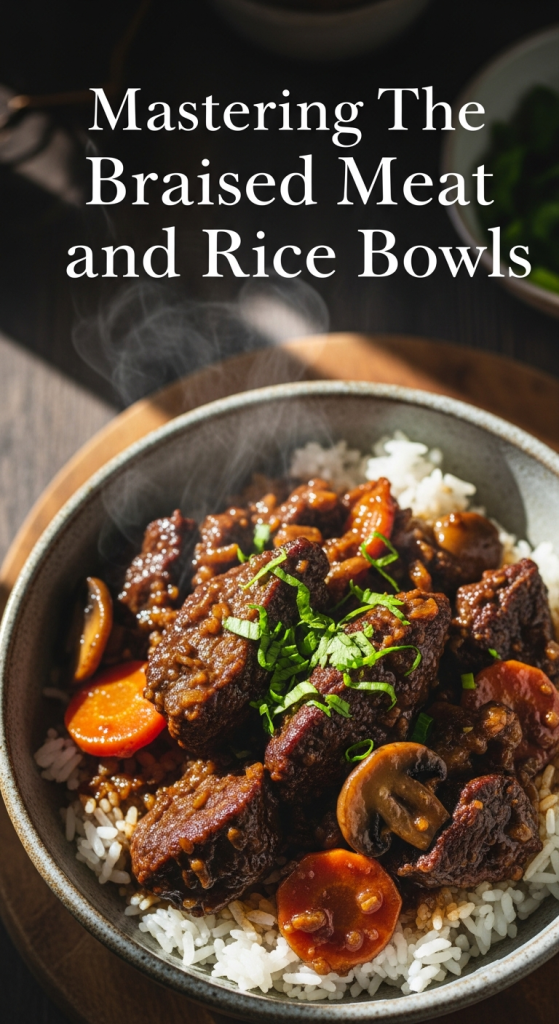
There’s a magic that happens when tender, slow-cooked meat meets fragrant, perfectly seasoned rice-a harmony of flavors and textures that comfort the soul and delight the palate. Braised meat and rice bowls have long been cherished across cultures for their hearty richness and satisfying depth, transforming humble ingredients into unforgettable meals.
In this article, we’ll unravel the secrets behind mastering this beloved combination, exploring techniques, flavor profiles, and creative twists that elevate every bowl into a culinary masterpiece. Whether you’re a seasoned cook or a curious foodie,get ready to savor the flavor and bring the art of braised meat and rice bowls into your kitchen.
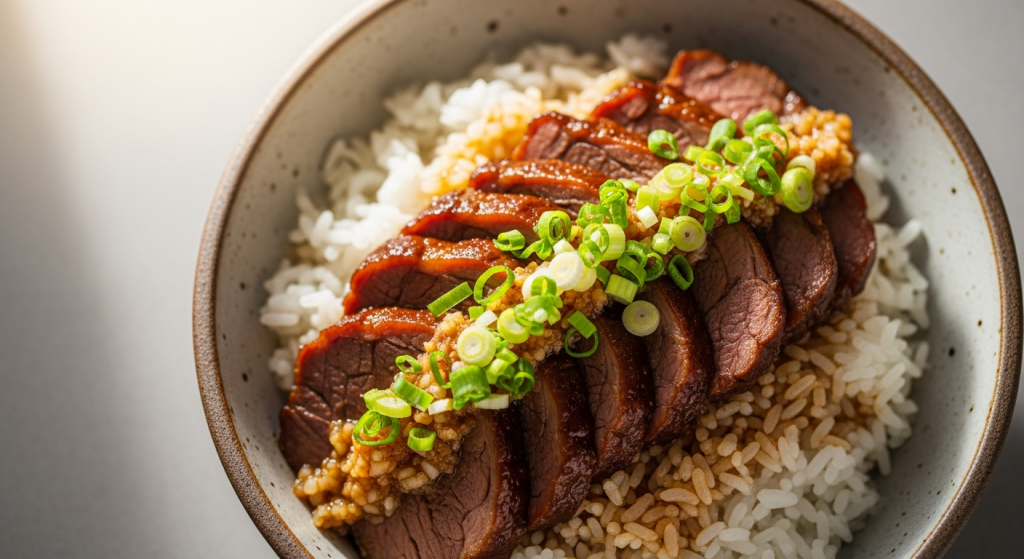
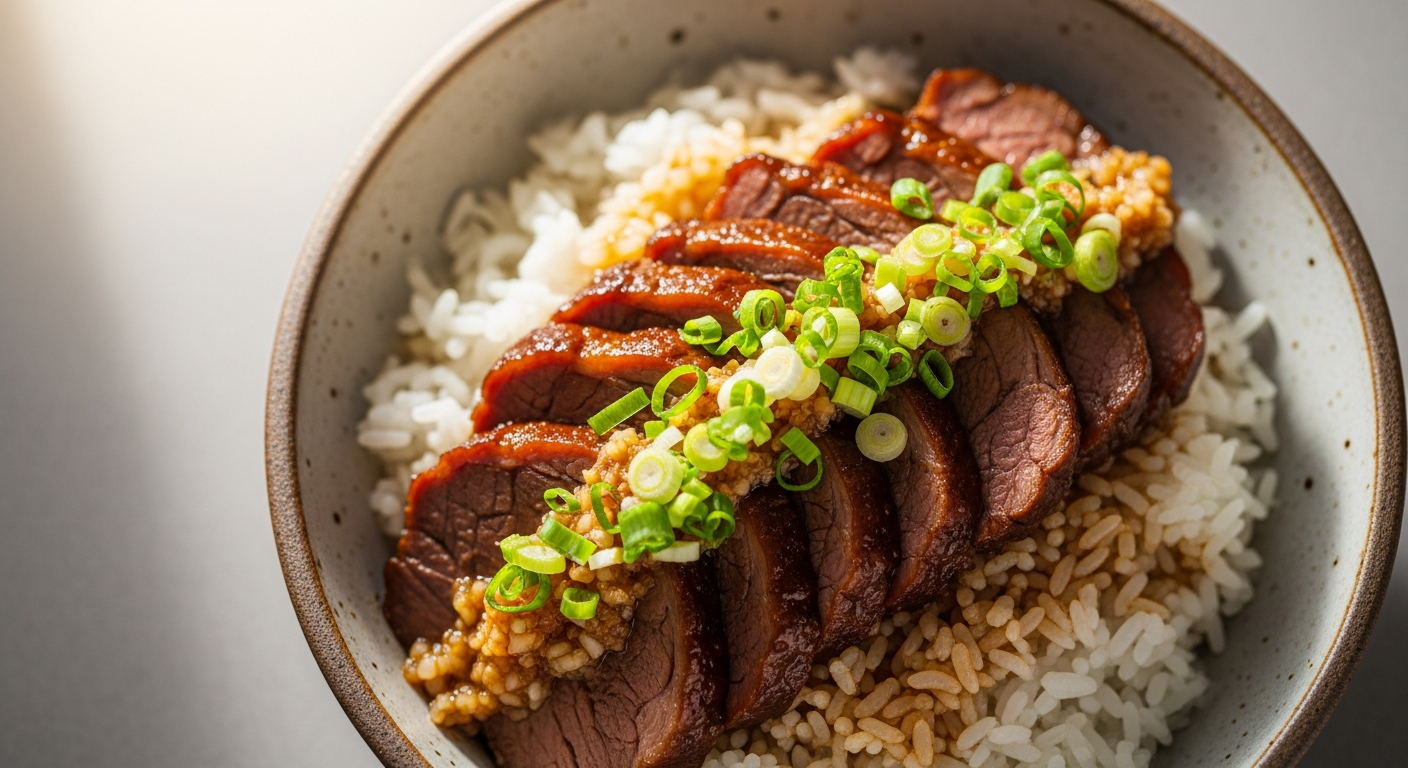
Savor the flavor with expertly braised meat that melts effortlessly on the tongue, infused with aromatic layers that tell a story of time and passion. Every juicy bite reveals the magic behind selecting the right cut, building deep flavor foundations, and mastering slow, tender cooking. This journey not only celebrates the essence of braising but also transforms leftover treasures into vibrant rice bowl creations that elevate simple meals into memorable feasts.
Prep and Cook Time
- Preparation: 20 minutes
- Cooking: 2 hours 30 minutes
- Total Time: 2 hours 50 minutes
Yield
Serves 6 comfortably
Difficulty Level
Medium – perfect for cooks wanting to deepen their skills and enjoy rewarding results
Ingredients
- 3 lbs beef chuck roast, cut into 3-inch cubes
- 2 tbsp olive oil
- 1 large yellow onion, thinly sliced
- 3 garlic cloves, minced
- 2 medium carrots, peeled and chopped
- 2 stalks celery, chopped
- 1 cup low-sodium beef broth
- 1 cup crushed tomatoes
- 2 tbsp tomato paste
- 1 tbsp soy sauce
- 2 sprigs fresh thyme
- 1 bay leaf
- Salt and freshly ground black pepper, to taste
- fresh parsley, chopped (for garnish)
- Steamed jasmine or short grain rice, for serving
Instructions
- Choose the perfect cut: Start by patting your beef chuck dry with paper towels. This cut thrives from slow braising due to its marbled fat and connective tissue that break down into luscious tenderness.
- Season and sear: Generously season the meat with salt and pepper.Heat olive oil in a heavy-bottomed Dutch oven over medium-high heat. Brown the beef cubes in batches, ensuring a deep golden crust develops-about 3-4 minutes per side. Transfer to a plate.
- Sauté aromatics: In the same pot, add onions, carrots, and celery. cook for 6-8 minutes until fragrant and softened, stirring occasionally so nothing sticks or burns. Add garlic last, cooking for an additional minute.
- Build the braising liquid: Stir in tomato paste and cook for 2 minutes to caramelize slighty. Pour in beef broth,crushed tomatoes,and soy sauce,scraping the browned bits from the bottom-this fond is pure flavor gold.
- Add herbs and beef: Toss in thyme sprigs and the bay leaf. Return the seared beef chunks along with any juices to the pot. Ensure the liquid covers about two-thirds of the meat.
- Simmer low and slow: bring to a gentle simmer, then cover with a tight-fitting lid. Reduce heat to low and let braise for approximately 2-2.5 hours, turning meat occasionally for even tenderness. The meat should be fork-tender and richly flavorful.
- Final touches: Remove the bay leaf and thyme stems. Adjust seasoning with salt and pepper. For a thicker sauce, briefly uncover and let the liquid reduce over medium heat until desired consistency.
- Serve and store: Ladle the succulent braised meat over steaming rice. Garnish with fresh parsley for a burst of color and brightness.
Tips for Success
- Cut selection: Tough cuts like beef chuck, short ribs, or brisket are ideal for braising due to their collagen content that melts into gelatinous richness during cooking.
- Layer aromatics: Don’t rush the sautéing step. A well-caramelized base of onions and vegetables is the foundation for depth and complexity.
- Control your heat: Keep the simmer low to prevent toughening meat and over-reduction of liquids. patience yields juicy tenderness.
- Make ahead: Flavor deepens overnight-braised meat frequently enough tastes better the next day. Reheat gently over low heat.
- Go gluten-free: Swap soy sauce for tamari for a gluten-free alternative that doesn’t compromise umami.
Transforming Leftover Braised meat into Irresistible Rice Bowl Creations
Leftover braised meat is a culinary treasure waiting to shine anew. Simply reheat shredded leftovers and layer over warm rice bowls with vibrant accompaniments-think quick-pickled cucumbers, crisp scallions, toasted sesame seeds, and a drizzle of chili oil or a squeeze of fresh lime. Add steamed or roasted seasonal vegetables to build color and texture contrast, turning every bowl into a satisfying, crave-worthy meal.
Serving Suggestions
- Serve alongside fragrant steamed jasmine rice, which soaks up the braising sauce beautifully.
- Top with freshly chopped parsley or cilantro for freshness and visual appeal.
- Pair with simple steamed greens or a crunchy kimchi to cut through richness and add brightness.
- Offer pickled vegetables or a light slaw for textural contrast and added acidity.
| Nutrient | Per Serving |
|---|---|
| Calories | 420 kcal |
| Protein | 36 g |
| Carbohydrates | 12 g |
| Fat | 25 g |
Discover more about choosing the perfect beef cuts | Serious Eats Braising Guide
Q&A
Q&A: Savor the Flavor: Mastering Braised Meat and Rice bowls
Q1: What makes braising such a perfect technique for creating mouthwatering meat for rice bowls?
A1: Braising is a gentle cooking method that uses low, slow heat and a flavorful liquid to transform tougher cuts of meat into tender, juicy morsels bursting with flavor.The slow simmer breaks down connective tissues, infusing the meat with aromatic spices and savory depth. This melt-in-your-mouth texture perfectly complements fluffy rice, making every bite a harmonious blend of comfort and sophistication.
Q2: Can braising be adapted to different types of meat in rice bowls?
A2: Absolutely! Braising is incredibly versatile. Beef chuck, chicken thighs, lamb shanks, or even turkey drumsticks shine under this technique. Each brings its unique character-beef’s rich savor, chicken’s tender juiciness, lamb’s earthy warmth-allowing you to tailor your rice bowl’s flavor profile to your mood or occasion.
Q3: How do the choice of liquid and aromatics influence the final taste of braised meat?
A3: The braising liquid is the heartbeat of flavor. Broth, coconut milk, soy sauce-based mixtures, or spiced tomato sauces act as flavor carriers, infusing the meat during cooking. Aromatics like garlic, ginger, star anise, cinnamon, and bay leaves add layers of complexity, turning a simple pot into a fragrant symphony that seeps into every grain of rice.
Q4: What’s the secret to achieving the perfect balance between the meat and rice components in these bowls?
A4: It’s all about harmony. The rice should be fluffy and lightly seasoned, serving as a comforting canvas for the richly braised meat. A splash of the braising liquid as a sauce ties everything together. Adding fresh elements-pickled vegetables,herbs,or crisp greens-introduces brightness and texture,elevating the bowl from hearty to heavenly.
Q5: How can home cooks elevate their braised meat and rice bowls with simple garnishes?
A5: Garnishes are the sprinkles of magic that awaken the senses. Think toasted sesame seeds for nuttiness, a drizzle of chili oil for a subtle kick, fresh cilantro or scallions for herbal brightness, or crunchy fried shallots for texture contrast. These finishing touches add personality and crunch, making your bowls as visually stunning as they are delicious.
Q6: Are there tips for efficient braising when short on time?
A6: Yes! While traditional braising thrives on patience, you can speed things up by cutting meat into smaller chunks-this reduces cooking time and allows quicker flavor absorption. Using a pressure cooker or Instant Pot is another great shortcut,delivering tender,flavorful results in a fraction of the time without sacrificing depth.
Q7: How can one creatively customize braised meat and rice bowls for different culinary traditions?
A7: The beauty of braised meat and rice bowls lies in their adaptability. Swap in spices and herbs to echo desired cuisines-add turmeric and coconut milk for a Southeast Asian flair, cumin and coriander for Middle Eastern vibes, or soy sauce and ginger for East Asian inspiration. Pair with regionally inspired toppings or side dishes to craft a globally inspired feast from one cooking technique.
Q8: What’s the best way to store and reheat braised meat and rice bowls without losing flavor or texture?
A8: Store braised meat separately from rice to maintain ideal textures. Keep both refrigerated in airtight containers and reheat gently-use a covered skillet over low heat for the meat to preserve moisture, and steam or microwave the rice with a sprinkle of water to keep it fluffy. This ensures leftovers retain their savor and tenderness, ready to delight again.
To sum up
As the rich aroma of tender, slow-cooked meat mingles with the comforting warmth of perfectly seasoned rice, you begin to understand that mastering braised meat and rice bowls is more than just a cooking technique-it’s an art form that transforms humble ingredients into soul-satisfying meals.
With a foundation of patience, quality ingredients, and a few key secrets, you’re now equipped to create dishes that invite friends and family to gather around, savor every bite, and celebrate the simple joy of hearty, home-cooked flavor. So go ahead-embrace the slow simmer, explore bold spices, and let your kitchen become a haven where every bowl tells a story worth tasting.