
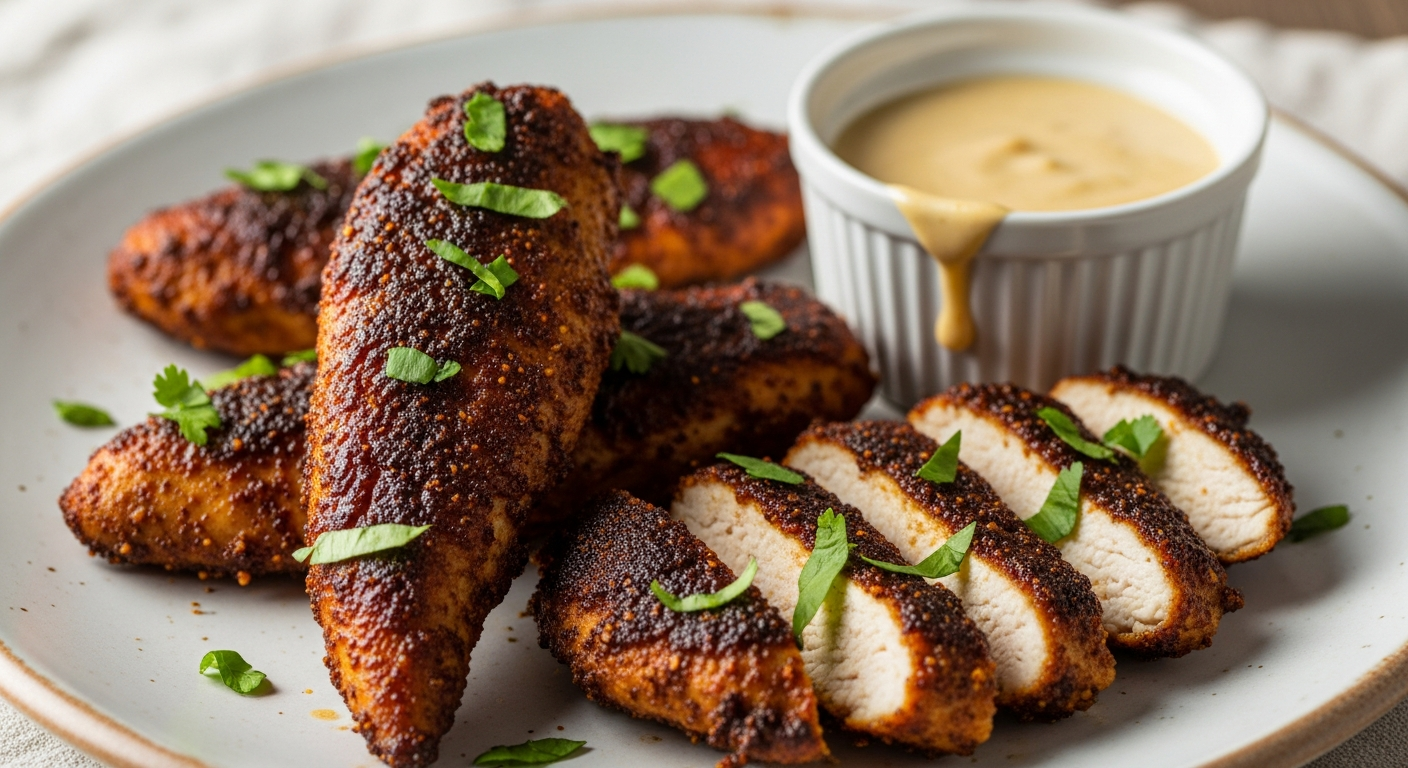
When it comes to bold, mouthwatering flavors that ignite the senses, few dishes deliver quite like blackened chicken tenders. Crispy on the outside, juicy on the inside, and bursting with a symphony of smoky spices, this Southern classic has won hearts far beyond its Louisiana roots. But what truly elevates blackened chicken tenders from good to unforgettable?
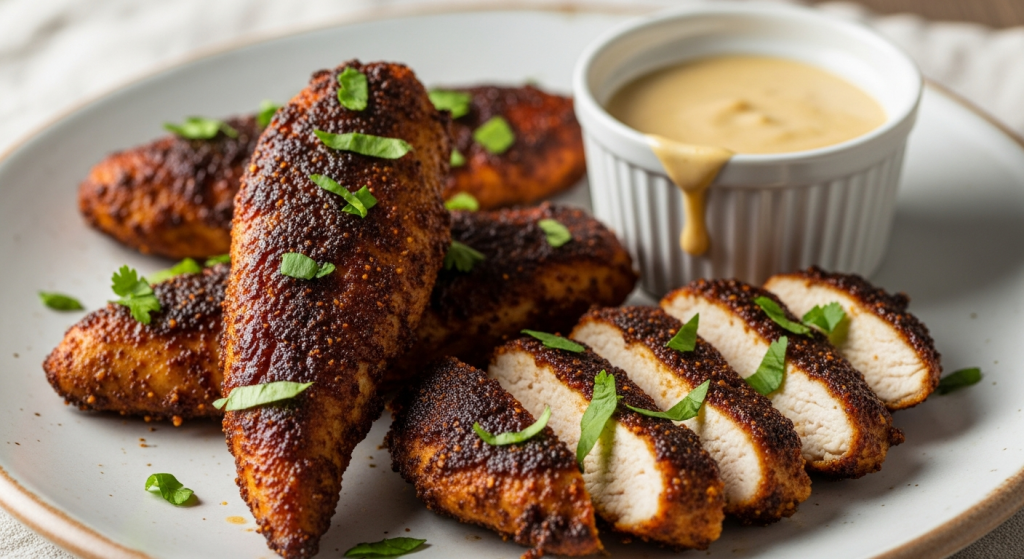
In this article,we’ll peel back the layers of this culinary marvel,revealing expert tips,secret spice blends,and cooking techniques that transform simple chicken into a flavor-packed masterpiece. Whether you’re a seasoned home cook or a curious foodie,get ready to master the art of blackened chicken tenders and bring bold,dynamic taste to your table like never before.
Mastering blackened chicken tenders begins with an understanding of how to layer spices, select the right cuts, and execute cooking techniques that build bold flavor while preserving juicy tenderness.This Southern classic draws inspiration from Cajun kitchens where the magic unfolds in smoky, vibrant spices seared against high heat-turning simple chicken tenders into an aromatic masterpiece. Whether you’re elevating weeknight dinners or impressing guests, these secrets will empower you to create irresistibly crisp, flavor-packed blackened chicken tenders every time.
Prep and Cook Time
- Preparation: 15 minutes
- Cooking: 10 minutes
- Total Time: 25 minutes
Yield
Serves 4 (approximately 12 chicken tenders)
difficulty Level
medium – Ideal for cooks pleasant with stovetop searing and spice blending
Ingredients
- Chicken Tenders: 1.5 lbs fresh chicken tenders, patted dry
- Blackened Spice blend:
- 1 tbsp smoked paprikaTheme Options
- 2 tsp cayenne pepper (adjust to taste)
- 2 tsp garlic powder
- 1 tsp onion powder
- 1 tsp dried thyme
- 1 tsp dried oregano
- 1 tsp black pepper, freshly ground
- 1 tsp salt
- ½ tsp white pepper
- Oil for Cooking: 3 tbsp high smoke point oil (canola, avocado, or grapeseed oil)
- Lemon Wedges for serving
- Optional: Fresh chopped parsley for garnish
Instructions
- Prepare the spice blend: In a small bowl, combine smoked paprika, cayenne, garlic powder, onion powder, thyme, oregano, black pepper, salt, and white pepper. Stir well to evenly distribute the vibrant spices.
- Season the chicken: Pat the chicken tenders dry with paper towels to ensure the spices stick well and promote even charring. Generously coat each tender with the blackened spice blend, pressing lightly to adhere. Set aside on a plate.
- Heat the pan: Place a heavy-bottomed cast-iron skillet over medium-high heat. Add 3 tablespoons of oil and allow it to shimmer but not smoke aggressively. This oil temperature is critical to creating the signature blackened crust without burning.
- Sear the tenders: Add the chicken tenders in a single layer, ensuring not to overcrowd the pan (work in batches if needed). Cook undisturbed for 2-3 minutes until the bottom forms a rich, dark crust. Flip and cook the other side for another 2-3 minutes. Aim for a beautiful char that is intense but not bitter.
- Monitor internal temperature: Use a meat thermometer to verify doneness-ideal internal temp is 165°F (74°C).To avoid overcooking, reduce heat if the crust chars too quickly and cook slightly longer if needed.
- Rest before serving: Transfer blackened tenders to a warm plate and cover loosely with foil for 5 minutes. This allows juices to redistribute, ensuring every bite is tender and moist.
Tips for Success
- Select fresh, plump tenders: The natural tenderness of these cuts holds up perfectly under the high-heat sear and lets the spices shine.
- Don’t skip drying: Moisture is the enemy of a fiery crust; thorough drying is key for that distinctive blackened finish.
- Control your heat: Cast iron is ideal for heat retention but requires adjustability – too hot means burnt outside and raw inside.
- Spice variations: Swap dried thyme with smoked thyme or add a pinch of cumin for deeper earthy notes.
- Make-ahead blend: Store your blackened spice blend in an airtight container for up to 3 weeks; freshness intensifies flavor.
- Healthier tweaks: For a lower sodium option, reduce the salt and increase the smoked paprika and garlic powder to maintain depth.
Serving Suggestions
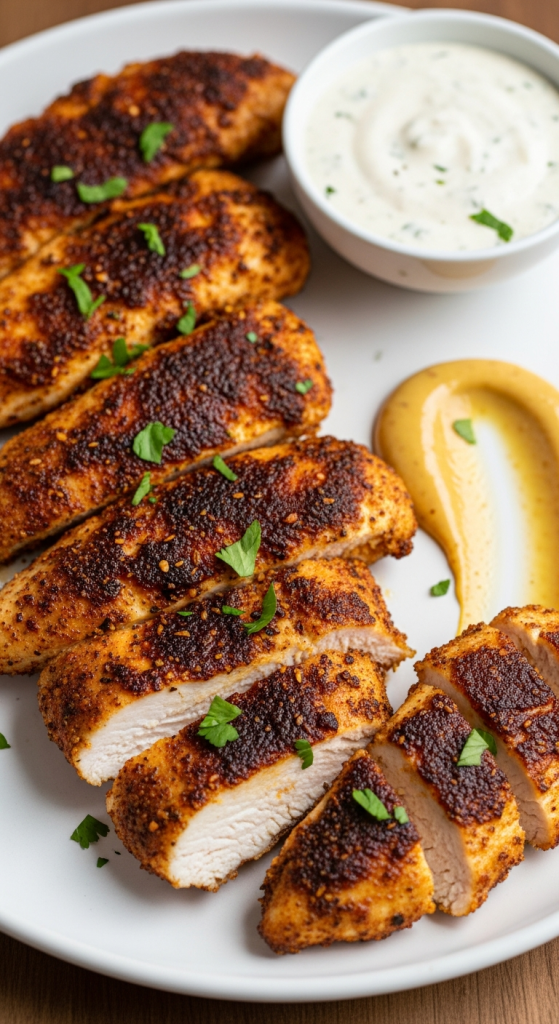
Plate your blackened chicken tenders on a rustic wood board or bright white dish to emphasize the spices’ vibrant hues. Serve with crisp lemon wedges to balance the smoky heat with a fresh citrus pop. A sprinkle of chopped fresh parsley or cilantro adds a burst of color and herbal brightness.
Complement your tenders with creamy avocado slices, a crisp coleslaw, or a side of roasted sweet potatoes to round out the meal. For a heartier option, serve atop a bed of jasmine rice or tossed greens drizzled with a tangy vinaigrette.
| Nutrient | Per Serving (3 tenders) |
|---|---|
| Calories | 250 kcal |
| Protein | 32 g |
| Carbohydrates | 2 g |
| Fat | 12 g |
For more inspired chicken recipes and spice handcrafting techniques,visit our Ultimate chicken Recipes Collection. To explore the science behind spice compositions and flavor interactions, check out this insightful Expert Cooking Guide on Spices.
Q&A
Q&A: Mastering Blackened Chicken Tenders – Bold Flavor Secrets unveiled
Q1: What exactly does “blackened” mean in cooking chicken tenders?
A: Blackening is a cooking technique that originated in Cajun cuisine. It involves coating chicken tenders in a mix of intense spices and cooking them quickly over very high heat until the exterior forms a deeply charred, almost smoky crust. The result? A dramatic flavor punch with a crisp, blackened exterior that locks in juicy tenderness.
Q2: What are the essential spices that create that iconic blackened flavor?
A: The magic lies in a blend of bold and warming spices-think paprika, cayenne pepper, garlic powder, onion powder, dried thyme, oregano, black pepper, and a pinch of salt. These work in harmony to deliver complexity: smoky, spicy, herbal, and just a little fiery kick that tantalizes the palate.
Q3: How do I perfectly coat my chicken tenders without making the spices clump or slide off?
A: First, pat your chicken tenders dry-moisture is the enemy of a great crust. Then, lightly brush each piece with a neutral oil or melted butter; this not only helps the spice blend adhere but also promotes even browning. After that, generously press the spice mix onto each tender, making sure every nook is covered for an evenly blackened finish.
Q4: What’s the best cooking method for blackening chicken tenders at home?
A: High heat is key. Cast iron skillets are your best friend-they retain heat exceptionally well, creating that signature sear. Heat the pan until it’s smoking hot, add a splash of oil with a high smoke point, and cook the tenders for just a few minutes on each side. Too low heat, and you’ll miss that blackened crust; too high, and you risk burning the spices rather than blackening them.
Q5: Can I blacken chicken tenders in the oven or on a grill?
A: Absolutely! On the grill, place tenders over direct, high heat to mimic skillet searing, turning once for an even char. In the oven, use the broiler setting on high-placing the rack close to the heat source. Keep a close eye, as they cook and blacken rapidly. Both methods give great results when you want to avoid stovetop splatters.
Q6: How do I balance the spice level if I’m sensitive to heat but want to keep classic flavors?
A: Simply reduce the cayenne pepper or swap it for smoked paprika, which delivers smoky depth without the burn. You can also add a bit more dried herbs to mellow the blend. Serving the tenders with cooling accompaniments like a creamy avocado dip, tangy yogurt sauce, or crisp slaw will balance the heat beautifully.
Q7: What sides or dipping sauces best complement blackened chicken tenders?
A: Blackened chicken’s bold flavor pairs wonderfully with fresh, cooling, and crisp sides. Think zesty citrus slaws, creamy coleslaws, or a bright mango salsa that cuts through the spice.For sauces, try garlic aioli, ranch with herbs, or a tangy buttermilk dip to cool and enrich each bite.
Q8: Any pro tips to elevate the flavor beyond the basic spice blend?
A: Layer your seasoning! Consider marinating your tenders briefly in a tangy citrus juice or buttermilk before dredging in the spice mix. This adds tenderizing acidity and an extra flavor layer. Also, toast your dry spices lightly in a pan before blending to awaken their aromas. don’t overcrowd your cooking surface-it lowers the pan temperature and steals the coveted blackened crust.
Q9: How do blackened chicken tenders fit into different meal styles?
A: Versatility is their strength. Serve them tucked into warm tortillas with avocado and lime for a bold twist on tacos, atop fresh greens for a spicy salad, or alongside fluffy rice and beans for a hearty, comforting plate. Their boldness adds instant excitement wherever they appear!
Q10: what’s the biggest mistake to avoid when blackening chicken tenders?
A: The cardinal sin is cooking over too low heat or for too long. This leads to soggy seasoning and dry chicken rather than the crisp, dark crust paired with juicy meat inside. Keep your pan hot, cook quickly, and turn the tenders carefully to achieve that perfect blackened balance.
Concluding Remarks
As you embark on your culinary journey to master blackened chicken tenders, remember that bold flavors are as much about technique as they are about attitude. With the right blend of spices,a hot,cast-iron skillet,and a confident hand,you can transform simple chicken into a smoky,fiery masterpiece that sings with every bite.
Whether you’re serving them as a snack, a main course, or a shareable appetizer, these tenders carry the spirit of Cajun kitchens and the thrill of bold seasoning. So go ahead-embrace the sizzle, trust the process, and let your taste buds revel in the magic of perfectly blackened chicken.Your next flavorful adventure awaits just a skillet away.