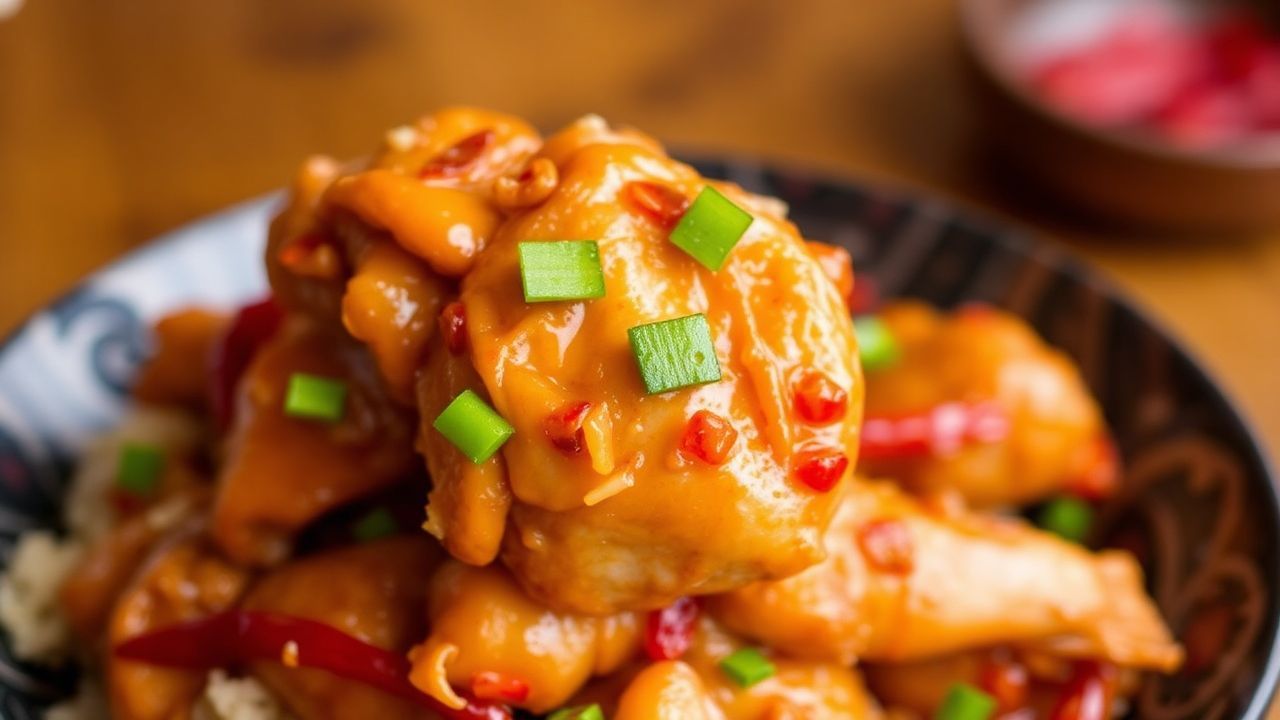
Szechuan Chicken delivers a bold mix of chili heat, Sichuan peppercorn numbling, and savory depth. You get that signature “má” sensation on the first bite, then a layered sauce that keeps building.
- Why Szechuan Chicken Tastes So Powerful
- Key Ingredients That Create the Signature Sauce
- Prep and Cook Time
- Yield and Difficulty
- Ingredients for Szechuan Chicken
- Step-by-Step Guide to Cooking Szechuan Chicken at Home
- Chef’s Notes and Tips for Success
- Pairing Tips and Serving Suggestions
- Nutrition Snapshot
- Q&A
- What makes Szechuan Chicken different from other spicy chicken dishes?
- How do I get the right numbing flavor from Sichuan peppercorn?
- Can I adjust the heat level without losing the dish’s character?
- What cooking technique makes the chicken crispy enough for saucing?
- How should I serve Szechuan Chicken for the best balance?
- The Way Forward
At a Glance
- Heat + numb comes from Sichuan peppercorns and dried chilies.
- Doubanjiang creates the deep, fermented chili backbone.
- High-heat stir-frying keeps chicken crisp and juicy.
- Balance matters: vinegar brightens, sugar softens.
The dish traces to Sichuan cooking, where spice acts as flavor, not just punishment. Traditional Chinese cuisine also treats aroma as a main ingredient, so garlic, ginger, and aromatics release fast in a hot wok. If you want restaurant-level results, focus on technique and ingredient order.
In this guide, you’ll cook Szechuan Chicken at home with clear steps and measurable timing. You’ll learn how to toast peppercorns, fry chicken for texture, and build a sauce that clings instead of pooling.
Why Szechuan Chicken Tastes So Powerful
Szechuan Chicken stands out because Sichuan peppercorns create a tingling, numbing sensation rather than only heat. This effect changes the way your tongue senses spice, making the flavor feel more complex and longer lasting.
Chili heat then adds a second layer. Doubanjiang brings fermented umami and chili depth, which helps the sauce taste rich even at home. If you want background, see Sichuan cuisine for regional spice logic and techniques.
Another reason the dish feels “bright” is the vinegar. Black vinegar adds acidity that cuts fat and sharpens aromatics. Learn the ingredient profile via vinegar to understand why the flavor lifts so well.
Key Ingredients That Create the Signature Sauce
Build your flavor base with three pillars: peppercorn, chili paste, and aromatics. When you toast and grind peppercorns, you wake up essential oils that improve aroma right away.
Next, doubanjiang gives the sauce its fermented chili character. Choose a good-quality paste since flavor varies by brand and roast level. For broader context, read doubanjiang so you understand what fermentation contributes.
For heat control, use dried chilies in a way that matches your tolerance. Halving and removing seeds reduces harshness while keeping color and fragrance. If you want a quick primer on chili types and heat behavior, check chili pepper.
Prep and Cook Time
Planning: 15 minutes
Cooking: 20 minutes
Total time: 35 minutes
Yield and Difficulty
Yield: Serves 4 hungry guests
Difficulty Level: Medium. You’ll rely on timing more than advanced equipment.
Ingredients for Szechuan Chicken
- 500g boneless, skinless chicken thighs, cut into bite-sized pieces
- 2 tablespoons cornstarch
- 3 tablespoons vegetable oil (for frying)
- 1 tablespoon Sichuan peppercorns, lightly toasted and ground
- 6–8 dried red chilies, halved (remove seeds for milder heat)
- 4 cloves garlic, minced
- 1 tablespoon fresh ginger, finely grated
- 2 scallions, white and green parts separated, sliced thinly
- 2 tablespoons doubanjiang (fermented chili bean paste)
- 1 tablespoon soy sauce
- 1 tablespoon Chinese black vinegar
- 1 teaspoon sugar
- 1/4 cup low-sodium chicken broth
Step-by-Step Guide to Cooking Szechuan Chicken at Home
- Prepare the chicken: Toss chicken pieces with cornstarch until evenly coated. Cornstarch helps create a crisp surface that holds up in the sauce.
- Toast and grind the peppercorns: Toast Sichuan peppercorns in a dry skillet for about 2 minutes. Grind finely and set aside for strong aroma and even distribution.
- Fry the chicken: Heat vegetable oil in a wok or large skillet over medium-high heat. Fry, stirring often, until golden and cooked through, about 6–8 minutes. Drain on paper towels to keep crunch.
- Sauté aromatics: Reduce oil to about 1 tablespoon. Stir-fry dried chilies, garlic, ginger, and scallion whites for 1–2 minutes until fragrant.
- Add the flavor base: Stir in doubanjiang and cook gently for 30–60 seconds. This warms the paste and reduces any raw fermented edge.
- Build the sauce: Add soy sauce, black vinegar, sugar, and chicken broth. Simmer lightly for 2–3 minutes until the sauce thickens enough to coat.
- Combine everything: Return fried chicken to the wok. Toss until each piece gets a shiny layer of sauce. Sprinkle ground Sichuan peppercorns at the end for peak numbing aroma.
- Final touch: Add scallion greens just before serving for fresh crunch and color.
If you’re unsure about frying temperature, rely on visual cues. When the coating looks crisp and the chicken reaches doneness, stop frying. Then simmer the sauce only until it thickens; overcooking can dull the chili aroma.
Chef’s Notes and Tips for Success
Chicken thighs stay juicy because they carry more fat than breasts. That fat also helps the sauce cling to the surface, so bites feel balanced rather than dry.
Use toasted peppercorns right after grinding. Grinding releases oils fast, so you get stronger “má” when you add it near the end. For general spice behavior, you can reference spice to understand why toasting and grinding matter.
💡 Expert Insight
Expert Insight:
[TIP]Expert Insight: For the most even coating, toss chicken in cornstarch thoroughly, then fry in small batches. If you overcrowd the pan, the temperature drops and the coating turns rubbery.
[TIP]Expert Insight: For the most even coating, toss chicken in cornstarch thoroughly, then fry in small batches. If you overcrowd the pan, the temperature drops and the coating turns rubbery.
Doubanjiang brand strength varies. Taste the sauce base as it simmers and adjust with a little broth if it feels too thick or harsh. You should taste vinegar brightness, not vinegar sourness.
⚠️ Pro-Caution
Pro-Caution:
[WARNING]Pro-Caution: Don’t add ground Sichuan peppercorns early in the cook. Heat can mute the citrusy-floral notes, and the numbing effect becomes less expressive.
[WARNING]Pro-Caution: Don’t add ground Sichuan peppercorns early in the cook. Heat can mute the citrusy-floral notes, and the numbing effect becomes less expressive.
Chili heat changes fast with seeds and cut size. Start milder if you’re serving guests, then add extra dried chilies in future batches. You can also reduce the chili paste by half, but keep a similar amount of aromatics for depth.
Pairing Tips and Serving Suggestions
Serve Szechuan Chicken with plain rice to balance the spice. Jasmine rice absorbs sauce and cools each bite, so you taste vinegar brightness instead of only heat.
For sides, choose crisp vegetables like bok choy or blanched green beans. Their mild flavor keeps the dish centered while providing texture contrast. If you want a simple framework for pairing, rice explains how rice works as a neutral base across cuisines.
A cucumber salad also works well. Add vinegar or a light sesame dressing for a similar flavor language, but keep it cool. For those who like creamy contrast, a thin peanut sauce can soften chili intensity without washing out aroma.
Garnish with sesame seeds if you enjoy nuttiness. Add them lightly so they don’t compete with Sichuan pepper aroma. Finish with scallions to refresh the dish right before serving.
Nutrition Snapshot
Expect a moderate calorie range since thighs and frying oil add fat. Exact numbers vary by oil absorption and portion size.
Typical per serving (estimate): about 350 kcal, 32g protein, 12g carbs, and 18g fat.
| Nutrient | Per serving |
|---|---|
| Calories | 350 kcal |
| Protein | 32 g |
| Carbohydrates | 12 g |
| Fat | 18 g |
For a more accurate count, weigh your oil and use that weight for calculation. If you use a thermometer, track oil time too. These steps help you dial in consistency across batches.
Q&A
What makes Szechuan Chicken different from other spicy chicken dishes?
Szechuan Chicken features Sichuan peppercorns, which create a distinct tingling numbing sensation. It’s not only about chili heat; the dish combines peppercorn “má” with garlic and ginger aromatics.
This combo makes the mouthfeel feel layered and longer lasting than many chili-only sauces. Doubanjiang then adds fermented depth so the sauce tastes complex.
How do I get the right numbing flavor from Sichuan peppercorn?
Toast Sichuan peppercorns briefly, then grind them fine. Add the ground peppercorns near the end so their aroma stays strong and the numbing effect feels fresh.
If you want to understand the ingredient, Sichuan pepper covers the basics behind its unique sensation.
Can I adjust the heat level without losing the dish’s character?
Yes. Reduce dried chilies or remove seeds to lower direct heat. Keep doubanjiang and peppercorns at full strength so the sauce still tastes “Szechuan.”
You can also slightly increase broth to soften intensity while keeping the same flavor balance.
What cooking technique makes the chicken crispy enough for saucing?
Use cornstarch coating and fry over medium-high heat. Then drain well before you combine with sauce so the chicken doesn’t steam.
When tossing in sauce, stop as soon as the glaze coats. Over-tossing can soften the crust.
How should I serve Szechuan Chicken for the best balance?
Serve it with jasmine rice and a cool side like cucumber salad or lightly sautéed greens. The cool elements reduce the perceived heat and let the vinegar brightness stand out.
Finish with scallion greens for a fresh, sharp bite that contrasts the thick sauce.
The Way Forward
When your wok sizzles and the sauce turns glossy, you’re already doing the key work. Szechuan Chicken rewards focused timing: crisp chicken, fragrant aromatics, then a balanced sauce.
As you cook more batches, adjust heat and acidity to match your taste. Keep the peppercorn and doubanjiang core, and your results will stay unmistakably Szechuan.
For next time, try mild variations with fewer chilies or stronger vinegar if you prefer a brighter finish. Each tweak builds confidence, and the flavor stays consistent when your technique stays consistent.
See also: Szechuan Chicken