
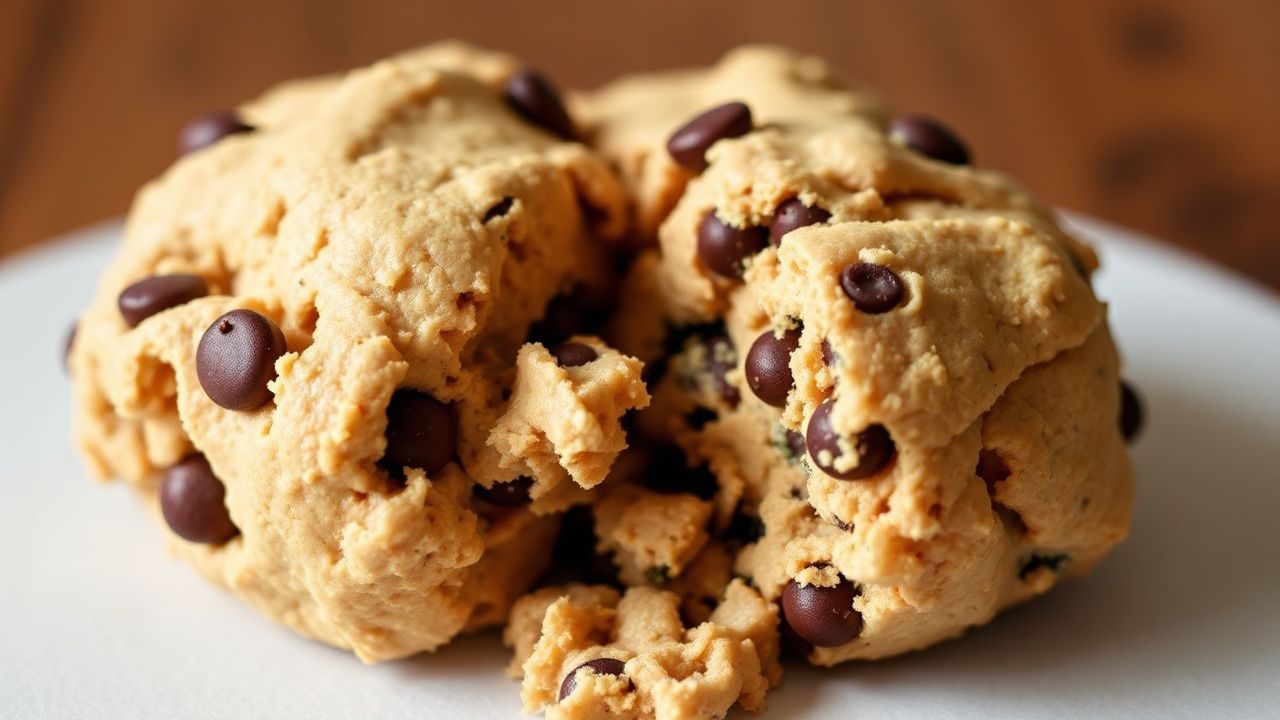
Edible vegan cookie dough turns a classic guilty pleasure into a scoopable treat you can enjoy straight from the bowl. It keeps the creamy texture, the caramel-like sweetness, and the chocolate-studded comfort—while removing the eggs and dairy that make traditional dough risky or off-limits.
- Why Edible Vegan Cookie Dough Became a “Real” Dessert Category
- What Makes Vegan Cookie Dough “Edible” (Not Just Vegan)
- Flour selection is the real technical lever
- Egg-free texture comes from fats and emulsions
- Chilling improves scoopability and flavor meld
- The 7 Reasons People Keep Coming Back for Edible Vegan Cookie Dough
- 1) No eggs, no dairy, no bake required
- 2) It delivers that classic cookie-dough mouthfeel
- 3) It’s naturally portion-friendly
- 4) It’s versatile across desserts and snacks
- 5) You can tune it for dietary preferences
- 6) It’s easy to scale for parties
- 7) It feels “fun,” not like a compromise
- How to Make Edible Vegan Cookie Dough at Home (Reliable Method)
- Texture and Flavor Control: Small Changes That Matter
- Nutritional Reality: What “Wholesome” Can Mean Here
- Why oats often show up in edible dough
- Flax adds nutrition and helps binding
- Chocolate contributes sensory payoff
- Storage, Serving, and Make-Ahead Strategy
- Common Problems and Fixes
- Flavor Variations You’ll Actually Want to Make
- FAQ
- Safe-to-eat versions replace risky raw eggs with smart plant-based ingredients.
- Better texture control comes from flour choice, fats, and chilling.
- Chocolate + salt balance creates that “bakery” flavor fast.
- Easy variations let you go gluten-free, higher-protein, or lower-sugar.
Why Edible Vegan Cookie Dough Became a “Real” Dessert Category
Cookie dough used to mean one thing: spoon, bowl, and then a bake session later. Now edible vegan cookie dough stands on its own as a no-bake dessert you can serve like gelato topping or a jarred snack.
Several forces drive this shift. People want desserts that fit plant-based, allergen-aware, and “cleaner ingredient” habits without giving up indulgence.
Plant-based eating meets nostalgia
Cookie dough hits a deep memory loop: vanilla, browned sugar vibes, and chocolate chunks that melt in your mouth. Vegan versions keep that sensory core, but they use dairy-free fats and egg-free structure.
That balance matters. When the mouthfeel matches the original, people stop thinking of it as a substitute and start calling it dessert.
Food safety improved with ingredient strategy
Traditional raw dough can include raw egg and untreated flour. Edible vegan dough avoids eggs completely and uses flours that behave well when eaten raw.
For example, oat flour is commonly chosen because it creates a tender crumb and stays pleasant uncooked. For broader ingredient education, see food safety basics.
What Makes Vegan Cookie Dough “Edible” (Not Just Vegan)
“Vegan” tells you what’s missing. “Edible” tells you it’s designed to taste good and feel safe when eaten raw.
That requires a few changes: egg replacement, flour choice, and the right fat + sweetener balance so the dough holds together without baking.
Flour selection is the real technical lever
Most cookie dough relies on flour thickening and baking chemistry. Edible dough must replace that structure with ingredients that work in cold, spoonable form.
Oat flour and other finely ground flours often perform best because they hydrate quickly and taste good uncooked. If you’re curious about grain biology that influences nutrition, oats offer a solid starting point.
Egg-free texture comes from fats and emulsions
In egg-based dough, eggs help bind and add richness. Vegan dough must recreate that “creamy glue” through melted coconut oil (or another vegan fat) plus a sticky sweetener.
Date syrup works well because it brings viscosity and caramel notes. For background on sugar types and sweetness behavior, browse date and related dietary context.
Chilling improves scoopability and flavor meld
Even the best edible dough needs time. Refrigeration thickens the fat, hydrates the flour fully, and lets vanilla and salt distribute evenly.
Most recipes benefit from 20–60 minutes. If you want sliceable portions, chill longer. If you prefer a softer spoon, shorten the time.
The 7 Reasons People Keep Coming Back for Edible Vegan Cookie Dough
It’s not one factor. It’s a stack of practical benefits that make edible vegan cookie dough easy to repeat.
Below are the strongest reasons the trend keeps accelerating in kitchens, dessert bars, and refrigerated snack aisles.
1) No eggs, no dairy, no bake required
You skip raw eggs and dairy entirely. That instantly broadens who can enjoy it—especially people who avoid lactose or eggs.
Plus, the no-bake method reduces effort. You can make a small batch in minutes and still get a “fresh dessert” vibe.
2) It delivers that classic cookie-dough mouthfeel
Good edible dough tastes like the real thing because it balances three elements: sweetener viscosity, flour softness, and fat creaminess.
Add salt and high-cacao chocolate and you recreate the same flavor contrast you’d get from baking.
3) It’s naturally portion-friendly
Jar servings and spoon scoops make it easy to control portions. Many people treat it like a dessert topping rather than a full dessert plate.
This supports “mindful indulgence” without killing cravings.
4) It’s versatile across desserts and snacks
People eat it plain, but they also use it as a filling for vegan cupcakes, a swirl for ice cream, or a topping for fruit bowls.
If you want pairing ideas, you can build combinations around chocolate flavor families and common dessert textures.
5) You can tune it for dietary preferences
Many edible vegan doughs start with gluten-free oat flour. Others use nut-free blends or swap sweeteners to reduce added sugar.
That flexibility helps it fit real households, not just perfect lab conditions.
6) It’s easy to scale for parties
Because it’s no-bake, you can prep ahead and keep it chilled. You also can scoop into cups or layer in jars for quick serving.
It travels better than many fragile desserts.
7) It feels “fun,” not like a compromise
People don’t want “diet food.” They want something that tastes like comfort.
Edible vegan cookie dough delivers that comfort while aligning with modern preferences, which explains why it’s moved into mainstream dessert routines.
How to Make Edible Vegan Cookie Dough at Home (Reliable Method)
Below is a dependable, spoonable base recipe style. It uses a short ingredient list, minimal technique, and a chilling step that makes texture consistent.
Feel free to treat this as your template, then adjust sweetness, add-ins, and thickness.
Basic Ingredients (Template)
Dry base: finely ground oat flour (often gluten-free) and a pinch of fine sea salt. Optional flaxseed adds extra fiber and a slightly sturdier feel.
Wet system: melted coconut oil plus date syrup (or maple syrup). Add vanilla extract and a small amount of plant milk to fine-tune creaminess.
Flavor: dairy-free dark chocolate chips (70% cacao works well) for intense chocolate notes and satisfying pockets.
Step-by-Step Instructions
1) Whisk the dry ingredients in a bowl: oat flour, salt, and flaxseed (if using). This step prevents dry lumps.
2) Mix in the wet ingredients slowly: melted coconut oil, date syrup, vanilla, and plant milk. Stir until smooth.
3) Fold in chocolate chips gently so they stay intact. Overmixing can smear chocolate and reduce that classic dough look.
4) Chill for 20–60 minutes. This firms the fat and hydrates the flour for a better scoop.
5) Serve with optional flaky salt on top to boost chocolate flavor through contrast.
Texture and Flavor Control: Small Changes That Matter
If your dough turns out too firm or too soft, it usually comes down to one of three variables: flour fineness, fat temperature, or sweetener thickness.
Use these fixes to dial in your perfect scoop.
If it’s too dry
Add plant milk 1 teaspoon at a time until the dough becomes pliable. Stir, chill 10 minutes, and reassess.
Also check oat flour granularity. If the flour is coarse, it may not hydrate properly.
If it’s too soft
Chill longer. Coconut oil sets as it cools, so more time often solves the problem without changing flavor.
If it still won’t hold, add 1–2 tablespoons oat flour and stir well.
If the sweetness feels flat
Date syrup can taste “round” and caramel-like, but maple syrup tastes milder. If you switch sweeteners, adjust quantity slightly.
Salt can also sharpen flavor. Try a tiny pinch extra before you add more sweetener.
Choose mix-ins like a dessert chef
Chocolate chips are the classic anchor, but you can add crushed cookies (vegan), chopped nuts, or mini dried fruit.
For a nutrition-forward twist, consider seeds or cacao nibs. Learn more about cocoa’s compound profile via cacao background.
Once your base is dialed in, mix-ins become your creative playground. Keep them balanced: too many add-ins can dry out the dough or disrupt the creamy texture.
Also remember that chocolate chips may soften in warm rooms. If you want firmer chips, fold them in right before chilling.
Nutritional Reality: What “Wholesome” Can Mean Here
Edible vegan cookie dough can support your goals, but it still counts as a dessert. Treat “wholesome” as a formula: better ingredients, better balance, and smart portions.
Oat flour and flax can add fiber. Date syrup and maple bring sweetness with distinct flavor profiles. Coconut oil adds saturated fat, so moderation still matters.
Why oats often show up in edible dough
Oats provide a naturally mild, slightly sweet flavor that works well with vanilla and chocolate. They also hydrate into a softer texture that feels closer to baked dough.
If you want foundational nutrition context, see oats and the compounds that influence their role in diets.
Flax adds nutrition and helps binding
Ground flaxseed can improve texture and provide additional fiber. It also helps the dough feel more cohesive when scooped.
For more general background on flax, use flax.
Chocolate contributes sensory payoff
High-cacao chocolate delivers stronger flavor per chip. That means you can use a modest amount and still feel satisfied.
For ingredient context, check chocolate and how cacao content relates to taste.
Storage, Serving, and Make-Ahead Strategy
Edible vegan cookie dough stores well because you remove heat-sensitive ingredients like eggs and you use stable fats. Refrigeration keeps it firm and flavorful.
For the best texture, cool it first, then transfer to an airtight container.
How long it lasts
Most edible vegan dough recipes keep up to about a week in the fridge. If you freeze it, portion scoops first so you can thaw exactly what you need.
When thawing, let it sit 5–10 minutes at room temperature for easier scooping.
Serve it like a dessert bar
Jar service boosts dwell time because people see the layers and toppings clearly. Layer cookie dough with berries and coconut cream for a parfait look.
You can also serve it with fruit slices, vegan whipped cream, or a drizzle of nut butter.
Common Problems and Fixes
Home batches can fail for a few predictable reasons. Address the cause, not just the symptom.
Use these fixes to keep your dough spoonable and tasty.
Grainy or sandy texture
Often, it comes from coarse oat flour or insufficient mixing time. Use finely ground flour and stir until fully hydrated.
If it still feels gritty after chilling, pulse your oat flour finer before the next batch.
Chocolate chips look dull after mixing
This happens when the dough warms up too much. Fold in chips after mixing, then chill right away.
You can also use chips with a higher cacao percentage, which tends to hold shape better.
It tastes “too earthy”
Earthiness usually comes from oat flour or flax. Increase vanilla slightly and add a bit more date syrup to round out flavors.
Flaky salt can also help by balancing bitterness and enhancing sweetness perception.
Flavor Variations You’ll Actually Want to Make
Once you master the base, variations become fast. Keep the same ratios and swap only one or two elements at a time.
That approach keeps texture stable while changing flavor.
Brown sugar vibe (without eggs)
Use date syrup plus a touch of maple. Add a pinch of cinnamon for a cozy “baked” aroma.
Pair with dark chocolate chips for a classic cookie-dough profile.
Peanut butter swirl
Stir in natural peanut butter for richness, then swirl in extra for visual appeal. If your dough gets thick, add 1 teaspoon plant milk.
This variation tastes indulgent, but it still stays spoonable.
Mint chocolate version
Add peppermint extract carefully—start with 1/8 teaspoon. Then fold in chocolate chips.
Finish with a tiny pinch of flaky salt to keep sweetness from tasting flat.
Berry + vanilla parfait
Serve cookie dough with fresh berries and a dairy-free whipped cream. This pairing turns a snack into a plated dessert.
If you want a fruit primer, see berries for general background.
FAQ
Is edible vegan cookie dough safe to eat raw?
It can be, but only if the recipe uses an edible-friendly formulation. Avoid versions that include raw eggs or untreated wheat flour. Stick to dough designed to be eaten raw, and chill it properly for best texture.
What flour should I use for vegan cookie dough that you eat straight from the bowl?
Finely ground oat flour is a popular choice because it tastes good uncooked and hydrates well. Other raw-friendly flours can work too, but the key is choosing one that forms a smooth texture when uncooked.
Can I make it gluten-free?
Yes. Use certified gluten-free oat flour (or another gluten-free edible-friendly flour blend). Always check labels on sweeteners and chocolate chips to prevent hidden gluten.
Why does my dough feel too soft or too dry?
Too soft usually means not enough chilling or excess liquid. Too dry means the flour needs more hydration. Add plant milk a teaspoon at a time for dryness, or chill longer for softness.
How should I store edible vegan cookie dough?
Keep it in an airtight container in the refrigerator for about a week. For longer storage, freeze in portion scoops, then thaw briefly at room temperature before eating.
See also: edible vegan