
When it comes to smart snacking, few dishes match the flavor and nutrition of a high-protein shrimp cocktail. You get clean, lean protein plus key micronutrients in a light, filling portion. That makes it a practical choice for busy days, post-workout eating, or a starter that won’t weigh you down.
- The Power of High-Protein Shrimp Cocktail Protein and Health Benefits
- Crafting the Perfect High-Protein Shrimp Cocktail Sauce for Maximum Flavor
- Choosing the Best Shrimp for Nutrient Density in Your High-Protein Shrimp Cocktail
- Creative Garnishes and Serving Tips for a High-Protein Shrimp Cocktail
- Prep and Cook Time
- Yield
- Difficulty Level
- Ingredients
- Instructions
- Tips for Success
- Serving Suggestions
- Nutritional Information
- Q&A: High-Protein Shrimp Cocktail for a Nutrient Boost
- Q1: Why does shrimp cocktail rank as a high-protein snack?
- Q2: What makes the sauce taste “classic” but still diet-friendly?
- Q3: How do I keep shrimp tender and not rubbery?
- Q4: Can I make this ahead for meal prep?
- Q5: Is shrimp cocktail suitable for low-carb or keto-style eating?
- Concluding Remarks
At a Glance
- Shrimp is protein-dense, helping support muscle repair and satiety.
- Simple poaching + zesty sauce keeps calories and added sugars in check.
- Omega-3s and B vitamins support heart health and energy metabolism.
- Chill, serve, and portion for best texture and diet-friendly results.
You can still enjoy the classic cocktail vibe—just with a clearer nutrition goal. This version leans into lean shrimp, balanced acidity, and controlled sauce sweetness so your appetizer stays aligned with your intake targets. For extra credibility, shrimp nutrition and omega-3 content are widely documented by major health sources and peer-reviewed nutrition research.
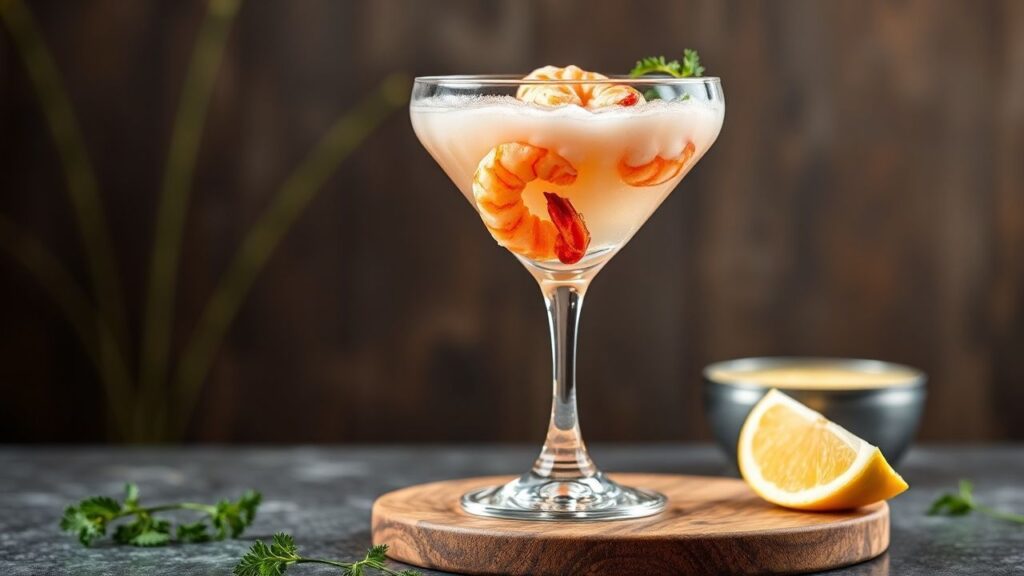
The Power of High-Protein Shrimp Cocktail Protein and Health Benefits
The main reason a high-protein shrimp cocktail works so well is straightforward: shrimp delivers concentrated, complete protein in a low-calorie package. Protein supports muscle repair after training and helps you feel full for longer. It also slows digestion of a meal, which can reduce sudden cravings.
Shrimp also contributes key nutrients such as selenium and vitamin B12. It may contain omega-3 fats, which are linked to heart health in nutritional science. If you want a quick reference on these nutrient roles, see selenium and vitamin B12 on Wikipedia for background.
Beyond macros, shrimp’s flavor profile makes it easy to keep portions satisfying. You don’t need heavy sauces or bread to make it feel “complete.” Instead, you build depth through lemon, horseradish, smoked paprika, and fresh herbs.
Quality matters. Choose shrimp that looks uniform, smells mild (sea-fresh, not fishy), and comes from reliable supply chains. For broader context on seafood nutrition and sustainability categories, you can review seafood and aquaculture.
Crafting the Perfect High-Protein Shrimp Cocktail Sauce for Maximum Flavor
A great sauce turns shrimp into a craveable bite. For a high-protein shrimp cocktail, the goal is balance: tang from lemon, heat from cayenne, and richness from a small amount of ketchup plus horseradish. This style gives strong flavor without relying on thick, high-sugar bases.
Start with prepared horseradish, fresh lemon juice, ketchup, smoked paprika, and cayenne. Then taste and adjust. Lemon should brighten the whole mix, while horseradish brings the signature “cocktail bite.” If you want background on capsaicin and spice heat, check cayenne pepper on Wikipedia.
Let the sauce rest before serving. Resting helps the flavors blend and smooth out sharp edges from raw acidity and spices. Chill it while you cool the shrimp so everything stays crisp and safe to eat.
For an extra layer of complexity, add a few drops of Worcestershire sauce or hot sauce. Use restraint. Small amounts add depth, but too much can overpower the lemon and horseradish balance.
If you prefer a lower-sugar profile, consider using unsweetened ketchup or mixing ketchup with extra lemon and horseradish. That keeps sweetness from taking over while preserving the classic color and tang.
Choosing the Best Shrimp for Nutrient Density in Your High-Protein Shrimp Cocktail
Not all shrimp taste the same, and not all shrimp are sourced under the same standards. For a high-protein shrimp cocktail, start with size and freshness. Smaller shrimp often feel more tender, while larger shrimp offer a chunkier, more plated look.
Wild-caught shrimp can vary by region and season, but quality is often tied to handling. Look for information about how the shrimp were processed, including whether they were frozen quickly after harvest. For general background on seafood handling and food safety principles, you can review food safety on Wikipedia.
Pay attention to whether shrimp are peeled or shell-on. Shell-on shrimp can deliver slightly better texture because shells protect flesh during cooking and cooling. If you value convenience, pre-peeled shrimp still work—just dry them well before arranging.
Omega-3 content can vary by diet, species, and processing. Still, shrimp is widely recognized as a source of omega-3 fatty acids. If you want a reference on omega-3s, use omega-3 fatty acids.
Make your “nutrient density” choice simple: buy shrimp you trust, cook it gently, and serve it with a controlled sauce. That approach gives you the protein punch you want without unnecessary calorie drift.
Creative Garnishes and Serving Tips for a High-Protein Shrimp Cocktail
Garnishes decide whether your shrimp cocktail looks basic or restaurant-ready. Use fresh crunch to contrast the tender shrimp. Try thin cucumber slices, chopped microgreens, or a small spoon of avocado on the side. These add volume, freshness, and micronutrients with minimal extra cooking.
For an extra pop, add smoked sea salt in micro amounts. You get aroma without turning the dish salty. If you want a quick reference on herbs and their general role in flavor, you can browse herbs.
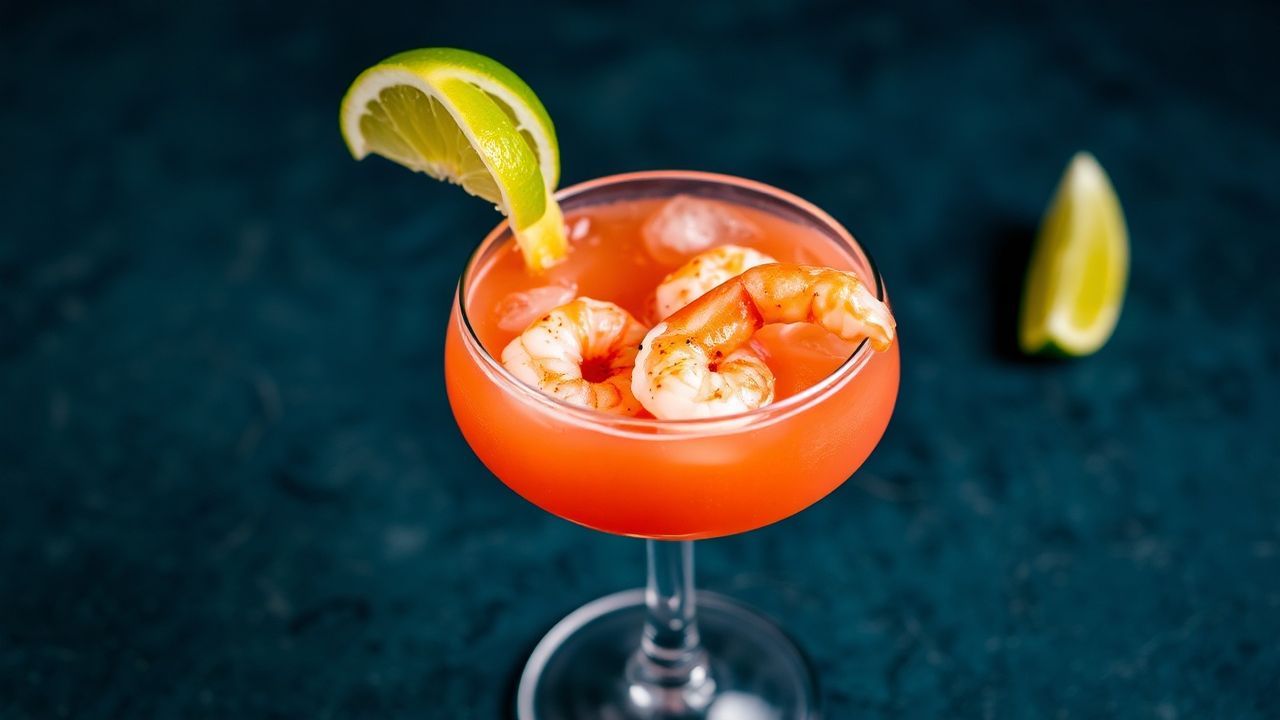
You can also serve shrimp in individual glasses for better portion control. Layer shrimp, then add sauce at the bottom for dipping. This keeps everything tidy and supports faster serving at gatherings.
For a modern twist, pair shrimp with a tiny spoon of mango or cucumber salsa. Keep it light so the sauce stays dominant. The best combinations keep acidity present while adding sweetness in small doses.
If you like visual flair, add lemon wedges and a few herb leaves at the end. That final touch increases perceived freshness and improves the dining experience.
Prep and Cook Time
Planning: 15 minutes
Cooking: 5 minutes (poaching shrimp)
Chilling: 30 minutes
Total Time: 50 minutes
Yield
Serves: 4 as a starter or light meal
This portion size fits well for a protein-forward appetizer without overfilling.
Difficulty Level
Easy
If you can boil water and whisk a sauce, you can make this confidently.
Ingredients
- 1 lb large shrimp (16/20 count), peeled and deveined, tails on
- 4 cups water
- 1 lemon, halved
- 2 cloves garlic, smashed
- 1 tbsp sea salt
- 1 cup ketchup
- 2 tbsp prepared horseradish (adjust to taste)
- 1 tbsp fresh lemon juice
- 1 tsp smoked paprika
- 1/2 tsp cayenne pepper
- 1 tsp Worcestershire sauce
- Fresh dill or chives, finely chopped for garnish
- Lemon wedges and microgreens for serving
Instructions
- Poach the shrimp: In a large pot, bring water, lemon halves, garlic, and salt to a gentle boil. Add the shrimp and cook for 2–3 minutes until they turn pink and curl. Transfer immediately to an ice bath to stop cooking.
- Prepare the cocktail sauce: In a bowl, whisk ketchup, horseradish, lemon juice, smoked paprika, cayenne, and Worcestershire sauce. Taste and adjust heat. Chill while shrimp cool.
- Assemble the cocktail: Drain shrimp well and arrange on a serving platter or in individual glasses. Spoon sauce into a ramekin for dipping or layer a small amount at the bottom.
- Garnish: Sprinkle chopped dill or chives over the shrimp. Add lemon wedges and microgreens for freshness.
- Serve chilled: Keep shrimp cold until serving so texture stays firm and flavor stays bright.
Tips for Success
- Use an ice bath right away. Shrimp overcook quickly and turn rubbery.
- Chill the sauce at least 30 minutes so flavors meld.
- Add a little freshly cracked black pepper right before serving for extra aroma.
- For a citrus variation, swap in fresh lime juice for some or all of the lemon.
- Advance prep: cook shrimp and make sauce up to 24 hours ahead. Refrigerate separately, then assemble the same day.
Serving Suggestions
For a filling but light plate, serve your high-protein shrimp cocktail with a crisp side like mixed greens or sliced cucumber. The crunch boosts the eating experience and helps balance the sauce’s richness.
Pair the dish with sparkling water infused with cucumber or mint. It keeps the palate fresh and reduces the urge for extra salty sides. If you want a broader reference on hydration and beverage basics, you can review water on Wikipedia.
Nutritional Information
| Nutrient | Per Serving |
|---|---|
| Calories | 180 kcal |
| Protein | 35 g |
| Carbohydrates | 8 g |
| Fat | 2 g |
Protein totals depend on shrimp size and exact portion weight. Use the numbers as a planning guide, then adjust your servings if you track macros.
If you want a simple reference for why protein matters, you can review protein and amino acids.
Q&A: High-Protein Shrimp Cocktail for a Nutrient Boost
Quick answers help you shop better, cook faster, and keep results consistent. Use these tips to troubleshoot flavor, texture, and portion goals.
Q1: Why does shrimp cocktail rank as a high-protein snack?
Shrimp contains dense, lean protein. In practical terms, that means you can eat a satisfying portion without large amounts of carbs or fat. A typical serving often lands around the protein range listed in this recipe’s table, depending on shrimp size.
Q2: What makes the sauce taste “classic” but still diet-friendly?
Classic cocktail flavor comes from tang and heat. In this recipe, lemon and horseradish provide sharpness, while smoked paprika and cayenne add warmth. You also keep sauce sweetness in check by controlling how much ketchup you use and by chilling the mixture for better balance.
Q3: How do I keep shrimp tender and not rubbery?
Poach shrimp briefly and stop cooking immediately in an ice bath. Shrimp overcook fast because heat continues to cook the flesh after boiling. Timing plus cooling is the difference between “firm and juicy” and “tough.”
Q4: Can I make this ahead for meal prep?
Yes. Cook and cool the shrimp, then refrigerate separately from the sauce. Assemble right before serving for the best texture. This approach also helps you control portion sizes at lunch or dinner.
Q5: Is shrimp cocktail suitable for low-carb or keto-style eating?
It can fit many low-carb plans because shrimp is naturally low in carbohydrates. The main variable is the sauce sweetness from ketchup. If you track carbs closely, choose a lower-sugar ketchup option or increase lemon and horseradish for flavor without extra carbs.
Ready to build your next high-protein shrimp cocktail that tastes bright, feels satisfying, and supports your nutrition goals? Start with clean ingredients, cook gently, and serve cold for the best results.
Concluding Remarks
A high-protein shrimp cocktail delivers a simple win: concentrated protein, key micronutrients, and a flavor profile that feels fresh instead of heavy. With gentle poaching and a balanced sauce, you get an appetizer that supports your daily intake goals while still tasting indulgent.
Use the recipe steps as your base, then tweak heat, citrus, and garnishes to match your preferences. If you keep the method consistent—cook fast, chill quickly, and taste the sauce—you’ll get reliable texture and dependable nutrition every time.
See also: high-protein shrimp cocktail