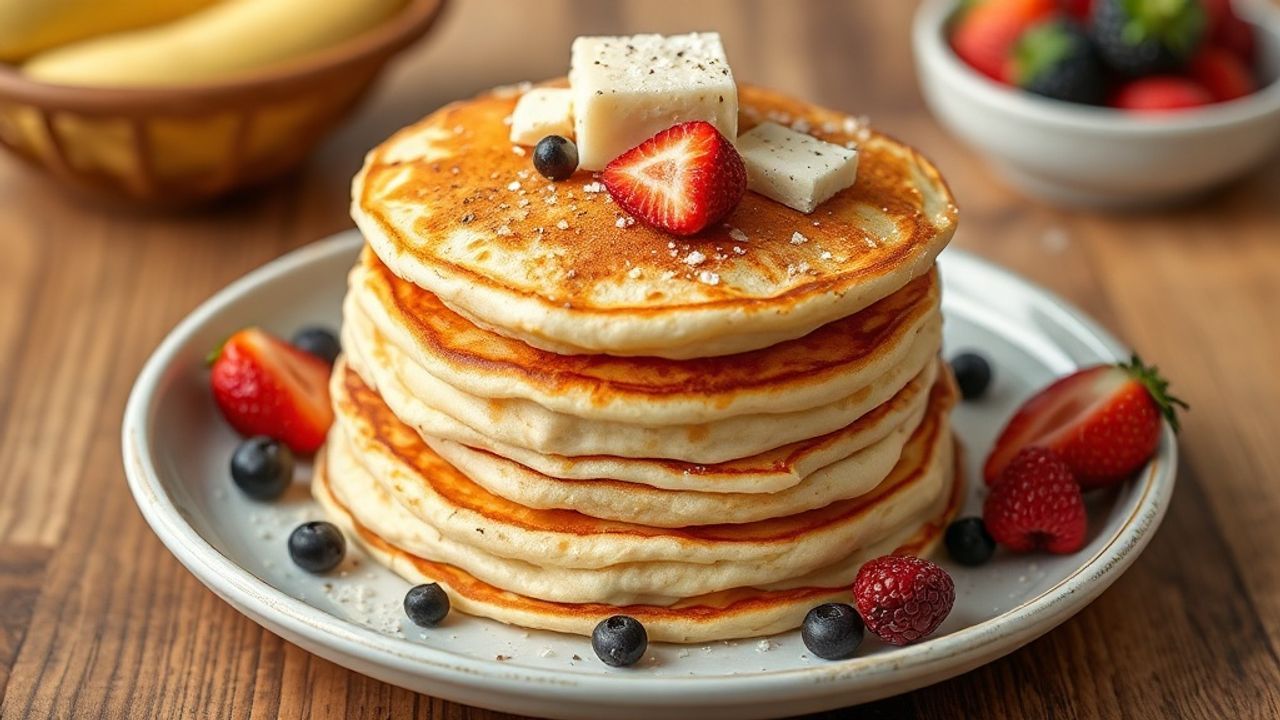
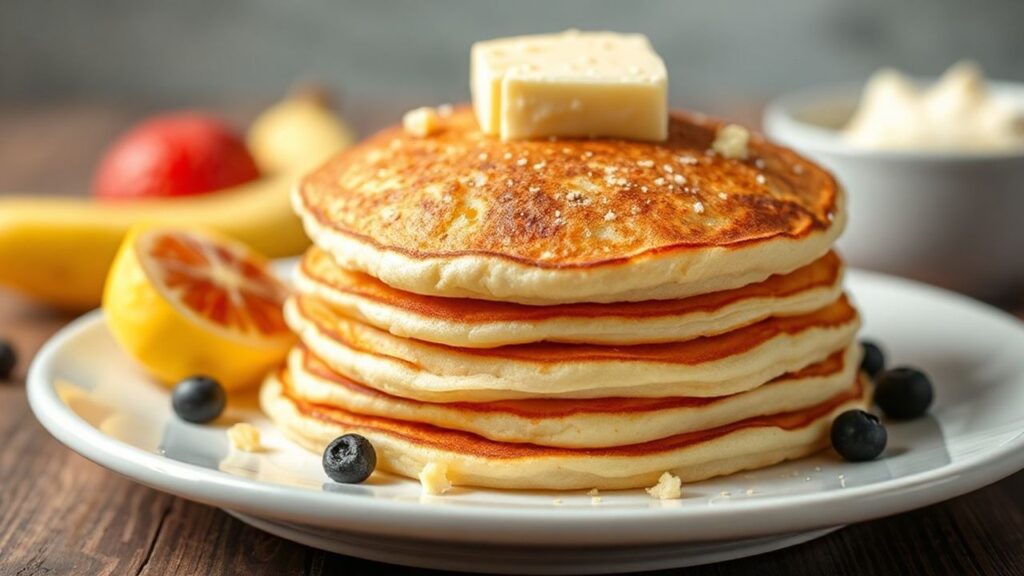
Cottage pancakes deliver a fluffy, high-protein breakfast that fuels mornings and supports recovery. This recipe combines cottage cheese, eggs, and oats for a light crumb and sustained energy.
- High protein: roughly 18 g per two pancakes for satiety and muscle repair.
- Quick: ready in about 25 minutes with minimal equipment.
- Flexible: swaps for gluten-free or lower-fat options without losing texture.
These cottage pancakes balance creaminess and airiness by using cottage cheese and a touch of baking powder. The method below focuses on technique to keep them consistently tender and golden.
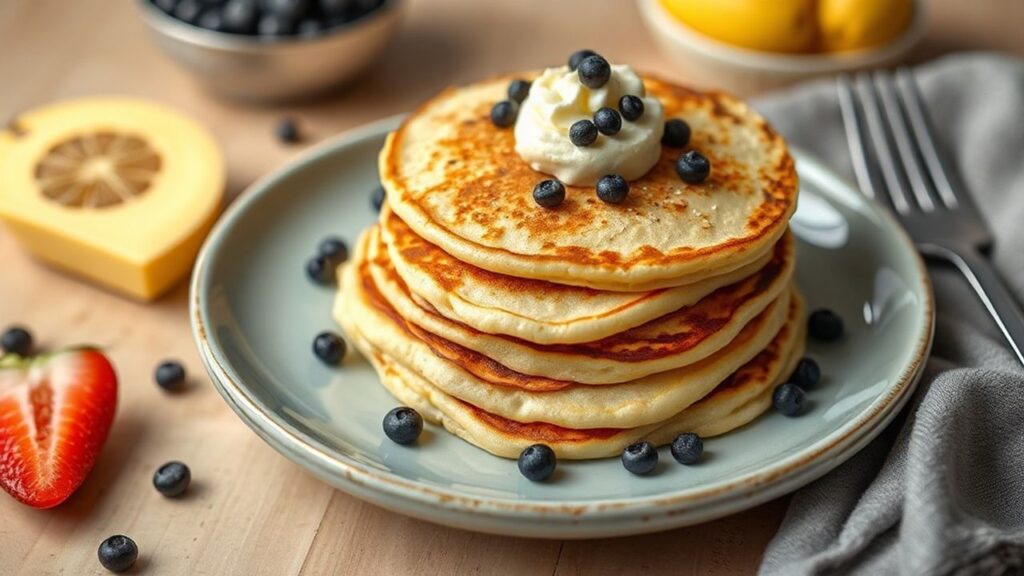
Prep and Cook Time for Cottage Pancakes
Readiness: 10 minutes. Cooking: 15 minutes. Expect a total of 25 minutes from start to table.
Timing reserves a short window for whisking and resting the batter if you choose to fold in whipped egg whites. Keep the pan at medium heat to prevent over-browning while the center cooks through.
Yield and Difficulty
Makes about 8 medium cottage pancakes, serving 3-4 people depending on appetite. The recipe rates Easy to Medium — it requires basic mixing and a careful flip.
If you separate and whip whites, the technique adds a step but improves loft significantly. Use a non-stick skillet or a well-seasoned griddle for best results.
Ingredients
Below are the core ingredients to create tender cottage pancakes with a substantial protein profile. Quantities offer a balanced batter for 8 pancakes.
The list emphasizes pantry-friendly items: cottage cheese, eggs, oat and all-purpose flour, plus a small sweetener and leavening agent for rise.
Core Ingredients
1 cup cottage cheese (full-fat or low-fat), 3 large eggs at room temperature, 1/2 cup rolled oats ground to flour, 1/4 cup all-purpose flour, 1 tbsp honey, 1 tsp baking powder, 1/2 tsp vanilla, pinch of salt, butter or coconut oil for cooking.
For background on cottage cheese as an ingredient, see cottage cheese. For context on pancakes broadly, consult pancake.
Substitutions and Add-ins
Swap all-purpose flour for whole wheat or a certified gluten-free blend; use Greek yogurt for a tangy variant. Add a scoop of neutral protein powder to boost protein further without changing the batter’s hydration much.
Oats contribute fiber and structure; learn more about oats on oat references. Protein-oriented readers can review basics at protein (nutrient).
Step-by-Step Instructions
1) Prepare oat flour by pulsing rolled oats in a blender until fine. Transfer measured oat flour to a bowl and combine with sifted all-purpose flour and baking powder.
2) In a separate large bowl, whisk the eggs, cottage cheese, honey, and vanilla until mostly smooth. A few small curds of cottage cheese help retain moisture and texture.
Mixing and Cooking
3) Fold dry ingredients into the wet mixture just until combined. Overmixing develops gluten and makes the pancakes chewier; stop when you have a uniform batter with small lumps.
4) Heat a non-stick skillet over medium and add a small pat of butter or oil. Spoon 1/4-cup portions of batter onto the surface, cook until bubbles form and edges set (2-3 minutes), then flip carefully and cook another 1.5-2 minutes.
Optional Loft Technique
For extra height, separate egg whites and beat to soft peaks. Fold the whites into batter just before cooking to lock air into the structure. This step makes cottage pancakes lighter while keeping protein content high.
Keep cooked pancakes warm on a rack in a low oven to preserve texture while finishing the batch. Avoid stacking wet pancakes directly; trapped steam softens the exterior.
Tips for Success
Temperature control matters: a medium pan gives a golden exterior while allowing the interior to set. If the pan is too hot, the center will remain undercooked when the outside browns.
Measure flours by weight for repeatable batter consistency. Liquid-to-solid balance changes with cottage cheese moisture; drain excess whey if the cottage cheese is watery.
To raise protein without a chalky taste, choose a vanilla whey isolate and add no more than 1/4 cup to start. Adjust hydration slightly if the batter stiffens.
Toppings and Serving Suggestions to Elevate Your Power Breakfast Experience
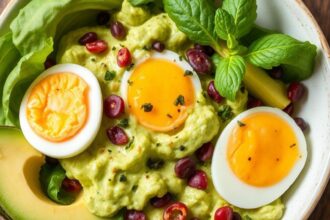
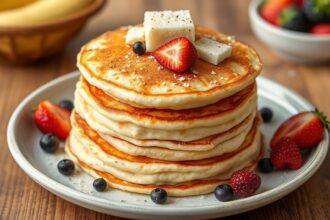
Top cottage pancakes with fresh berries, a dollop of Greek yogurt, chopped nuts, and a light drizzle of maple syrup for balanced macros. Savory servings pair well with smoked salmon, avocado, or herbed yogurt for a protein-rich brunch.
Pair the pancakes with green tea or a fresh-pressed vegetable juice to complement the meal’s protein and fat composition. Vary toppings to shift the meal toward sweet or savory while keeping the base recipe identical.
Nutrition Panel
The sample nutrition below reflects two medium cottage pancakes. Values will vary based on ingredient choices and portion sizes.
| Nutrient | Per Serving (2 pancakes) |
|---|---|
| Calories | 220 kcal |
| Protein | 18 g |
| Carbohydrates | 18 g |
| Fat | 7 g |
Storage and Reheating
Refrigerate leftovers in an airtight container for up to 3 days, or freeze single pancakes separated by parchment for up to 2 months. Reheat in a toaster oven or skillet to restore exterior crispness without drying the crumb.
Avoid microwaving from frozen as that often yields a gummy texture. Thaw overnight in the fridge if possible, then warm gently on medium-low heat until heated through.
For more recipe variations, explore related guides on the site including high-protein breakfast bowls and a practical overview of cottage cheese benefits to match servings to goals.
FAQ
Are cottage pancakes suitable for athletes?
Yes. Cottage pancakes provide a solid protein-to-energy ratio that supports muscle recovery and sustained performance. The eggs and cottage cheese combine for complete amino acid coverage important after training.
Can I make these pancakes gluten-free?
Absolutely. Replace all-purpose flour with a certified gluten-free blend or additional oat flour. Ensure your oats are labeled gluten-free to avoid cross-contamination.
How do I keep cottage pancakes from turning dense?
Mix gently and avoid overworking the batter. Incorporating whipped egg whites or allowing a brief rest can improve aeration and result in a lighter texture.
What is the best fat to cook cottage pancakes in?
Use butter for flavor or refined coconut oil for a neutral profile and higher smoke point. Keep the pan greased lightly to prevent sticking and minimize excess fat absorption.
Can I prepare batter ahead of time?
Yes. Store batter refrigerated for up to 24 hours and stir gently before cooking. If you separate and fold in whipped whites, add them just before cooking for optimal rise.
Final note: These cottage pancakes offer a practical, repeatable way to increase breakfast protein without sacrificing texture or flavor. Apply the technique tips above for consistent, fluffy results.
See also: Cottage pancakes