- Introduction to a Corn Rye Loaf
- At-a-Glance: Corn Rye Prep and Timing
- Ingredients for Corn Rye Loaf
- Yield and Difficulty for Corn Rye Loaf
- Instructions: Corn Rye Loaf Method
- Practical Tips for Consistent Corn Rye Results
- Serving Suggestions for Corn Rye Loaf
- Nutritional Snapshot for Corn Rye Loaf
- Serving and Storage Best Practices for Corn Rye Loaf
- FAQ
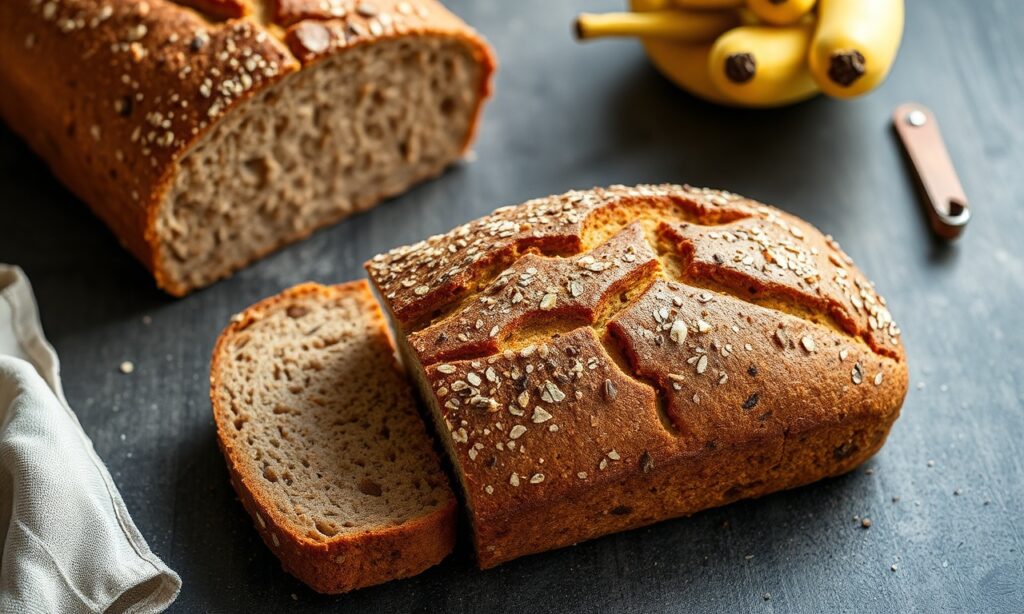
There is deep comfort in baking a rustic corn rye loaf that pairs coarse cornmeal with the earthy tones of rye. This ultimate 7-step corn rye loaf rewards patience and gives a loaf with a firm, crackly crust and a moist, characterful crumb.
- Key takeaway: Blend cornmeal and rye to balance sweetness and tang for a rustic crumb.
- Key takeaway: Use a natural leaven or measured yeast and control fermentation for flavor depth.
- Key takeaway: High initial oven heat and steam produce a crackly, caramelized crust.
- Key takeaway: Rest the loaf fully to set the crumb and maximize flavor.
Introduction to a Corn Rye Loaf
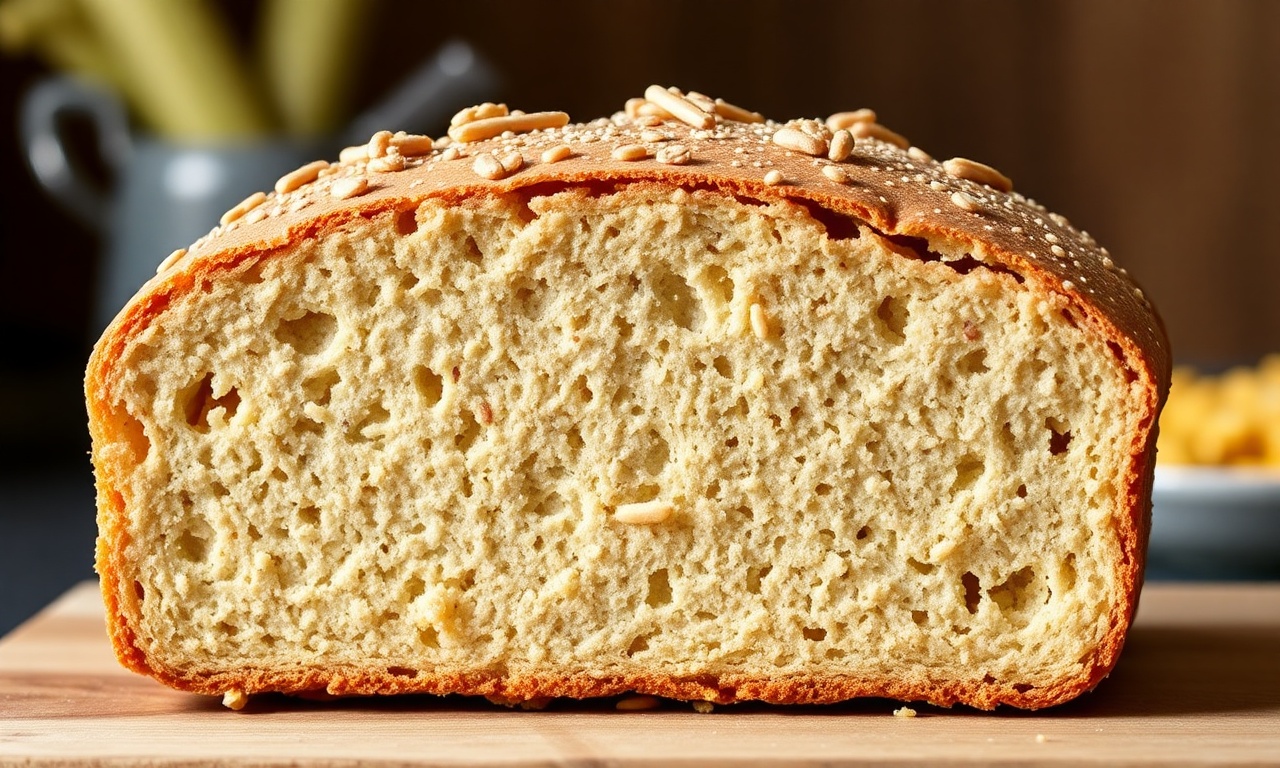
This corn rye loaf marries finely ground corn flour with rye and bread flour for a textured, robust bread. The balance of flours creates a loaf that holds bold toppings and improves with age. The earthy notes of rye flour and the subtle sweetness of cornmeal combine beautifully in this rustic bread.
Rye adds acidity and enzyme activity that alters dough handling and fermentation. If you want technical context on how grain fermentation affects dough, see fermentation in food processing.
At-a-Glance: Corn Rye Prep and Timing
Prep: about 25 minutes active work. Plan short intervals for mixing, folds, and shaping to keep the dough manageable when working with rye.
Total time: roughly 4 hours including rises, or longer with a cold retard overnight. Cold proofing yields a deeper flavor and firmer crumb for this corn rye loaf.
Ingredients for Corn Rye Loaf
Use quality flours and a living leaven or measured yeast to control fermentation. For the corn element, choose a fine corn flour (cornmeal) to help even hydration; see cornmeal for product distinctions.
Key ingredients: corn flour, rye flour, bread flour, lukewarm water, sea salt, active starter or yeast, seeds, and a touch of sweetener if desired. Measure by weight for consistency when combining these components for a corn rye loaf.
Ingredient Details
Corn flour: Finely ground corn flour hydrates predictably and contributes color. Too coarse a grind creates gaps in the crumb and reduces cohesion in a corn rye blend.
Rye flour: Light or medium rye adds aroma and acidity while reducing elasticity. Rye handling differs from wheat; for historical and stylistic context refer to rye bread.
Yield and Difficulty for Corn Rye Loaf
This recipe yields one rustic loaf, typically 8–10 slices. Expect a medium difficulty level: rye content demands gentle handling and attention to fermentation stages. Mastering this corn rye loaf is a rewarding baking achievement.
Difficulty: Medium. Expect a tacky, somewhat sticker dough and practice stretch-and-folds to build strength. The corn rye loaf teaches control over hydration and proof timing.
Instructions: Corn Rye Loaf Method
Step 1: Combine dry ingredients—corn flour, rye flour, bread flour, and salt—in a large bowl until evenly distributed. A uniform dry blend improves hydration consistency in this corn rye formula.
Step 2: Add active starter or most of the lukewarm water and mix to a shaggy dough. The dough will feel sticky; tackiness is normal with rye and corn present.
Step 3: Fold in seeds and a small amount of honey or maple syrup if you want a hint of sweetness. Add inclusions early for even distribution without tearing the dough structure.
Step 4: Hydrate the dough with a 30-minute rest so the corn and rye absorb water fully. This autolyse-like pause reduces stickiness and helps the corn rye loaf finish with a better crumb.
Step 5: During bulk fermentation, perform stretch-and-fold cycles every 30 minutes for two hours to build structure. Even though rye develops less gluten, these movements align strands and improve oven spring for a corn rye loaf.
Step 6: Shape gently into a boule or bâtard, preserving gas pockets for an open crumb. Place the shaped dough in a well-floured banneton or lined bowl to proof.
Step 7: Proof at room temperature for about 1 hour until expanded and slightly springy when poked. Alternatively, refrigerate overnight for a cold proof and bake from cold the next day for enhanced flavor in your corn rye loaf.
Step 8: Preheat the oven to 460°F (240°C) with a Dutch oven or baking stone inside for at least 30 minutes. A hot, enclosed vessel traps steam and produces the crackly crust this corn rye loaf benefits from; for typical home use consult Dutch oven.
Step 9: Score the loaf, bake covered for 20 minutes, then uncover and bake another 20 minutes to deepen crust color. Remove when crust shows even caramelization and the internal temperature reaches 204–208°F (95–98°C).
Step 10: Cool fully on a wire rack for at least 2 hours before slicing to let the crumb set. Slicing too soon leads to a gummy interior and diminished flavor in a corn rye loaf.
Practical Tips for Consistent Corn Rye Results
Adjust the corn flour ratio between 20–30% of total flour weight to tune crumb tenderness and sweetness. More corn increases tenderness but lowers cohesion, so balance with bread flour for lift in a corn rye loaf.
Hydration should yield a tacky but workable dough; add water in small increments. Rye absorbs liquids differently, so measure by feel and expect brand or grind variability.
For seed mix-ins, toast sunflower, flax, and pumpkin seeds before folding them in to enhance aroma and avoid raw seed flavors. Increase hydration slightly when adding large amounts of dry inclusions.
Cold retard in the refrigerator for 8–12 hours for a cleaner flavor profile and easier slicing the next day. This extends fermentation and improves digestibility and aroma in a corn rye loaf.
Serving Suggestions for Corn Rye Loaf
Slice thick and serve with cultured butter or aged cheese to match the bold rye notes. The corn rye loaf pairs well with tangy spreads and hearty toppings.
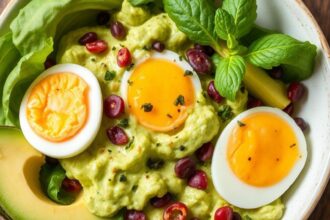
Toast slices for avocado smash with sea salt and chili flakes, or serve alongside vegetable stews and bean soups for a robust meal. The loaf holds up under dense toppings without losing texture.
Nutritional Snapshot for Corn Rye Loaf
This loaf yields approximately 180 kcal per slice with moderate protein from mixed flours. The combination of seeds and rye increases fiber and micronutrient density compared with white bread. Enjoy this wholesome corn rye loaf.
Adjust serving sizes based on accompaniments and targets; freeze sliced portions for longer storage and toast from frozen for best texture retention. Freezing preserves freshness beyond the 2–3 day window for a corn rye loaf.
| Nutrient | per Slice (Approx.) |
|---|---|
| Calories | 180 kcal |
| Protein | 5 g |
| Carbohydrates | 32 g |
| Fat | 3 g |
Serving and Storage Best Practices for Corn Rye Loaf
Store the fully cooled loaf wrapped loosely in a clean towel or placed in a paper bag to maintain crust texture. Avoid airtight containers at room temperature because trapped moisture softens the crust.
For longer storage, slice and freeze. Toast directly from frozen for the best balance of convenience and crust preservation for a corn rye loaf.
Related reads on this site: check our tag pages for more bread guidance at corn-rye tag and explore shaping and sourdough technique in our recipe collection at sourdough recipes.
FAQ
What makes this loaf ‘rustic’?
The loaf feels rustic due to its coarse crumb, open texture, and strong rye flavor. It values character and chewiness over a perfectly uniform crumb.
Can I use only rye and corn without bread flour?
Using only rye and corn will yield a dense loaf because both lack strong gluten. Small additions of bread flour improve rise and elasticity significantly for a corn rye loaf.
How do I swap sourdough starter for yeast?
Replace the starter with 2 1/4 tsp active dry yeast and shorten proof times. Expect less sour tang but faster fermentation and a reliable rise in the corn rye formula.
Why is the crumb gummy sometimes?
Gummy crumb usually means insufficient baking temperature or slicing too early. Confirm internal temperature and allow a full cool-down; the corn rye loaf needs time to finish internal gelatinization and flavor development.
Can I add other grains or seeds?
Yes. Toasted sunflower, flax, and oats work well. Increase hydration slightly to compensate for extra dry ingredients that absorb water in a corn rye loaf.
Use the guidance above with careful timing and gentle handling to produce consistent loaves. Monitor dough by feel rather than clock time alone, because rye and corn blends vary by brand and humidity.
Happy baking: practice yields better crumb, cleaner flavor, and a more dependable crust with each corn rye loaf you make.