

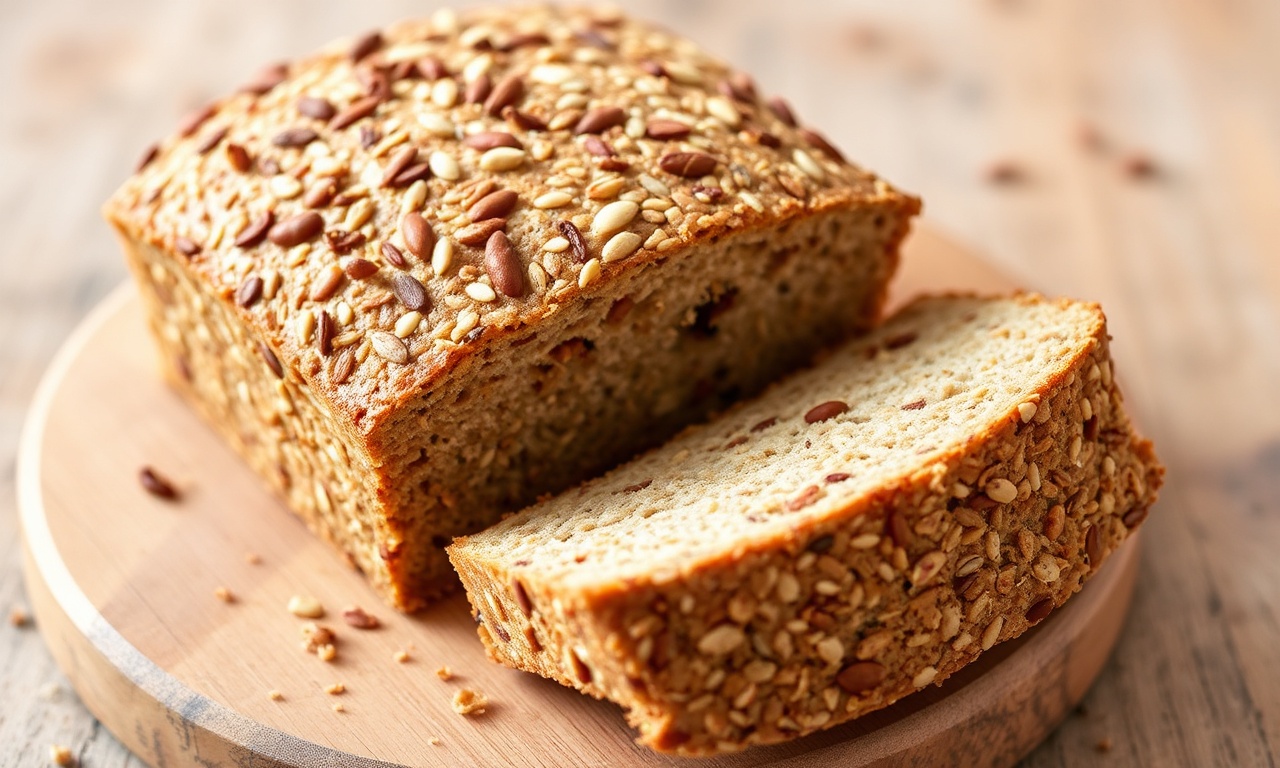
In the world of wholesome baking, few ingredients boast the ancient charm and nutritional prowess of amaranth. When combined with a crunchy medley of seeds, this gluten-free powerhouse transforms into a loaf that’s as hearty as it is indeed healthy. Welcome to “Nutty Goodness: Gluten-Free Amaranth & Seed Bread Recipe” – where tradition meets innovation, and every slice tells a story of earth-grown simplicity and nourishing delight. Whether you’re a seasoned gluten-free baker or just beginning your journey with gluten-free options, this recipe promises a fragrant, textured bread that perfectly balances nutty flavors with wholesome grains, inviting you to savor each bite guilt-free.
Gluten: Discovering the Nutritional Powerhouse Behind Amaranth and Seeds
Nutty Goodness: Gluten-Free Amaranth & Seed Bread Recipe reveals the hidden gems of nutrition packed within ancient grain amaranth and a vibrant mix of nutrient-rich seeds. Native to Central and South America, amaranth was a staple for the Aztecs, prized not only for its hearty, slightly earthy flavor but also for its remarkable protein profile and abundance of fiber, calcium, and iron. Paired with a medley of sesame, sunflower, pumpkin, and flax seeds, this loaf transforms simple ingredients into a wholesome, gluten-free powerhouse that’s as nourishing as it is flavorful. This focus on naturally gluten-free ingredients makes it an excellent choice for those managing celiac disease or gluten sensitivities.
Beyond nutrition, the seeds add delightful bursts of texture and a rustic nuttiness that elevate every bite. Understanding this synergy helps you truly appreciate and master the balance of hearty chew and tender crumb in your homemade bread, a hallmark of successful gluten-free baking.
Why Gluten-Free Matters: Prep and Cook Time
- Preparation: 20 minutes
- Rising Time: 1 hour 15 minutes
- Baking Time: 40 minutes
- Total Time: Approximately 2 hours
Yield
This recipe yields one 9×5-inch loaf, serving 8 hearty slices perfect for breakfasts, snacks, or sandwiches.
Difficulty Level
Medium: Ideal for those comfortable with gluten-free baking and looking to deepen their understanding of texture balancing and seed incorporation in gluten-free recipes.
Ingredients
- 1 cup amaranth flour, finely ground
- 1 cup gluten-free oat flour
- ½ cup tapioca starch
- 2 tbsp psyllium husk powder
- 1 tsp baking soda
- ½ tsp sea salt
- 1 tbsp baking powder, gluten-free
- 3 tbsp mixed seeds (pumpkin, sunflower, sesame, flax), plus extra for topping
- 2 large eggs, room temperature
- 1 ¼ cups warm water (about 105°F / 40°C)
- 2 tbsp olive oil, extra virgin
- 1 tbsp apple cider vinegar
- 1 tbsp maple syrup or mild honey alternative
Step by Step Guide to Baking Perfect Nutty Amaranth and Seed Loaves
- Preheat your oven to 350°F (175°C). Line a 9×5-inch loaf pan with parchment paper or grease with olive oil to ensure easy removal.
- Mix dry ingredients. In a large bowl, combine amaranth flour, oat flour, tapioca starch, psyllium husk powder, baking soda, baking powder, and sea salt. Whisk gently to incorporate and aerate.
- Add seeds. Fold in 3 tablespoons of the mixed seeds, preserving a spoonful for topping. These add essential crunch and nutritional complexity to your gluten-free loaf.
- Combine wet ingredients. In a separate bowl, whisk together eggs, warm water, olive oil, apple cider vinegar, and maple syrup until smooth and glowing with slight bubbles.
- Merge mixtures. Slowly pour the wet ingredients into the dry, stirring with a spatula until the batter is thick but spreadable-do not overmix to maintain tender crumb.
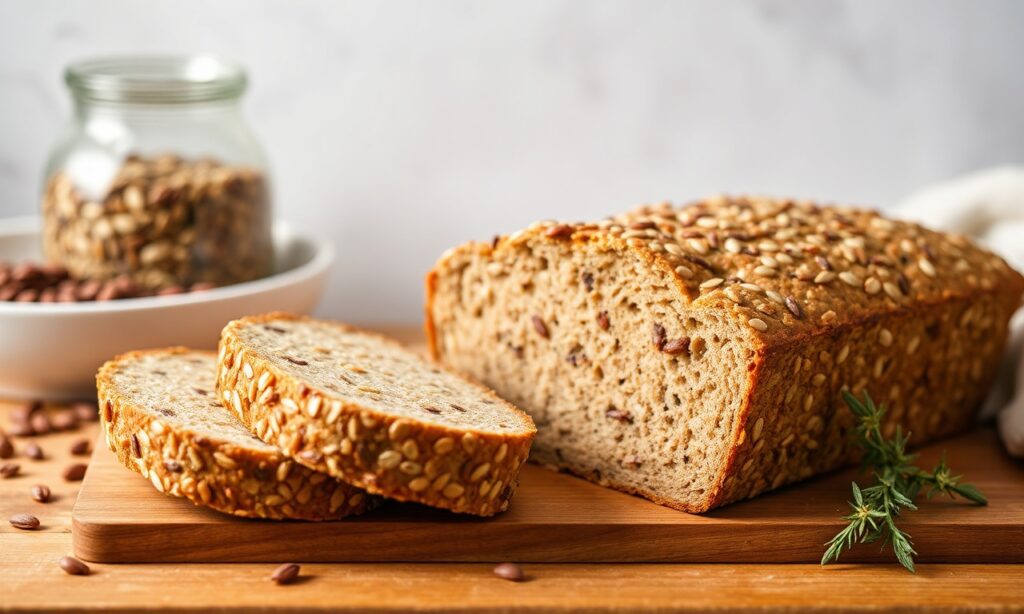
- Transfer and top. Spoon the batter into the prepared loaf pan, smoothing the surface. Sprinkle the reserved seeds generously over the top to create a visually enticing, nutty crust.
- Let it rise. Cover loosely with a damp towel and let the dough rise in a warm spot for about 1 hour, or until you notice a gentle puffing-this helps develop texture and lightness in your gluten-free bread.
- Bake. Place the pan in the oven and bake for 40 minutes. The bread should emit a warm, toasty aroma, and a toothpick inserted should come out clean.
- Cool thoroughly. Remove the loaf and cool in the pan for 10 minutes before transferring to a wire rack. This prevents sogginess and preserves the nutty crust crispness.
Expert Tips for Customizing and Storing Your Gluten-Free Bread
Experiment by swapping in quinoa flour or adding ground flaxseeds for a different protein boost. For a sweeter loaf, fold in dried cranberries or chopped nuts to complement the nutty profile. If you find your bread too dense, try increasing the psyllium husk slightly or allowing a longer rise time – common adjustments for gluten-free baking.
For storage, slice once completely cooled and keep in an airtight container at room temperature for up to 3 days. For longer freshness, freeze slices individually wrapped in parchment and foil-toast straight from frozen for a fresh-baked experience.
Serving Suggestions
Enjoy thick slices toasted with tangy avocado smash, a drizzle of lemon, and microgreens for a fresh brunch. Or spread a vibrant beet hummus topped with toasted sesame seeds for an eye-catching appetizer. The bread’s nutty flavor also pairs beautifully with creamy nut butters or a drizzle of local honey, crowned with fresh berries for a delightful morning treat.
| Nutrient | Per Slice (1/8 Loaf) |
|---|---|
| Calories | 140 kcal |
| Protein | 6 g |
| Carbohydrates | 22 g |
| Fat | 4 g |
| Fiber | 4 g |
For more baking inspiration and related gluten-free grain profiles, visit our Complete Guide to Gluten-Free baking. To dive deeper into amaranth’s amazing history and health benefits, check this detailed article on NCBI.
Q&A
Q&A: Nutty Goodness – Gluten-Free Amaranth & Seed Bread Recipe
Q1: What makes amaranth such a special ingredient in gluten-free baking?
A1: Amaranth is a tiny powerhouse grain renowned for its nutty flavor, high protein content, and extraordinary nutrient profile. Unlike many gluten-free flours, it brings a natural earthiness and subtle crunch to baked goods, especially bread. Plus, it’s loaded with fiber, iron, and calcium, making your gluten-free loaf not just appetizing but nourishing too.
Q2: Why combine seeds with amaranth in this bread recipe?
A2: Seeds like sunflower, pumpkin, and chia add layers of texture and flavor, turning every bite into a delightful crunch fest. Beyond taste, they boost the bread’s nutritional profile with healthy fats, antioxidants, and extra fiber. Together with amaranth, they create a bread that’s deeply satisfying and wholesome.
Q3: Is this bread suitable for people with other dietary restrictions?
A3: Absolutely! This recipe is naturally gluten-free and can easily be made dairy-free and vegan by choosing plant-based milk and omitting or replacing eggs with alternatives like flaxseeds or chia gel. It’s a versatile option for many dietary needs, ensuring no one misses out on freshly baked goodness.
Q4: How does the texture of amaranth and seed bread compare to traditional wheat bread?
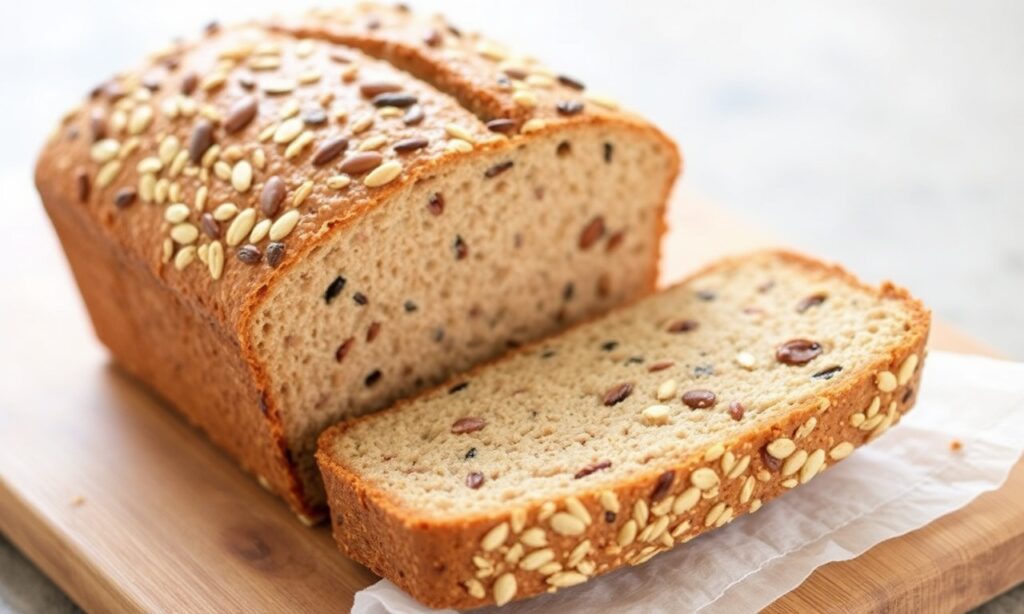
A4: While it won’t have the exact springy chew of wheat bread, this loaf offers a wonderfully hearty crumb with a crisp crust. The seeds add delightful crunch, and the amaranth imparts a tender yet sturdy structure. It’s perfect sliced thick for sandwiches or toasted with your favorite spread.
Q5: What are some creative ways to enjoy this gluten-free bread?
A5: This bread shines when paired with creamy nut butters, fresh avocado and a sprinkle of chili flakes, or simple hummus and roasted veggies. It’s also fantastic toasted with a drizzle of honey or layered into open-faced sandwiches topped with vibrant greens and sprouts.
Q6: Can I prepare the dough ahead of time, or is it best baked fresh?
A6: The dough can be mixed the night before and refrigerated to develop even deeper flavors overnight. Just remember to bring it to room temperature before baking to help it rise properly. Freshly baked, though, the aroma and taste of this nutty, seeded loaf are truly unbeatable.
Q7: Are there any tips for perfecting the rise and crumb in gluten-free bread?
A7: Yes! Using a combination of xanthan gum or psyllium husk powder helps mimic gluten’s elasticity, giving the bread a better rise and structure. Also, don’t skip the yeast and allow sufficient proofing time in a warm spot. A hot oven and steam (like a pan of water) during the first few minutes of baking can enhance crust growth and oven spring.
Q8: What seeds work best in this recipe, and can I experiment with others?
A8: Sunflower, pumpkin, sesame, chia, and flax seeds are all excellent choices, each offering unique textures and flavors. Feel free to mix and match according to your pantry and taste preferences! Just keep the total seed quantity consistent to maintain the right dough balance.
Q9: How long will this gluten-free amaranth and seed bread stay fresh?
A9: When stored in an airtight container at room temperature, it stays fresh for about 2-3 days. For longer preservation, slice and freeze it-toast slices straight from the freezer for a fast, crunchy treat anytime.
Q10: Can this recipe be adapted for a bread machine or other appliances?
A10: Yes, many bread machines can handle gluten-free doughs, though settings vary. Use the gluten-free setting if available, and avoid overmixing seeds to prevent machine strain. Otherwise, the traditional method offers more control, especially for shaping and adding seeds on top.
Ready to dive into the nutty, seedy world of gluten-free baking? Your kitchen is about to fill with irresistible aromas and wholesome goodness!
Wrapping Up
As we wrap up our journey through the wholesome world of gluten-free baking, it’s clear that amaranth and seeds aren’t just ingredients-they’re tiny powerhouses of nutrition and flavor waiting to transform your kitchen creations. This Nutty Goodness bread recipe invites you to embrace the crunchy, earthy textures and the subtle nutty notes that make every bite a festivity of health and taste. Whether you’re gluten-free by choice or necessity, this loaf offers a welcome alternative that doesn’t compromise on heartiness or satisfaction. So, dust off that mixing bowl, gather your seeds, and let this bread become your new pantry staple-because nourishing goodness has never tasted this good.
See also: Gluten