

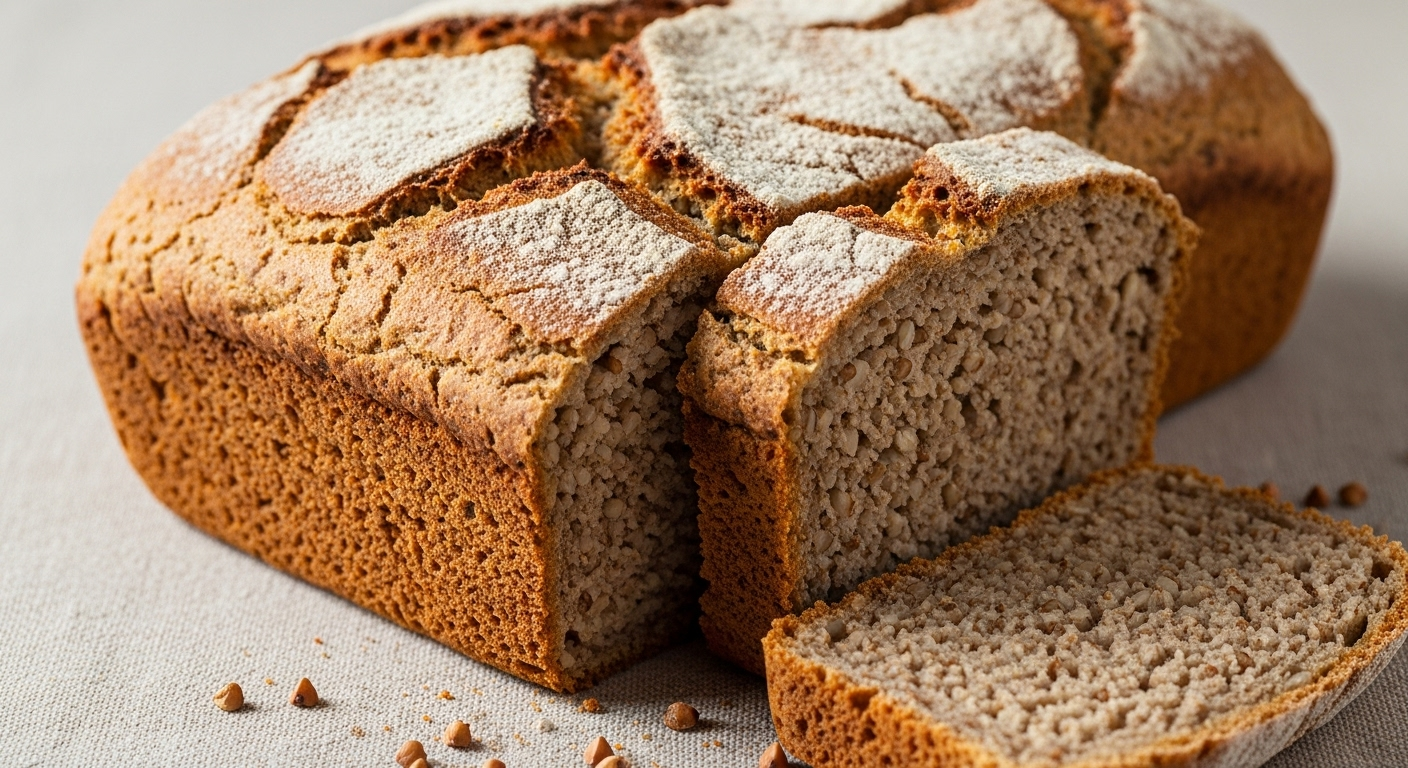
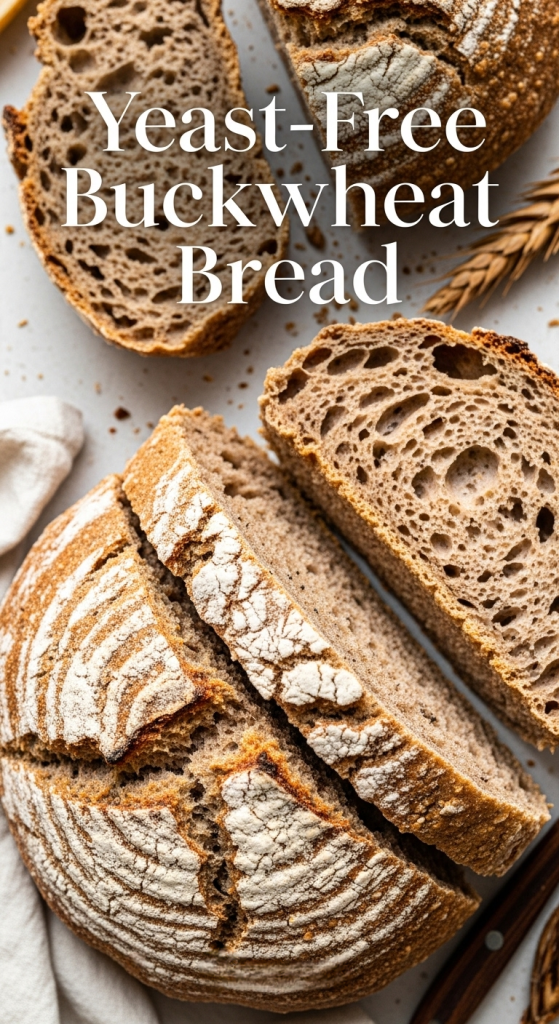
In a world where bread frequently enough owes its rise to the magic of yeast, there’s a quietly sturdy alternative gaining attention-buckwheat bread, crafted without a trace of yeast yet bursting with flavor and nutrition. Welcome to “Simple & Tasty: Your Guide to Yeast-Free Buckwheat Bread,” where tradition meets innovation in the most wholesome way. Whether you’re navigating dietary restrictions, seeking a new baking adventure, or simply craving a hearty slice that’s both satisfying and straightforward, this guide unfolds the secrets to mastering buckwheat bread without the wait or the fuss. get ready to discover how this humble grain transforms into golden, crusty loaves that celebrate simplicity and taste in every bite.
Choosing the Perfect Buckwheat Flour for Optimal Flavor and texture
Simple & Tasty: Your Guide to Yeast-Free buckwheat Bread begins with selecting the right buckwheat flour-an ingredient that holds the secret to both the distinctive flavor and desired crumb. Buckwheat flour varies from light and finely milled to coarser whole-ground versions,each contributing differently to your bread’s profile. For a tender crumb with a hint of nuttiness, opt for a medium-ground, stone-milled buckwheat flour. It offers a balance between structure and moisture absorption, ensuring your dough doesn’t become too dense or crumbly. Whole buckwheat flours, while flavorful, tend to produce a more rustic texture and can benefit from mixing with a lighter flour such as gluten-free oat or tapioca starch to lighten the crumb.
Check the freshness of the flour, too-freshly milled buckwheat flour carries a vibrant earthiness and crisp flavor, while older flour may taste dull or slightly bitter. Store your buckwheat flour in an airtight container in a cool, dark place, or even refrigerated, to retain its quality.
mastering the Art of Yeast-Free Dough Preparation
Getting yeast-free dough to rise and develop flavor is an art, and buckwheat bread excels because of its natural nuttiness and moisture-retaining properties. Begin by combining buckwheat flour with a mild leavening agent like baking soda or baking powder, frequently enough paired with an acid such as lemon juice or apple cider vinegar. This combination produces gentle lift and tenderness without the wait time of yeast fermentation.
Hydration matters greatly here; a wetter dough can help reduce the coarse graininess, promote better crumb elasticity, and improve bite. Mixing in eggs or yogurt will boost moisture and help bind ingredients, lending a delicate yet resilient crumb.When mixing, aim for a batter or dough that’s just sticky enough to hold together, but not runny, ensuring easy shaping and even baking.
Baking Tips to achieve a Crispy Crust and Tender Crumb
Oven temperature and baking surfaces can make or break your buckwheat bread’s crust. Preheat your oven well in advance to 425°F (220°C),and use a heavy-duty baking stone or cast iron skillet for optimal heat retention. This powerful heat jump-starts crust formation, yielding a deeply browned, crispy exterior that snaps delightfully.
Adding a small oven-safe pan of water during the first 10 minutes of baking will create steam, enhancing crust crispness without drying the crumb. Avoid overbaking; once the loaf sounds hollow when tapped and reaches an internal temperature of 210°F (99°C), it’s done. Let the loaf cool completely on a wire rack to lock in moisture and finish setting the crumb.
Delicious Serving Suggestions to Complement Your Buckwheat Bread
This bread’s bold, earthy flavor pairs beautifully with a variety of fresh and vibrant toppings. Slather with a creamy avocado mash, topped with a sprinkle of smoked paprika and flaky sea salt for a simple yet complex snack. For a heartier meal, use thick slices to build open-faced sandwiches with roasted vegetables, tangy goat cheese, and fresh herbs like thyme or dill.
Because buckwheat’s nutty profile shines against both sweet and savory accompaniments, try spreading almond butter and ripe banana slices drizzled with a touch of local honey for breakfast or an energizing afternoon treat. Serve toasted alongside a vivid bowl of tomato and roasted pepper soup to balance warmth and freshness.
Prep and Cook Time
- Preparation: 15 minutes
- Baking: 40-45 minutes
- Total Time: 60 minutes (including cooling)
Yield
One 8-inch loaf, serves 8 slices
Difficulty Level
Easy
Ingredients
- 2 cups buckwheat flour, medium-ground
- 1 teaspoon baking soda
- 1 teaspoon baking powder
- ½ teaspoon fine sea salt
- 2 large eggs, room temperature
- 1 ¼ cups plain yogurt (or dairy-free coconut yogurt for vegan option)
- 1 tablespoon apple cider vinegar
- 2 tablespoons honey or maple syrup
- 2 tablespoons olive oil, plus extra for greasing
Instructions
- Preheat oven to 425°F (220°C). Lightly grease an 8-inch loaf pan or line it with parchment paper.
- In a large bowl, whisk together buckwheat flour, baking soda, baking powder, and salt until evenly combined.
- In a seperate bowl, beat the eggs lightly.Stir in yogurt, apple cider vinegar, honey, and olive oil until smooth and homogenous.
- Pour wet ingredients into the dry mixture and gently fold together with a spatula until just combined-avoid overmixing to keep the crumb tender.
- transfer the batter into the prepared loaf pan and smooth the top with a spatula.
- Place a small oven-safe dish of water on the lower rack of the oven to create steam while baking.
- bake for 40-45 minutes or until the loaf is deeply golden and a toothpick inserted in the centre comes out clean. The loaf should sound hollow when tapped.
- Remove from oven and cool in the pan for 10 minutes,then transfer to a wire rack to cool completely before slicing.
Chef’s Notes
- Texture tweaks: For a lighter crumb, add 2 tablespoons of tapioca starch or gluten-free oat flour to the dry mix.
- Flavor enhancements: Toasted flaxseeds or chopped walnuts stirred into batter add crunch and complexity.
- Make-ahead: Store cooled bread tightly wrapped in foil at room temperature for up to 3 days, or freeze slices for up to 1 month.
- Egg-free option: Use a flaxseed “egg” substitute (1 tbsp flaxseed meal + 3 tbsp water,soaked 5 mins) mixed with ¼ tsp baking powder to help leaven.
- Common issues: If bread feels gummy, ensure baking powder and soda are fresh and avoid underbaking-use a thermometer to check doneness.
Serving Suggestions
Warm slices with a schmear of tangy labneh or plant-based cream cheese, garnished with fresh herbs like chives or basil, make a delightful breakfast or brunch centerpiece.
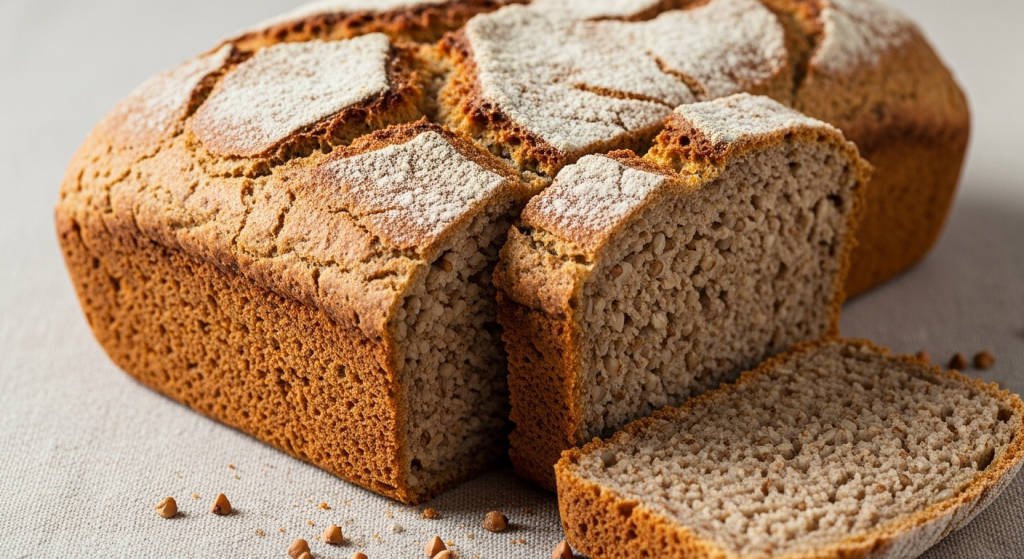
Pair toasted buckwheat bread alongside earthy mushroom ragout or a bright beetroot and walnut salad for a well-rounded meal. A drizzle of extra virgin olive oil with a sprinkle of sea salt elevates the bread simply yet elegantly. For a sweet twist, serve with fresh berries and a light dusting of powdered sugar to bring out the nutty sweetness.
| Nutrient | Amount per Slice |
|---|---|
| Calories | 150 kcal |
| Protein | 5 g |
| Carbohydrates | 22 g |
| Fat | 5 g |
For more inspiration on gluten-free, yeast-free baking, explore our Gluten-Free Bread recipes collection. Curious about the nutritional benefits of buckwheat? Visit Healthline’s thorough guide to unlock its wholesome potential.
Q&A
Q&A: Simple & Tasty: Your Guide to Yeast-Free Buckwheat Bread
Q1: What makes buckwheat bread different from regular wheat bread?
A1: Buckwheat bread stands apart as it’s naturally gluten-free and made from buckwheat flour, which isn’t actually related to wheat. It has a rich, nutty flavor and a denser texture.Unlike traditional wheat bread,it’s frequently enough yeast-free,relying on other rising agents or simply embracing a more rustic,hearty crumb.
Q2: Why choose yeast-free buckwheat bread?
A2: Yeast-free buckwheat bread is both allergy-amiable and easy to digest since it avoids yeast, which can sometimes cause bloating or sensitivities. Plus, it’s quicker to make-no waiting for dough to rise-and perfect for those craving homemade bread without the fuss.
Q3: How do you achieve a good rise in yeast-free buckwheat bread?
A3: Instead of yeast, you can use baking powder or baking soda combined with acidic ingredients like lemon juice or apple cider vinegar. These create bubbles that help the bread rise. Additionally, whipped egg whites or aquafaba can lighten the batter, adding a pleasantly airy texture.
Q4: Can buckwheat flour be used alone, or should it be combined with other flours?
A4: You can bake 100% buckwheat bread, but it tends to be denser and more crumbly. Combining buckwheat flour with gluten-free flours like rice flour, oat flour, or almond flour can improve texture and elasticity. Experimentation allows you to find your ideal balance between flavor and structure.
Q5: What flavor pairings complement buckwheat bread?
A5: Buckwheat’s earthy, robust taste pairs beautifully with savory herbs like rosemary, thyme, or sage. Adding seeds such as sunflower, pumpkin, or flax adds crunch and nutritional boost.For a sweeter twist, try incorporating cinnamon, walnuts, or dried fruit.
Q6: How should yeast-free buckwheat bread be stored?
A6: To keep your bread fresh, wrap it tightly in a clean kitchen towel or store it in an airtight container at room temperature for up to 2 days.for longer storage, slice and freeze it-then toast slices as needed for a warm, fresh experience.
Q7: Is buckwheat bread suitable for people with gluten intolerance?
A7: Absolutely! buckwheat is naturally gluten-free, making this bread a fantastic alternative for those with celiac disease or gluten sensitivity. Just ensure that all other ingredients and baking surfaces are gluten-free to avoid cross-contamination.
Q8: Any tips for beginners making yeast-free buckwheat bread?
A8: Start simple! Use a reliable recipe, measure ingredients precisely, and don’t skip the rising agents. Remember, buckwheat dough will be wetter and stickier than wheat dough-embrace the rustic nature. Patience and practice will yield delicious results.
Q9: Can yeast-free buckwheat bread be made vegan?
A9: Yes! Replace eggs with flax or chia seed “eggs” (1 tablespoon ground seeds mixed with 3 tablespoons water) to bind the ingredients. Use plant-based yogurt or non-dairy milk combined with baking soda for the rise.This way, you maintain flavor and texture without animal products.
Q10: What makes homemade yeast-free buckwheat bread a winner in your kitchen?
A10: It’s the perfect marriage of simplicity and taste-nutrient-rich, naturally free from yeast, and bursting with character. Homemade buckwheat bread invites creativity, warmth, and wholesome goodness onto your table, making every slice feel like a cozy celebration of wholesome baking.
In Retrospect
As you’ve discovered, buckwheat bread doesn’t need yeast-or complexity-to be utterly delicious. This humble grain, rich in nutrients and robust flavor, offers a wholesome alternative for those seeking simplicity without sacrificing taste. Whether you’re new to baking or looking to diversify your loaf repertoire, buckwheat bread invites you to embrace a yeast-free journey that’s both satisfying and nourishing. So, roll up your sleeves, gather your ingredients, and let this guide be your gateway to wholesome, hearty slices that celebrate the art of straightforward, tasty baking. Your next favorite bread awaits-no yeast required.