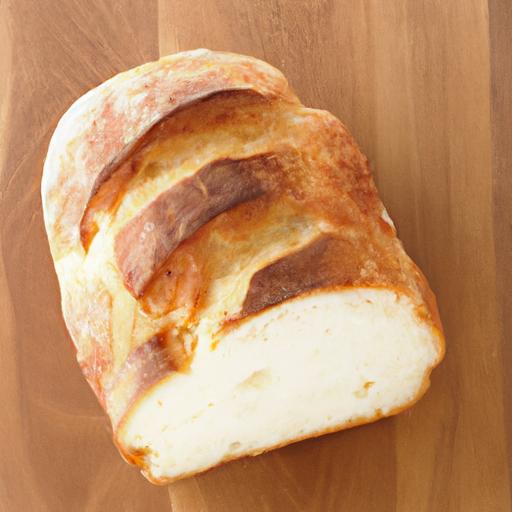

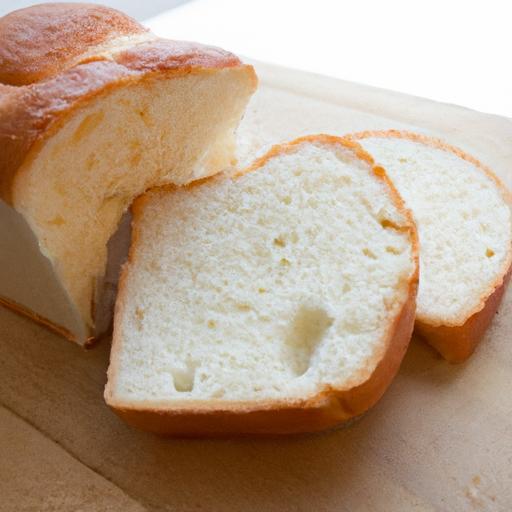
There’s something almost magical about biting into a perfectly fluffy milk bread loaf-the tender crumb that melts in your mouth, the subtle sweetness that lingers with every bite, and that irresistible pillowy softness that feels like a warm hug. But behind this deceptively simple delight lies a carefully guarded secret, a subtle technique that transforms ordinary ingredients into cloud-like bread. In this article, we’ll unravel the soft secret behind the milk bread loaf’s signature texture, exploring the science and art that elevate this humble staple to a marvel of softness and flavor. Whether you’re a seasoned baker or a curious beginner, prepare to discover how a few thoughtful touches can make all the difference between a loaf that’s just good and one that’s unforgettable.
Unlocking the Role of sweeteners in Enhancing Milk Bread Softness
The Soft Secret Behind Perfectly Fluffy Milk Bread Loaf begins with understanding how sweeteners do more than just add gentle sweetness-they wonderfully elevate the bread’s softness and crumb texture. Sweeteners like honey or sugar attract and retain moisture within the dough, keeping each slice tender long after baking. This hygroscopic property delays staling and creates a luxuriously soft bite that is signature to milk bread.
When working with sweeteners, choosing the right type and quantity balances flavor and dough hydration, helping you unlock that pillowy softness. For an optimal tender crumb, I always recommend granulated sugar paired with a touch of honey, as honey not only aids softness but enhances the dough’s browning for a delicate golden crust.
The Science of Dough Hydration for a Tender and Airy Crumb
The precise hydration ratio is the cornerstone of a beautifully airy crumb. Milk bread dough typically has a slightly higher hydration than regular white bread, thanks to the milk and sweeteners that contribute liquid volume. Incorporating whole milk adds fat and sugars that enrich the dough, while water helps adjust gluten elasticity.
Achieving that ethereal softness means striking a balance-too much liquid and the dough becomes sticky and slack; too little and the crumb turns dense. Aim for around 65-70% hydration relative to flour weight to nurture a dough that is soft but stable. This hydration level promotes gluten strands that trap gas well, giving the loaf its signature fluffiness.
Mastering the Art of Gentle Kneading and Resting for Fluffy Texture
Gentle kneading is essential to building gluten networks without breaking down the delicate structure encouraged by the enriched dough ingredients. use a soft touch-knead by hand or on a low-speed mixer just until the dough becomes smooth and elastic, avoiding overworking which can yield a tough loaf.
Allowing the dough to rest in phases-a bulk fermentation followed by a final proof-is equally vital.Rest periods let the dough relax and yeast activity peak, expanding the dough’s volume and creating light air pockets. I recommend a first fermentation of about 1 to 1.5 hours in a warm, draft-free place, followed by shaping and a final proof around 45 minutes for the perfect rise.
Choosing the Ideal Flour and Baking Surroundings for Perfect Rise
For the softest crumb, bread flour with higher protein content is ideal-it forms a strong but extensible gluten matrix that supports the dough’s rise and traps CO₂ gases. However, blending bread flour with a portion of cake flour or soft wheat flour softens the crumb further by reducing gluten intensity, giving the loaf a tender finish.
Temperature and humidity during baking influence the final texture and crust. Preheat your oven to around 350°F (175°C) and bake with steam for the first 10 minutes to encourage oven spring and a shiny crust. Using a baking stone or steel can definately help maintain steady heat, promoting even rising and a delicate structure.
Prep and Cook Time
- Prep Time: 20 minutes
- first Rise: 1 to 1.5 hours
- Shaping and Final Proof: 45 minutes
- Bake Time: 30 minutes
- Total Time: Approximately 3 hours
Yield
Makes one 9 x 5-inch loaf, about 12 slices.
Difficulty Level
Intermediate – perfect for home bakers eager to master soft, fluffy bread techniques.
Ingredients
- 3 ½ cups bread flour, sifted
- ¼ cup granulated sugar
- 2 tbsp honey
- 1 tsp salt
- 2 tsp instant yeast
- 1 cup whole milk, warmed (about 110°F)
- ¼ cup heavy cream, room temperature
- 1 large egg, room temperature
- 4 tbsp unsalted butter, softened
instructions
- Combine Dry Ingredients: In a large mixing bowl, whisk together bread flour, sugar, salt, and instant yeast, making sure to keep salt and yeast separated initially to avoid direct contact.
- Mix Wet Ingredients: In a separate bowl, whisk warm milk, cream, and egg until combined. Gradually pour into dry ingredients, stirring with a wooden spoon or dough hook until a shaggy dough forms.
- Knead Gently: Transfer dough to a lightly floured surface and knead gently for 8-10 minutes,or until smooth and elastic. Alternatively, use a stand mixer with a dough hook on low speed for 6-7 minutes. Incorporate softened butter in the last 2 minutes of kneading.
- First Proof: Form dough into a ball and place in a lightly oiled bowl. Cover with a damp kitchen towel or plastic wrap. Let rest in a warm spot for 1 to 1.5 hours until doubled in size.
- Shape the loaf: Punch down the dough gently to release air. shape it into a loaf by rolling it tightly, then place it seam-side down into a greased 9×5 inch loaf pan.
- Final Proof: Cover again and let rise for 40-50 minutes until the dough reaches just above the rim of the pan.
- Preheat Oven & Steam: Preheat oven to 350°F (175°C). Place a small pan of water at the bottom of the oven or mist water inside to create steam for the first 10 minutes of baking.
- Bake: Bake for 30 minutes. In the last 10 minutes, remove the steam source and check for a golden brown crust.
- Cool: Let the bread cool in the pan for 10 minutes, then transfer to a wire rack to cool completely before slicing.
Tips for Success
- Use room temperature eggs and butter: This ensures a smooth and even dough consistency.
- Don’t rush fermentation: Patience during proofing unlocks the fluffiest texture.
- Adjust hydration for climate: In drier or warmer environments, slightly increase liquid by 1-2 tbsp if the dough feels too stiff.
- Substitutions: swap heavy cream for whole milk plus 1 tbsp butter for similar richness.
- Make ahead: Shape the loaf and refrigerate overnight for a slower, flavorful rise. Remove from fridge and proof at room temperature before baking.
Serving Suggestions
This milk bread is an unforgettable loaf for breakfast or teatime. Slice thickly and serve warm with generous pats of butter or homemade jam. For an indulgent snack,lightly toast slices and spread with whipped cream cheese and fresh berries. Garnish with a sprinkle of toasted sesame seeds or a light dusting of powdered sugar to visually impress guests.

Nutrition Per Serving
| Calories | Protein | Carbohydrates | Fat |
|---|---|---|---|
| 180 | 5 g | 30 g | 5 g |
Explore more on techniques to perfect your bread baking and enhance your baking skills with additional tips.
For an in-depth study of bread fermentation and gluten development, visit King Arthur Baking’s hydration guide.
Q&A
Q&A: The Soft Secret Behind Perfectly Fluffy Milk Bread Loaf
Q: What makes milk bread uniquely soft and fluffy compared to other bread types?
A: Milk bread owes its legendary softness to a combination of enriching ingredients like milk, butter, and sometiems cream, which tenderize the crumb. But the real magic lies in the type of flour used-usually bread flour with a higher protein content-and the special kneading method that develops just enough gluten to trap air without making the loaf dense.
Q: Is there a particular technique that helps achieve that cloud-like texture?
A: Absolutely! The “tangzhong” method is often credited for the ultra-soft crumb. this technique involves cooking a small portion of flour with water or milk into a thick paste before adding it to the dough. This gel-like starter locks in moisture, keeping the bread fresh longer and giving it that melt-in-your-mouth softness.
Q: Can this fluffiness be achieved without eggs?
A: Yes! While eggs add richness and softness, milk bread’s signature fluffiness can be achieved without them by focusing on quality milk and the tangzhong method. Proper fermentation and gentle folding also play crucial roles in building an airy structure.
Q: How vital is the fermentation process in making milk bread?
A: Fermentation is key! Allowing the dough to rise slowly at a cooler temperature encourages better flavor development and a finer crumb. A slow rise also helps produce those tiny, uniform air pockets that make each slice incredibly tender.
Q: what role does milk play beyond flavor in milk bread?
A: Milk adds fat and sugar naturally, which tenderizes the dough and feeds the yeast, aiding fermentation. It also gives the crust a subtle golden sheen and a slight sweetness that balances perfectly with the soft interior.
Q: Can I replicate this softness without professional baking equipment?
A: Yes! While a stand mixer with a dough hook can save time and effort, hand-kneading with consistent technique can yield excellent results. The key is patience-knead until the dough stretches without breaking, and don’t rush the resting periods.
Q: Are there any common pitfalls to avoid when making milk bread?
A: Over-kneading or under-kneading can ruin the texture; too much gluten development leads to toughness, while too little results in a dense loaf. Also, skipping the tangzhong or rushing fermentation hurts fluffiness. Always measure ingredients carefully and follow rising times strictly.
Q: is it possible to customize the flavor of milk bread without losing its soft texture?
A: Definitely! Adding gentle flavors like vanilla bean, a hint of honey, or even a touch of citrus zest complements the dough beautifully.Just keep add-ins minimal and avoid heavy or watery ingredients that could disrupt the delicate balance.
Q: How should milk bread be stored to maintain its perfect softness?
A: Store milk bread in an airtight container at room temperature to maintain moisture. If freezing, wrap tightly and thaw gently to preserve texture. Unlike many crusty breads, milk bread loves being cozy and shielded from air.
Q: Why does milk bread often feel like a small daily luxury?
A: Beyond its soft, tender crumb, milk bread evokes comfort and nostalgia-a warm hug in bread form. Its subtle sweetness and pillowy texture make it the perfect canvas for everything from simple butter to imaginative sandwiches, elevating everyday moments into pure joy.
Future Outlook
As we close the chapter on the soft secret behind perfectly fluffy milk bread loaf, remember that baking is both an art and a gentle science. With the right touch-be it the richness of milk, the warmth of fermentation, or the tender folding of dough-you can transform simple ingredients into a cloud-like masterpiece. So next time you bite into that pillowy slice, savor not just the flavor but the subtle magic woven into every crumb. Happy baking, and may your kitchen always be filled with the comforting aroma of freshly baked bread.