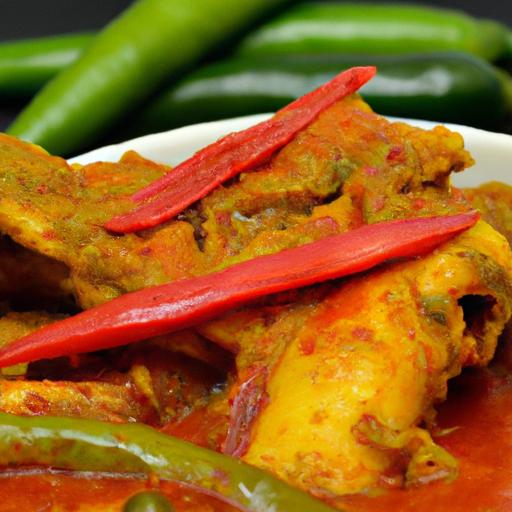

In the vibrant tapestry of global cuisine, few flavor combinations ignite the palate quite like the electrifying dance of sour and spicy. Enter the world of tangy heat-a culinary realm where zesty acidity meets fiery warmth,creating curries that are as bold as they are unforgettable. From the bustling street markets of Southeast Asia to the hidden kitchens of India’s coastal towns, sour and spicy curry dishes tantalize taste buds with their layered complexity and invigorating kick.This article invites you to explore the origins, ingredients, and techniques behind these captivating curries, revealing why the marriage of tang and heat continues to captivate food lovers around the world. Prepare to embark on a sensory journey where every bite is a thrilling burst of flavor, awakening the senses and celebrating the art of bold cooking.
Tangy heat is the cornerstone of creating a curry that captivates the palate with a lively interplay of sour and spicy notes. This vibrant flavor profile is an artful dance where bright acidity meets fiery warmth, transforming simple ingredients into a boldly harmonious feast. Drawing from diverse culinary traditions across Asia, this curry invites you to experience layers of zesty heat that are both exhilarating and deeply satisfying.
Prep and Cook Time
- Planning: 15 minutes
- Cooking: 40 minutes
- Total: 55 minutes
Yield
serves 4 generous portions
Difficulty Level
Medium - perfect for adventurous home cooks ready to explore balanced complexity
Key Ingredients That Define Tangy Heat
At the heart of this curry are the bold acidic elements and layered spices that create its characteristic tangy heat. Begin with tamarind paste or fresh tamarind pulp for that unmistakable tartness, complemented by fresh lime juice and sometimes a splash of kokum or amchur powder (dried mango powder) to deepen the sour complexity. To counterbalance and ignite the senses, fresh green chilies, dried red chilies, and ground cayenne pepper lend a fiery backbone.
Equally essential are aromatics like ginger, garlic, and onions which form a warming base, while mustard seeds or fenugreek add a subtle bitterness that contrasts beautifully with the tangy-spicy profile. Coconut milk or yogurt can be gently stirred in to moderate acidity and heat, adding creamy undertones without dulling the punch.
Regional Twists That Bring Unique Zesty Heat
Exploring sour and spicy curry opens a window to regional flavors that highlight local preferences and ingredients. In South Indian cuisine, the kerala fish curry reflects a robust sourness using tamarind alongside green chilies and curry leaves, delivering an earthy heat with coastal freshness. Meanwhile, the Goan vindaloo employs vinegar for its distinctive sharp tang, with red chilies elevating the fire element.
In Eastern regions like Bengal, the use of tomatoes alongside mustard oil yields a tangy-spicy punch distinct from southern counterparts. meanwhile, Thai sour and spicy curries like Gaeng Som fuse tamarind with bird’s eye chilies and lemongrass, creating a bright, herbal piquancy. Each variation showcases how sour and spicy components can be tailored to bring out unique local character while staying true to the essence of zesty heat.
Expert Tips for Balancing Sourness and Spice Perfectly
Mastering the balance of sour and spicy flavors requires precision and care. Begin by introducing acidic ingredients gradually-adding tamarind or lime juice in stages allows you to tailor the tartness without overpowering the curry’s other notes. When it comes to spice,fresh chilies deliver a sharp,immediate heat while dried varieties offer slow-building warmth; combining the two creates layered intensity that can be fine-tuned to your taste.
Incorporate a pinch of sugar or natural sweeteners like palm sugar to counteract excessive sourness, helping to round out the flavor profile with subtle sweetness. Stirring in a creamy element such as coconut milk or yogurt during the final minutes of cooking tempers harsh acidity and mellows the fire, forging a smooth but vibrant harmony. Always taste as you go, adjusting the interplay of tang and heat until your palate sings with balance.
remember that fresh herbs like cilantro or Thai basil are crucial finishing touches. They not only add aromatic brightness but also visually enliven the curry with vibrant green hues that contrast the rich reds and oranges on your plate.
Ingredients
- 2 tbsp tamarind paste, dissolved in ½ cup warm water
- 1 tbsp lime juice, freshly squeezed
- 1 tsp amchur powder (optional, for extra mango tang)
- 3 tbsp vegetable oil or mustard seed oil
- 1 tsp mustard seeds
- 1 large onion, finely chopped
- 4 cloves garlic, minced
- 2-inch piece ginger, grated
- 3 fresh green chilies, slit lengthwise
- 1 tsp dried red chili flakes
- 1 tsp turmeric powder
- 1 tbsp coriander powder
- 1 tsp cumin powder
- ½ tsp cayenne pepper, adjust to taste
- 400 ml coconut milk
- 500g chicken thighs, boneless, cut into chunks (or substitute paneer/vegetables for a vegetarian option)
- Salt to taste
- Fresh cilantro, chopped, for garnish
- Cooked basmati rice or naan, for serving
instructions
- Prepare tamarind water: Soak tamarind paste in warm water, then strain to remove fibers; set aside this tangy infusion.
- Heat oil in a heavy-bottomed pan over medium heat. Add mustard seeds and let them pop, releasing a nutty aroma.
- Sauté onions until translucent and golden brown, about 8 minutes, stirring frequently to avoid burning.
- Add garlic,ginger,and green chilies: Cook for 2 minutes until fragrant,stirring constantly to blend the flavors.
- Incorporate dry spices: turmeric, coriander, cumin, cayenne pepper, and chili flakes. Stir into the onion mixture and cook for 1-2 minutes to toast the spices and unlock their depth.
- Add chicken pieces: Sear until lightly browned on all sides, about 5 minutes, to seal in juices.
- Pour in tamarind water: Stir to coat the meat and bring to a gentle simmer.
- Reduce heat to low, cover, and let cook for 20 minutes until chicken is tender and infused with tangy heat.
- Slowly stir in coconut milk and lime juice: Simmer uncovered for 8-10 minutes to thicken the curry slightly and balance acidity.
- Season with salt to taste, and adjust heat or sourness by adding more cayenne or lime juice as desired.
- Remove from heat and garnish generously with chopped cilantro before serving hot with rice or naan.
Chef’s Notes
- Vegetarian variations: Swap chicken for firm paneer, tofu, or hearty vegetables like eggplant and okra for a meat-free delight.
- Adjusting spice level: Remove seeds from fresh chilies for milder heat or add more dried chili flakes for a smoky intensity.
- Make-ahead tips: This curry tastes even better the next day as flavors meld. store in an airtight container in the fridge for up to 3 days.
- Flavor boosters: A touch of roasted fenugreek leaves (kasuri methi) added near the end adds a subtle bitterness that brightens the curry.
- Thickening alternatives: Instead of coconut milk,use cashew cream or yogurt to soften the tang and spice,stirring gently to prevent curdling.
Serving Suggestions
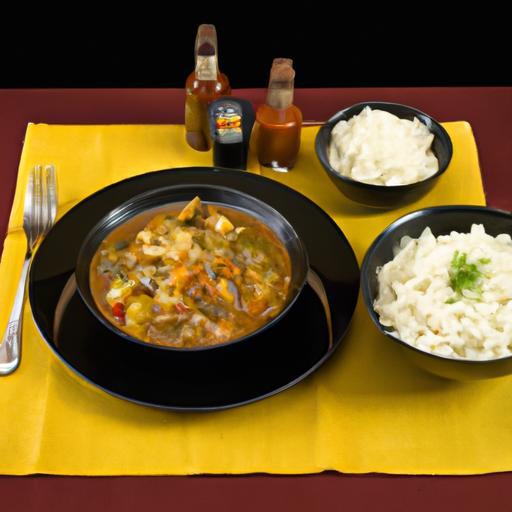
This curry stars when served with steaming basmati rice to soak up its vibrant sauce or warm, fluffy naan bread for scooping. A side of crisp cucumber raita or cooling coconut chutney provides contrast against the tangy heat. Garnish with a handful of fresh cilantro leaves and thin slices of red chili for a pop of color and an extra hint of spice.
For a complete meal, pair with sautéed greens such as spinach or kale, lightly seasoned with garlic and lemon to complement the bold curry flavors.

Nutritional Information
| Nutrient | Per Serving |
|---|---|
| calories | 380 kcal |
| Protein | 32 g |
| Carbohydrates | 12 g |
| Fat | 22 g |
Explore more vibrant curry recipes like this in our Traditional Asian Curries Collection and deepen your understanding of the zesty balance that makes tangy heat unforgettable. For a comprehensive guide to tamarind’s culinary benefits, visit Britannica’s tamarind entry.
Q&A
Q&A: Tangy Heat – Exploring the Zesty World of Sour & Spicy Curry
Q1: What exactly defines a sour and spicy curry?
A: Sour and spicy curries are vibrant dishes that harmonize two bold flavor profiles: the sharp tanginess from souring agents and the invigorating heat from spices and chilies. this dynamic combination awakens the palate and creates a complex, exciting eating experience that contrasts and complements at once.
Q2: Which ingredients typically bring the tangy element to these curries?
A: Common souring agents include tamarind paste, kokum, raw mango, amchur (dried mango powder), lemon or lime juice, and sometimes even yogurt or buttermilk. Each imparts its own unique kind of acidity-ranging from fruity and bright to creamy and mellow-adding layers to the curry’s flavor.
Q3: How is the spicy heat achieved without overwhelming the tanginess?
A: Achieving balance is key. Spices like dried red chilies,fresh green chilies,black pepper,and cayenne provide the heat. The cooking technique-such as tempering spices in oil or roasting whole spices to deepen their flavor-helps mellow harsh heat and allows it to blend seamlessly with the sour notes instead of overpowering them.
Q4: Can you give examples of regional sour and spicy curries?
A: Certainly! from Southern India’s tangy and fiery Chettinad chicken curry using tamarind and robust spices,to Bengali fish curry where mustard seeds and raw mango create tang and punch,sour and spicy curries appear all over south Asia with distinctive local twists. Even in Southeast Asia, Thai and Indonesian sour tamarind-infused curries echo this bright heat.
Q5: What vegetables or proteins work best in a sour and spicy curry?
A: The lively flavors pair well with a variety of proteins such as chicken, beef, lamb, fish, and seafood, and also hearty vegetarian options like lentils, potatoes, eggplant, and drumsticks (moringa pods). These ingredients soak up the tangy-spicy sauce beautifully, creating a harmonious dish.
Q6: How can home cooks experiment with sour and spicy curry flavors?
A: Start by choosing your souring agent based on what’s available-tamarind paste is a great pantry staple.Pair it with fresh or dried chilies according to your preferred heat level. Play around with complementary spices like cumin, coriander, and mustard seeds. Don’t forget to taste and adjust the balance of sour and spicy as you go-this interplay is the soul of the dish.
Q7: Are there any traditional accompaniments for these curries?
A: Yes! Tangy and spicy curries often shine when served alongside plain steamed rice, fragrant basmati, or flaky Indian flatbreads like roti or paratha. Cooling sides such as cucumber raita or simple yogurt can provide relief from the heat and round out the meal.
Q8: How does the sour and spicy profile affect the overall dining experience?
A: The bold contrasts in these curries stimulate the senses, making each bite intriguing and satisfying. The sourness clears the palate while the spice triggers warmth and excitement, encouraging deeper thankfulness of the intricate spice blends and fresh ingredients. It’s a culinary journey that delights and energizes.
Dive into the tantalizing world of sour and spicy curry-it’s a zesty adventure where every spoonful tells a story of boldness, balance, and tradition!
Concluding Remarks
As we close our flavorful journey through the tangy, fiery realms of sour and spicy curry, it’s clear that these bold dishes do more than just tantalize the taste buds-they tell stories of culture, tradition, and culinary innovation. From the sharp zest of tamarind to the fiery kick of chili, sour and spicy curries invite us to embrace complexity in every spoonful. Whether you’re a seasoned spice lover or a curious newcomer, exploring this vibrant world promises an adventure of flavor that’s as invigorating as it is unforgettable. So next time you crave a dish with character and a playful punch, let tangy heat guide your palate toward new, appetizing horizons.