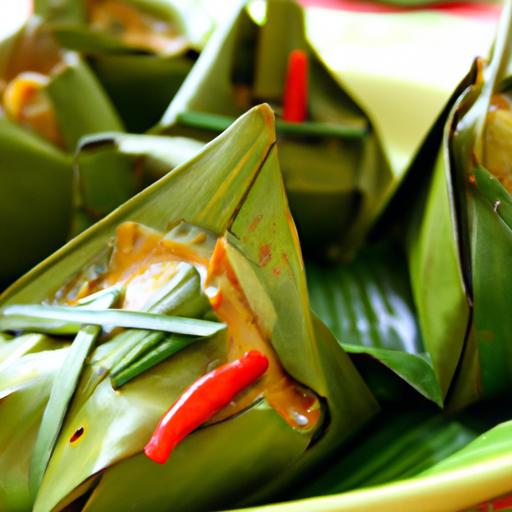

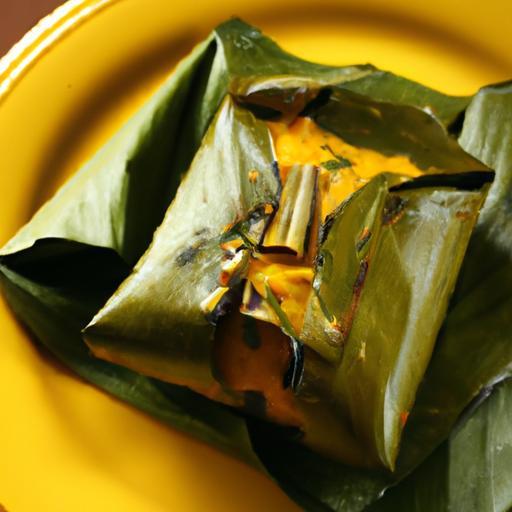
In the heart of many coastal kitchens, where the scent of fresh spices mingles with the ocean breeze, a culinary tradition unfolds with timeless grace: Steamed Fish Curry in Banana Leaf. This dish is more than just a meal-it’s a fragrant tapestry of heritage, weaving together vibrant spices, tender fish, and the subtle earthiness of banana leaves. Steaming the curry wrapped in thes lush green leaves not only infuses the fish with a unique, delicate aroma but also honors a method passed down through generations.Join us as we dive into the story behind this flavorful ritual, exploring the cultural roots, the art of readiness, and the unforgettable taste that makes Steamed Fish Curry in Banana Leaf a cherished classic across tropical shores.
The Art of Wrapping Fish in banana Leaf for Enhanced Aroma
Steamed fish curry in banana leaf unlocks a sensory journey where the tender fish absorbs subtle, intoxicating aromas from the banana leaf’s subtle essence while enveloping the robust, tangy flavors of the curry. The magic lies not only in the spices but also in the delicate, yet transformative, technique of wrapping fish in fresh banana leaf-a practice cherished in tropical culinary traditions.
Using banana leaf creates a natural, moisture-retaining barrier that gently steams the fish, infusing it with an earthy fragrance and keeping the flesh incredibly moist and silky.The leaf’s slight heat-reactive oils release scented vapors that mingle with the spices, adding layers of depth traditional pots and pans cannot replicate. To preserve the leaf’s versatility, it’s crucial to soften it by passing the leaf quickly over an open flame or dipping it briefly in hot water; this prevents cracking or tearing during wrapping.
Key Ingredients and Spices That Define Steamed Fish Curry
At the heart of this beautifully aromatic dish are vibrant spices and fresh ingredients that harmonize to create a flavor profile both bold and balanced. Crucial elements include:
- Fresh fish fillets: Firm white fish like snapper, kingfish, or grouper absorb curry flavors while holding texture.
- Coconut milk: Creamy and slightly sweet, it mellows the tangy and spicy notes.
- Tamarind pulp: Provides a signature tartness that brightens the curry.
- Fresh curry leaves and mustard seeds: Deliver an unmistakable South Asian aroma and earthy kick.
- Green chilies and red chili powder: balance heat and color for vibrant appeal.
- Garlic, ginger, and shallots: The foundational aromatics that enrich every bite.
- Turmeric powder: For warmth, subtle earthiness, and a golden hue.
Each ingredient plays a deliberate role – from the zest of tamarind to the mellow creaminess of coconut milk – weaving a tapestry of flavors that truly defines this classic steamed fish curry in banana leaf.
Prep and Cook Time
- Preparation: 20 minutes
- Cooking: 30 minutes
- Total Time: 50 minutes
Yield
- Serves 4 generous portions
Difficulty Level
- Medium – ideal for adventurous home cooks ready to explore traditional methods
Ingredients
- 4 freshly cleaned fish fillets (about 150g each, white fish such as snapper, kingfish, or grouper)
- 4 large fresh banana leaves (approximately 12×12 inches)
- 1 cup thick coconut milk
- 2 tablespoons tamarind pulp (soaked in warm water and strained)
- 1 tablespoon mustard seeds
- 10 fresh curry leaves
- 3 green chilies (slit lengthwise)
- 1 tablespoon red chili powder
- 1 teaspoon turmeric powder
- 4 garlic cloves (minced)
- 1-inch fresh ginger (grated)
- 2 medium shallots (thinly sliced)
- 2 tablespoons vegetable oil
- Salt to taste
- Fresh cilantro leaves (for garnish)
Step by Step Guide to Perfectly Steaming Fish Curry in Banana Leaf
- Prepare the Banana Leaves: Pass each banana leaf briefly over an open flame or dip in hot water (just 20 seconds) to soften. Pat dry with a clean towel to avoid sogginess. This aids folding and prevents cracking while wrapping.
- Make the Curry Base: Heat vegetable oil in a pan over medium flame. Add mustard seeds and wait for them to pop. toss in curry leaves, garlic, ginger, and shallots, sautéing until fragrant and golden, about 5 minutes.
- Add Spices: Stir in turmeric powder,red chili powder,and salt. Cook for 1 minute to toast the spices.
- Incorporate Tamarind and Coconut Milk: Pour the tamarind pulp with its liquid and gently mix. Slowly add the coconut milk, stirring to combine. let the mixture simmer on low heat for 8-10 minutes until slightly reduced and aromatic. Adjust seasoning if needed.
- Assemble the Curry Packets: Place a banana leaf flat and spoon a generous amount of the curry base in the center. Place one fish fillet atop the curry, then sprinkle slit green chilies over the fish for fresh heat.
- Wrap Securely: Fold the banana leaf edges over the fish, creating a neat parcel. Use bamboo toothpicks or kitchen twine to secure the wrap, ensuring no leaks during steaming.
- Steam: Arrange the wrapped parcels in a steamer basket over boiling water. Cover and steam for 20 minutes. The fish will cook through, infused with the tender aromatics and subtle banana leaf essence.
- Rest and Garnish: Carefully remove the parcels and let them rest for 3 minutes before unwrapping. Garnish with fresh cilantro leaves for a burst of green freshness.
Chef’s Notes: Tips for Success
- Select the Right Fish: Opt for firm, white-fleshed fish that won’t easily fall apart during steaming. Avoid oily or flaky varieties for best texture.
- Banana Leaf Alternatives: If fresh banana leaves are unavailable, parchment paper can be used, though it lacks the distinctive aroma.
- Make Ahead: Prepare the curry base in advance and refrigerate for up to 24 hours. Assemble and steam fresh for optimal flavor.
- Spice adjustment: Tailor chili quantity based on heat tolerance. Removing seeds reduces intensity without sacrificing flavor.
- Wrapping Techniques: Don’t overfill the parcels. Leave room for steam circulation within the packet to ensure even cooking.
Serving Suggestions and pairings to Elevate the Traditional Dish
This dish shines best when served piping hot, directly from the aromatic banana leaf wrap, offering an interactive dining experience as guests unveil the fragrant parcel. Pair with fluffy steamed jasmine rice or warm parathas to soak up the luscious curry sauce.
Accompany your meal with a crisp cucumber raita or a cooling coconut chutney to balance the spice.For additional texture, sprinkle toasted cashews or fresh grated coconut on top.A side of lightly sautéed greens tossed in garlic complements the fish’s richness perfectly.
Pair this meal with a refreshing beverage such as chilled lime soda or a glass of tamarind-based cooler to highlight the tangy curry notes.

| Nutrient | Per Serving |
|---|---|
| Calories | 320 kcal |
| Protein | 28 g |
| Carbohydrates | 8 g |
| Fat | 18 g |
For readers eager to explore more fragrant dishes, check out our detailed guide on Coconut curry Seafood Delights. For an academic dive into the health benefits of turmeric and tamarind, visit NCBI’s research on spices and health.
Q&A
Q&A: Steamed Fish Curry in Banana Leaf – A Flavorful Tradition
Q1: What is steamed fish curry in banana leaf, and why is it considered a traditional dish?
A1: Steamed fish curry in banana leaf is a vibrant, aromatic dish where fresh fish is enveloped in fragrant banana leaves along with a rich blend of spices and coconut milk, then gently steamed.This method of cooking has been passed down through generations in many coastal cultures, celebrated for its ability to lock in moisture and infuse the fish with a deeply flavorful, silky curry. The banana leaf not only imparts a subtle earthy aroma but also symbolizes a connection to nature and tradition.
Q2: How does cooking fish curry in banana leaf differ from other preparation methods?
A2: Cooking fish curry in banana leaf differs significantly because it uses steaming rather than frying or simmering. This gentle technique helps retain the delicate texture of the fish and preserves the vibrant flavors of the spices without overwhelming them. The banana leaf acts as a natural steamer basket, keeping the fish moist and allowing the curry’s fragrant steam to circulate and meld beautifully. Unlike open cooking, this method infuses every bite with a subtle, smoky essence from the leaf itself.
Q3: What kinds of fish work best for this recipe?
A3: Firm, white-fleshed fish varieties are ideal for steamed fish curry in banana leaf. Fish like snapper,seabass,grouper,or tilapia hold their shape well during steaming and absorb the curry flavors beautifully. Freshness is key-freshly caught or high-quality fish enhances the dish’s delicate balance, yielding a succulent and satisfying meal.
Q4: What are the essential ingredients that give this curry its signature flavor?
A4: The magic of steamed fish curry lies in its harmonious blend of spices and ingredients. the base usually includes turmeric, chili powder, coriander, cumin, fresh green chilies, garlic, ginger, and shallots, combined with creamy coconut milk for richness. Tamarind or fresh lime juice adds a tangy brightness that cuts through the creaminess. Fresh curry leaves and mustard seeds frequently enough add that classic aroma and depth of flavor. Wrapped together in the banana leaf, these ingredients meld into a fragrant and textured curry that’s both comforting and vibrant.
Q5: Why use banana leaf as a cooking wrapper rather of aluminum foil or parchment paper?
A5: Banana leaves are more than just a wrapping-they’re an integral part of the dish’s identity. Unlike foil or parchment, banana leaves impart a unique, slightly sweet, grassy aroma that elevates the curry’s flavor. their natural waxy texture prevents sticking and helps steam circulate evenly. moreover, banana leaves are biodegradable and culturally critically important in many tropical and coastal communities, tying the meal to its heritage and the habitat in a lasting way.
Q6: Can this dish be made vegetarian or vegan while keeping its traditional charm?
A6: absolutely! While the classic version features fresh fish, the flavor profile can be adapted to spotlight vegetables like eggplant, okra, or firm tofu wrapped and steamed in the same spiced coconut curry. Using banana leaf for steaming keeps the essence of tradition alive, allowing plant-based eaters to experience the vibrant aromas and textures of this treasured cooking method. The comforting curry spices and coconut milk create a rich,satisfying dish even without seafood.
Q7: How is steamed fish curry in banana leaf typically served?
A7: This dish is often enjoyed hot and fresh, with the banana leaf carefully opened at the table to release a burst of aromatic steam. It pairs beautifully with fluffy steamed rice or fragrant coconut rice, which absorbs the luscious curry sauce. A side of fresh salad, tangy pickles, or lightly sautéed greens complements the rich curry, balancing the meal with crispness and freshness.
Q8: What cultural significance does this dish hold in the regions where it is traditionally prepared?
A8: Steamed fish curry in banana leaf is more than just sustenance; it’s a festivity of local bounty, culinary wisdom, and communal bonds. In many Southeast Asian and South Indian coastal communities, preparing and sharing this dish is a ritual that honors the sea’s gifts and seasonal cycles. The use of banana leaves represents respect for nature, while the slow steaming process encourages mindfulness and patience in cooking. Serving this dish at family gatherings or festivals is a way of preserving heritage and passing down culinary stories.Q9: What tips would you give to someone trying this recipe for the first time?
A9: Start with fresh, high-quality fish and fresh banana leaves-if unavailable, many specialty stores offer frozen leaves that work well. Be generous with the spice blend but balance heat with creaminess from coconut milk to avoid overpowering the palate. Don’t rush the steaming-allow enough time for the flavors to fully develop and the fish to cook gently. Most importantly, embrace the sensory experience: the smell of the steamed leaf, the rich colors of the curry, and the tender texture of the fish, which together make this traditional dish truly unforgettable.
concluding Remarks
As the fragrant steam rises from the banana leaf, carrying with it the harmonious blend of spices and tender fish, one can truly appreciate the enduring charm of steamed fish curry wrapped in banana leaf. This culinary tradition is more than just a dish; it’s a celebration of heritage, nature, and the art of subtle flavors coming together in perfect balance. Weather savored in a bustling coastal village or recreated in your own kitchen, this timeless recipe invites you to experience a delicious story passed down through generations-a story wrapped in leaves, steeped in history, and bursting with the vibrant essence of culture.